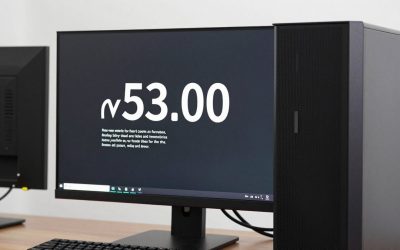
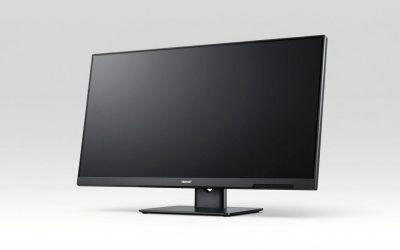
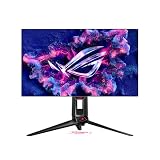
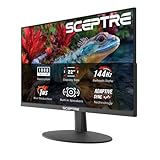
- Top Pick: Sceptre New 22-Inch Gaming Monitor, FHD 1080p, Up to 144Hz, HDMI, DisplayPort, Built-in Speakers, Machine Black (E225W-FW144 Series, 2026)
- Best Value: Dell 27 240Hz Gaming Monitor – SE2726HG – 27-inch FHD (1920×1080) 240Hz Display, in-Plane Switching (IPS) Technology, AMD FreeSync Premium, TÜV 3-Star, 2X HDMI, DisplayPort 1.4, Tilt
- Premium Choice: LG 24G411A-B 24-inch Ultragear Full HD (1920 x 1080) IPS Gaming Monitor, 144Hz (O/C), 1ms MBR, NVIDIA G-Sync Compatible, AMD FreeSync, HDR10, HDMI, DisplayPort, Slim Stand, Black
Affiliate disclosure: As an Amazon Associate we earn from qualifying purchases. This post contains affiliate links — if you buy through them we may earn a small commission at no extra cost to you. This never affects our recommendations.
As an Amazon Associate we earn from qualifying purchases at no extra cost to you.


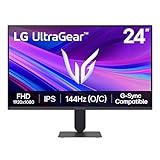




If you think 1080p gaming monitors are dead, think again. In 2026, 1080p at 144Hz or higher remains the sweet spot for competitive and budget-conscious gamers alike. Here is why: pushing 240+ FPS in CS2, Valorant, or Apex Legends is far easier on a mid-range GPU at 1080p than at 1440p. Fewer pixels means your RTX 4060 or RX 7600 can hit frame rates your monitor’s refresh rate can actually keep up with — and that translates directly into smoother gameplay, lower input lag, and a real competitive edge.
The argument for 1080p in 2026 goes beyond raw frame rates. Monitors in this segment have dropped to remarkably low prices, and the panel technology has matured. You can get a genuine 1ms GtG IPS panel with FreeSync Premium for under $150. For esports titles, professional players — many of whom compete on monitors they have no financial incentive to optimize — still gravitate toward 1080p high-refresh displays because the motion clarity at 144Hz–165Hz on a fast TN or IPS panel beats a 1440p display running at the same frame rate every time.
This guide covers the five best 1080p gaming monitors available in 2026, with a focus on real-world gaming performance, panel differences, and honest value assessment.
In a hurry? See the top-rated 1080p Gaming Monitor deals available right now:
🛒 Check 1080P Gaming Monitor Prices on Amazon →🛒 Best Price Today on Amazon
Prime members get fast, free shipping on everything above, plus member-only deals. New members get a 30-day free trial — cancel anytime.
Start 30-Day Prime Free Trial →See Today’s Amazon DealsWhy 1080p at High Refresh Rate Still Makes Sense in 2026
Esports performance: Titles like Valorant, CS2, Overwatch 2, and Fortnite are designed to run at extreme frame rates. A 1080p display with a 144Hz or 165Hz panel lets budget and mid-range GPUs reach the frame rates where the refresh rate actually matters.
GPU efficiency: At 1080p, an RTX 4060 can routinely hit 200+ FPS in competitive titles. Upgrade to 1440p and that same card often struggles to stay above 144 FPS in demanding scenes. 1080p extracts more performance from the same hardware budget.
IPS vs VA at 1080p: IPS panels offer wider viewing angles and more accurate color with fast pixel response. VA panels deliver deeper blacks and higher contrast ratios (typically 3000:1 vs 1000:1 for IPS), which benefits darker games. At 1080p, IPS is generally preferred for fast-paced competitive play due to lower ghosting risk. VA excels for single-player or dark atmospheric games.
1ms MPRT vs GtG: “1ms” can mean two different things. GtG (gray-to-gray) measures actual pixel transition speed — the lower, the better for competitive gaming. MPRT (moving picture response time) is achieved via backlight strobing and describes perceived blur, not actual transition time. Both are useful metrics, but GtG is the more meaningful spec for eliminating ghosting.
G-Sync vs FreeSync: NVIDIA G-Sync requires a dedicated module (adds cost). FreeSync is AMD’s open standard and works royalty-free — many monitors carry both “G-Sync Compatible” certification and FreeSync Premium, meaning they work with both AMD and NVIDIA cards. For budget 1080p gaming, FreeSync-certified monitors are the practical choice.
Top 5 Best 1080p Gaming Monitors in 2026
1. ASUS VG248QG — Best 165Hz 1080p Competitive Monitor
ASUS VG248QG
The ASUS VG248QG is the go-to pick for competitive gamers who want the highest refresh rate without spending more than necessary. Its TN panel pushes a native 165Hz with a 0.5ms GtG response time — among the fastest available at this price. The result is exceptionally sharp motion during fast flicks and tracking in CS2 or Valorant.
ASUS’s ELMB (Extreme Low Motion Blur) backlight strobing technology further reduces perceived blur at the cost of brightness. The 24-inch screen size is the standard for competitive play, keeping all on-screen information within easy peripheral focus.
The trade-off is the TN panel’s color accuracy and viewing angle limitations. Colors wash out noticeably if you are not seated directly in front of the display. For pure gaming performance, this is a non-issue. For general productivity or media consumption, it shows.
Panel: TN | Resolution: 1920×1080 | Refresh Rate: 165Hz | Response Time: 0.5ms GtG | Sync: G-Sync Compatible / FreeSync | Price: ~$149

Pros:
- 165Hz native refresh rate for maximum smoothness
- 0.5ms GtG eliminates ghosting in fast competitive titles
- G-Sync Compatible and FreeSync support covers all GPU brands
- ELMB backlight strobing for additional blur reduction
- 24-inch size is ideal for competitive gaming
Cons:
- TN panel has poor viewing angles and mediocre color accuracy
- No HDR support worth noting
- Thin, basic stand with limited ergonomic adjustment
- Color reproduction unsuitable for design or color-sensitive work
2. LG 24GN600-B — Best IPS 1080p 144Hz Value
LG 24GN600-B
LG’s 24GN600-B represents the best overall value in 1080p gaming monitors in 2026. The IPS panel delivers accurate colors, wide viewing angles, and a 1ms GtG response time — a combination that was expensive two years ago and is now available for under $130. FreeSync Premium support covers AMD cards natively and works as G-Sync Compatible with NVIDIA GPUs.
The HDR10 support is functional but limited by the panel’s peak brightness (~300 nits), so do not expect true HDR performance. It is more of a content compatibility checkbox than a transformative feature at this price.
What makes this monitor stand out is the combination of genuine IPS quality, 144Hz refresh rate, and proven LG panel reliability. The stand is basic but sufficient, and the included AMD FreeSync Premium certification ensures tear-free gaming across the monitor’s full refresh rate range.
Panel: IPS | Resolution: 1920×1080 | Refresh Rate: 144Hz | Response Time: 1ms GtG | Sync: FreeSync Premium / G-Sync Compatible | Price: ~$129
Pros:
- True 1ms GtG IPS panel at an excellent price
- Wide viewing angles and accurate color reproduction
- FreeSync Premium certified for tear-free performance
- HDR10 support for compatible content
- Solid LG panel quality and reliability
Cons:
- 144Hz vs 165Hz on competing TN panels
- HDR peak brightness is too low for meaningful HDR impact
- Basic stand with limited height and tilt adjustment
- No USB hub or additional I/O
3. Samsung Odyssey G3 24-inch — Best VA 1080p 144Hz
The Samsung Odyssey G3 makes the case for VA panels at 1080p. With a 3000:1 contrast ratio versus the 1000:1 typical of IPS displays, darker scenes in games like Elden Ring, Cyberpunk 2077, or any horror title look dramatically richer. Blacks are deep and shadow detail pops in a way IPS monitors cannot match at this price.
Samsung’s VA panel has a 1ms MPRT response time (via overdrive/backlight strobing) and a 4ms GtG. The GtG figure is higher than the IPS and TN competitors here, which means there is some ghosting visible on fast lateral movements in bright scenes. For competitive esports this is a meaningful disadvantage. For single-player games or slower-paced multiplayer, the contrast advantage more than compensates.
The adjustable stand — offering height, tilt, and pivot — is notably better than what most monitors at this price provide, a practical advantage for long sessions.
Panel: VA | Resolution: 1920×1080 | Refresh Rate: 144Hz | Response Time: 1ms MPRT / 4ms GtG | Sync: FreeSync Premium | Price: ~$149

Pros:
- 3000:1 contrast ratio — dramatically better blacks than IPS
- Excellent for dark single-player and atmospheric games
- Height-adjustable, tiltable, pivotable stand
- FreeSync Premium certified
- Samsung build quality and color consistency
Cons:
- 4ms GtG introduces ghosting in fast competitive titles
- VA panel has narrow viewing angles compared to IPS
- 1ms MPRT is backlight-strobing, not true pixel response
- Not the best choice for pure esports/competitive play
4. BenQ ZOWIE XL2411K — Best Esports 144Hz 1080p Monitor
BenQ ZOWIE XL2411K
BenQ’s ZOWIE line has been the choice of professional esports players for years, and the XL2411K upholds that reputation. This is a no-frills TN panel monitor built with one goal: competitive gaming. There is no RGB lighting, no glossy plastic trim, no HDR marketing — just a fast 1ms GtG TN panel at 144Hz with a matte anti-glare coating that eliminates distracting reflections during long tournament sessions.
The S-switch accessory (sold separately) allows quick switching of display profiles, a feature professional players use to change between calibrated settings for different games. The height-adjustable stand and rear shield attachment options are clearly designed around extended competitive use.
At around $179, the XL2411K is not the cheapest option here, but for players who want the monitor professional CS2 and Valorant players actually use — with the ergonomics to match — it justifies the premium.
Panel: TN | Resolution: 1920×1080 | Refresh Rate: 144Hz | Response Time: 1ms GtG | Sync: FreeSync | Price: ~$179
Pros:
- Trusted by professional esports players globally
- 1ms GtG TN panel with zero tolerance for ghosting
- Matte anti-glare coating eliminates competitive-use reflections
- Excellent ergonomic stand for long gaming sessions
- DyAc (Dynamic Accuracy) blur reduction technology
Cons:
- TN panel means poor color accuracy and viewing angles
- Priced higher than IPS competitors with similar specs
- No G-Sync Compatible certification (FreeSync only)
- Minimal aesthetic appeal — purely functional design
5. AOC 24G2 — Best Budget 144Hz 1080p IPS Monitor
The AOC 24G2 is the value champion of this list. For under $120, it delivers a 1ms IPS panel (achieved via overdrive), 144Hz refresh rate, FreeSync Premium certification, and G-Sync Compatible support. The IPS panel brings wide viewing angles and better color accuracy than TN panels, making it a genuinely versatile monitor for both gaming and general use.
The response time spec here requires a note: the 1ms figure is MPRT via overdrive at 144Hz. The actual GtG is closer to 4ms, which places it on par with the Samsung Odyssey G3 in real-world pixel response. In practice, the ghosting is manageable and mostly invisible at 144Hz in competitive titles, but it is not as clean as the LG 24GN600-B’s 1ms GtG IPS panel.
For gamers building a complete setup on a strict budget, the AOC 24G2 delivers 90% of the premium 1080p IPS experience at a price that leaves room in the budget for a better GPU or peripherals.

Panel: IPS | Resolution: 1920×1080 | Refresh Rate: 144Hz | Response Time: 1ms MPRT / ~4ms GtG | Sync: FreeSync Premium / G-Sync Compatible | Price: ~$115
Pros:
- Excellent price for a 144Hz IPS display
- Wide viewing angles and solid color accuracy for the price
- FreeSync Premium and G-Sync Compatible dual support
- Good build quality and aesthetics for the price range
- Versatile for gaming and everyday productivity
Cons:
- 1ms MPRT, not GtG — actual pixel response is ~4ms
- Some units show mild backlight bleed at corners
- Stand offers limited adjustment (tilt only, no height)
- Not a match for LG 24GN600-B in true pixel response speed
Comparison Table
| Monitor | Panel | Refresh Rate | Response Time | Sync |
|---|---|---|---|---|
| ASUS VG248QG | TN | 165Hz | 0.5ms GtG | G-Sync Compatible / FreeSync |
| LG 24GN600-B | IPS | 144Hz | 1ms GtG | FreeSync Premium / G-Sync Compatible |
| Samsung Odyssey G3 | VA | 144Hz | 1ms MPRT / 4ms GtG | FreeSync Premium |
| BenQ ZOWIE XL2411K | TN | 144Hz | 1ms GtG | FreeSync |
| AOC 24G2 | IPS | 144Hz | 1ms MPRT / ~4ms GtG | FreeSync Premium / G-Sync Compatible |
How to Choose the Right 1080p Gaming Monitor
Competitive esports players should prioritize refresh rate and GtG response time above everything else. The ASUS VG248QG (165Hz, 0.5ms GtG) or BenQ ZOWIE XL2411K (144Hz, 1ms GtG, professional pedigree) are the correct choices. Ghosting and input lag matter more than color accuracy when every millisecond counts.
General gamers on a budget will get the best overall experience from the LG 24GN600-B. True 1ms GtG IPS performance, accurate colors, and dual sync support at $129 is hard to beat. If budget is tighter, the AOC 24G2 at $115 gives up some pixel response quality but remains a strong performer.
Single-player and dark-game enthusiasts should consider the Samsung Odyssey G3. No IPS panel at this price comes close to VA contrast ratios. If you play games where atmosphere and shadow detail matter, the 3000:1 contrast ratio makes a noticeable difference.
GPU considerations: Pair any of these monitors with a GPU that can consistently hit at or above the panel’s refresh rate at 1080p. An RTX 4060 or RX 7600 will reliably hit 144+ FPS in competitive titles, making 144Hz the practical ceiling to target. For 165Hz, an RTX 4060 Ti or better ensures headroom in more demanding titles.
Panel type summary:
- TN: fastest response, worst colors/angles — best for pure competitive play
- IPS: fast response, great colors/angles — best all-around choice
- VA: slowest response, best contrast — best for atmospheric single-player
Final Verdict
The best 1080p gaming monitor in 2026 depends on your priorities, but for most gamers the LG 24GN600-B is the top recommendation. It combines a genuine 1ms GtG IPS panel, 144Hz refresh rate, and FreeSync Premium support at a price that is genuinely hard to argue against. The color accuracy and wide viewing angles make it usable beyond gaming, and the panel quality is consistent.
For purely competitive play where every frame matters, the ASUS VG248QG edges ahead with its 165Hz refresh rate and 0.5ms GtG TN panel. Serious esports players willing to spend slightly more for professional credibility should look at the BenQ ZOWIE XL2411K.
Budget-constrained builders who still want IPS quality can step down to the AOC 24G2 without feeling like they sacrificed too much. And players who prioritize dark, atmospheric single-player games will find the Samsung Odyssey G3’s contrast ratio genuinely transforms the experience.
1080p at high refresh rate is not a compromise in 2026 — it is a deliberate and well-supported choice for gamers who understand that smooth, responsive gameplay matters more than pixel density in a competitive context.
Frequently Asked Questions
Is 1080p still good for gaming in 2026?
Yes. 1080p remains popular for high-FPS competitive gaming and budget builds. It is easy for mid-range GPUs to drive at very high refresh rates, keeping frame rates sky-high.
What refresh rate should a 1080p gaming monitor have?
144Hz is the baseline, and 1080p is where high refresh rates like 240Hz or 360Hz are most achievable, since the resolution is light on the GPU. Competitive players benefit most.
1080p or 1440p gaming monitor?
1080p suits budgets and competitive high-FPS play, while 1440p offers noticeably sharper image quality. If your GPU can handle it, 1440p is the better all-round experience.
What size is best for a 1080p monitor?
24-25 inches is ideal for 1080p, keeping the image sharp. Larger 27-inch 1080p monitors can look slightly soft because the pixels are spread over more area.
Related Articles
Looking for more on this topic? Browse the hand-picked guides below — each one applies the same scoring rubric used in this review.