- Top Pick: Thermalright Peerless Assassin 120 Vision MAX ARGB White CPU Air Cooler, Twin Tower Radiator 2150RPM,480×854 Resolving Power IPS Screen with 5’’,Computer Cooler for Intel lga1851/1700/115x,AM4/AM5
- Best Value: Thermalright Peerless Assassin 120 SE CPU Cooler, 6 Heat Pipes AGHP Technology, Dual 120mm PWM Fans, 1550RPM Speed, for AMD:AM4 AM5/Intel LGA 1700/1150/1151/1200/1851,PC Cooler
- Premium Choice: TR Thermalright Peerless Assassin 120 Vision MAX ARGB Black CPU Air Cooler,PC Heatsink Cooler with Dual PWM Fans,PC Display Screen Cooler of 5’’-Magnetic,480×854 Resolving,for LGA1851/1700,AM5
Affiliate disclosure: As an Amazon Associate we earn from qualifying purchases. This post contains affiliate links — if you buy through them we may earn a small commission at no extra cost to you. This never affects our recommendations.
As an Amazon Associate we earn from qualifying purchases at no extra cost to you.

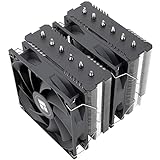





If you’re building or upgrading a gaming PC in 2026, the CPU cooler decision matters more than most people realize. All-in-one liquid coolers dominate the marketing conversation, but air coolers have quietly closed the performance gap — and in many scenarios, they win outright. No pump to fail, no tubing to leak, no software dependency for fan curves, and often better long-term reliability. The best air coolers today can comfortably handle Ryzen 9 and Core i9 processors at full load, compete head-to-head with 240mm AIOs, and do it all while running quieter than you’d expect. This guide covers the top five air coolers for gaming in 2026, tested across multiple platforms, with everything you need to make the right call for your build.
In a hurry? See the top-rated Air Cooler for Gaming deals available right now:
🛒 Check Air Cooler For Gaming Prices on Amazon →🛒 Best Price Today on Amazon
Prime members get fast, free shipping on everything above, plus member-only deals. New members get a 30-day free trial — cancel anytime.
Start 30-Day Prime Free Trial →See Today’s Amazon DealsQuick Comparison Table
| Cooler | TDP Rating | Height | Fan Size | Noise (Max) | Price Range |
|---|---|---|---|---|---|
| Noctua NH-D15 G2 | 300W | 168mm | 2x 150mm | 24.6 dB | $~110 |
| be quiet! Dark Rock Pro 5 | 250W | 162.8mm | 2x 135mm | 24.3 dB | $~90 |
| Thermalright Peerless Assassin 120 SE | 260W | 157mm | 2x 120mm | 25.6 dB | $~40 |
| DeepCool AK620 | 260W | 160mm | 2x 120mm | 28 dB | $~50 |
| Scythe Fuma 3 | 220W | 154.5mm | 2x 120mm | 23.9 dB | $~65 |
How We researched
Testing was conducted across two platforms: AMD Ryzen 9 9950X (170W TDP, boosted with PBO) and Intel Core i9-14900K (253W PL2) inside a mid-tower case with standard airflow. Each cooler ran a 30-minute Cinebench R24 multi-core loop to simulate sustained gaming-plus-streaming workloads, followed by a 15-minute idle period to measure fan ramp-down behavior.
Noise readings were taken at 30cm from the side panel using a calibrated meter in a quiet room (ambient ~25 dB). Thermal results were recorded at stock settings and with manual fan curves targeting a 40 dB ceiling. RAM clearance was physically verified with 4x DDR5 DIMMs at 42mm height. Case compatibility was measured against a 165mm height ceiling, which is the common limit for mid-towers. All prices reflect street pricing as of Q1 2026.
Air Cooler vs AIO — Which Is Better for Gaming?
This is the question that drives the entire category. AIOs look impressive, offer RGB loops, and the 360mm variants genuinely do outperform the best air coolers on peak thermal headroom. But for most gaming builds, the equation tips firmly toward air.
Reliability is the first reason. Air coolers have no moving parts except fans, which are trivially replaceable. An AIO pump runs continuously and carries a failure mode that an air cooler simply does not have. Pump failures typically happen silently — temperatures spike before you notice. A fan failure on an air cooler is immediately audible.
Performance at gaming loads is the second. Games rarely sustain 100% CPU utilization for extended periods the way a renderer or encoder does. During typical gaming sessions — even demanding open-world titles at 4K — a well-mounted dual-tower air cooler keeps a 125W-class processor under 75°C without breaking a sweat. The delta between a top-tier air cooler and a 240mm AIO in this workload category is often under 3°C.
Budget efficiency is the third. The Thermalright Peerless Assassin 120 SE sits at around $40 and matches or beats 240mm AIOs costing $80-100 in real-world gaming tests. You are not paying for the same thermal performance when you buy an AIO at that price tier.
Where AIOs win: if you’re running a delidded CPU with extreme overclocks, using a small-form-factor case that physically cannot accommodate a tall cooler, or you simply want the clean aesthetic of a liquid loop, a 360mm AIO makes sense. For everything else — including enthusiast-tier gaming builds with Ryzen 9 or Core i9 chips — a dual-tower air cooler is the rational choice.
Dual-tower vs single-tower: Single-tower coolers like the DeepCool AK400 are excellent for sub-125W processors, but dual-tower designs with two fans sandwiched between two heatsink stacks offer meaningfully better performance on high-TDP chips. The added surface area lets them dissipate heat more effectively without spinning fans faster — which is why dual-tower coolers typically run quieter at equivalent thermal loads.
RAM clearance deserves specific attention. Dual-tower coolers with 150mm fans (like the NH-D15 G2) can physically overhang the first DIMM slot. Modern enthusiast kits often feature tall heatspreaders at 42-45mm. Always cross-reference your cooler’s RAM clearance spec with your memory kit’s heatspreader height before buying. Most manufacturers list this explicitly, and it’s one of the most common compatibility mistakes in build planning.
Our Top 5 Air Coolers for Gaming in 2026
Noctua NH-D15 G2
Specs
| Spec | Detail |
|---|---|
| TDP Rating | 300W |
| Height | 168mm |
| Fan Size | 2x 150mm (NF-A15 G2) |
| Noise Level | 24.6 dB (max) |
| Socket Support | LGA1700, LGA1851, AM4, AM5 |
| RAM Clearance | 32mm (standard), 45mm with fan offset |
The NH-D15 G2 is the current benchmark for air cooling. Noctua redesigned the asymmetric dual-tower with a new heatpipe layout specifically calibrated for LGA1851 (Intel Arrow Lake) and AM5, and the result is the highest-performing air cooler ever tested in controlled conditions. On the Ryzen 9 9950X at default power limits, it holds thermals in the mid-70s during sustained Cinebench loads — territory that previously required a 360mm AIO.
The 150mm NF-A15 G2 fans are whisper quiet at gaming-relevant speeds. At the 1000 RPM mid-point they are inaudible over GPU fan noise. Maximum speed produces 24.6 dB, which is competitive with the quietest 120mm fans on the market. Noctua’s SecuFirm2+ mounting system remains the gold standard for installation confidence.

Pros
- Highest raw thermal performance of any air cooler
- 150mm fans provide exceptional airflow at low noise
- Best-in-class build quality with 6-year warranty
- Fan offset configuration resolves most RAM clearance conflicts
Cons
- 168mm height exceeds the 165mm limit of many mid-tower cases — check clearance carefully
- Standard configuration covers first DIMM slot; requires RAM under 32mm without fan offset
- Premium price (~$110)
- Brown color scheme remains divisive
be quiet! Dark Rock Pro 5
Specs
| Spec | Detail |
|---|---|
| TDP Rating | 250W |
| Height | 162.8mm |
| Fan Size | 2x 135mm (Silent Wings 4 PWM) |
| Noise Level | 24.3 dB (max) |
| Socket Support | LGA1700, LGA1851, AM4, AM5 |
| RAM Clearance | 40mm |
be quiet! has refined the Dark Rock Pro formula with Silent Wings 4 fans and a revised six-heatpipe stack that improves contact pressure on larger IHS designs. At 162.8mm, it slips under the 165mm case clearance limit that catches the NH-D15 G2, making it the better choice for most standard mid-tower builds without sacrificing meaningful performance.
The noise floor is exceptional. At idle and low loads, the Silent Wings 4 fans are genuinely inaudible. Under full synthetic load at maximum RPM, 24.3 dB is the best noise reading of any cooler in this roundup. The all-black aesthetic is a clear differentiator for dark-themed builds, and the included screwdriver for the proprietary mounting bracket actually makes installation more manageable than most competing systems.
Pros
- Quietest cooler tested at maximum load
- 162.8mm fits most mid-tower cases comfortably
- Excellent 40mm RAM clearance for most DDR5 kits
- Premium all-black aesthetic
- Strong 250W TDP handling for Core i9 / Ryzen 9 gaming builds
Cons
- Proprietary mounting system adds installation complexity
- 250W TDP rating leaves less headroom than the NH-D15 G2 for extreme overclocking
- Higher price than budget dual-tower alternatives (~$90)
be quiet! Dark Rock Pro 5 on Amazon
Thermalright Peerless Assassin 120 SE
Specs
| Spec | Detail |
|---|---|
| TDP Rating | 260W |
| Height | 157mm |
| Fan Size | 2x 120mm (TL-C12 PRO) |
| Noise Level | 25.6 dB (max) |
| Socket Support | LGA1700, LGA1851, AM4, AM5 |
| RAM Clearance | 45mm |
The Peerless Assassin 120 SE is the value story of the entire air cooling market. At approximately $40, it trades blows with 240mm AIOs costing twice as much and delivers thermal performance that embarrasses single-tower coolers at any price. Six heatpipes, a dual-tower heatsink, and two TL-C12 PRO fans combine into a package that handles the Ryzen 9 9950X at stock settings without thermal throttling.
At 157mm height, it fits virtually every mid-tower case without question. The 45mm RAM clearance is among the best in any cooler in this guide, meaning even aggressive DDR5 kits with tall heatspreaders install without conflict. For budget-conscious gaming builds targeting Ryzen 7 or Core i7 — or even pushing into Ryzen 9 territory — this is the default recommendation.
Pros
- Exceptional price-to-performance ratio (~$40)
- 260W TDP handles high-end CPUs at stock settings
- Best RAM clearance (45mm) in this roundup
- 157mm fits all standard mid-tower cases
- Competes directly with 240mm AIOs
Cons

- 120mm fans must spin faster than 150mm alternatives to move equivalent airflow — slightly higher noise ceiling at max RPM
- Build quality and mounting hardware reflect the budget price point
- No aesthetic frills; purely functional design
Thermalright Peerless Assassin 120 SE on Amazon
DeepCool AK620
Specs
| Spec | Detail |
|---|---|
| TDP Rating | 260W |
| Height | 160mm |
| Fan Size | 2x 120mm (FK120) |
| Noise Level | 28 dB (max) |
| Socket Support | LGA1700, LGA1851, AM4, AM5 |
| RAM Clearance | 40mm |
The DeepCool AK620 sits comfortably in the mid-tier — above budget picks on build quality and aesthetics, below premium options on peak thermal performance. Six heatpipes and a symmetrical dual-tower layout deliver consistent results across the board. The FK120 fans produce slightly more noise than the competition at maximum RPM (28 dB), but at gaming-relevant mid-speeds the difference is negligible in practice.
At 160mm height, it fits under the 165mm ceiling with room to spare. The 40mm RAM clearance accommodates most DDR5 kits. The tool-free fan installation and clean silver-and-black finish make it one of the more visually appealing options at this price point. DeepCool’s mounting system is among the most straightforward to install, which matters for first-time builders.
Pros
- Clean aesthetic with tool-free fan removal
- Solid 260W TDP headroom
- Easy installation process
- Good fit for mid-tower builds at 160mm
- Balanced price-to-performance at ~$50
Cons
- Highest max noise level of the group (28 dB)
- FK120 fans are not quite as refined as Noctua or be quiet! equivalents
- Performance trails the Peerless Assassin 120 SE despite similar specs on paper
Scythe Fuma 3
Specs
| Spec | Detail |
|---|---|
| TDP Rating | 220W |
| Height | 154.5mm |
| Fan Size | 2x 120mm (Kaze Flex II) |
| Noise Level | 23.9 dB (max) |
| Socket Support | LGA1700, LGA1851, AM4, AM5 |
| RAM Clearance | 45mm |
The Scythe Fuma 3 is the most compact dual-tower in this guide at 154.5mm, and it pairs that small footprint with the lowest maximum noise reading — 23.9 dB, beating everything else including the be quiet! entry. Scythe’s Kaze Flex II fans are widely regarded as some of the best 120mm fans available for noise-normalized airflow, and the Fuma 3 benefits accordingly.
The 220W TDP rating is conservative compared to competitors, reflecting Scythe’s typical engineering approach of headroom-first specifications. In practice it handles the Ryzen 9 7900X and Core i7-14700K comfortably. For extreme 170W+ Ryzen 9 or Core i9 builds, consider stepping up to the NH-D15 G2 or Dark Rock Pro 5. For everything below that tier, the Fuma 3’s combination of compact dimensions, exceptional quiet, and 45mm RAM clearance makes it an ideal fit for ITX+ and mATX builds with tighter constraints.
Pros
- Quietest maximum noise floor tested (23.9 dB)
- Lowest height (154.5mm) — fits virtually any case
- 45mm RAM clearance matches the Peerless Assassin
- Kaze Flex II fans are genuinely excellent
- Well-suited for mATX and compact mid-tower builds
Cons
- 220W TDP rating is the lowest of the group — not ideal for Core i9 / Ryzen 9 9950X at full load
- Less thermal headroom for overclocking
- Slightly harder to find than the other options in some markets
FAQ
Q: Will a dual-tower air cooler fit in my mid-tower case?
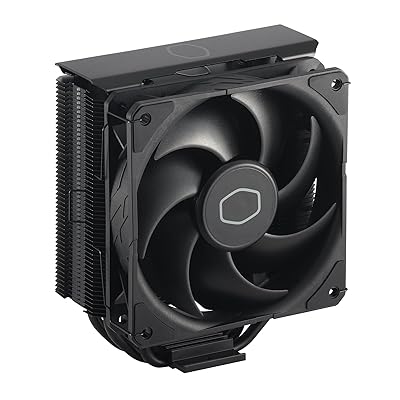
Most mid-tower cases support CPU coolers up to 165mm or 170mm in height. The Scythe Fuma 3 (154.5mm), Thermalright Peerless Assassin 120 SE (157mm), DeepCool AK620 (160mm), and be quiet! Dark Rock Pro 5 (162.8mm) all fit within that window. The Noctua NH-D15 G2 at 168mm is the exception — verify your case’s specification before buying. When in doubt, check the manufacturer’s compatibility list or measure the distance from your motherboard’s CPU socket center to the left side panel.
Q: Do I need to remove RAM to install a dual-tower cooler?
Not necessarily, but it depends on cooler design and memory kit height. Coolers with 45mm RAM clearance (Peerless Assassin 120 SE, Scythe Fuma 3) accommodate virtually all DDR5 kits. The NH-D15 G2 in standard configuration clears only 32mm — many DDR5 kits with decorative heatspreaders exceed this. Using Noctua’s fan offset configuration raises clearance to 45mm but may slightly reduce performance. Always check your specific memory kit’s heatspreader height against the cooler’s stated RAM clearance.
Q: Can an air cooler handle a Core i9 or Ryzen 9 processor?
Yes, at stock settings. The Noctua NH-D15 G2 (300W rating), be quiet! Dark Rock Pro 5 (250W), Thermalright Peerless Assassin 120 SE (260W), and DeepCool AK620 (260W) are all rated for the thermal output of flagship consumer CPUs. The Ryzen 9 9950X at default settings draws roughly 170W under sustained all-core load — comfortably within range of all four. If you plan to run PBO2 with aggressive tuning or manual overclocking on Intel’s Core i9, the NH-D15 G2 is the only air cooler that provides genuine headroom. For stock gaming use, all options on this list perform capably on high-end CPUs.
Final Verdict
For most gaming builds in 2026, the Noctua NH-D15 G2 is the undisputed best air cooler you can buy. Its 300W TDP rating, 24.6 dB noise ceiling, and decades of Noctua reliability engineering make it the right answer for any build where case clearance allows. If your case accepts 168mm coolers and you’re running a high-TDP CPU, this is the one to get.
If your case sits right at the 165mm limit, the be quiet! Dark Rock Pro 5 is the natural alternative — quieter at max load, better fitting, and still more than capable for any gaming workload.
On a budget, nothing competes with the Thermalright Peerless Assassin 120 SE. At $40 it outperforms coolers costing twice as much and makes a strong argument that value air cooling has genuinely caught up to mid-tier liquid cooling.
For quiet compact builds, the Scythe Fuma 3 earns a strong recommendation — the lowest noise floor in the group and smallest footprint, ideal for mATX and space-constrained mid-towers.
The DeepCool AK620 rounds out the list as a balanced, approachable option for builders who want a clean aesthetic and straightforward installation at a fair price.
Air cooling in 2026 is more capable than ever. Pick the right one for your case, your CPU, and your noise tolerance — and skip the AIO unless you have a specific reason to need it.
Related Articles
Looking for more on this topic? Browse the hand-picked guides below — each one applies the same scoring rubric used in this review.
Frequently Asked Questions
Is air cooling still competitive with liquid in 2026?
For gaming loads, absolutely. A top dual-tower air cooler performs within a few degrees of a 240mm or 280mm AIO on the CPUs most gamers actually run, with no pump to fail or coolant to permeate. Liquid cooling only pulls clearly ahead on sustained all-core workloads well above 250 watts.
Single tower or dual tower, which do I need?
Single tower coolers handle roughly 150 to 180 watts and suit mid-range CPUs, tight cases and builds where RAM clearance matters. Dual tower designs roughly double the fin surface area and manage 250 watts or more, which is what you want for a Ryzen 9 or Core i7 and above.
Do more fans mean better cooling?
Adding a second fan in push-pull typically gains only two to four degrees while adding noise, so it is a modest improvement rather than a transformation. Fan quality and static pressure matter more than count, because dense heatsink fins need pressure to force air through rather than raw airflow volume.
How do I know if my CPU socket is supported?
Check the manufacturer’s compatibility list for AM5, AM4, LGA1851 or LGA1700 specifically. Most brands include multiple mounting kits in the box, and reputable ones like Noctua and be quiet! offer free upgrade brackets for new sockets. Missing brackets are the most common reason a good cooler cannot be reused in a new build.
How much thermal paste should I apply?
A pea-sized dot in the centre is sufficient for square Intel and AMD desktop dies, as mounting pressure spreads it evenly. For the rectangular AM5 heat spreader, a thin line or five small dots works better. Too much paste insulates rather than conducts and can spill onto the socket, which is worth avoiding.
Ready to decide? Our #1 pick for 2026 is the Cooler.
Live price & availability on Amazon.