- Top Pick: ASUS ROG Strix G16 (2025) Gaming Laptop, 16” FHD+ 16:10 165Hz/3ms, NVIDIA® GeForce RTX™ 5060, Intel® Core™ i7 Processor 14650HX, 16GB DDR5, 1TB Gen 4 SSD, Wi-Fi 7, Windows 11 Home, G615JMR-AS74
- Best Value: KAIGERR 2026 Gaming Laptop, 24GB DDR5 512GB NVMe SSD Laptop Computer with AMD Ryzen 7 H255(8C/16T, Up to 4.9GHz), 16.0 inch Windows 11 Laptop, Radeon RX Vega 8 Graphics,WiFi 6, Backlit KB
- Premium Choice: Acer Nitro V Gaming Laptop | Intel Core 7 Processor 240H | NVIDIA GeForce RTX 5050 Laptop GPU | 16" WUXGA IPS 180Hz Display | 16GB DDR5 | 1TB Gen 4 SSD | Wi-Fi 6 | Backlit KB | ANV16-72-73EW
Buying a gaming laptop is harder than buying a desktop because everything is a trade-off. A thin chassis means quieter fans but tighter thermals; a bigger battery adds weight; a faster GPU can be throttled by a cooling system that cannot keep up. Spec sheets list dozens of numbers, yet only a handful actually determine whether a laptop will run your games smoothly two years from now. Knowing which numbers matter protects you from overpaying for the wrong thing.
This guide cuts through the marketing to the specs that genuinely affect your experience in 2026: the GPU, the display, the processor and memory, cooling and build, and the balance of portability against power. You will learn how to read a listing like an enthusiast and avoid the common traps that leave buyers with a laptop that looks great on paper and stutters in practice. Our recommended models below span budget to high-end so you can see how the priorities shift across price points.
As an Amazon Associate we earn from qualifying purchases at no extra cost to you.

Check Price on Amazon →


⚡ Save on Your Next PC — Amazon Prime
Prime members get fast free shipping on the systems above, plus early access to Prime Day & Black Friday PC deals. New members get a 30-day free trial.
Watch: What to Look for in a Gaming Laptop — Video Review
The GPU Is the Heart of the Machine
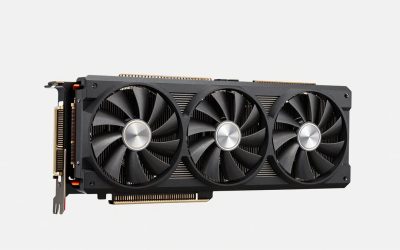
Nothing affects gaming performance more than the graphics chip, and unlike RAM or storage, you cannot upgrade it later. In 2026 the RTX 50-series laptop GPUs define the tiers: an RTX 5050 or 5060, as found in the Acer Nitro V and the GIGABYTE Gaming A16, handles 1080p and 1200p smoothly, while an RTX 5070 Ti in a machine like the ASUS ROG Strix G16 (2025) targets high-refresh 1440p. Watch the total graphics power rating, not just the model name, because the same GPU can be tuned to very different wattages. A higher-wattage RTX 5060 can outperform a starved higher-tier chip, so read the fine print.
Display: Refresh Rate and Resolution
A fast GPU is wasted on a slow screen. Look for at least a 144Hz or 165Hz panel so high frame rates translate into visibly smoother motion; the ASUS ROG Strix G16 pairs its power with a 165Hz or even 240Hz display for exactly this reason. Resolution should match the GPU: 1080p or 1200p for mid-range chips, 1440p (often labeled WQXGA or 2.5K) for higher tiers. Also prize the 16:10 aspect ratio now common on models like the ROG Strix and the Acer Nitro V, since the extra vertical space helps in games and everyday work. Good color coverage matters if you also create content.
Processor, Memory, and Upgradability
- Aim for a current-generation 8-core CPU; an Intel Core i7/Ultra 7 or AMD Ryzen 7 like those in the NIMO and KAIGERR laptops keeps modern games fed without bottlenecking the GPU.
- Treat 16GB of DDR5 as the floor and 32GB as ideal for 2026, since many new titles and background apps push past 16GB.
- Confirm the RAM and SSD are user-replaceable; many laptops let you add memory and a second drive later, extending the machine’s useful life.
- Prioritize a Gen4 NVMe SSD of at least 1TB, as seen in the ROG Strix G18, so game installs and load times keep pace with the rest of the system.
Cooling, Build Quality, and Noise
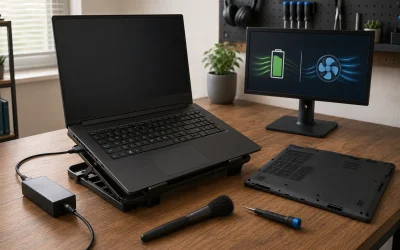
The best components mean nothing if the laptop cannot keep them cool. Thin ultraportables often throttle under sustained load, dropping frame rates after a few minutes, while chassis built for gaming like the ASUS TUF Gaming A16 use more vents and heftier heat pipes to hold performance. Read reviews for sustained clock speeds and fan noise rather than trusting peak benchmark numbers. A sturdy hinge, a keyboard that does not flex, and a chassis that resists heat on the wrist rest all signal a machine engineered to last, not just to hit a headline spec at unboxing.
Portability Versus Power
Decide honestly how you will use the laptop. An 18-inch powerhouse like the ASUS ROG Strix G18 delivers desktop-class frames but is heavy, loud under load, and tethered to its charger for real performance. A 16-inch machine such as the GIGABYTE Gaming A16 or a lighter 15-inch NIMO balances portability with capable gaming. Gaming laptops sacrifice battery life for power, so expect only a few hours away from the wall during games; if you travel constantly, weight and a decent battery may matter more than squeezing out the top GPU tier. Match the size to your lifestyle.
Tips
- Check the GPU’s wattage rating, not just its name; a well-fed lower tier can beat a throttled higher one.
- Match display resolution to GPU power so you never pay for pixels the chip cannot drive at good frame rates.
- Buy 32GB of RAM or confirm you can add it later; 16GB is increasingly the bare minimum.
- Read sustained-performance and thermal reviews, since throttling under load reveals what benchmarks at unboxing hide.
Frequently Asked Questions
How much should I spend on a gaming laptop?
Entry-level RTX 5050/5060 machines deliver solid 1080p gaming at the lower end, while 1440p high-refresh performance with an RTX 5070 Ti costs considerably more. Spend on the GPU and display tier you actually need; overbuying the CPU or RAM matters less than getting the right graphics chip.
Is 16GB of RAM enough for gaming in 2026?
It is the minimum and increasingly tight. Some modern titles plus background apps and a browser can exceed 16GB, causing stutter. If you can choose 32GB or a model with an open memory slot to upgrade later, do it; it is the cheapest way to future-proof.
Do gaming laptops throttle performance?
Thinner ones often do under sustained load, dropping frame rates as they heat up. That is why cooling design and sustained-clock reviews matter more than peak benchmarks. Purpose-built gaming chassis with robust heat pipes hold performance far better than slim all-purpose laptops.
Can I upgrade a gaming laptop later?
Usually the RAM and storage, but never the GPU or CPU, which are soldered. Because graphics power is fixed at purchase, buy the GPU tier you want up front and treat RAM and SSD slots as your path to extending the laptop’s life.
Conclusion
A great gaming laptop is a machine where the parts are balanced and the cooling can sustain them. Lead with the GPU tier since you cannot change it, match the display’s resolution and refresh rate to that chip, insist on a current 8-core CPU with at least 16GB of DDR5, and verify the cooling holds up under load. Then weigh size against portability for how you truly live. Get that balance right and you will have a laptop that games well today and still holds up years from now.