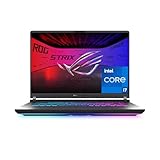
- Top Pick: ASUS TUF Gaming F16 Gaming Laptop, 16” FHD+ 144Hz IPS-Level 16:10 Display, Intel® Core™ 5 210H, NVIDIA® GeForce RTX™ 4050, 16GB DDR5, 512GB PCIe Gen4 SSD, Wi-Fi 6, Win11 Home, FX607VU-SS53
- Best Value: Lenovo LOQ-E 15.6" FHD 144Hz AMD Ryzen 7 7735HS NVIDIA GeForce RTX 4050 Gaming Laptop 16GB DDR5 512GB SSD Luna Gray
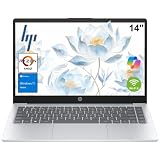
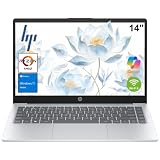
- Premium Choice: HP Victus 15.6" FHD 144HZ Gaming Laptop | AMD Ryzen 5-7535HS (Beat i7-11800H) | AMD Radeon RX 6550M|Backlit Keyboard| 8GB RAM DDR5 | 512GB SSD | Windows 11 Home | Bundle with USB 3.0 Hub
A 144Hz gaming laptop hits the sweet spot between smooth, high-refresh gameplay and sensible pricing. That refresh rate is enough to make fast shooters and racing games feel fluid without demanding the extreme power draw and cost of 240Hz-plus panels. For most players, 144Hz is exactly where the value lives.
This review examines what a 144Hz gaming laptop delivers in real use, how to judge one beyond the headline number, and which current models offer the best balance of speed, price, and build. We’ll reference popular options from ASUS, Lenovo, and HP to keep things concrete.
As an Amazon Associate we earn from qualifying purchases at no extra cost to you.


🎮 Get More From Your Setup — Free
Prime Gaming gives you free PC games every month, in-game loot, and a free Twitch channel sub — plus fast free shipping on all the gear above. New members get a 30-day free trial.
Watch: Gaming Laptop 144Hz — Video Review
Design & Build
144Hz laptops span a wide range of chassis quality. The ASUS TUF Gaming F16 leans into durability with a tank-tough build and a roomy 16:10 display, while the HP Victus 15.6″ line keeps things clean and understated so it doesn’t scream “gamer” in a lecture hall or office. The Lenovo LOQ sits in between, with a purposeful, no-frills design and solid cooling for its class. Across the board, expect plastic-heavy construction at this price, but keyboards are generally comfortable, and backlit decks are common. Port selection is usually generous, with HDMI and multiple USB connectors for external displays and peripherals.
Performance
The magic of 144Hz only pays off if the GPU can feed it. Entry configs pairing an RTX 4050 or RX 6550M, like several HP Victus and Lenovo LOQ models, comfortably drive high frame rates at 1080p in esports titles and medium-to-high settings in AAA games. Step up to the ASUS V16 with an RTX 5060 and you get headroom for higher settings and smoother 1% lows. DDR5 memory and Gen4 SSDs keep loading snappy. In practice, a 144Hz panel makes competitive games like shooters and MOBAs feel noticeably crisper than a standard 60Hz screen, and the improvement in motion clarity is something you feel immediately once you switch back.
Pros & Cons
- Smooth high-refresh gameplay that sharpens fast-paced titles.
- Excellent value compared to 240Hz-plus machines.
- Wide model selection from budget to mid-range GPUs.
- Great for esports, where high frame rates matter most.
- Mostly plastic builds at the affordable end.
- Battery life dips hard during gaming, as with all gaming laptops.
- Entry GPUs may not sustain 144fps in the most demanding AAA games at high settings.
Alternatives to Consider
If you play slower, single-player games, a 60Hz or 120Hz machine can save money with little downside. Competitive players chasing every advantage might look at 165Hz or 240Hz panels, such as the ASUS V16’s higher-tier siblings. And if you want a bigger canvas, 16-inch 16:10 models like the ASUS TUF F16 give you more vertical space than the classic 15.6-inch Victus without much added bulk.
Related Guides
- Best Laptop For Multitasking (2026)
- Best Budget Gaming Laptops 2026: Affordable Performance for Gaming on the Go
- Omen Transcend Gaming Laptop 14t fb100 (2026)
Frequently Asked Questions
Is 144Hz worth it over 60Hz?
Absolutely, especially for competitive and fast-paced games. The jump from 60Hz to 144Hz is one of the most noticeable upgrades you can make, delivering smoother motion and reduced input lag that improve both feel and reaction time.
What GPU do I need to hit 144fps?
For esports titles at 1080p, even an RTX 4050 or RX 6550M is plenty. For AAA games at high settings, an RTX 5060 or better gives more consistent frame rates near that ceiling.
Do I need a 16-inch or 15.6-inch screen?
Both are great. The 15.6-inch HP Victus is more compact and portable, while 16-inch 16:10 panels like the ASUS TUF F16 offer more usable screen space for games and productivity.
Will these laptops last a few years?
Mid-range configs with an RTX 5060 and 16GB of DDR5 should handle new releases at good settings for several years, particularly with DLSS helping maintain frame rates over time.
Verdict
A 144Hz gaming laptop remains the smart-money choice for most players in 2026. For maximum durability and screen space, the ASUS TUF Gaming F16 is a standout; for pure value, the HP Victus and Lenovo LOQ deliver smooth gaming without draining your wallet; and the ASUS V16 with an RTX 5060 is the pick if you want extra GPU headroom. Match the GPU to your favorite games and you’ll enjoy that buttery refresh rate for years.