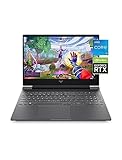
Razer’s Blade lineup is one of the few gaming laptop families that stays genuinely premium across its whole range – CNC-milled aluminum chassis, per-key Chroma RGB, and OLED display options even on the smaller models. The tradeoff is price: Razer rarely competes on value, it competes on build quality and display tech. We rounded up real Blade 14, 16, and 18 configurations currently sold on Amazon.
Quick List
- Razer Blade 14 (2025) – RTX 5060, 16GB DDR5 ($1,942.79) – the smallest, most portable Blade, 3K 120Hz OLED display.
- Razer Blade 16 (2025) – RTX 5070, 32GB DDR5 ($2,829.79) – same OLED display tech in a 16″ chassis with more GPU headroom.
- Razer Blade 16 (2026) – RTX 5070 Ti, 32GB DDR5 ($3,499.99) – next-gen refresh, 240Hz QHD+ 0.2ms panel, Intel Ultra 9.
- Razer Blade 16 (2026) – RTX 5080, 64GB DDR5 ($4,699.99) – doubled RAM, flagship mid-tier GPU.
- Razer Blade 16 (2026) – RTX 5090, 64GB DDR5 ($5,599.99) – the fastest Blade 16 configuration sold.
- Razer Blade 18 (2026) – RTX 5080, 32GB DDR5 ($4,499.99) – Razer’s largest chassis, dual-mode display, more room for cooling.
- Razer Blade 18 (2026) – RTX 5090, 64GB DDR5 ($5,999.99) – the top of the entire Blade range.
See All Picks


14″ vs. 16″ vs. 18″: What You’re Actually Trading Off
The Blade 14 is the only Blade genuinely easy to carry daily – it’s the lightest and smallest, but that smaller chassis caps it at RTX 5060-tier GPUs since there’s only so much cooling you can fit. The Blade 16 is Razer’s volume model, covering everything from RTX 5070 up through RTX 5090, and is still reasonably portable. The Blade 18 exists purely for maximum performance and desk-replacement use – it’s not something you’ll want to carry around campus, but it has the thermal headroom to run its top GPU configurations at full tilt longer than the smaller chassis can.
Is the Price Premium Worth It Over MSI/ASUS/Lenovo at the Same GPU Tier?
Gram for gram of GPU performance, Razer usually costs more than an equivalent ASUS ROG or Lenovo Legion configuration. What you’re paying extra for is the all-aluminum unibody build (most competitors use more plastic in the chassis), a more understated design than most RGB-heavy gaming laptops, and OLED displays that are still optional extras on cheaper competitors. If raw performance-per-dollar is your only priority, you can find the same GPU tier cheaper elsewhere in this review fleet; if chassis build quality and display matter to you as much as the GPU, the Blade lineup earns its premium.
Questions
Is the Razer Blade 14 powerful enough for serious gaming?
Yes at 1440p and the laptop’s native 3K resolution in most titles – the RTX 5060 handles current games well with DLSS. It’s not the pick if you specifically want to chase 4K or the absolute highest frame rates, where the Blade 16/18’s higher GPU tiers pull ahead.
Do all Razer Blade models have OLED displays?
The Blade 14 and 16 configurations here both specify 3K/QHD+ OLED panels. Always check the specific listing before buying – Razer has historically offered both OLED and non-OLED panel options on some models, and panel type affects price.
Which Blade should I buy if I travel with my laptop often?
The Blade 14 is the only genuinely travel-friendly size in the lineup. The Blade 16 is carryable but noticeably bigger and heavier; the Blade 18 is realistically a desk-bound machine despite technically folding shut.
Prices and availability current as of October 2026, pulled from live Amazon listings.