Skateboarding games are timing games wearing a sports costume. A combo line in Tony Hawk’s Pro Skater is a chain of frame-sensitive inputs: ollie too late and the line dies, hold a manual a fraction too long and the balance meter throws you off. That makes this genre an unusually honest test of a retro handheld. Input lag you would never notice in an RPG shows up here immediately, a D-pad with sloppy diagonals turns kickflip variations into coin flips, and any handheld that cannot hold full speed through the PS2-era Underground games will stutter exactly when a combo is on the line. The five picks below were chosen against those demands, across the whole retro skate library from Skate or Die to Tony Hawk’s American Wasteland.

As an Amazon Associate, we earn from qualifying purchases.
Quick Answer
The Retroid Pocket 5 is the best all-round skateboarding handheld: the Snapdragon 865 runs the PS2 and GameCube Tony Hawk games, and its sticks and D-pad both suit combo play. The AYN Thor Pro is the no-compromise pick with a second screen, the RG406H nails the 4:3 PS1 originals, the RG556 adds an AMOLED panel, and the Miyoo Mini Plus owns the pocketable GBA and PS1 end.
Why Skateboarding Games Punish Lag and Loose Controls
Three traits decide whether a handheld does this genre justice. The first is input latency. Combo systems reward rhythm, and every extra frame between a button press and the ollie makes that rhythm harder to hold. Emulator features such as run-ahead exist largely because of games like these, and a handheld with enough processing headroom to use them has a genuine advantage.
The second is the D-pad itself. The classic Tony Hawk games were designed around digital input: tricks are dialed in with directional taps plus a button, and specials demand clean diagonals. A pad that registers a diagonal when you meant a straight direction will fire the wrong trick mid-line. The analog stick matters for the later games, where steering through Underground’s open levels feels better on a stick, so the ideal handheld does both well rather than forcing a choice.
The third is sustained full speed. A dropped frame during a grind is not a cosmetic flaw; it breaks the timing the whole run is built on. That is why the picks below are honest about ceilings instead of claiming every game runs everywhere.
AYN Thor Pro: The No-Compromise Combo Machine
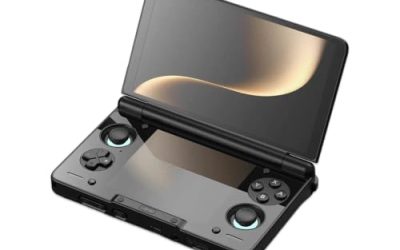
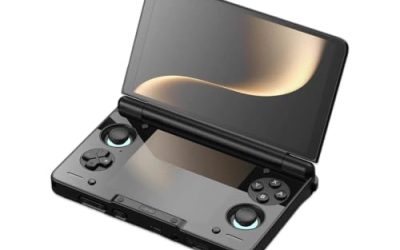
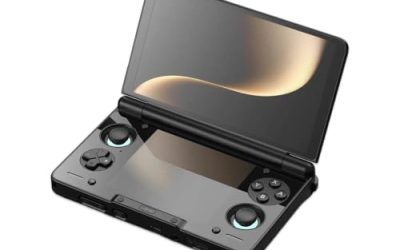
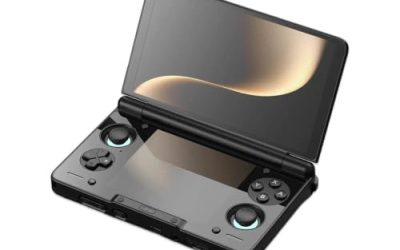
The Thor Pro pairs a Snapdragon 8 Gen 2 with a 6.31-inch AMOLED main display and a 3.92-inch AMOLED second screen, running Android 13 with hall effect sticks and triggers. For this genre it is the complete package. The PS2 skate library, including Tony Hawk’s Underground, Underground 2 and American Wasteland, runs at full speed through NetherSX2 with headroom to spare, and the GameCube versions follow through Dolphin. That headroom also buys run-ahead in the PS1 originals, tightening the original Pro Skater games noticeably.
The second screen earns its keep in an unexpected way: park editor references, goal lists and move lists can sit below while the run continues above. The honest costs are size and weight, since this is the largest device here, and complete overkill for the GBA and PS1 library, where the smallest pick on this list does the same job in a third of the space.
Retroid Pocket 5: The All-Rounder Most Players Should Buy
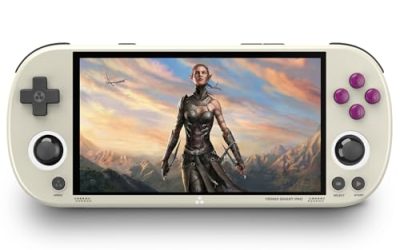
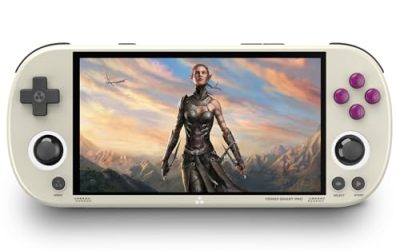
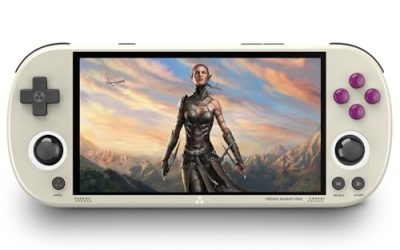
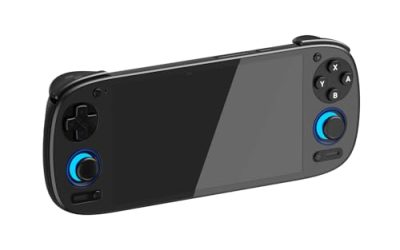
The Retroid Pocket 5 runs a Snapdragon 865 with a 5.5-inch AMOLED 1080p display, 8GB of RAM and hall effect sticks. It covers the genre’s full arc: the PS1 trilogy that started it, the Dreamcast versions, Tony Hawk’s Pro Skater 3 and 4 on PS2 and GameCube, and the Underground games, all at full speed in their respective emulators. The D-pad sits above the left stick in the layout skate games were mapped for, and it is precise enough for special-trick inputs.
At 280 grams it stays comfortable through the long score-attack sessions this genre encourages, and the AMOLED panel keeps the darker warehouse and night levels readable. The only real gap to the Thor Pro is headroom: the most demanding GameCube titles may ask for settings care where the flagship simply powers through, and there is no second screen for reference material.
Anbernic RG556: AMOLED on a Smaller Budget

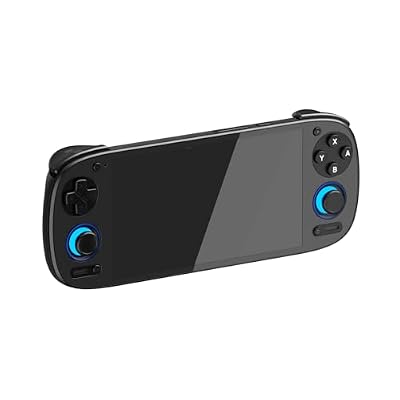
The RG556 combines a Unisoc T820 with a 5.48-inch AMOLED 1080p screen and hall effect sticks. Its natural territory is the genre’s first two eras: the PS1 Pro Skater games run flawlessly, the Nintendo 64 versions of Pro Skater 1 and 2 play well, and the Dreamcast ports, often considered the definitive editions of the first two games, are comfortably within reach. PSP skating, including the portable Tony Hawk ports, also holds up.
PS2 is where honesty is required. Lighter PS2 skate titles are playable, but the Underground games will test the T820 in ways the Snapdragon picks above shrug off. What you get in return is that AMOLED panel, which flatters the series’ shadowed indoor parks, and an ergonomic shell that suits long sessions. Buy it when your shelf is PS1, Dreamcast and PSP first and PS2 is a bonus rather than the main event.
Anbernic RG406H: The 4:3 Purist Pick

The RG406H uses the same Unisoc T820 as the RG556 but pairs it with a 4.0-inch IPS display at 960 by 720, a native 4:3 panel. That shape is the argument. The original Pro Skater games were built for 4:3 televisions, and on this screen they fill the display exactly as designed, with no pillarboxing and no stretching, at a resolution that keeps early 3D geometry clean. The stacked shoulder buttons also land naturally under the fingers for the shoulder-button reverts and spine transfers the PS1 games use.
The trade-offs are the IPS panel’s weaker blacks compared with the AMOLED picks and the same T820 ceiling on PS2. Neither matters much if your skate library is the PS1 trilogy, the N64 ports and 720 Degrees on Game Boy Color. For that shelf, this is the most faithful-feeling handheld here, and its compact body travels better than the widescreen picks.
Miyoo Mini Plus: The Pocket Skate Pick
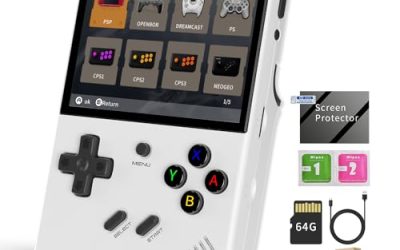
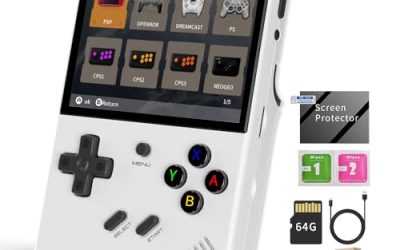
The Miyoo Mini Plus is a small Linux handheld with a 3.5-inch 640 by 480 screen and no analog sticks, and it owns one specific corner of this genre outright: Tony Hawk’s Pro Skater 2 on Game Boy Advance. That isometric port is a classic in its own right, built for a D-pad from the ground up, and it plays perfectly here. Add the PS1 Pro Skater games at original resolution, Skate or Die on NES and the Game Boy Color skate titles, and the pocket pick covers more of the genre’s history than its size suggests.
Onion OS makes it a grab-and-go device, with quick resume straight back into a run. The limits are firm: no Underground, no Dreamcast, no analog steering, and the small screen makes the PS1 games’ distant goals harder to read. Treat it as a dedicated pocket skate machine for the eras it fits, not as a budget substitute for the Android picks.
How to Choose
Work backwards from the games you actually play. If your shelf is the PS1 trilogy and the handheld ports, the Miyoo Mini Plus and RG406H cover it at two sizes, and the RG406H adds the correct screen shape and shoulder layout. If the Dreamcast and PSP versions matter, the RG556 is the entry point with an AMOLED bonus. If Underground and American Wasteland are the goal, only the Retroid Pocket 5 and Thor Pro run them without argument, and the choice between them is size and the second screen versus value and portability.
Then think about input style. Players who learned these games on a D-pad should prioritize pad quality, which favors the Retroid Pocket 5 and RG406H layouts. Players coming from the later analog-steered games should weight stick quality more heavily. Either way, avoid judging by benchmark scores alone: a handheld that holds a locked frame rate with run-ahead enabled will feel better in this genre than a stronger one that cannot.
Who Should Skip These Picks
Skip the Miyoo Mini Plus if any PS2 or GameCube skating is on your list, and skip both T820 machines if the Underground games are your main reason for buying. Skip this whole list if your interest is the modern end of the genre, since the Skate series and the Tony Hawk remakes belong to current platforms and PC rather than retro emulation. Players who compete for high scores on original hardware with a CRT will also find any emulation handheld a compromise, however good its latency handling is.
Frequently Asked Questions
Which Tony Hawk games run best on retro handhelds?
The PS1 trilogy and the Game Boy Advance version of Pro Skater 2 run well on every pick here. Pro Skater 3 and 4 need the RG556 or stronger, and the Underground games and American Wasteland are best reserved for the Retroid Pocket 5 and AYN Thor Pro.
Is a D-pad or an analog stick better for Tony Hawk games?
The classic games were designed for a D-pad, with tricks entered as directional taps, so a precise pad matters most for the PS1 and PS2 entries. The later open-world games steer more naturally on a stick. The strongest picks here offer both rather than forcing a compromise.
Can these handhelds run the Dreamcast versions of Pro Skater?
Yes. The Dreamcast ports of the first two games are often considered the definitive editions, and they run well on the RG556, RG406H, Retroid Pocket 5 and Thor Pro through Flycast. The Miyoo Mini Plus does not emulate Dreamcast.
Why does input lag matter so much in skateboarding games?
Combos are timed chains: the ollie, the grind balance and the manual window all punish late inputs. Extra latency breaks the rhythm those systems are built on, which is why emulator run-ahead support and a handheld with processing headroom make a real difference in this genre.
Final Verdict
The Retroid Pocket 5 is the default recommendation, covering every era of retro skating with the controls the genre demands. The Thor Pro adds power and a second screen for players who want the PS2 and GameCube library without compromise. The RG556 brings AMOLED to a lower tier, the RG406H is the faithful 4:3 home for the originals, and the Miyoo Mini Plus proves the GBA and PS1 corner of the genre fits in a pocket. Pick by the era you play most, and every game on that shelf will feel right.
Product and ASIN Reference
| Product | ASIN |
|---|---|
| AYN Thor Pro | B0FV3HKG9P |
| Retroid Pocket 5 (Black) | B0DT4G4PD2 |
| Anbernic RG556 (Blue) | B0FKHBVGLQ |
| Anbernic RG406H (White) | B0DNF3LD4C |
| Miyoo Mini Plus | B0CGV6CQPL |