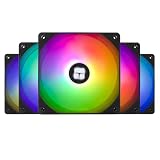
- Top Pick: Thermalright 5 Pack TL-C12C-S CPU Fan 120mm ARGB Case Cooler Fan, 4pin PWM Silent Computer Fan with S-FDB Bearing Included, up to 1550RPM Cooling Fan(5 Quantities)
- Best Value: Thermalright TL-C12C-S X5 CPU Fan 120mm ARGB Case Cooler Fan, 4pin PWM Silent Computer Fan with S-FDB Bearing, up to 1550RPM (5 Pack)
- Premium Choice: ARCTIC P12 PWM PST (5 Pack) – PC Fans, 120mm Case Fan, PWM Sharing Technology (PST), Pressure-optimised, Quiet Motor, Computer, 200–1800 RPM (0 RPM <5%) – Black
Keeping your components cool is one of the least glamorous but most important parts of building a great gaming PC. The right PC cooling fan lowers temperatures, protects performance under load, and can dramatically cut the noise your rig makes during intense sessions. This guide breaks down the best PC cooling fans for 2026, covering airflow, static pressure, and noise so you can dial in the perfect setup.
As an Amazon Associate I earn from qualifying purchases.
As an Amazon Associate we earn from qualifying purchases at no extra cost to you.



🛒 Best Price Today on Amazon
Prime members get fast, free shipping on everything above, plus member-only deals. New members get a 30-day free trial — cancel anytime.
How PC cooling fans actually affect performance
Modern CPUs and GPUs throttle themselves when they get too hot, so effective PC cooling directly protects the frame rates you paid for. Good case airflow also extends component lifespan and keeps fan noise down. The two key specs are airflow (CFM) for moving air through the case and static pressure for pushing air through radiators and filters. The table compares five popular fans, and the sections below explain where each excels. For the bigger picture, see our PC airflow guide.
| Product | Best For | Standout Feature | Rating |
|---|---|---|---|
| Noctua NF-A12x25 | Balanced airflow & silence | Tight-tolerance blades | 4.9/5 |
| Arctic P12 PWM PST | Budget static pressure | Daisy-chain PWM | 4.7/5 |
| Corsair iCUE Link QX120 | RGB ecosystems | Single-cable linking | 4.6/5 |
| be quiet! Silent Wings 4 | Near-silent builds | Vibration-damping mounts | 4.8/5 |
| Lian Li Uni Fan SL-Infinity | Show builds | Interlocking design | 4.6/5 |
Choosing the right PC cooling fan for the job
Not every fan suits every position. Case intake and exhaust fans prioritize high airflow to move a large volume of air, while fans mounted on radiators or restrictive dust filters need higher static pressure to push through resistance. Matching the fan to its role is the single biggest factor in cooling efficiency. Getting your case fan configuration right matters as much as the fans themselves, as our case fan setup guide explains.
Noctua NF-A12x25
Widely regarded as one of the best all-round PC cooling fans ever made, the NF-A12x25 balances excellent airflow and static pressure with remarkably low noise. Its tight blade-to-frame tolerances give it versatility for cases and radiators alike. The signature brown-and-beige color is divisive and the price is high, but performance is class-leading. It pairs well with a quality CPU cooler from our cooling hardware roundup.
Arctic P12 PWM PST
For builders on a budget, the Arctic P12 delivers strong static pressure at a fraction of premium prices, making it excellent for radiators and filtered intakes. The PST daisy-chaining simplifies cable management across multiple fans. Build quality is good rather than luxurious, but the value is outstanding when you need several fans without breaking the bank.
be quiet! Silent Wings 4
As the name promises, these fans focus on near-silent operation without sacrificing meaningful airflow. The vibration-damping mounts and refined motor keep noise impressively low even at higher RPM. They cost more than average and lack RGB, but for anyone building a quiet office or bedroom rig, the acoustic performance is exceptional.
Airflow, noise, and RGB: balancing your PC cooling fan choices
Cooling is a balance between temperature, noise, and looks. Chasing the lowest possible temps can mean a louder rig, while prioritizing silence may require more fans running slower. RGB models add flair but sometimes cost airflow performance. Decide which matters most for your space before buying. If aesthetics rank high, coordinate your fans with lighting from our RGB lighting ideas.
Corsair iCUE Link QX120
The iCUE Link system slashes cable clutter by connecting fans through a single chain, and the RGB integrates cleanly with other Corsair gear. Airflow and pressure are solid for a lighting-focused fan. It requires the iCUE Link hub and ecosystem buy-in, which adds cost, but for tidy, synchronized RGB builds it is a compelling option.
Lian Li Uni Fan SL-Infinity
These interlocking fans click together to reduce wiring and create striking dual-sided RGB effects that show off beautifully in glass cases. They are a favorite for showpiece builds. Raw cooling performance trails dedicated airflow fans like the Noctua, and the proprietary connectors lock you in, but for visual impact they are hard to beat.
Setting up a PC cooling fan curve
Whichever fans you choose, tuning a custom fan curve in your motherboard software or a controller lets you keep the system quiet at idle and ramp up cooling under load. A gentle curve that only spins up when temperatures climb gives you the best of both worlds. Our BIOS and tuning guide walks through configuring curves safely.
The best PC cooling fan for you depends on where it sits and what you value. Prioritize airflow for case ventilation, static pressure for radiators, and low-noise designs if silence matters. Match the fan to its role, tune a sensible fan curve, and your gaming PC will run cooler, quieter, and more reliably for years.
Frequently Asked Questions
What is the difference between airflow and static pressure fans?
Airflow fans move a large volume of air and suit open case intake and exhaust positions, while static pressure fans push air through resistance like radiators and dense dust filters. Some fans, such as the Noctua NF-A12x25, balance both. Match the fan type to its mounting location to get the most effective cooling for your build.
How many PC cooling fans does a gaming PC need?
Most gaming builds run well with three to five fans: one or two intakes at the front, one exhaust at the rear, and additional top fans or radiator fans depending on your cooler. The goal is a slight positive pressure balance to reduce dust while maintaining strong airflow across hot components.
Do RGB PC cooling fans cool as well as non-RGB ones?
Some RGB fans prioritize looks over raw performance, so they can trail dedicated airflow fans slightly. However, many modern RGB fans cool very capably. If temperatures are your top priority, check independent airflow and static pressure figures; if aesthetics matter most, a small performance trade-off for great lighting is usually acceptable.
Can better PC cooling fans reduce noise?
Yes. High-quality fans with refined motors and vibration-damping mounts, like the be quiet! Silent Wings 4, move air efficiently at lower speeds, which lowers noise. Pairing good fans with a tuned fan curve that only ramps under load keeps your system quiet at idle while still cooling hard when gaming.