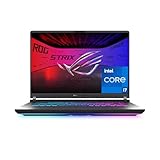
- Top Pick: ASUS ROG Strix G16 (2025) Gaming Laptop, 16” FHD+ 16:10 165Hz/3ms, NVIDIA® GeForce RTX™ 5060, Intel® Core™ i7 Processor 14650HX, 16GB DDR5, 1TB Gen 4 SSD, Wi-Fi 7, Windows 11 Home, G615JMR-AS74
- Best Value: NIMO 17.3" Gaming-Laptop, AMD Ryzen 7 8745HS (Up to 4.9GHz Beat R9 7940HS) 32GB RAM 1TB SSD Radeon 780M, USB 4.0 FHD PC for AI Multitasking & Remote Video Creators Streaming 2-Yr Warranty
- Premium Choice: 2026 AMD Gaming Laptop with Ryzen 7 5700U Processor(8C/16T, Up to 4.3GHz), 15.6" Display Gaming Computer, AMD Radeon™ Graphics, 16GB RAM 512GB NVMe SSD, BK, WiFi 6, HDMI, Type-C, Webcam Cover Slide
Shopping for a laptop that can handle both AAA gaming and demanding creative work is trickier than it looks. Most machines lean hard in one direction — either a gaming rig with a mediocre display for color-accurate editing, or a “creator” laptop that throttles the moment you launch a modern title. Add in confusing GPU naming, inconsistent RAM configurations, and thermal designs that vary wildly between brands, and it’s easy to overspend on the wrong specs or underspend on the ones that actually matter.
This guide breaks down six current gaming-and-editing laptops for 2026, from budget-friendly Ryzen builds to RTX 5070 Ti powerhouses, so you can match the right machine to your workload — whether that’s ray-traced gaming, 4K video editing, or juggling both in the same afternoon.


Prime
Editor's Pick
2026 15.6" FHD Gaming Laptop: AMD Ryzen 7 6800H 45W TDP, 32GB RAM, 1TB NVMe SSD, Windows 11 Pro, Keyboard, 6 Ports, Lightweight 3.5lb for Gaming, Students, Programming, Video Editing
View on Amazon.com


As an Amazon Associate we earn from qualifying purchases at no extra cost to you.




🎮 Get More From Your Setup — Free
Prime Gaming gives you free PC games every month, in-game loot, and a free Twitch channel sub — plus fast free shipping on all the gear above. New members get a 30-day free trial.
Watch: Best Laptop For Gaming And Editing — Video Review
How to Choose a Laptop For Gaming And Editing (2026)
- GPU: For gaming and GPU-accelerated editing (Premiere, DaVinci Resolve), prioritize a dedicated NVIDIA RTX 5060 or higher; integrated graphics like Radeon 780M work for light editing but struggle with modern AAA titles at high settings.
- CPU: Video encoding and multitasking benefit from high core counts — look for Intel Core i7/Core 7 or AMD Ryzen 7/9 chips with strong multi-threaded performance, not just high clock speeds.
- RAM and storage: 16GB is the practical minimum for editing timelines and modern games simultaneously; 32GB is safer for 4K footage or heavy Chrome-and-Premiere multitasking, paired with at least 1TB of Gen 4 NVMe SSD.
- Display quality: A high-refresh panel (144Hz+) matters for competitive gaming, but color accuracy and resolution (WQXGA or higher) matter more for editing — the best all-rounders don’t sacrifice one for the other.
- Thermals and battery life: Sustained performance under load depends on cooling design, not just spec sheets; check for dual-fan or vapor-chamber cooling if you plan to render or game for extended sessions.
The Best Laptop For Gaming And Editing (2026)s Reviewed
ASUS ROG Strix G16
The Strix G16 pairs an RTX 5060 with a 165Hz 16:10 display, giving you both the frame rates for gaming and the extra vertical screen real estate editors appreciate in timeline-heavy software. The i7-14650HX and Gen 4 SSD make it a strong all-rounder for creators who also want a legitimate gaming rig.
NIMO 17.3″ Gaming Laptop
With 32GB of RAM and a Ryzen 7 8745HS, the NIMO is built for multitaskers — think streamers running OBS alongside a game, or editors scrubbing through timelines while exporting in the background. The large 17.3″ panel and USB4 connectivity add welcome flexibility for external displays and fast storage.
ASUS V16 Gaming Laptop
The V16 targets buyers who want RTX 5060 gaming performance in a more understated, matte-black creator-friendly shell. Its 144Hz WUXGA display and Intel Core 7 240H processor strike a sensible balance between smooth gameplay and everyday editing responsiveness.
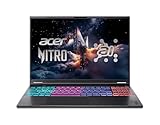
Acer Nitro 16S AI Copilot+ PC
This is the clear top-tier pick: an RTX 5070 Ti GPU, 32GB of DDR5, and a 2TB Gen 4 SSD make it capable of serious 4K editing and ray-traced gaming without compromise. The 180Hz WQXGA IPS display is sharp enough for color work and fast enough for competitive play.
2026 AMD Gaming Laptop (Ryzen 7 5700U)
This is the budget option in the lineup — integrated AMD Radeon graphics and a Ryzen 7 5700U mean it’s better suited to esports titles and light editing than demanding AAA games or 4K timelines. It’s a reasonable entry point if your workload is modest and your budget is tight.
Frequently Asked Questions
Do I need a dedicated GPU for video editing?
Not always, but it helps significantly. GPU acceleration speeds up rendering, effects previews, and export times in software like Premiere Pro and DaVinci Resolve, and it’s required for any serious gaming performance.
How much RAM do I actually need?
16GB is workable for casual editing and gaming, but 32GB is the more future-proof choice if you work with 4K footage, run multiple creative apps simultaneously, or want headroom for background tasks like streaming.
Is a 17-inch or 16-inch laptop better for editing?
Larger 17-inch panels give you more screen space for timelines and panels, but 16-inch laptops are more portable and often have higher refresh rates or better color calibration — the right choice depends on whether you edit at a desk or on the go.
Will these laptops overheat during long gaming or render sessions?
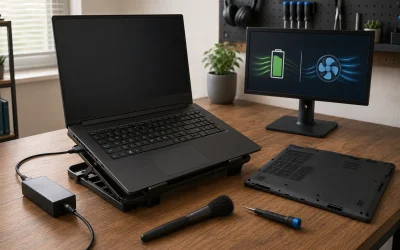
Modern gaming laptops with dedicated cooling systems handle sustained loads well, but performance can dip under extended stress. Using a cooling pad and keeping vents unobstructed helps maintain consistent clock speeds during long sessions.
Final Thoughts
For most buyers who split time between gaming and editing, the ASUS ROG Strix G16 offers the best balance of price and performance. Those with heavier creative workloads or a taste for high-end gaming should stretch toward the Acer Nitro 16S with its RTX 5070 Ti, while multitaskers and streamers will get excellent value from the RAM-rich NIMO 17.3″.