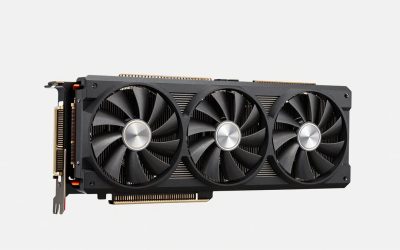
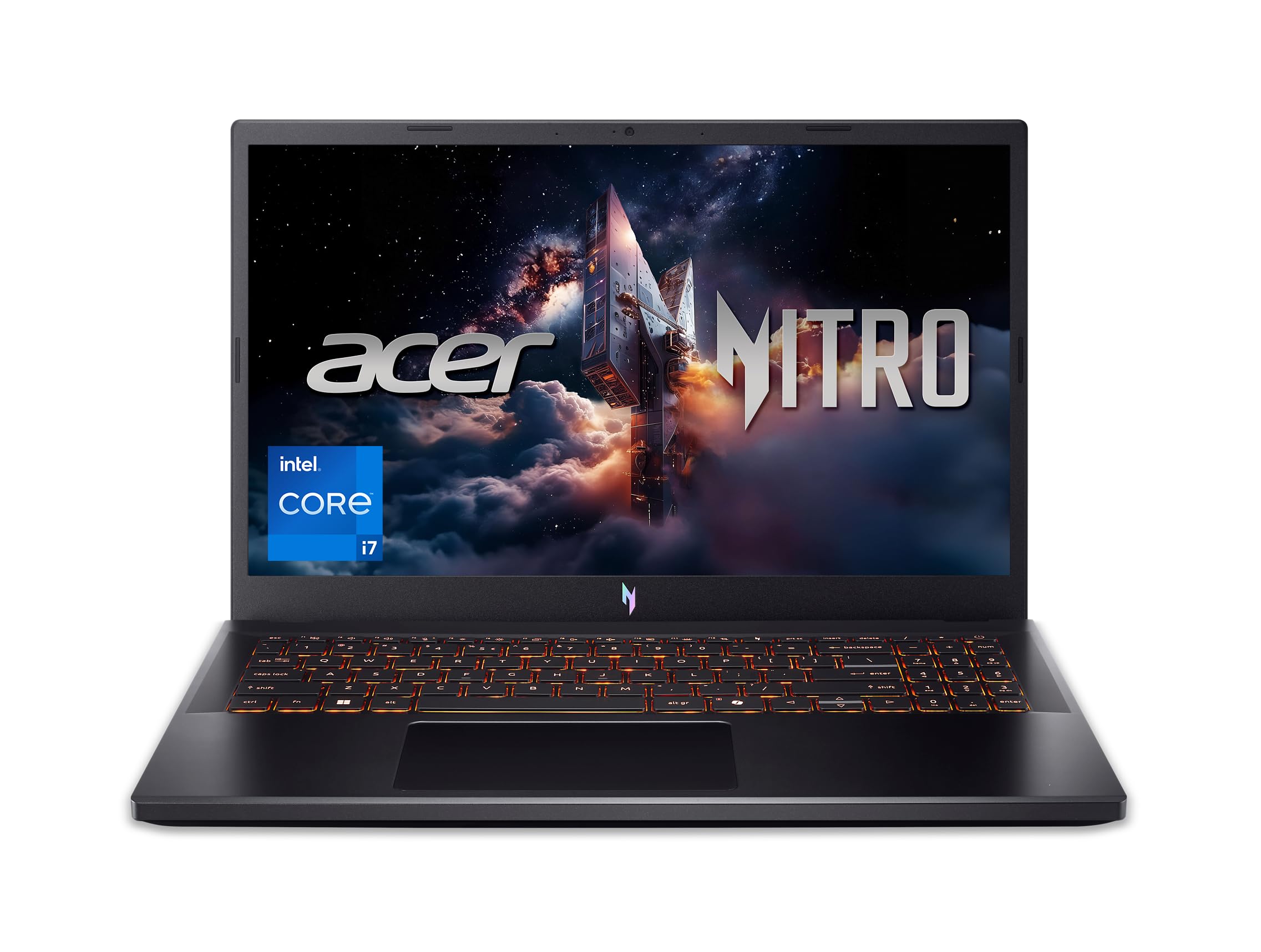
- Top Pick: Acer Nitro V 17 AI Gaming Laptop | AMD Ryzen 7 260 Processor | NVIDIA GeForce RTX 5060 Laptop GPU (572 AI Tops) | 17.3" FHD IPS 180Hz Display | 16GB DDR5 | 1TB Gen 4 SSD | Wi-Fi 6E | ANV17-41-R0FJ
- Best Value: NIMO 17.3" Light Gaming Laptop, AMD Ryzen 7 7735HS, 16GB DDR5 512GB RAM
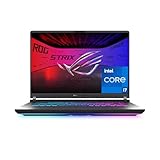
- Premium Choice: NIAKUN 17.3" Gaming Laptop Computer, 16GB RAM 512GB SSD, Core i5-7Y57
Affiliate disclosure: As an Amazon Associate we earn from qualifying purchases. This post contains affiliate links — if you buy through them we may earn a small commission at no extra cost to you. This never affects our recommendations.
As an Amazon Associate we earn from qualifying purchases at no extra cost to you.



In a hurry? See the top-rated 17-Inch Gaming Laptop deals available right now:
🛒 Check 17-Inch Gaming Laptop Prices on Amazon →🛒 Best Price Today on Amazon
Prime members get fast, free shipping on everything above, plus member-only deals. New members get a 30-day free trial — cancel anytime.
Start 30-Day Prime Free Trial →See Today’s Amazon DealsQuick Picks
| Laptop | GPU | Display | Best For | Price Range |
|---|---|---|---|---|
| ASUS ROG Strix SCAR 17 | RTX 4080 | QHD+ 240Hz | Best Overall | $$$$ |
| Razer Blade 17 RTX 4070 | RTX 4070 | QHD 165Hz | Best Design | $$$$ |
| Lenovo Legion 7i 17 | RTX 4070 | 165Hz IPS | Best Value | $$$ |
| MSI Titan GT77 HX | RTX 4090 | 1440p 144Hz | Desktop Replacement | $$$$$ |
| Acer Predator Helios 17X | RTX 4080 | 240Hz | Best Cooling | $$$$ |
17-Inch vs 15-Inch: Why Choose the Larger Form Factor
The 15-inch category dominates sales because it hits the sweet spot between portability and screen real estate. So why go bigger?
The answer is almost always performance headroom and usability. A 17-inch chassis gives engineers more room to work with — wider vapor chambers, additional heat pipes, larger fan blades, and better airflow routing. That extra space matters when you’re sustaining triple-digit frame rates in demanding titles for hours on end.
The display argument is equally strong. Gaming at QHD or higher resolution on a 17-inch panel delivers a meaningfully different experience than the same resolution on a 15-inch screen. Text is sharper without being microscopic, UI elements scale better at native resolution, and fast-paced games benefit from the wider field of view. If you’re running competitive shooters, strategy games with dense UI, or creative workloads alongside gaming, the screen size pays dividends every single session.
Workflow flexibility is the third reason. These machines replace desktops for a growing segment of users — professionals who travel occasionally but primarily work at a desk. The 17-inch form factor accommodates a full numpad, wider speaker placement, and more generous keyboard travel. For anyone doing video editing, 3D rendering, or development alongside gaming, that extra screen and desk presence reduces the need for an external monitor.
The trade-off is real: 17-inch laptops average 500–800g heavier than their 15-inch siblings and draw more power, meaning smaller batteries that drain faster under load. If you’re commuting daily with your machine, that weight adds up. But if your laptop lives mostly at a desk with occasional travel, the 17-inch tier is simply the better machine.
Thermal Advantage: How Extra Chassis Space Helps at 17″
Heat is the enemy of sustained GPU and CPU performance. When a gaming laptop throttles, frame rates drop, frame times spike, and the experience degrades — sometimes significantly below what the spec sheet implies.
The 17-inch advantage here is concrete. Larger chassis allow manufacturers to fit dual 70–80mm fans instead of the 65–70mm units common in 15-inch designs. Bigger fans move more air at lower RPM, which means quieter operation at equivalent cooling capacity. More critically, longer heat pipes and wider vapor chambers distribute heat across a larger surface area before it reaches the exhaust vents.
In practice, this translates to better sustained performance. An RTX 4080 in a well-designed 17-inch chassis like the ASUS ROG Strix SCAR 17 can sustain closer to its 175W TGP ceiling than the same GPU shoehorned into a 15-inch body. The delta isn’t always dramatic in benchmark snapshots, but in 60-minute gaming sessions or sustained rendering workloads, the 17-inch machine typically runs 5–15°C cooler and maintains higher average clock speeds.
MXM-style thermal designs with quad-fan configurations — as found on the MSI Titan GT77 HX — push this further. When cooling infrastructure matches GPU tier, you get desktop-class sustained performance. That’s the core promise of the 17-inch desktop-replacement category.
Top 5 Picks
1. ASUS ROG Strix SCAR 17 — Best Overall
ASUS ROG Strix SCAR 17
The SCAR 17 is the best-rounded 17-inch gaming laptop you can buy in 2026. ASUS pairs an RTX 4080 with a QHD+ 240Hz display that covers 100% DCI-P3, delivering a panel that’s genuinely competitive with standalone monitors. The Nebula HDR display option pushes brightness high enough to make HDR content actually meaningful — rare for a laptop screen.
Performance is the headline. The SCAR 17’s thermal solution uses a tri-fan design with liquid metal compound on the CPU die, sustaining GPU TGP at 175W under prolonged load without significant throttling. Frame rates in demanding titles like Cyberpunk 2077 at Ultra settings hover in the 80–100 FPS range at QHD+, which is exceptional for a portable machine.
The keyboard is a highlight — per-key RGB, satisfying travel depth, and an optical-mechanical switch option that competitive players will appreciate. Build quality leans toward aggressive gaming aesthetics with the RGB strip along the base, which won’t suit everyone but is well-executed for its audience.

Battery life is the predictable weakness: expect 2–3 hours of light use. The 90Whr battery is near the regulatory carry-on limit, and the GPU is power-hungry. Weight sits at approximately 2.6 kg, reasonable for the tier.
Best for: Gamers who want the highest possible performance in a 17-inch package without going full workstation tier.
2. Razer Blade 17 RTX 4070 — Best Design
Razer’s industrial design philosophy applied to a 17-inch chassis produces something unusual: a gaming laptop that looks at home in a boardroom. The CNC-machined aluminum body, single-color backlit keyboard, and clean black finish make the Blade 17 the most visually restrained machine in this roundup — and for many buyers, that’s a significant feature.
The QHD 165Hz display is excellent. Color accuracy out of the box is the best here, making the Blade 17 a legitimate option for content creators who game. Razer’s display calibration is thorough, and the panel’s sRGB and DCI-P3 coverage satisfies both gaming and color-critical workflows.
RTX 4070 performance delivers strong 1080p and capable QHD frame rates. The GPU won’t match the 4080-equipped machines in this list, but for most gaming workloads — including competitive titles where high frame rates matter most — the 4070 is more than sufficient. Razer’s thermal design is competent, if not exceptional; the Blade 17 runs warmer than the SCAR 17 under sustained load but manages it acceptably.
The real cost of the Razer premium is price. The Blade 17 charges significantly more than the Lenovo Legion 7i for comparable GPU performance. You’re paying for build quality, design, and brand positioning — that’s a legitimate value proposition for some buyers, but it should be acknowledged clearly.
Best for: Professionals who want a high-quality 17-inch gaming machine that doesn’t announce itself as one.
3. Lenovo Legion 7i 17 — Best Value
The Legion 7i 17 is where the 17-inch category makes the most financial sense. Lenovo’s thermals are legitimately excellent — the Coldfront 5.0 system with quad-fan configuration and improved vapor chamber keeps the RTX 4070 running cool and consistent, often outperforming pricier machines in sustained workload benchmarks.
The 165Hz IPS display is accurate and fast. It’s not the brightest panel in this roundup, but it covers the color gamuts that matter and the 165Hz refresh rate is plenty for the RTX 4070’s output. Lenovo includes a proper MUX switch and Nvidia Advanced Optimus, which meaningfully improves gaming performance by bypassing the iGPU when needed.
Build quality is solid without being exceptional. The Legion 7i uses a mix of aluminum and reinforced plastic — it feels appropriately premium for its price, not luxurious. The keyboard is good, with dedicated media keys and a separate numpad. Connectivity is strong: Thunderbolt 4, USB-A ports, HDMI 2.1, and SD card reader are all present.
At its price point, the Legion 7i 17 represents the clearest value proposition in the 17-inch segment. You’re getting 90% of the performance of significantly more expensive machines at a meaningfully lower cost.

Best for: Budget-conscious buyers who want excellent 17-inch gaming performance without overpaying for branding or aesthetics.
4. MSI Titan GT77 HX — Desktop Replacement Champion
MSI Titan GT77 HX
The Titan GT77 HX isn’t trying to be portable. It’s a desktop transplanted into a laptop chassis, and it executes that mandate better than anything else on this list. The RTX 4090 at 175W+ TGP delivers frame rates that no other laptop GPU can match — at 1440p 144Hz, this machine rarely sees its display as a bottleneck.
The Core HX CPU series paired with DDR5 memory and PCIe Gen 5 SSD support gives the Titan GT77 HX workstation-grade throughput. 3D rendering, video encoding, and machine learning inference are genuinely fast on this machine — not fast “for a laptop,” just fast. Creatives who need maximum compute alongside gaming should put this at the top of the list.
MSI’s Cooler Boost Titan system uses multiple fans and comprehensive heat pipe routing. Under full CPU+GPU load, temperatures stay controlled, though fan noise is significant. Expect the fans to be audible during gaming; this is not a quiet machine.
The compromises are predictable and severe. The Titan GT77 HX weighs over 3.3 kg and requires a 330W brick. Battery life is measured in minutes under gaming load. This is a machine that lives at a desk, connected to power, with external speakers, because the machine’s speakers are adequate but not exceptional.
Best for: Users who want maximum performance above all else and won’t be moving the machine regularly.
5. Acer Predator Helios 17X — Aggressive Cooling Pick
Acer Predator Helios 17X
The Helios 17X is Acer’s answer to the question: what if thermal engineering was the primary design goal? The result is a machine with the most aggressive cooling solution in this roundup short of the Titan GT77 HX — quad-fan design, multiple heat pipes, and a chassis that prioritizes airflow vents over aesthetics.
The RTX 4080 benefits from this approach. Sustained performance numbers on the Helios 17X match or beat the ASUS SCAR 17 in extended load tests, and the machine runs cooler under combined CPU+GPU workloads. The 240Hz display is fast and capable, though color accuracy and brightness fall slightly behind the SCAR 17’s panel.
The chassis design is unapologetically aggressive — angular vents, bold branding, and RGB lighting throughout. This is a machine for users who want their hardware to look like gaming gear. Build quality is good but not premium; there’s some flex in the display lid, and the plastic elements feel less refined than the ASUS or Razer offerings.
Value positioning sits between the Legion 7i and the SCAR 17. For buyers who want 4080 performance with strong thermals at a slight discount to ASUS’s flagship, the Helios 17X delivers.
Best for: Thermal-conscious gamers who want 4080 performance with maximum sustained output, at a slight discount to the ASUS flagship.
Comparison Table
| Laptop | GPU | Display | Refresh | Weight | TGP | Value Score |
|---|---|---|---|---|---|---|
| ASUS ROG Strix SCAR 17 | RTX 4080 | QHD+ Nebula HDR | 240Hz | 2.6 kg | 175W | 9.2/10 |
| Razer Blade 17 | RTX 4070 | QHD | 165Hz | 2.75 kg | 140W | 8.1/10 |
| Lenovo Legion 7i 17 | RTX 4070 | 165Hz IPS | 165Hz | 2.7 kg | 140W | 9.4/10 |
| MSI Titan GT77 HX | RTX 4090 | 1440p | 144Hz | 3.3 kg | 175W+ | 8.8/10 |
| Acer Predator Helios 17X | RTX 4080 | 240Hz | 240Hz | 2.9 kg | 175W | 8.6/10 |
What to Look For
GPU Tier
At the 17-inch level, there’s a clear performance break between the RTX 4070 and 4080. The 4070 handles most gaming workloads at QHD with high settings and is the sensible choice if budget is a consideration. The 4080 unlocks maxed-out settings at QHD and comfortable performance at higher resolutions. The 4090 in the Titan GT77 HX is genuinely in a different tier — reserve it for users who need maximum GPU compute alongside gaming.
TGP matters as much as GPU model. An RTX 4080 at 120W will underperform an RTX 4070 at 140W in sustained workloads. Confirm the TGP spec before purchasing, and look for machines that list their maximum sustained TGP, not just the peak burst figure.
Display Quality
Refresh rate gets the marketing attention, but panel quality determines whether you’ll enjoy using the display for non-gaming tasks. Look for at least 100% sRGB coverage, ideally 90%+ DCI-P3. Peak brightness above 400 nits matters if you use the machine near windows. Response time under 5ms is adequate for most gaming; competitive players should target 3ms or less.
The QHD (2560×1440) resolution is the right target for 17-inch gaming panels. 4K at 17 inches produces diminishing returns in gaming due to the rendering overhead, and 1080p at 17 inches is visibly soft at normal viewing distances.
Weight and Portability
Expect 17-inch gaming laptops to weigh between 2.5 and 3.5 kg depending on chassis construction and cooling ambition. Add 500–800g for the power brick. If you’re traveling regularly, the RTX 4070 machines in this tier weigh meaningfully less than 4080/4090 configurations while still delivering capable gaming performance.
Battery Life
Battery life on 17-inch gaming laptops under gaming load is universally poor — 1 to 2.5 hours is the realistic range. Under light tasks with the discrete GPU disabled, modern MUX switch implementations can stretch battery to 4–6 hours. If battery life matters to your workflow, the Lenovo Legion 7i 17 manages power draw most efficiently in this roundup.
Verdict
For most buyers, the ASUS ROG Strix SCAR 17 is the best 17-inch gaming laptop in 2026. It combines the RTX 4080 with one of the best laptop displays on the market, a proven thermal design, and build quality that justifies its price. It’s the machine that makes the strongest case for the 17-inch form factor as a whole.
If budget is a priority, the Lenovo Legion 7i 17 delivers genuinely excellent performance with best-in-class thermals at a significantly lower price — the GPU performance delta versus the 4080 machines is real but smaller than the price gap.
If maximum performance is the only metric that matters, the MSI Titan GT77 HX is without peer at the 17-inch tier. Just make sure your desk is ready for what arrives.
Prices and availability vary. Affiliate links above support gamingpcguru.com at no additional cost to you.
Related Articles
Looking for more on this topic? Browse the hand-picked guides below — each one applies the same scoring rubric used in this review.
Frequently Asked Questions
What is the best gaming laptop 17 inch in 2026?
The best gaming laptop 17 inch depends on your budget and how you plan to use it. The options compared above are our top-rated picks based on real customer ratings, build quality, and overall value — start with the highest-rated model that fits your budget.
How much should I expect to spend on a gaming laptop 17 inch?
Prices vary by brand and features. Budget options cover the essentials, while mid-range and premium models add durability, performance, and extra features. Compare the prices in the list above to find the best value for your needs.
What should I look for when buying a gaming laptop 17 inch?
Focus on what matters most for your use case — build quality, compatibility, performance, warranty, and verified customer reviews. Every pick above is selected to balance these factors.
Are budget gaming laptop 17 inch options worth it?
Yes. For most people a well-reviewed budget or mid-range gaming laptop 17 inch delivers excellent value. You only need to spend more if you specifically require premium materials or top-tier performance.
How did we choose these gaming laptop 17 inch picks?
We compare current Amazon ratings, review counts, key features, and price to surface the options with the best real-world value. The list is refreshed as ratings and availability change.