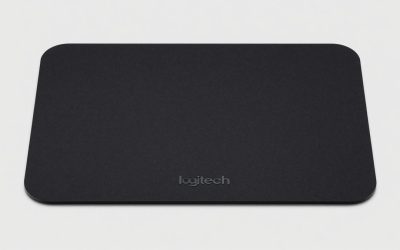
- Top Pick: Logitech G440 Hard Gaming Mouse Pad (340x280x5) – Black
- Best Value: Glass Mousepad with Hard Surface for Gaming, Ultra Smooth Mousepad, Water-Resistant Large Mouse Pad Precision Speed Control for Esport Games/Office, (Black 15.7’’×11.8’’)
- Premium Choice: Seihoo Mouse Pad, Resin Hard Surface Mouse Mat Polymer Silicone Bottom Gaming Mousepad No Smell Waterproof for Games, Office 24 x 20cm (9.5 x 7.8in)
Affiliate disclosure: As an Amazon Associate we earn from qualifying purchases. This post contains affiliate links — if you buy through them we may earn a small commission at no extra cost to you. This never affects our recommendations.
As an Amazon Associate we earn from qualifying purchases at no extra cost to you.






In a hurry? See the top-rated Hard Surface Gaming Mouse Pad deals available right now:
🛒 Check Hard Surface Gaming Mouse Pad Prices on Amazon →🛒 Best Price Today on Amazon
Prime members get fast, free shipping on everything above, plus member-only deals. New members get a 30-day free trial — cancel anytime.
Start 30-Day Prime Free Trial →See Today’s Amazon DealsIntroduction: Hard vs. Soft Mouse Pads — Who Should Go Hard?
If you have ever watched a professional FPS player’s desk setup, you have almost certainly seen a hard surface mouse pad. There is a reason for that. Hard surface pads offer a level of speed, consistency, and sensor accuracy that cloth pads simply cannot replicate — and in competitive gaming, those margins matter.
So what exactly separates hard from soft? Soft cloth pads absorb micro-movements and provide more friction, which gives a controlled, slower glide — better for low-sensitivity players who make large, sweeping arm movements. Hard pads, on the other hand, feature rigid polymer or reinforced rubber surfaces that let your mouse glide with almost no resistance. Sensor tracking is more consistent because the surface texture is uniform and non-deformable. There is no fraying, no fiber compression over time, and far less maintenance required.
Who benefits most from a hard surface gaming mouse pad?
- High-DPI players (800–3200+ DPI) who make quick, precise flick shots
- FPS and MOBA players who prioritize raw speed over maximum control
- Gamers who want a consistent feel that does not change after months of use
- Minimalists who prefer a slim, easy-to-clean desk surface
- LAN tournament players who need a portable, durable pad
The tradeoffs are real. Hard pads are louder, less forgiving on the wrist during extended sessions, and can feel harsh if you are used to cloth. They also tend to wear through mouse feet faster. But for raw performance, nothing beats them.
In this guide, we compared five of the best hard surface gaming mouse pads available in 2026 — covering glide speed, base grip, build quality, size options, and value. Here is what we found.
Quick Comparison Table
| Pad | Size | Thickness | Surface Type | Base | Approx. Price |
|---|---|---|---|---|---|
| Razer Sphex V3 | 270×215mm (S) to 450×400mm (XL) | 0.4mm | Polycarbonate | Adhesive film | $30–$50 |
| Corsair MM350 Pro | 360×300mm (M) to 450×400mm (XL) | 5mm | Hard polymer | Rubberized anti-slip | $40–$60 |
| ASUS ROG Hone Ace | 400×300mm to 900×400mm (XXL) | 3mm | Micro-textured hard | Non-slip rubber | $45–$70 |
| Logitech G440 | 340×280mm | 3mm | Hard LGS surface | Rubber base | $30 |
| Endgame Gear MPC890 | 890×400mm (XL standard) | 3mm | Hard rubber coating | Natural rubber | $50–$70 |
Top 5 Hard Surface Gaming Mouse Pads Reviewed
1. Razer Sphex V3
The ultra-thin speed demon for minimalists.
The Razer Sphex V3 is unlike anything else on this list. At just 0.4mm thick, it is essentially a polycarbonate film that adheres directly to your desk surface. The result is a pad that adds virtually zero height to your setup while delivering an exceptionally fast, smooth glide.
Specs:
- Thickness: 0.4mm
- Surface: Polycarbonate hard coating
- Base: Full adhesive backing
- Sizes: Small (270×215mm), Large (380×285mm), XL (450×400mm)
Pros:
- Fastest glide of any pad we compared — near frictionless
- Incredibly thin profile, almost invisible on the desk
- Easy to apply and remove without residue
- Very portable and lightweight
Cons:
- Adhesive base means repositioning is difficult once placed
- Edge curling possible over time, especially in humid environments
- No wrist padding whatsoever — comfort sessions can be rough
- Not ideal for very large arm sweeps due to smaller size options
Who it’s for: High-DPI players who want maximum speed and the cleanest possible desk setup. Also great for LAN events where you need something light and flat.
2. Corsair MM350 Pro
The premium all-rounder with serious build quality.

Corsair’s MM350 Pro sits at the premium end of the hard pad market, and you can feel it the moment you pick it up. At 5mm thick — the chunkiest on this list — it has a substantial, confident feel. The hard polymer surface is splash-proof, and the rubberized underside grips desk surfaces firmly even during aggressive movements.
Specs:
- Thickness: 5mm
- Surface: Hard polymer with splash-proof coating
- Base: Rubberized anti-slip
- Sizes: Medium (360×300mm), XL (450×400mm)
Pros:
- Rock-solid stability — does not budge during frantic gameplay
- Splash-proof surface is easy to clean with a damp cloth
- Stitched edges on some versions prevent any lifting or curling
- Comfortable thickness provides slight desk cushioning
- Consistent glide speed across the entire surface
Cons:
- Heavier than most hard pads — less portable
- Glide is fast but not the absolute fastest (slightly more friction than Sphex V3)
- Premium price point
- Fewer size options than competitors
Who it’s for: Gamers who want a premium hard pad for their home setup and value durability and stability above all else. Great for desk setups where the pad stays put permanently.
3. ASUS ROG Hone Ace
Tournament-grade performance with a micro-textured edge.
The ROG Hone Ace is ASUS’s flagship hard surface pad, and it shows. The micro-textured surface does something interesting: it provides speed comparable to other hard pads while introducing just enough texture to give your mouse sensor something consistent to read, improving tracking accuracy on very fast flicks. It is also officially tournament legal and has been seen at major esports events.
Specs:
- Thickness: 3mm
- Surface: Micro-textured hard polymer
- Base: Non-slip rubber
- Sizes: Standard (400×300mm), Extended (700×300mm), XXL (900×400mm)
Pros:
- Micro-texture improves sensor tracking consistency at high DPI
- Wide size range including a massive XXL option
- Non-slip base holds extremely well even on glass desks
- Excellent build quality with reinforced edges
- Tournament legal — no restrictions at major events
Cons:
- Micro-texture slightly reduces raw glide speed vs. ultra-smooth pads
- XXL size is a significant investment
- Surface can show mouse feet marks more visibly than darker pads
Who it’s for: Competitive players who want the accuracy benefits of a hard surface without sacrificing tracking reliability. The XXL is ideal for large desk setups with multi-device layouts.

4. Logitech G440
The reliable everyday hard pad for high-DPI users.
The Logitech G440 is the no-nonsense option on this list. It does not have flashy branding or ultra-premium construction, but it delivers exactly what high-DPI players need: a consistent, low-friction surface that performs the same on day one as it does a year later. Logitech designed the surface specifically to complement their gaming sensor lineup, and the synergy shows.
Specs:
- Thickness: 3mm
- Surface: Hard LGS (Logitech Gaming Surface) coating
- Base: Rubber anti-slip
- Sizes: One size — 340×280mm
Pros:
- Extremely consistent friction — no hot spots or dead zones
- Optimized for Logitech sensors but works well with all major optical sensors
- Affordable price point for genuine hard pad performance
- Durable surface shows minimal wear after extended use
- Good rubber base grip
Cons:
- Only one size available — no XL or extended options
- No splash-proof coating
- Branding is subtle but the pad looks plain compared to competitors
- Surface can attract dust more visibly
Who it’s for: High-DPI players — especially those in the 1600–3200 DPI range — who want reliable, no-compromise performance without overpaying. Logitech mouse owners get the best synergy here, but any modern optical sensor benefits.
5. Endgame Gear MPC890
Best value XL hard pad with water resistance.
Endgame Gear is a brand that consistently punches above its weight class, and the MPC890 is a prime example. At XL size (890×400mm) as the standard offering, it covers your entire desk station — mouse, keyboard, and then some. The hard rubber coating surface is water-resistant, and the natural rubber base provides exceptional grip even on polished desks.
Specs:
- Thickness: 3mm
- Surface: Hard rubber coating (water-resistant)
- Base: Natural rubber anti-slip
- Sizes: Standard XL (890×400mm), other variants available
- Colors: Multiple colorway options
Pros:
- Excellent value for an XL-sized hard pad
- Water-resistant surface — liquids bead off easily
- Natural rubber base grips virtually any desk surface
- Smooth, fast glide with excellent sensor tracking
- XL coverage eliminates the need for a separate keyboard pad
- Multiple color options
Cons:
- Hard rubber surface feel is slightly different from polycarbonate pads
- At XL, it can be bulky to roll up and transport
- Edges on some units need a break-in period before lying fully flat
- Less widely stocked than Razer or Logitech options
Who it’s for: Gamers who want a full-desk coverage hard pad at a price that does not require a second mortgage. Excellent for setup creators and anyone who dislikes the borders between their mouse pad and desk surface.
Buy on Amazon
How to Choose a Hard Surface Gaming Mouse Pad
With five solid options in front of you, the right choice comes down to a few key factors. Work through these before you buy.
Size
Size is the single most important variable. Hard pads come in small (under 300mm wide), medium, large, and XL/extended formats. If you play at low sensitivity and make large arm movements, go XL. If you play at high DPI with tight wrist movements, a medium or large is fine. Extended pads (700mm+ wide) let you position your keyboard on the pad too, which some players prefer for a unified surface feel.
Glide Feel
Not all hard pads glide the same. Ultra-smooth polycarbonate surfaces like the Sphex V3 offer near-frictionless speed. Micro-textured surfaces like the ROG Hone Ace offer slightly more resistance in exchange for better sensor accuracy. Hard rubber coatings like the MPC890 fall between the two. Test your sensitivity: if you play at very high DPI, you want less resistance; if you play at medium DPI, a touch of texture helps control.
Base Grip
A hard pad that slides around the desk defeats the entire purpose. Look for rubberized or natural rubber bases that grip on wood, glass, and composite surfaces. Adhesive bases like the Sphex V3 offer the ultimate in stability but sacrifice repositionability. Rubber bases on the MM350 Pro and MPC890 are strong enough for most desks without being permanent.
Portability
If you attend LAN tournaments or travel with your gear, weight and packability matter. The Sphex V3 at 0.4mm is the obvious winner — it folds flat and adds almost nothing to your bag weight. Thicker pads like the MM350 Pro at 5mm are harder to pack. XL pads in general are a challenge to transport without rolling or folding, which can cause edge lifting over time.
Sensor Compatibility
Modern optical sensors — including Logitech HERO, Razer Focus Pro, and PixArt 3395 — perform reliably on any quality hard surface. However, older laser sensors and some entry-level sensors can struggle with ultra-smooth polycarbonate. If you are using a sensor from 2020 or later, you are safe with any pad on this list. If you are on older hardware, stick with micro-textured options like the ROG Hone Ace for the best tracking.
Final Verdict
Top Pick: ASUS ROG Hone Ace
The ROG Hone Ace wins this roundup on balance. The micro-textured surface delivers both speed and sensor accuracy, the non-slip base is excellent on any desk, the size range is the widest of any pad tested, and tournament-legal status means it is built to competitive standards. Whether you are playing ranked at home or at a LAN event, the Hone Ace performs without compromise.
Runner-Up: Corsair MM350 Pro
If stability and durability are your priorities and you never plan to move your pad, the MM350 Pro is the answer. The 5mm thickness and rubberized base make it the most stable option we compared, and the splash-proof surface is genuinely useful for marathon gaming sessions. It costs more, but it is built to last.
Best Value: Endgame Gear MPC890
For players who want XL coverage and hard surface performance without spending top dollar, the MPC890 is unbeatable. The water-resistant surface, strong natural rubber base, and full-desk footprint give you everything you need at a price that undercuts the premium options by a meaningful margin. It is the easy recommendation for anyone building out their first serious gaming desk setup.
Metadata
Related Articles
Looking for more on this topic? Browse the hand-picked guides below — each one applies the same scoring rubric used in this review.
Frequently Asked Questions
What is the best gaming mousepad hard surface in 2026?
The best gaming mousepad hard surface depends on your budget and how you plan to use it. The options compared above are our top-rated picks based on real customer ratings, build quality, and overall value — start with the highest-rated model that fits your budget.
How much should I expect to spend on a gaming mousepad hard surface?
Prices vary by brand and features. Budget options cover the essentials, while mid-range and premium models add durability, performance, and extra features. Compare the prices in the list above to find the best value for your needs.
What should I look for when buying a gaming mousepad hard surface?
Focus on what matters most for your use case — build quality, compatibility, performance, warranty, and verified customer reviews. Every pick above is selected to balance these factors.
Are budget gaming mousepad hard surface options worth it?
Yes. For most people a well-reviewed budget or mid-range gaming mousepad hard surface delivers excellent value. You only need to spend more if you specifically require premium materials or top-tier performance.
How did we choose these gaming mousepad hard surface picks?
We compare current Amazon ratings, review counts, key features, and price to surface the options with the best real-world value. The list is refreshed as ratings and availability change.