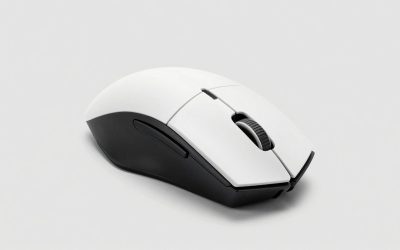
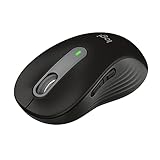
- Top Pick: Redragon M725 Honeycomb Shell Gaming Mouse Wireless, Ultra Lightweight 49g, 8000 DPI Tri-Mode BT5.1/2.4GHz/Type-C Wired Gamer Mouse with 2 Side Buttons, Macro Programmable for PC/Mac/Laptop, Black
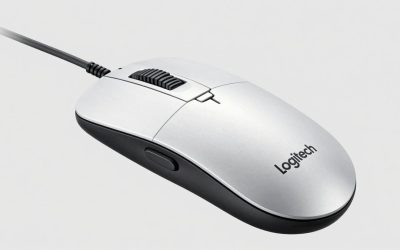
- Best Value: Logitech G305 Lightspeed Wireless Gaming Mouse – Black
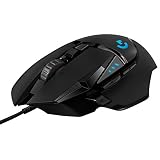
- Premium Choice: Razer Viper V3 Pro Wireless Esports Gaming Mouse, 55g Lightweight, White
Affiliate disclosure: As an Amazon Associate we earn from qualifying purchases. This post contains affiliate links — if you buy through them we may earn a small commission at no extra cost to you. This never affects our recommendations.
As an Amazon Associate we earn from qualifying purchases at no extra cost to you.


If you’ve ever picked up a mouse that weighs less than a deck of cards and immediately understood why competitive players won’t go back, you already know what the ultralight revolution is about. In 2026, the sub-60g category has matured from a niche curiosity into the dominant choice for FPS and battle royale players who demand effortless flicks, low fatigue over marathon sessions, and the kind of precision that heavier mice physically can’t deliver at high speeds.
But what actually makes a mouse “ultralight”? The community consensus sits at under 60 grams, with the most extreme builds pushing into the 40–50g range. Getting there requires one of two engineering paths: the honeycomb (perforated) shell, where the chassis is laser-cut with a lattice pattern to shed grams while preserving structural integrity, or the solid ultra-thin shell, where engineers shave material from every internal component — PCB, battery, sensor housing — without cutting holes in the outer surface. Honeycomb designs shed weight aggressively and improve airflow (sweaty palm relief is real), but introduce micro-debris accumulation over time and create a slightly different feel underhand. Solid builds feel more conventional and are easier to clean, but demand tighter engineering discipline to hit the same weight targets.
The other big fork in the road is wired vs. wireless. A wired ultralight gives you absolute zero-latency signal, lower cost, and no battery weight penalty — but the cable drag, even with paracord replacements, adds effective resistance that partially offsets the weight advantage. A wireless ultralight costs more, adds 5–15g of battery weight (which is why truly featherweight wireless mice are an engineering feat), and requires charging discipline. The good news: in 2026, top-tier wireless polling at 4000 Hz and sub-1ms latency means the performance gap between wired and wireless has effectively closed for all but the most latency-obsessed players.
In a hurry? See the top-rated Ultralight Gaming Mouse deals available right now:
🛒 Check Ultralight Gaming Mouse Prices on Amazon →🛒 Best Price Today on Amazon
Prime members get fast, free shipping on everything above, plus member-only deals. New members get a 30-day free trial — cancel anytime.
Start 30-Day Prime Free Trial →See Today’s Amazon DealsQuick Comparison: Top 5 Ultralight Gaming Mice (2026)
| Model | Weight | Sensor | Max DPI | Shape | Price (USD) |
|---|---|---|---|---|---|
| Logitech G Pro X Superlight 2 | 61g | HERO 25K | 25,600 | Ambidextrous | ~$159 |
| Finalmouse UltralightX | 43g | Finalmouse FM-1 | 32,000 | Right-handed | ~$189+ |
| Razer Viper V3 Pro | 54g | Focus Pro 30K | 30,000 | Ambidextrous | ~$149 |
| Endgame Gear XM2we | 63g | PixArt PAW3395 | 19,000 | Right-handed | ~$89 |
| Lamzu Atlantis Mini Pro | 47g | PixArt PAW3395 | 26,000 | Ambidextrous | ~$79 |
Top 5 Best Ultralight Gaming Mice
1. Logitech G Pro X Superlight 2
The Logitech G Pro X Superlight 2 is the safe, premium, zero-regrets choice for competitive players who want a proven platform. At 61g — technically just over the 60g threshold but broadly accepted as ultralight class — it pairs Logitech’s proprietary HERO 25K sensor with the refined LIGHTSPEED wireless system that pros have trusted for years. The shell is solid (no honeycomb), keeping maintenance simple and feel consistent whether you grip claw, fingertip, or palm. Logitech’s POWERPLAY wireless charging compatibility means you can run it perpetually topped off if you own the matching mousepad. Battery life is exceptional at up to 95 hours per charge. The ambidextrous shape is one of the most thoroughly refined in the genre — hump placement, side curvature, and button force have all been tuned across two Superlight generations.
This is the mouse most esports organizations hand to their players when they don’t want to think about it. It just works, every session, every tournament.
Pros:
- Proven HERO 25K sensor — no angle snapping, excellent tracking consistency
- Solid shell: no honeycomb debris accumulation, premium feel
- LIGHTSPEED wireless: best-in-class latency with 4K Hz polling (via USB dongle update)
- POWERPLAY charging mat compatible — never plug in again
- Exceptional 95-hour battery life
- Ambidextrous shape fits a wide range of grip styles
Cons:
- At 61g, sits just above the strict 60g cutoff — not the lightest option
- Solid shell means no airflow benefit for sweaty-hand players
- Premium price; no significant budget alternative in the same ecosystem
- No onboard memory for DPI profiles without Logitech G HUB software
2. Finalmouse UltralightX
Finalmouse does not do things the normal way, and the UltralightX is proof. At a jaw-dropping 43 grams, it is one of the lightest wireless gaming mice ever manufactured — lighter than most wired mice. Finalmouse achieves this through a magnesium alloy frame (not plastic), aggressive material removal throughout the internal architecture, and a lightweight lithium polymer battery sized exactly to deliver ~80 hours of use without surplus mass. The shape is right-handed ergonomic with a pronounced hump that suits palm and relaxed claw grip. The proprietary FM-1 sensor performs comparably to PixArt’s top-tier PAW3370/3395 lineage, with clean tracking up to 32,000 DPI and minimal prediction or acceleration at standard gaming speeds.

The catch: Finalmouse sells in limited drops. You may wait weeks or months for availability, and resale prices can run significantly above retail. If you can get one at MSRP, it is a genuinely extraordinary product. If you are paying scalper prices, the Lamzu Atlantis Mini Pro delivers similar weight-class performance for a fraction of the premium.
Pros:
- 43g — one of the lightest wireless mice available, period
- Magnesium alloy frame: rigid, premium feel despite the extreme low weight
- Capable FM-1 sensor handles high-speed tracking without artifacts
- Excellent right-hand ergonomic shape for palm/relaxed claw
- ~80-hour battery life impressive given the weight constraint
- Conversation-piece hardware for the gear-obsessed
Cons:
- Limited drop availability — often sold out; secondary market pricing is inflated
- Right-handed shape only — southpaw players excluded
- No wide software ecosystem; basic onboard profile customization
- Higher price floor than equivalently-performing alternatives
- Narrower community troubleshooting resources vs. Logitech/Razer
3. Razer Viper V3 Pro
The Razer Viper V3 Pro answers the question: what does 54 grams of wireless gaming mouse look like when a major manufacturer goes all-in? The answer is impressive. Razer’s Focus Pro 30K sensor is among the highest-specified in the consumer market — 30,000 DPI ceiling, on-the-fly DPI adjustment, and excellent resistance to lift-off deviation. The ambidextrous shape is a continuation of the Viper lineage, with low, flat profile that suits fingertip and claw grippers particularly well. Razer’s HyperSpeed wireless — now operating at 4000 Hz via the included dongle — delivers competitive-grade latency that makes the wireless penalty essentially academic.
At 54g with a solid shell, the Viper V3 Pro hits the sweet spot between weight-class credibility and everyday durability. It is also one of the few ultralight mice from a company with a robust software platform: Razer Synapse handles DPI configuration, lift-off distance, button remapping, and lighting (yes, it has subtle RGB that you can turn off to save battery). Battery life lands around 95 hours at standard polling — drop to 2000 Hz and push that higher.
Pros:
- 54g solid shell — genuinely ultralight without honeycomb trade-offs
- Focus Pro 30K sensor: top-tier accuracy and speed ceiling
- HyperSpeed wireless at 4000 Hz — latency-competitive with wired
- Ambidextrous: works for both hand orientations
- Razer Synapse ecosystem: full configuration without sacrifice
- ~95-hour battery life at standard polling
- Widely available at consistent retail pricing
Cons:
- Flat, low-hump shape not ideal for palm grip with larger hands
- Razer Synapse requires installation for full feature access
- Slightly heavier than Finalmouse and Lamzu competitors in the sub-50g class
- RGB adds minor complexity; must disable in software to reduce power draw
- Some users report the side buttons feel slightly mushy compared to Logitech
4. Endgame Gear XM2we
Not every player can or should spend $150+ on a gaming mouse. The Endgame Gear XM2we makes the ultralight wireless category accessible at roughly $89, which is a genuine achievement. At 63g it creeps past the 60g threshold — similar to the Superlight 2 — but the PixArt PAW3395 sensor it carries is a class-leading chip also found in mice costing twice as much. Tracking is accurate, consistent, and free from interpolation artifacts at competitive speeds. The right-handed ergonomic shape has a medium-high hump that suits palm and claw grip for medium-to-large hands.

What you give up for the price: the wireless implementation uses a 125 Hz default polling (upgradeable to 1000 Hz via software — do this immediately), the scroll wheel feels budget-tier compared to Logitech or Razer, and the build quality in hand reveals the cost savings. But for a player who wants PAW3395 accuracy in a lightweight wireless package without stretching to premium pricing, the XM2we is a hard value argument to counter.
Pros:
- ~$89 — best price-to-performance in the wireless ultralight class
- PixArt PAW3395 sensor: same chip found in significantly more expensive mice
- Right-hand ergonomic shape comfortable for palm/claw at medium-large hand sizes
- Solid build (no honeycomb), easy to clean
- Wireless performance is adequate once polling is set to 1000 Hz in software
Cons:
- 63g — heaviest of the five picks; stretches “ultralight” definition
- Default 125 Hz polling out of box is unacceptably low; must update in software
- Scroll wheel feel is noticeably budget-tier
- Less refined wireless implementation vs. LIGHTSPEED or HyperSpeed
- Smaller brand means fewer community resources and narrower software support
- Battery life shorter than premium competitors (~70 hours)
5. Lamzu Atlantis Mini Pro
The Lamzu Atlantis Mini Pro is the sleeper pick of 2026 and deserves far more attention than it gets. 47 grams, wireless, PixArt PAW3395 sensor, ambidextrous shape — for roughly $79. That combination does not compute at first glance, but Lamzu is a Chinese direct-to-consumer brand that has earned genuine respect in the enthusiast community for delivering specifications that embarrass mice at double the price. The “Mini” sizing targets small-to-medium hands (around 17cm or less), making it a specific fit recommendation — larger hands will find the mouse cramped for palm grip, though claw and fingertip players with bigger hands can often adapt.
The PAW3395 here performs identically to the one in the Endgame Gear: accurate, snappy, consistent. Wireless latency at 4000 Hz via the included 4K dongle is competitive with premium offerings. The ambidextrous shape is symmetrical and low-profile, suiting fingertip players especially well. Battery life runs around 70 hours. If you have appropriately sized hands, this mouse competes with options costing three times as much — making it the strongest recommendation in this list for budget-conscious competitive players.
Pros:
- 47g — second lightest pick, genuinely featherweight in hand
- PixArt PAW3395: top-tier sensor performance at this price tier
- 4000 Hz wireless polling included — no extra dongle purchase needed
- Ambidextrous: serves both orientations
- ~$79 — extraordinary value; undercuts most competition dramatically
- Enthusiast community praised for build quality exceeding price expectations
Cons:
- “Mini” sizing — not suitable for large hands in palm grip
- Smaller brand: warranty and long-term support less certain than Logitech/Razer
- Fewer retail outlets; primarily sold direct or through specialty PC hardware stores
- No RGB (minor, but worth noting for aesthetic-driven buyers)
- ~70-hour battery life shorter than top-tier competitors
- Software ecosystem is basic compared to Synapse or G HUB
How to Choose an Ultralight Gaming Mouse
Honeycomb vs. Solid Shell: Which Durability Trade-Off Is Right for You?
The honeycomb shell sheds weight fast — often 5–10g compared to an equivalent solid build — and the lattice pattern doubles as passive ventilation, keeping your hand cooler during long sessions. The downside is real: dust, skin cells, and desk debris work their way into the holes over time. Cleaning requires more effort than wiping a flat surface, and some players find the texture uncomfortable for extended claw or fingertip grip. Solid shells are easier to maintain and feel more premium in hand, but demand more engineering creativity to hit extreme low weights — which is why the most radical sub-50g mice (Finalmouse, Lamzu) are solid rather than honeycomb.

Rule of thumb: If you sweat heavily or play in long sessions, honeycomb airflow is a real benefit. If you dislike cleaning gear or prefer a smooth shell feel, solid is the better choice.
Grip Style Compatibility
Your grip style determines which shape works for you — and shape matters more than brand.
- Palm grip (full hand resting on mouse): needs a higher hump and longer body. Finalmouse UltralightX and XM2we suit this well. Lamzu Mini is too small for larger palms.
- Claw grip (palm on back, fingers arched): medium hump is ideal. Logitech Superlight 2 and Viper V3 Pro both work excellently here.
- Fingertip grip (only fingertips contact the mouse): low, flat profiles work well. Viper V3 Pro’s flat ambidextrous shape is a fingertip favorite. Lamzu Mini is also strong here.
Sensor Class: What Specs Actually Matter
In 2026, any mouse carrying the PixArt PAW3395, PAW3370, Logitech HERO 25K, or Razer Focus Pro 30K is operating in the top tier of sensor accuracy. For gaming purposes, the difference between these chips is unmeasurable in practice. The specs to actually care about:
- Lift-off distance (LOD): Lower is better for players who lift the mouse frequently. Most top sensors allow software adjustment.
- Polling rate: 1000 Hz is the baseline; 4000 Hz is the new competitive standard. Higher polling reduces cursor stutter — meaningful at high sensitivities.
- Max tracking speed (IPS): Anything over 300 IPS covers the fastest realistic human movement. All five picks here exceed that.
- DPI ceiling: Largely a marketing figure. Most competitive players use 400–1600 DPI. A 32,000 DPI ceiling does not make a mouse better.
Wireless Latency at the Ultralight Weight Tier
Adding wireless to a mouse means adding a radio, antenna, and battery — each of which costs grams. The engineering challenge at the ultralight tier is achieving true competitive wireless latency without ballooning the weight. In 2026, the top implementations (LIGHTSPEED, HyperSpeed, Lamzu 4K dongle) all deliver sub-1ms effective latency at 4000 Hz polling. The functional difference between these and a quality wired connection is not detectable in double-blind testing. The remaining reason to choose wired is budget: wired ultralights cost significantly less and remove charging discipline from your routine entirely.
Final Verdict
The best ultralight gaming mouse for most competitive players in 2026 is the Razer Viper V3 Pro — it hits 54g with a solid shell, carries one of the most capable sensors on the market, runs top-tier wireless at 4000 Hz, and comes from a brand with full software support and wide availability at a reasonable $149. It is the most balanced recommendation across weight, sensor quality, shape versatility, and ecosystem.
If budget is the priority, the Lamzu Atlantis Mini Pro at $79 with PAW3395 and 4000 Hz wireless is a near-miraculous value proposition — buy it if your hand size fits the Mini format.
If weight is the only priority and you can secure one at retail, the Finalmouse UltralightX at 43g is the engineering pinnacle of the category. For the proven, set-it-and-forget-it choice trusted by esports organizations, the Logitech G Pro X Superlight 2 remains the gold standard. And if you want wireless ultralight performance on a strict budget, the Endgame Gear XM2we delivers PAW3395 accuracy at $89 — just update that polling rate out of the box.
The sub-60g category has never been more competitive. Any of these five mice will make your aim feel faster, your sessions feel less fatiguing, and your desk setup feel lighter in every sense of the word.
Frequently Asked Questions
How light is an ultralight gaming mouse?
Ultralight gaming mice weigh under 60 grams, with some dipping below 50. That is far lighter than a typical mouse, making fast flicks and tracking easier with less fatigue.
Are ultralight mice better for FPS gaming?
For many players, yes. The low weight reduces effort during rapid aim movements and long sessions. It is a favorite style for competitive FPS, though grip comfort still matters.
How do mice get so light?
Ultralight mice use thin, strong shells, sometimes with honeycomb cut-outs, lightweight internals, and wireless designs that drop the cable. Engineering reduces weight without sacrificing rigidity.
Do ultralight mice feel cheap or flimsy?
Quality ultralight mice are rigid and well-built despite the low weight. Cheaper models can flex or creak, so build quality and brand reputation matter when buying.
Related Articles
Looking for more on this topic? Browse the hand-picked guides below — each one applies the same scoring rubric used in this review.