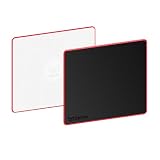
- Top Pick: Logitech G440 Hard Gaming Mouse Pad (340x280x5) – Black
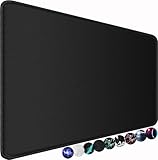
- Best Value: Razer Firefly Hard V2 RGB Gaming Mousepad, Customizable Chroma Lighting
- Premium Choice: SteelSeries QcK Medium Gaming Mousepad — Black — Non-Slip Silicone Rubber Base — Peak Tracking and Stability — Optimized for Gaming Sensors — 320 mm x 270 mm — FPS, MOBAs, RTS, MMO
Affiliate disclosure: As an Amazon Associate we earn from qualifying purchases. This post contains affiliate links — if you buy through them we may earn a small commission at no extra cost to you. This never affects our recommendations.
As an Amazon Associate we earn from qualifying purchases at no extra cost to you. Product prices and availability are accurate as of the date shown and are subject to change.





In a hurry? See the top-rated Hard Gaming Mousepad deals available right now:
🛒 Check Hard Gaming Mousepad Prices on Amazon →🛒 Best Price Today on Amazon
Prime members get fast, free shipping on everything above, plus member-only deals. New members get a 30-day free trial — cancel anytime.
Start 30-Day Prime Free Trial →See Today’s Amazon DealsWhy Hard Gaming Mousepads Are Worth Your Attention
If you have ever played an intense match only to feel your cloth pad slow down mid-swipe — soaked from hours of gaming — you already understand the core argument for hard mousepads. Sweat and humidity are the enemies of consistent glide on fabric, and a hard surface simply does not care. Whether you are playing at 6 PM in an air-conditioned room or grinding ranked queues at 2 AM with sweaty forearms, a rigid pad delivers the same frictionless glide every single time.
That consistency is the defining appeal for players who live and die by flick shots. Hard surfaces accelerate quickly, allowing your wrist or arm to initiate fast, explosive movements without the brief drag you get on cloth. FPS players — particularly those who prefer higher DPI settings and short, snappy flicks — tend to gravitate toward hard pads for exactly this reason.
The maintenance story is equally compelling. A cloth pad requires a full hand-wash and a long drying wait. A hard pad? Wipe it down with a damp cloth and you are back in the game in thirty seconds.
The tradeoffs are real, though. Click noise is noticeably louder as plastic mouse feet skate across a rigid surface. Wrist fatigue can build up faster over long sessions compared to softer cloth alternatives. And at lower sensitivities where players make long, sweeping arm movements, the lack of micro-texture can make ultra-precise tracking feel slightly harder to control. These are not dealbreakers — millions of competitive players prefer hard pads despite them — but they are factors worth understanding before you buy.
This guide covers the five best hard gaming mousepads available in 2026, tested across materials, glide profiles, build quality, and value.
Quick Comparison Table
| Product | Material | Size | Glide Speed | Washable | Price Range |
|---|---|---|---|---|---|
| Logitech G440 | Polymer plastic | 340 x 280 mm | Fast | Wipe-clean | $25–$35 |
| Razer Atlas Tempered Glass | Tempered glass | 450 x 400 mm | Ultra-fast | Wipe-clean | $70–$90 |
| SteelSeries QcK Hard | Polypropylene | 320 x 270 mm | Medium-fast | Wipe-clean | $20–$30 |
| Fnatic Focus 2 Hard | Aluminum-core hard | Up to 450 x 400 mm | Fast | Wipe-clean | $40–$60 |
| ARTISAN HIEN | Hybrid textile/hard | Multiple sizes | Medium–fast variants | Surface wipe | $60–$80 |
Top 5 Best Hard Gaming Mousepads in 2026
1. Logitech G440 Hard Gaming Mouse Pad
Best Overall Pick
The Logitech G440 has held its ground as the benchmark hard mousepad for years, and in 2026 it remains the go-to recommendation for players making their first switch from cloth. The low-friction polymer surface produces a consistent, predictable glide that does not vary session to session. Logitech engineered the texture specifically to pair with their own optical sensors, but real-world use confirms it works equally well with Razer, SteelSeries, and other major sensor platforms.
At 340 x 280 mm, the G440 sits in a comfortable medium footprint — enough room for medium-to-high sensitivity play without dominating a smaller desk. The anti-slip rubber base is thick and grippy, holding position even during aggressive extended swipes.
Build quality is straightforward: no RGB, no fancy branding, just a flat rigid plate that does exactly what it promises. At the $25–$35 price point, it is genuinely hard to argue against.
Pros:
- Highly consistent low-friction glide across all conditions
- Sensor-optimized surface works with virtually all optical and laser mice
- Thick rubber base prevents any movement on desk
- Excellent value — one of the most affordable hard pads available
Cons:
- Medium size only; no XL option available
- Surface can show scratches and scuff marks over time with heavy use
- No RGB or premium aesthetic touches
- Louder mouse click noise than cloth alternatives
2. Razer Atlas Tempered Glass Mouse Pad
Best Premium Pick
The Razer Atlas Tempered Glass is a statement product. Built from 5mm tempered glass with a nano-textured surface, it delivers a glide profile unlike anything in the polymer or plastic category — near-frictionless and eerily smooth. The nano-texture etched into the glass gives sensors enough micro-variation to track accurately while still producing that ultra-low resistance feel that fast-reflex players chase.
At 450 x 400 mm it is a genuinely large surface, and the glass’s dead-flat construction means there is zero flex, zero bounce, and zero inconsistency anywhere across the pad. Maintenance is as simple as it gets: a microfiber cloth wipe removes virtually everything, including oil from wrist contact.

The tempered glass construction also means it is essentially indestructible under normal gaming conditions. No fraying edges, no worn center, no degrading surface texture over time — you buy it once and it outlasts several cloth pads.
The premium is real at $70–$90, and the weight of a glass pad takes adjustment. It is not something you toss in a bag for LAN travel.
Pros:
- Near-frictionless glass glide is faster than any polymer surface
- Nano-texture ensures reliable sensor tracking despite ultra-smooth surface
- Zero maintenance — wipes completely clean in seconds
- Virtually no wear or degradation over time
- Large 450 x 400 mm footprint suits low-to-medium sensitivity players
Cons:
- Premium price puts it out of reach for budget-conscious buyers
- Heavy and fragile for transport — not travel-friendly
- Mouse click sound is the loudest of any surface type
- Extremely fast glide may feel uncontrollable for players new to hard pads
3. SteelSeries QcK Hard
Best for Sensor Accuracy
The SteelSeries QcK Hard takes a more measured approach to the hard pad formula. Where the G440 and Atlas prioritize outright glide speed, the QcK Hard uses a polypropylene surface tuned for sensor accuracy first and glide second. The result is a medium-fast surface that produces exceptionally clean tracking data — minimal jitter, accurate lift-off distance, and consistent dot-per-dot registration.
At 320 x 270 mm it is slightly smaller than the G440, which suits high-sensitivity players who keep their mouse in a tight zone. The polypropylene material is durable and resistant to yellowing or surface degradation, a common complaint with cheaper hard pads.
SteelSeries markets this explicitly for both optical and laser sensors, and the tracking behavior backs that claim up. If you are chasing pixel-perfect precision over raw speed, the QcK Hard is the cleaner pick.
Pros:
- Surface texture optimized specifically for sensor accuracy and consistent tracking
- Polypropylene resists yellowing and surface wear better than cheaper plastics
- Medium-fast glide suits both flick-shot and tracking play styles
- Competitive price at $20–$30
Cons:
- Smaller footprint limits usefulness for low-sensitivity players
- Not as fast as glass or premium polymer surfaces for purely speed-focused play
- Basic aesthetic — no size variety beyond the standard option
- Rubber base is adequate but not as thick or grippy as the G440’s
4. Fnatic Focus 2 Hard
Best Esports-Grade Option
The Fnatic Focus 2 Hard is built to the specifications used by professional esports players competing under Fnatic’s banner, and that pedigree shows in the construction details. The aluminum-core design gives it a rigidity that pure plastic pads cannot match — there is absolutely zero flex even when pressed at the edges, which matters if your mouse style involves reaching across the full pad surface.
Available up to 450 x 400 mm in the XL configuration, it offers enough real estate for players across all sensitivity ranges. The non-slip rubber base is among the most secure available in this category. The surface glide is fast but not extreme — closer to the G440 than the Atlas — which gives it a versatility that pure speed pads lack.

For LAN competitors and players who want the confidence of knowing their pad’s specification matches what pros actually use, the Focus 2 Hard is a justified upgrade.
Pros:
- Aluminum-core construction is stiffer and more durable than plastic-only designs
- XL size option serves low-sensitivity players who need the full range of motion
- Extremely grippy rubber base — does not shift even during aggressive play
- Surface consistency is among the best in the polymer-core category
Cons:
- Mid-range price ($40–$60) puts it above budget options without reaching premium territory
- Heavier than plastic-only pads due to aluminum core
- Less widely available than Logitech or SteelSeries options in some regions
- Aesthetic is minimal — purely functional, no design flair
5. ARTISAN HIEN SOFT/HARD Hybrid
Best Japanese Premium
The ARTISAN HIEN occupies a unique category: it is not a pure hard pad and not a pure cloth pad, but a handcrafted hybrid that Japanese manufacturer ARTISAN engineered to deliver the surface consistency of a hard pad with slightly more micro-texture than glass or polypropylene provide. Produced in Japan with manufacturing tolerances that western brands do not always match, the HIEN is available in multiple “speed variants” — each offering a slightly different friction profile so players can dial in their exact preferred glide feel.
The construction is noticeably higher quality than mass-market hard pads. Edges are finished properly, the base grips reliably, and the surface texture is visually distinctive. For players who have tried standard hard pads and found them either too fast or slightly lacking in tactile feedback, the ARTISAN HIEN is often the answer.
It commands a premium at $60–$80, and sourcing it can require importing from Japan or purchasing through specialty retailers. But for players who treat their peripherals as investments, it earns its price.
Pros:
- Handcrafted Japanese manufacturing quality noticeably above mass-market standards
- Multiple glide variants let you match surface speed to your exact playstyle
- Unique hybrid texture provides slightly more feedback than pure hard surfaces
- Long lifespan — ARTISAN pads are known for exceptional durability
Cons:
- Premium price may not be justified for casual players
- Availability is limited outside Japan; may require import or specialty order
- The hybrid texture is not for everyone — purists who want maximum speed may prefer glass
- Sizing options vary by variant and are not always easy to research in English
How to Choose the Best Hard Gaming Mousepad
Hard vs Cloth: Who Should Use Each
Hard pads suit players who prioritize speed, consistency, and low-maintenance upkeep. If you play FPS titles at medium-to-high sensitivity, prefer flick shots over slow tracking movements, or live in a warm or humid environment where sweat affects your cloth pad, hard is the right call.
Cloth pads suit players who prefer a slower, more controlled glide — common in strategy games, MOBAs, or FPS players who play at very low sensitivity with long, arm-heavy sweeps. Cloth also reduces noise and is easier on wrist skin during extended sessions.
There is no universal winner. Your play style, genre, and sensitivity settings should drive the decision more than brand loyalty.
Surface Materials: Glass vs Aluminum vs Polymer vs Plastic
Glass (Razer Atlas): maximum speed, near-zero friction, extremely durable, loudest sound, heaviest weight. Best for players who want the fastest possible surface and do not plan to travel with their pad.
Aluminum-core (Fnatic Focus 2): rigidity without glass weight, fast surface, excellent for players who want pro-grade flatness and durability without the fragility of actual glass.
Polymer/Plastic (Logitech G440, SteelSeries QcK Hard): the standard hard pad material. Lighter, cheaper, and slightly quieter than glass. Surface speed varies by formulation — Logitech runs faster, SteelSeries runs more controlled.
Hybrid (ARTISAN HIEN): best of both worlds for players who find pure hard pads too unforgiving.
Glide Speed and Control
Fast surfaces (glass, G440) reward players with good fundamentals who can control explosive flick movements. If you are still developing muscle memory, a medium-fast surface like the QcK Hard gives you more room for correction without sacrificing the consistency benefits of a hard pad.
If you are switching from cloth, start with a medium-fast hard pad rather than jumping straight to glass. The adjustment period is real, and a more controlled surface makes the transition smoother.
Size Options
Match pad size to your sensitivity. High-sensitivity players (800 DPI+, low in-game multiplier) can work comfortably on 320–340 mm pads. Low-sensitivity players (400 DPI, high arm movement) need 450 mm or wider. When in doubt, go larger — unused space costs nothing, but running out of pad mid-swipe costs you the round.
Sensor Compatibility
All modern optical sensors work on hard surfaces. The SteelSeries QcK Hard’s polypropylene texture is particularly consistent for sensors that use structured-light tracking. Laser sensors also benefit from hard surfaces, as the consistent reflectivity produces cleaner signal returns than uneven cloth weave.
Cleaning and Maintenance
Hard pads maintain their surface properties indefinitely with minimal care. A microfiber cloth wipe with water removes most contaminants. For built-up grime, a small amount of isopropyl alcohol on a cloth works without damaging polymer or glass surfaces. Avoid harsh chemical sprays — they can degrade rubber bases over time. Unlike cloth pads, you never need to soak or dry a hard surface.
Budget
- Under $35: Logitech G440 or SteelSeries QcK Hard cover this bracket with no significant compromises.
- $40–$60: Fnatic Focus 2 Hard adds aluminum rigidity and XL sizing for players who need the upgrade.
- $70–$90: Razer Atlas Tempered Glass or ARTISAN HIEN for players who want the best available, regardless of cost.
Final Verdict
For most players making the switch to a hard gaming mousepad, the Logitech G440 is the straightforward answer. It delivers the core hard pad benefits — consistent glide, humidity resistance, wipe-clean maintenance — at a price that does not require justification. It is where to start.
If budget is not a constraint and you want the fastest, most premium experience available, the Razer Atlas Tempered Glass is in a category of its own. The glass surface glide genuinely cannot be replicated by polymer alternatives, and the near-zero maintenance makes it easy to live with long term.
For players whose priority is pixel-perfect tracking accuracy over raw speed, the SteelSeries QcK Hard is the most honest recommendation. Its surface texture is specifically engineered for sensor performance, and at $20–$30 it undercuts the G440 while still delivering a genuine hard pad experience.
The Fnatic Focus 2 Hard earns its place for competitive players who want professional-spec rigidity and XL sizing. The ARTISAN HIEN is the connoisseur’s choice — premium Japanese craftsmanship for players who have already tried the mainstream options and want something more refined.
Hard pads are not for every player. But if consistent glide, easy maintenance, and explosive initial acceleration match your play style, any of these five will be a meaningful upgrade over cloth.
Frequently Asked Questions
What is the advantage of a hard mousepad?
Hard pads offer a faster, more consistent glide with very low friction, letting the mouse move effortlessly. The surface stays uniform over time and is easy to wipe clean.
Hard or cloth mousepad for gaming?
Hard pads suit players who want speed and minimal friction, while cloth pads give more control and a softer feel. It is a personal preference; many competitive players choose hard for the fast glide.
Do hard mousepads wear out mouse feet faster?
They can wear mouse skates slightly faster than cloth pads due to the firmer surface. Replacement skates are cheap, and many gamers consider the smooth glide worth it.
Are hard mousepads noisy?
They can produce a faint scratching sound as the mouse glides, more than a soft cloth pad. The noise is minor and most gamers stop noticing it quickly.
Related Articles
Looking for more on this topic? Browse the hand-picked guides below — each one applies the same scoring rubric used in this review.