- Top Pick: Gaming Laptop with AMD Ryzen 7 H255 (up to 4.9GHz),24GB DDR5 512GB NVMe SSD
- Best Value: KAIGERR Gaming Laptop, Laptops with AMD Ryzen 7430U(Up to 4.3GHz), 16GB DDR4 512GB SSD Laptop Computer, 15.6inch Windοws 11 Laptop, 1920P FHD Display, WiFi 6, USB3.2, Type_C
- Premium Choice: NIMO 15.6" IPS FHD-Light Gaming-Laptop,AMD Ryzen 5 6600H 16GB DDR5 RAM 512GB SSD (Beat i5-1335U, 6 Cores Up to 4.5GHz) AMD Radeon 660M GPU-Computer with 100W Type-C Backlit Keyboard Fingerprint
Affiliate disclosure: As an Amazon Associate we earn from qualifying purchases. This post contains affiliate links — if you buy through them we may earn a small commission at no extra cost to you. This never affects our recommendations.
As an Amazon Associate we earn from qualifying purchases at no extra cost to you.


AMD’s Ryzen laptop lineup has matured into a genuine powerhouse. Where Intel once owned the high-performance mobile space by default, Ryzen 7000-series HX and HS processors now match or beat Core i9 chips in multi-threaded workloads — often at a lower price point and with better power efficiency. Pair that with AMD’s Radeon and NVIDIA GPU options, and you have a broad ecosystem that covers every budget from $900 to $2,500.
We compared five of the most compelling AMD Ryzen gaming laptops available in 2026. Whether you want a flagship machine with the AMD Advantage platform, a mid-range workhorse that punches above its price, or a budget entry that doesn’t embarrass itself at 1080p, there’s a Ryzen laptop on this list for you.
In a hurry? See the top-rated AMD Ryzen Gaming Laptop deals available right now:
🛒 Check Amd Ryzen Gaming Laptop Prices on Amazon →🛒 Best Price Today on Amazon
Prime members get fast, free shipping on everything above, plus member-only deals. New members get a 30-day free trial — cancel anytime.
Start 30-Day Prime Free Trial →See Today’s Amazon DealsQuick Comparison Table
| Laptop | CPU | GPU | Battery Life | Approx. Price |
|---|---|---|---|---|
| ASUS ROG Strix G17 | Ryzen 9 7945HX | RTX 4080 | ~4.5 hrs | ~$2,200 |
| Lenovo Legion Pro 5 Gen 8 | Ryzen 7 7745HX | RTX 4070 | ~5 hrs | ~$1,300 |
| MSI Cyborg 15 | Ryzen 5 7535HS | RTX 4060 | ~6 hrs | ~$900 |
| ASUS TUF Gaming A15 | Ryzen 7 7745HX | RTX 4060 | ~7 hrs | ~$1,100 |
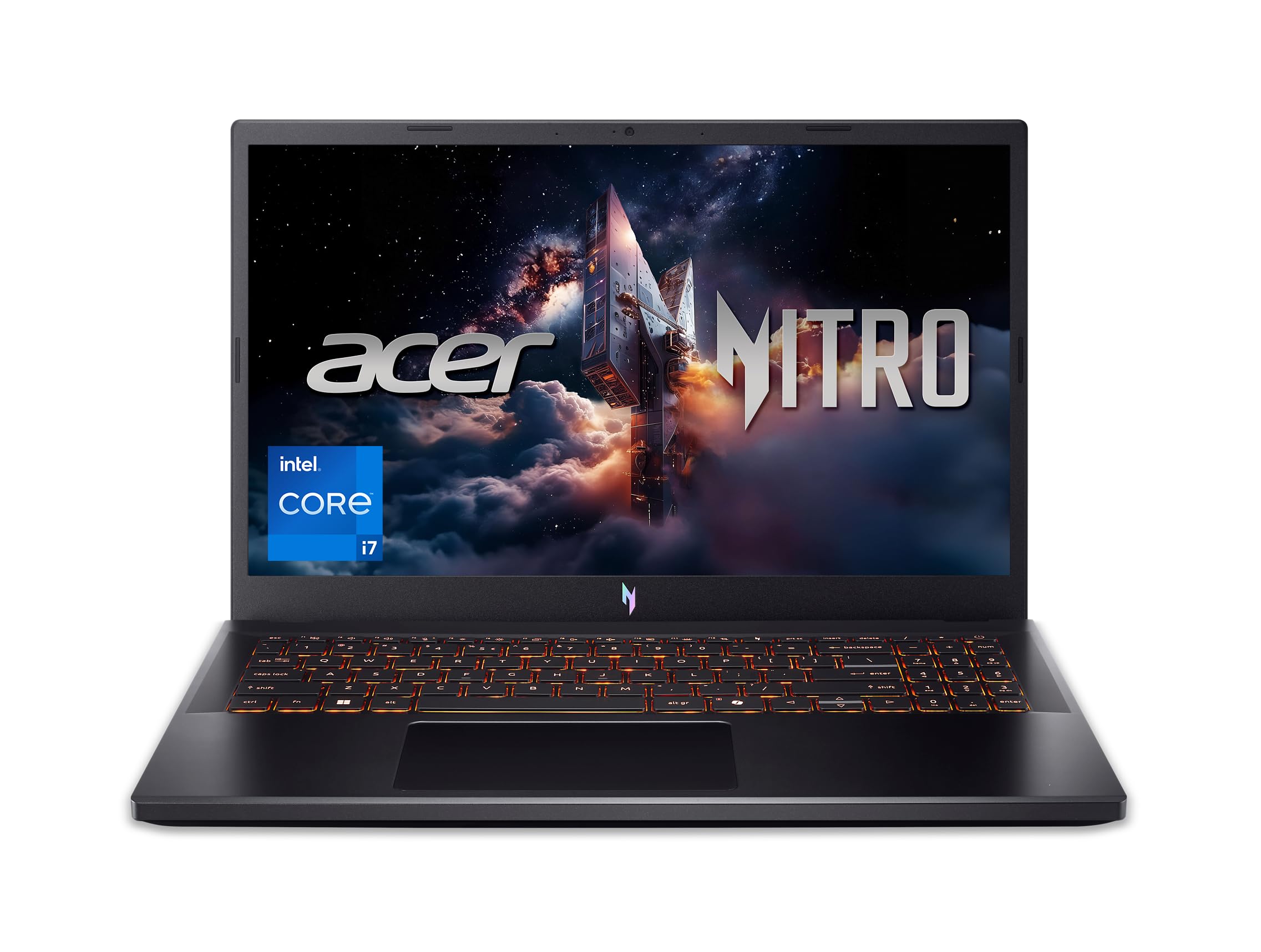
| Acer Nitro 16 AMD | Ryzen 7 7745HX | RTX 4060 | ~6.5 hrs | ~$1,000 |
The 5 Best AMD Ryzen Gaming Laptops Reviewed
1. ASUS ROG Strix G17 — Best Overall AMD Gaming Laptop
The ROG Strix G17 is the crown jewel of AMD-powered gaming laptops in 2026. It combines the top-tier Ryzen 9 7945HX processor with an RTX 4080 mobile GPU and ships as a fully certified AMD Advantage platform device — meaning AMD engineers validated every component, driver stack, and thermal profile to work in harmony. The result is a machine that sustains performance under sustained gaming load better than most competitors.
Specs
- CPU: AMD Ryzen 9 7945HX (16 cores / 32 threads, up to 5.4 GHz)
- GPU: NVIDIA GeForce RTX 4080 (175W TGP with MUX switch)
- Display: 17.3-inch QHD, 240Hz, 3ms response, 100% DCI-P3
- RAM: 32GB DDR5-4800 (expandable to 64GB)
- Storage: 1TB PCIe 4.0 NVMe SSD
- Battery: 90Wh (~4.5 hours casual use)
- Weight: 2.5 kg (5.5 lbs)
Pros:
- Ryzen 9 7945HX delivers desktop-class multi-core performance
- AMD Advantage certification means rock-solid driver stability
- 240Hz QHD panel with wide color gamut — stunning for both gaming and creative work
- MUX switch eliminates iGPU bottleneck for max frame rates
- Excellent thermal headroom with triple-fan cooling
Cons:
- Premium price puts it out of reach for budget buyers
- 4.5-hour battery life is modest for a 90Wh cell (the RTX 4080 is hungry)
- 17-inch form factor is not the most portable
Who It’s For: Gamers who want the absolute best AMD laptop experience without compromise — competitive players at QHD, content creators, and anyone who refuses to throttle.
2. Lenovo Legion Pro 5 Gen 8 — Best Mid-Range AMD Ryzen Laptop
Lenovo’s Legion Pro 5 Gen 8 is arguably the single best value in the mid-range AMD gaming laptop space. The Ryzen 7 7745HX is a phenomenal chip — eight high-performance cores, up to 5.1 GHz boost, and 80MB of combined cache that makes it an exceptional gaming processor. Paired with the RTX 4070 at a healthy 140W TGP, it handles every modern title at 1080p ultra and most at 1440p without breaking a sweat.

Specs
- CPU: AMD Ryzen 7 7745HX (8 cores / 16 threads, up to 5.1 GHz)
- GPU: NVIDIA GeForce RTX 4070 (140W TGP with MUX switch)
- Display: 16-inch WQXGA (2560×1600), 165Hz, IPS, 100% sRGB
- RAM: 16GB DDR5-4800 (2 slots, upgradeable)
- Storage: 512GB PCIe 4.0 NVMe SSD
- Battery: 80Wh (~5 hours mixed use)
- Weight: 2.4 kg (5.3 lbs)
Pros:
- Ryzen 7 7745HX trades blows with Intel Core i9 in gaming workloads
- 165Hz WQXGA panel is a sweet spot for pixel density and frame rate
- Lenovo’s Coldfront 5.0 cooling keeps sustained boost clocks stable
- MUX switch included at this price — competitors often charge more for this
- Two accessible SODIMM slots for easy RAM upgrades
Cons:
- Only 512GB base storage — most buyers will want to add a second NVMe
- Build quality is solid but not premium; plastic lid flexes slightly
- Legion AI Engine software interface can feel cluttered
Who It’s For: Mid-range buyers who want near-flagship gaming performance at ~$1,300. The 7745HX + RTX 4070 combo is one of the most balanced configurations available in 2026.
3. MSI Cyborg 15 — Best Budget AMD Ryzen Gaming Laptop
At around $900, the MSI Cyborg 15 is the entry point into the AMD Ryzen gaming laptop ecosystem — and it acquits itself well. The Ryzen 5 7535HS is a six-core processor built on TSMC’s 6nm node, and while it can’t match the HX chips above in raw throughput, it’s entirely capable for 1080p gaming. The RTX 4060 at 95W TGP handles esports titles at maximum settings and AAA games at high-ultra with ease.
Specs
- CPU: AMD Ryzen 5 7535HS (6 cores / 12 threads, up to 4.55 GHz)
- GPU: NVIDIA GeForce RTX 4060 (95W TGP)
- Display: 15.6-inch FHD, 144Hz, IPS
- RAM: 16GB DDR5-4800 (soldered + 1 SODIMM slot)
- Storage: 512GB PCIe 4.0 NVMe SSD
- Battery: 53.5Wh (~6 hours light use)
- Weight: 2.05 kg (4.5 lbs)
Pros:
- Strong price-to-performance ratio — RTX 4060 at under $900 is excellent value
- Lightweight at 2.05 kg, genuinely portable for a gaming machine
- 144Hz FHD panel is responsive for esports
- Runs cool enough under the Ryzen 5 HS chip’s lower TDP
Cons:
- Soldered RAM on one channel limits future upgrade flexibility
- 53.5Wh battery is small; heavy gaming drains it in under 2 hours
- Build feels plasticky — keyboard flex is noticeable
- RTX 4060 at 95W has headroom left on the table compared to 115W+ implementations
Who It’s For: First-time PC gamers, students on a tight budget, or anyone stepping up from console who wants to experience RTX gaming without spending over $1,000.
4. ASUS TUF Gaming A15 — Best AMD Ryzen Laptop for Durability
The TUF Gaming A15 occupies a unique space: it delivers the powerhouse Ryzen 7 7745HX in a chassis designed to MIL-SPEC-810H durability standards, at a price that undercuts the Legion Pro 5 by $200. If you need a gaming laptop that can handle the occasional knock in a backpack, extreme humidity, or temperature swings, the TUF A15 is built for exactly that.

Specs
- CPU: AMD Ryzen 7 7745HX (8 cores / 16 threads, up to 5.1 GHz)
- GPU: NVIDIA GeForce RTX 4060 (140W TGP)
- Display: 15.6-inch FHD, 144Hz, IPS, 100% sRGB
- RAM: 16GB DDR5-4800 (2 SODIMM slots, upgradeable to 64GB)
- Storage: 512GB PCIe 4.0 NVMe SSD
- Battery: 90Wh (~7 hours mixed use)
- Weight: 2.2 kg (4.9 lbs)
Pros:
- MIL-SPEC-810H tested — genuinely rugged for a gaming laptop
- 90Wh battery delivers ~7 hours of real-world use; best on this list for longevity
- Two accessible SODIMM slots — max out at 64GB for video editing and streaming
- RTX 4060 at 140W is near the top of what this GPU can do — no TGP bottleneck
- Relatively compact 15.6-inch footprint
Cons:
- 144Hz FHD display is solid but other laptops at this tier offer 165Hz or higher
- No MUX switch — iGPU overhead costs ~5-10% in frame rate versus laptops that include one
- Fan noise under load is louder than the Legion Pro 5
Who It’s For: College students, frequent travelers, and gamers who need a machine that survives real-world abuse. The 90Wh battery is a genuine differentiator if you game away from a wall socket.
5. Acer Nitro 16 AMD — Best Value AMD Ryzen Gaming Laptop
The Acer Nitro 16 AMD is the value champion of this roundup. For roughly $1,000, you get the same Ryzen 7 7745HX processor found in the $1,300 Legion Pro 5, a 165Hz high-refresh display, and an RTX 4060 at a respectable TGP. Acer made deliberate compromises — build quality and display calibration — to hit this price, but the raw gaming performance per dollar is unmatched.
Specs
- CPU: AMD Ryzen 7 7745HX (8 cores / 16 threads, up to 5.1 GHz)
- GPU: NVIDIA GeForce RTX 4060 (115W TGP)
- Display: 16-inch WUXGA (1920×1200), 165Hz, IPS
- RAM: 16GB DDR5-4800 (2 SODIMM slots)
- Storage: 512GB PCIe 4.0 NVMe SSD
- Battery: 76Wh (~6.5 hours mixed use)
- Weight: 2.4 kg (5.3 lbs)
Pros:
- Best CPU-per-dollar ratio on this list — 7745HX at ~$1,000 is exceptional
- 165Hz panel on a 16:10 display gives more vertical real estate than most competitors
- Two SODIMM slots — easy to upgrade RAM and storage down the line
- 76Wh battery delivers solid longevity given the screen size
- Runs quietly in balanced mode for everyday tasks
Cons:
- Chassis has more flex than Lenovo or ASUS builds
- Display covers only ~72% sRGB out of the box — not for color-accurate creative work
- No MUX switch at this price point
- Acer’s NitroSense software is functional but basic
Who It’s For: Budget-conscious gamers who refuse to accept a Ryzen 5 or step down to a less capable GPU. This is the smartest spend under $1,100 if raw gaming performance is the priority.
How to Choose the Best AMD Ryzen Gaming Laptop
CPU: Ryzen 9 7945HX vs. Ryzen 7 7745HX vs. Ryzen 5 7535HS
The 7945HX is AMD’s flagship mobile chip — 16 cores, 32 threads, designed for users who stream, render, and game simultaneously. For pure gaming, the performance delta over the 7745HX is smaller than the price jump suggests. The 7745HX is the sweet spot: eight fast cores, 5.1 GHz boost, and enough cache to eliminate most CPU-side bottlenecks in modern games. The 7535HS is a capable budget chip, but its six cores and lower TDP will start to show limits in heavily threaded titles and future releases.
Recommendation: Unless you’re editing video or streaming professionally, the Ryzen 7 7745HX offers the best value. Only go 7945HX if budget isn’t a constraint.
GPU: Matching Resolution to Graphics Card
The RTX 4060 is the right card for 1080p ultra and solid 1440p high settings. The RTX 4070 unlocks comfortable 1440p ultra and entry-level 4K. The RTX 4080 is overkill for 1080p but is exceptional at QHD 165Hz+ and for demanding titles like Cyberpunk 2077 or Alan Wake 2 at maximum ray-tracing settings.
Pay attention to TGP (Total Graphics Power). An RTX 4060 at 140W outperforms the same GPU at 95W by a meaningful margin. Always check the wattage specification, not just the GPU model name.
Display: Refresh Rate and Resolution
- 144Hz FHD — minimum for competitive gaming; pairs well with RTX 4060
- 165Hz FHD/WUXGA — the sweet spot for most gamers
- 240Hz QHD — flagship territory; only worthwhile with RTX 4070 or higher
Battery Life
Gaming laptops under heavy load will always drain the battery fast. What varies is idle and productivity life. A 90Wh cell (TUF A15) gives you genuine all-day use for classwork or office tasks. A 53.5Wh cell (Cyborg 15) means you’ll want a wall outlet nearby.
AMD Advantage Platform
The AMD Advantage certification means the entire laptop — CPU, GPU, display, memory, thermals, and software stack — was co-engineered and validated by AMD. Advantages include Smart Access Memory (SAM), which lets the Ryzen CPU directly access all VRAM without PCIe bandwidth constraints, delivering a measurable frame rate uplift in AMD-optimized titles. If you see the AMD Advantage badge, it’s a mark of quality consistency, not just marketing.
Final Verdict
The best AMD Ryzen gaming laptop overall is the ASUS ROG Strix G17 — the 7945HX, RTX 4080, and AMD Advantage platform combine for an experience that’s genuinely difficult to fault. But for most buyers, the Lenovo Legion Pro 5 Gen 8 at ~$1,300 is the smarter buy — the 7745HX + RTX 4070 combo covers every gaming scenario without the flagship premium.
On a tight budget, the Acer Nitro 16 AMD is the value standout: you get the same class-leading Ryzen 7 7745HX processor for $300 less than the Legion, with only minor compromises on build quality and display calibration.
| Need | Best Pick |
|---|---|
| Absolute best performance | ASUS ROG Strix G17 |
| Best mid-range balance | Lenovo Legion Pro 5 Gen 8 |
| Best value under $1,100 | Acer Nitro 16 AMD |
| Best battery / durability | ASUS TUF Gaming A15 |
| Best under $900 | MSI Cyborg 15 |
AMD’s Ryzen laptop lineup in 2026 is no longer playing catch-up — it’s setting the pace. Any of the five machines on this list will serve you well; your decision comes down to budget, display preference, and how much you value battery life versus raw GPU headroom.
Related Articles
Looking for more on this topic? Browse the hand-picked guides below — each one applies the same scoring rubric used in this review.
Frequently Asked Questions
What is the best gaming laptop amd ryzen in 2026?
The best gaming laptop amd ryzen depends on your budget and how you plan to use it. The options compared above are our top-rated picks based on real customer ratings, build quality, and overall value — start with the highest-rated model that fits your budget.
How much should I expect to spend on a gaming laptop amd ryzen?
Prices vary by brand and features. Budget options cover the essentials, while mid-range and premium models add durability, performance, and extra features. Compare the prices in the list above to find the best value for your needs.
What should I look for when buying a gaming laptop amd ryzen?
Focus on what matters most for your use case — build quality, compatibility, performance, warranty, and verified customer reviews. Every pick above is selected to balance these factors.
Are budget gaming laptop amd ryzen options worth it?
Yes. For most people a well-reviewed budget or mid-range gaming laptop amd ryzen delivers excellent value. You only need to spend more if you specifically require premium materials or top-tier performance.
How did we choose these gaming laptop amd ryzen picks?
We compare current Amazon ratings, review counts, key features, and price to surface the options with the best real-world value. The list is refreshed as ratings and availability change.
Ready to decide? Our #1 pick for 2026 is the Laptop.
Live price & availability on Amazon.