This guide breaks down why the DDR5-6000 CL30 sweet spot exists, when it makes sense to jump to 64GB, how EXPO and XMP profiles actually work, and how the calculus shifts between an AMD AM5 build and a modern Intel platform. We have tested and lived with kits from G.Skill, Corsair, Kingston, and Teamgroup, and the good news is that at this tier the differences are small enough that price, aesthetics, and availability should drive your final pick more than raw spec sheets.
- The 32GB DDR5-6000 CL30 Sweet Spot Explained
- Best DDR5 RAM Kits for Gaming in 2026: Comparison Table
- Speed vs Latency: Why CL30 Beats Chasing High MHz
- EXPO vs XMP: Enabling Your Rated Speed
- AMD AM5 vs Intel: Does the Platform Change Your Pick?
- When to Choose 64GB and Consider RGB
- The Verdict: Our Top DDR5 Gaming Memory Pick
- Related Guides
- Frequently Asked Questions
- Related Articles
As an Amazon Associate we earn from qualifying purchases made through links on this page. This never changes what we recommend or the prices you pay, and it helps us keep testing hardware and publishing independent guides.

Prime
Best Seller
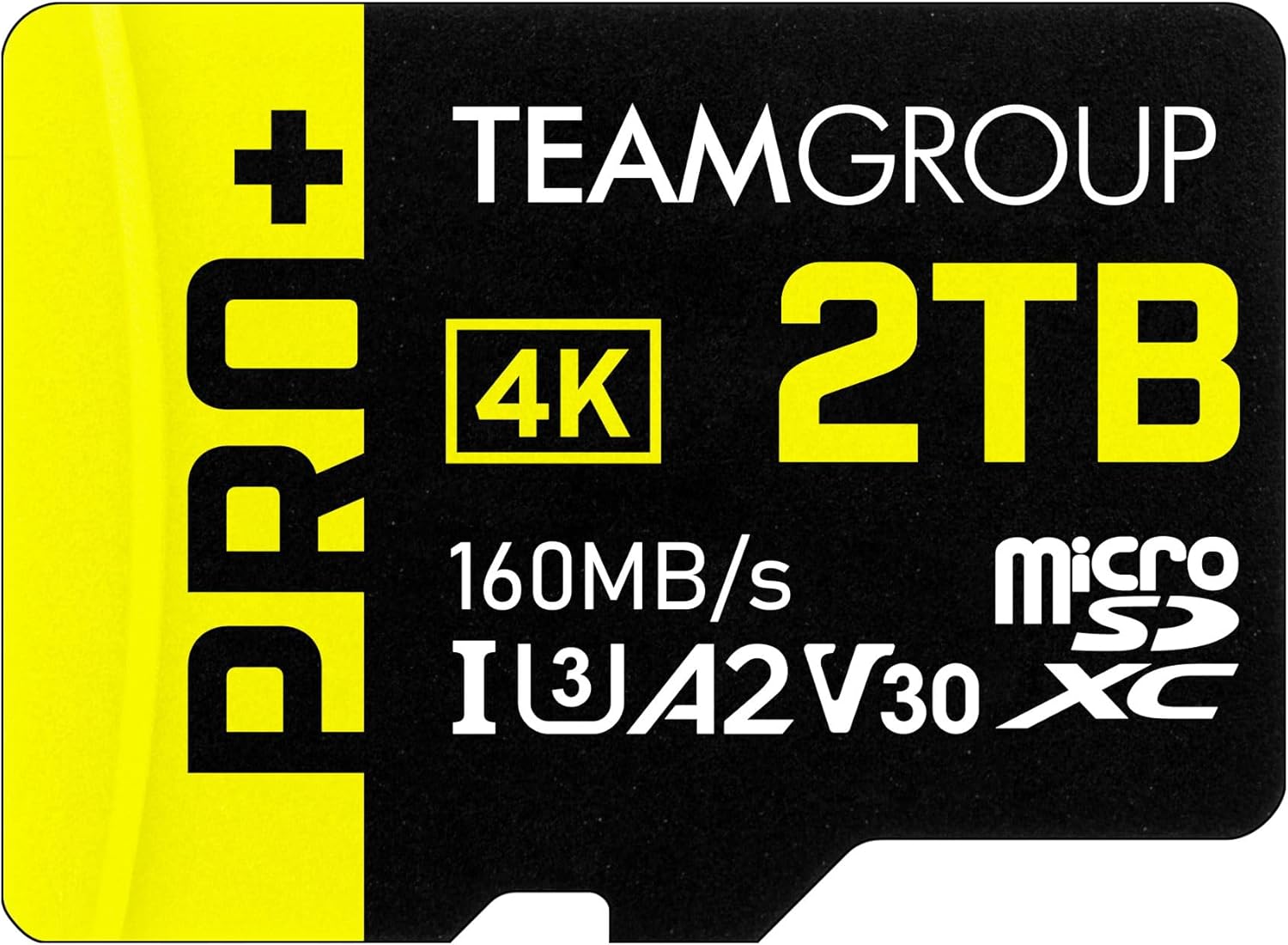
TEAMGROUP MP44 4TB SLC Cache Gen4x4 M.2 2280 PCIe 4.0 with NVMe Laptop, Desktop SSD Solid State Drive R/W Speed up to 7000/6000MB/s TM8FPW004T0C101


Save $79.00
Dropped $10.00

🛒 Best Price Today on Amazon
Prime members get fast, free shipping on everything above, plus member-only deals. New members get a 30-day free trial — cancel anytime.
Quick answer: For most people in 2026, the best ddr5 ram for gaming is the G.Skill Trident Z5 Neo RGB — our #1 rated choice. See the full ranked comparison, alternatives and buying advice below.
The 32GB DDR5-6000 CL30 Sweet Spot Explained
Three numbers define this recommendation: 32GB of capacity, 6000 MT/s of speed, and a CAS latency of 30. Together they represent the point where cost, compatibility, and real-world gaming performance intersect most favorably in 2026.
Capacity first. Modern AAA titles and their launchers, plus a browser with 40 tabs and a streaming overlay, can push past 16GB with ease. 32GB gives comfortable headroom so you never hit the swap file mid-firefight, yet it avoids the price premium and the potential clock-speed penalties that come with loading all four DIMM slots. A 2x16GB configuration also keeps you in dual-channel with only two sticks, which is the friendliest arrangement for high memory clocks. If you want a deeper look at how RAM interacts with the rest of your parts, see our complete gaming PC build guide.
Speed and latency come next, and this is where DDR5-6000 CL30 earns its reputation. On AMD’s Ryzen platform in particular, DDR5-6000 lets the memory controller run in a 1:1 ratio with the Infinity Fabric, avoiding a latency-adding divider that kicks in at higher frequencies. Pair that ideal clock with tight CL30 timings and you get low true latency, which is what games care about most. Frame-time consistency and 1% lows improve noticeably compared to loose CL40 DDR5-5200 baseline kits.
Best DDR5 RAM Kits for Gaming in 2026: Comparison Table
| Kit | Capacity / Speed | Timings | Best For | Approx Price (USD) |
|---|---|---|---|---|
| G.Skill Trident Z5 Neo RGB | 32GB (2x16GB) DDR5-6000 | CL30-38-38-96 | Overall best AM5 gaming kit | $119 |
| Corsair Vengeance RGB | 32GB (2x16GB) DDR5-6000 | CL30-36-36-76 | Broad compatibility, clean look | $109 |
| Kingston Fury Beast | 32GB (2x16GB) DDR5-6000 | CL30-38-38-80 | Best value, low-profile builds | $99 |
| Teamgroup T-Force Delta RGB | 32GB (2x16GB) DDR5-6000 | CL30-40-40-80 | Budget RGB, bright diffuser | $94 |
| Corsair Dominator Titanium | 64GB (2x32GB) DDR5-6000 | CL30-36-36-76 | Creators who also game | $229 |
Prices fluctuate week to week, so treat these as ballpark figures for a well-binned kit rather than fixed numbers. The four 32GB options are close enough in performance that any of them will serve a 2026 gaming build well.
Speed vs Latency: Why CL30 Beats Chasing High MHz
It is tempting to read a DDR5-8000 label and assume it is dramatically faster than DDR5-6000. For gaming, that assumption usually does not hold. What matters is true latency, measured in nanoseconds, which you calculate from both the CAS latency number and the clock speed. A DDR5-6000 CL30 kit delivers roughly 10 ns of first-word latency. Many DDR5-7200+ kits ship with looser CL34 to CL36 timings that partially cancel out their bandwidth advantage, and on Ryzen they also force that Infinity Fabric divider we mentioned earlier.
Bandwidth helps in memory-heavy workloads such as video rendering, large-scale simulation, and some productivity apps. But most games are latency-sensitive rather than bandwidth-starved, so the tightly timed 6000 kit wins or ties in the majority of titles while costing less and running cooler. Unless you are on an Intel platform specifically chasing memory-overclocking records, CL30 at 6000 is the smarter target. For more on balancing components, our guide to choosing the right CPU for gaming pairs neatly with this one.
EXPO vs XMP: Enabling Your Rated Speed
Straight out of the box, DDR5 boots at a conservative JEDEC baseline like DDR5-4800, not the speed on the box. To unlock the advertised 6000 CL30 profile, you enable a memory overclocking profile in your BIOS. There are two flavors: EXPO (Extended Profiles for Overclocking) is AMD’s standard, and XMP (Extreme Memory Profile) is Intel’s. Many 2026 kits, including most on our list, carry both profiles so a single kit works on either platform.
Enabling it is simple. Enter the BIOS, find the EXPO or XMP toggle, select Profile 1, save, and reboot. If your system fails to post, clear the CMOS and try again, and make sure your motherboard is on a recent BIOS revision for the best memory compatibility. This one setting is the difference between paying for a fast kit and actually using it, so never skip it. Our BIOS setup walkthrough covers the exact steps with screenshots.
AMD AM5 vs Intel: Does the Platform Change Your Pick?
On AMD’s AM5 platform (Ryzen 7000, 8000, and 9000 series), DDR5-6000 CL30 is close to a universal recommendation because of the 1:1 Infinity Fabric relationship. Going faster often means going slower in practice once the divider engages, so most AM5 builders should simply buy a quality 6000 CL30 EXPO kit and be done.
Intel’s memory controller is more tolerant of high frequencies and can sometimes extract extra performance from DDR5-7200 or DDR5-7600 XMP kits, especially in CPU-bound scenarios at lower resolutions. That said, the returns are modest for gaming, the faster kits cost more, and stability tuning takes effort. Even on Intel, a 6000 CL30 kit remains a fantastic, hassle-free default. Only reach for the exotic high-speed kits if you enjoy tuning and are chasing every last frame. If you are still deciding between the two camps, our AM5 vs Intel platform comparison lays out the trade-offs.
When to Choose 64GB and Consider RGB
Should you buy 64GB? For pure gaming in 2026, no game requires it, and 32GB remains ample. But 64GB (2x32GB) makes real sense if you also stream while gaming, run heavy multitasking, edit video, work with large game-development projects, or dabble in local AI models. The Corsair Dominator Titanium 64GB kit on our list runs the same 6000 CL30 target, so you gain capacity without sacrificing the sweet-spot timings. Just budget for the price jump and confirm your CPU handles the higher DIMM density comfortably.
On aesthetics, RGB is purely personal. The performance is identical between RGB and non-RGB versions of the same kit, so choose based on your case and taste. If you run a tempered-glass build, kits like the Trident Z5 Neo, Vengeance RGB, and T-Force Delta light up beautifully. For airflow-focused builds with a big air cooler, a low-profile non-RGB kit like the Fury Beast avoids clearance headaches.
The Verdict: Our Top DDR5 Gaming Memory Pick
For most gamers building or upgrading in 2026, a 32GB (2x16GB) DDR5-6000 CL30 kit is the right answer, and the G.Skill Trident Z5 Neo RGB is our overall pick thanks to its excellent AM5 compatibility, tight timings, and reasonable price. If you want to save a little, the Kingston Fury Beast delivers nearly identical performance for less. Choose the Corsair Vengeance for the broadest cross-platform reliability, and step up to the Dominator Titanium 64GB only if creative workloads or streaming push you past 32GB. Whichever you pick, remember to enable EXPO or XMP in the BIOS so you actually get what you paid for.
Frequently Asked Questions
Is 32GB of DDR5 enough for gaming in 2026?
Yes. 32GB comfortably handles every current AAA title along with a browser, Discord, and a streaming overlay running in the background. You only need 64GB if you also do heavy content creation, run local AI models, or juggle many memory-intensive apps at once.
Why is DDR5-6000 CL30 recommended over faster kits?
On AMD Ryzen, 6000 MT/s lets the memory run 1:1 with the Infinity Fabric, avoiding a latency-adding divider. Combined with tight CL30 timings, it delivers about 10 ns true latency, which benefits gaming more than the raw bandwidth of pricier, looser high-frequency kits.
What is the difference between EXPO and XMP?
They are memory overclocking profiles that unlock your kit’s rated speed. EXPO is AMD’s standard and XMP is Intel’s. Both do the same job, and many modern kits include both profiles, so a single kit can run at full speed on either platform after you enable it in the BIOS.
Does RGB RAM perform better than non-RGB?
No. RGB is purely cosmetic and has no effect on performance or thermals when the underlying kit specifications match. Choose RGB for a tempered-glass showcase build, or a low-profile non-RGB kit if you need clearance for a large air cooler.
Ready to decide? Our #1 pick for 2026 is the G.Skill Trident Z5 Neo RGB.
Live price & availability on Amazon.