- Top Pick: SanDisk 256GB Extreme PRO SD UHS-I Card, Up to 250MB/s Read and 170MB/s Write, 4K UHD, Full HD, U3, V30, SDSDXXJ-256G-GSCIN
- Best Value: SANDISK 256GB Ultra microSD Card + Adapter, Up to 150MB/s Read Speeds | UHS-I, Full HD, C10, U1, A1, Ideal for Android Smartphones, Tablets and MIL cameras – SDSQUAC-256G-GN6MA
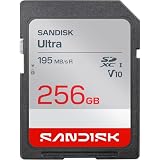
- Premium Choice: SANDISK 256GB Ultra microSD UHS-I Card – Up to 195MB/s Read Speed, Full HD Video, V10, U1, C10, A4 – SDSQUJQ-256G-GZ6MA
A 256GB card sits in an awkward middle of the memory-card aisle. It is big enough to hold a day of 4K clips or a full handheld game library, yet the listings blur full-size SD, microSD with an adapter, and rugged recording cards into one pile. The real decision is not capacity, since every card here is 256GB, but which speed class and form factor match the device that will swallow the card.
This 2026 roundup is for gamers who load a handheld or a console camera, for photographers who need a full-size card in a mirrorless body, and for anyone filling a dash cam or tablet. Each pick below is judged only on what its listing states: read and write speeds, U and V classes, app classes, and the named use case. Where a title leaves out a figure, the entry says so rather than guessing.
Quick Picks
As an Amazon Associate we earn from qualifying purchases at no extra cost to you.





| Product | Best for | Key spec from the title |
|---|---|---|
| SanDisk Extreme PRO SD (SDSDXXJ) | Fast 4K shooting | 250MB/s read, 170MB/s write, U3, V30 |
| SanDisk Ultra microSD + Adapter (GN6MA) | Phones and tablets | 150MB/s read, A1, U1 |
| SanDisk Ultra microSD (GZ6MA) | Handheld storage | 195MB/s read, A4, V10 |
| SanDisk Ultra SD (GN6IN, 195MB/s) | Compact cameras | 195MB/s read, U1, C10 |
| SanDisk Extreme PRO SD (SDSDXXD) | 4K video, quick offloads | 200MB/s read, 140MB/s write, V30 |
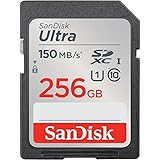
| SanDisk Ultra SD (SDSDUNC) | Rugged everyday camera use | 150MB/s read, U1, shock proof |
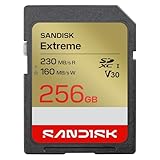
| SanDisk Extreme SD (SDSDXV9) | 4K camcorders | 230MB/s read, 160MB/s write, V30 |
| SanDisk High Endurance microSD | Dash cams, home monitoring | Up to 40,000 hours of video, V30 |
| Basics microSDXC with adapter | Simple everyday storage | A2, U3, up to 100MB/s read |
| Lexar 256GB Silver SD | Photographers and videographers | 225MB/s read, V30, U3 |
How to Choose
Match the form factor first
A full-size SD card goes into cameras, camcorders and laptop readers. A microSD card fits phones, tablets, handhelds and action gear, and the listings that include an adapter can double as a full-size card when needed. Buying the wrong shape wastes more than any speed gap, so confirm the slot before you compare numbers. Cameras with a single full-size slot are best served by the SD entries, while a handheld console or phone calls for a microSD.
Read the speed class, not just the headline number
The big “up to” read figure describes transfer to a computer. Recording depends on the sustained write class. For 4K video look for U3 and V30, which both promise a 30MB/s minimum write floor. U1 and V10 classes are fine for photos and Full HD, but they are not the right label for 4K bitrates. A card that lists only a read speed and no class tells you less than one that lists both.
Check the app class and endurance label
The A1, A2 and A4 labels matter if the card will hold apps or game installs on a phone or handheld, where small-file behavior counts. Higher numbers or letters signal better handling of those small reads and writes. For continuous recording such as a dash cam or home monitor, look for a card sold for high endurance, because those are built for constant overwriting while ordinary photo cards are not.
Ignore what will not help you
Set aside bus claims beyond UHS-I unless your device supports something faster, since the slot on most handhelds and cameras tops out there. Budget cards cut corners on sustained write speed, so a modest headline read number can hide a weak write floor. Marketing words like “ideal for” are not specs; the class labels are. Likewise, a long model code at the end of a title only identifies the exact listing, so it should never be mistaken for a performance tier.
The 10 Best Options
SanDisk Extreme PRO SD (SDSDXXJ)
This is the pick for people who shoot 4K and want the strongest write figure in this group, with a full-size body that suits cameras and readers alike.
- The title lists 250MB/s read and 170MB/s write, the top write number here.
- U3 and V30 labels cover 4K UHD recording.
- Trade-off: it is UHS-I, so a faster-bus camera body will not unlock more speed.
Skip it if you only snap casual photos or Full HD clips; a lighter card handles that without stepping up to the premium tier, and the extra write headroom would sit unused.
SanDisk Ultra microSD + Adapter (SDSQUAC)
A straightforward match for Android phones, tablets and mirrorless cameras, which is exactly the use case the listing names, and the adapter keeps a full-size slot in play.
- 150MB/s read with an A1 app class suits app storage.
- The included adapter covers a full-size slot.
- Trade-off: U1 only, so it is not meant for 4K recording.
Skip it if you plan to capture 4K video, or if you need the faster app class found on another entry. Buyers who want a pure game-library card should compare it against the A4 listing first.
SanDisk Ultra microSD (SDSQUJQ)
Think of this one for handheld gaming or a phone slot where app loading and game installs matter more than video capture.
- 195MB/s read speed on the label.
- The A4 app class is the highest app label in this roundup.
- Trade-off: V10 and U1 limit video recording to Full HD, and no adapter appears in the title.
Skip it if the target device needs a full-size card, since this listing is bare microSD. It also makes little sense for a camera that records anything above Full HD.
SanDisk Ultra SD (SDSDUVQ, 195MB/s)
A full-size card for compact to mid-range cameras and camcorders, with backup and transfer handled through the SanDisk app named in the title.
- 195MB/s read speed, matching the microSD sibling.
- Full HD with U1 and C10 classes is a sensible fit for point-and-shoot use.
- Trade-off: no V30 or U3 label, so 4K is off the table.
Skip it if your camera records 4K or if you shoot long bursts that need a higher write floor. The Extreme family below is the logical step up for that job.
SanDisk Extreme PRO SD (SDSDXXD)
Aimed at 4K shooters who want another full-size option inside the Extreme PRO family, with the QuickFlow Technology name called out in the listing.
- 200MB/s read and 140MB/s write on the spec line.
- V30, U3 and C10 classes support 4K UHD video.
- Trade-off: the other Extreme PRO listing shows higher read and write figures.
Skip it if you want the highest write number available and the sibling model fits your plan.
SanDisk Ultra SD (SDSDUNC)
A durable full-size choice for a camera bag that gets bumped around, since the title describes it as temperature, water and shock proof.
- 150MB/s read with C10 and U1 classes.
- Resistance claims make it a sensible spare for outdoor trips.
- Trade-off: its read figure is lower than the other full-size Ultra card.
Skip it if you need faster transfers or any 4K recording, because the listing stops at Full HD. Anyone who rarely leaves a studio or desk can ignore the toughness claims and pick on speed instead.
SanDisk Extreme SD (SDSDXV9)
Targets camera and camcorder users who film 4K and want strong write speed without moving to the PRO name.
- 230MB/s read, the top read figure in the roundup.
- 160MB/s write with V30 and U3 classes.
- Trade-off: UHS-I means the real ceiling is the bus, not the label.
Skip it if your gear never records anything beyond Full HD, since you would not use the extra headroom. Also skip it if your device needs microSD, because this is a full-size body.
SanDisk High Endurance microSD + Adapter
Meant for dash cams and home monitoring systems, where a card is overwritten constantly and endurance counts more than burst speed.
- The title cites up to 40,000 hours of recording.
- V30, U3 and 4K UHD classes are listed.
- Trade-off: the listing focuses on endurance and gives no read figure.
Skip it if you want a general card for photo storage or game libraries on a handheld. A card tuned for overwriting is overkill for files you copy once and keep.
Basics microSDXC with Full Size Adapter
A plain, no-frills option for buyers who just need 256GB of tablet or phone storage and want the adapter along for the ride.
- A2 and U3 classes on a microSDXC card.
- Includes a full-size adapter.
- Trade-off: up to 100MB/s read is the lowest read figure in this group.
Skip it if transfer speed matters when you move big files, or if you need a camera-focused card. Dash cam owners should look at the endurance listing instead.
Lexar 256GB Silver SD
For photographers and videographers on Canon, Sony or Nikon bodies, as the title names those brands.
- 225MB/s read with V30 and U3 classes.
- 4K support in a full-size card.
- Trade-off: no write figure appears in the title.
Skip it if you need a published write speed before buying, or if you want a card tied to a handheld. The title also gives no app class, so it is not the one for installed games.
Which One Fits Your Situation
You shoot 4K video on a mirrorless camera
Go for the SanDisk Extreme SD (SDSDXV9) or the first Extreme PRO listing; both pair V30 with high write figures of 160MB/s and 170MB/s. Pick the Extreme PRO if the write number is the deciding factor, and the Extreme if the 230MB/s read figure for offloading footage appeals more.
You game on a handheld or phone
The SanDisk Ultra microSD (SDSQUJQ) carries the A4 label, which suits app and game installs better than the others. If your handheld also needs an adapter for a laptop reader, the Ultra microSD with the adapter is the alternative.
You run a dash cam or home monitor
The SanDisk High Endurance microSD is the one built around continuous recording, with V30 and U3 classes so footage keeps flowing even when the card is constantly overwritten. Its 40,000-hour claim is stated in the title, which makes it the clearest match for a camera that never rests.
You need basic tablet storage
The Basics microSDXC covers everyday storage with an adapter included and A2 classes. It is the plain choice when the device is a tablet, an older phone or a spare reader and nobody is recording video.
Common Mistakes
- Buying microSD when the device has only a full-size slot, or the reverse.
- Reading “up to” speeds as sustained write speeds.
- Choosing a U1 card for 4K recording.
- Putting an ordinary photo card in a dash cam that overwrites all day.
- Assuming faster-than-UHS-I speeds are available when the device only supports UHS-I.
Frequently Asked Questions
Is 256GB enough for 4K video?
It holds a solid day of clips for most shooters, but heavy bitrates fill it faster than casual use. Offload regularly to keep space free, and pick a V30 or U3 card so the write speed keeps up with the bitrate.
Can I use a microSD card with an adapter in a camera?
Yes, if the adapter is included and your camera accepts SD cards. A dedicated full-size card offers a more secure fit, and it avoids one more small part to lose in a camera bag.
What do V30 and U3 mean?
Both mean a minimum sustained write speed of 30MB/s. That is the usual threshold for 4K recording, while U1 and V10 sit at a 10MB/s floor suited to Full HD and photos.
Does a higher read speed make recording faster?
No. Read speed affects copying files to a computer; recording depends on the write speed and speed class.