- Top Pick: HP OmniBook 5 Copilot+ AI PC, 16" 2K (1920×1200) Touchscreen, 32GB LPDDR5x RAM, 2TB SSD, AMD Ryzen AI 7 350 Up to 5GHz, Backlit KB, Windows 11 Home, W/Mouse
- Best Value: HP OmniBook 5 16" AI Laptop – AMD Ryzen AI 7 350 – Copilot+ PC – 2K (1920 x 1200) Touchscreen – 32GB Memory – 1TB SSD – Windows 11 Home
- Premium Choice: HP OmniBook 3 14 inch Next Gen AI PC, 2K Display, Snapdragon X X1-26-100, 16 GB RAM, 512 GB SSD, Qualcomm Adreno GPU, Windows 11 Home, Glacier Silver, 14-hz0099nr
HP’s Copilot+ PC lineup, led by the OmniBook family, represents the company’s push into the AI-first era of Windows laptops. These machines pair modern processors with dedicated neural engines to unlock on-device AI features, all wrapped in the clean, mainstream design HP is known for. This review examines what an HP Copilot+ PC offers and who stands to benefit most.
The range is broader than it first appears, spanning OmniBook 3, 5, and 7 laptops plus an all-in-one, with chips from AMD Ryzen AI to Qualcomm Snapdragon X. Screen sizes run from 14 inches up to 17.3 inches, memory reaches 32GB, and storage climbs to 2TB. That variety means there is an HP Copilot+ PC for students, home users, and professionals alike.
As an Amazon Associate we earn from qualifying purchases at no extra cost to you.





🎮 Get More From Your Setup — Free
Prime Gaming gives you free PC games every month, in-game loot, and a free Twitch channel sub — plus fast free shipping on all the gear above. New members get a 30-day free trial.
Watch: Hp Copilot Pc: Review & Buyer’s Guide — Video Review
Design & Build
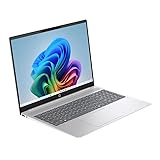
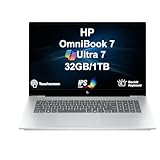
HP has given the OmniBook line a tidy, modern look in finishes like Glacier Silver, with slim profiles and comfortable keyboards. The OmniBook 5 offers a 16-inch 2K touchscreen that feels roomy for multitasking, while the smaller OmniBook 3 14-inch model prioritizes portability. The all-in-one OmniBook 24 brings a 23.8-inch touchscreen with an adjustable tilt for desk use, and the larger OmniBook 7 targets those who want a big 17.3-inch canvas. Build quality is solid and travel-friendly across the range.
Performance
As Copilot+ PCs, these machines include NPUs capable of accelerating on-device AI, and the processor choices shape the experience. AMD Ryzen AI 7 and Ryzen AI 5 chips deliver strong all-round performance for productivity and light creative work, while Snapdragon X models emphasize efficiency and battery life. With up to 32GB of LPDDR5x memory and fast SSDs up to 2TB, these laptops handle heavy multitasking, browsing, and office workloads smoothly, and the 2K touchscreens keep everything looking crisp.
Pros & Cons
- Copilot+ AI features: Built-in NPUs unlock on-device Windows 11 AI tools.
- Sharp 2K touchscreens: Roomy, high-resolution panels across several models.
- Ample memory and storage: Configurations up to 32GB RAM and 2TB SSD.
- Varied form factors: Laptops and an all-in-one to suit different setups.
- Integrated graphics: Not designed for demanding gaming or heavy 3D work.
- App compatibility on ARM: Snapdragon models may run some apps via emulation.
- Premium configs add up: Higher memory and storage raise the price.
Alternatives to Consider
If you need discrete graphics for gaming or GPU-heavy creative apps, a laptop with a dedicated NVIDIA GPU is a better match. Buyers who prioritize maximum battery life might favor the Snapdragon X OmniBook models, while those who want guaranteed app compatibility should lean toward the AMD Ryzen AI versions. Anyone wanting a desktop experience should consider the OmniBook all-in-one, which pairs a large touchscreen with a clutter-free footprint.
Frequently Asked Questions
What makes a laptop a Copilot+ PC?
A Copilot+ PC includes a fast NPU that meets Microsoft’s requirements for on-device AI, enabling features like enhanced search and creative tools directly in Windows 11.
Should I choose AMD or Snapdragon?
AMD Ryzen AI models offer broad app compatibility and strong all-round performance, while Snapdragon X versions emphasize efficiency and battery life but may emulate some x86 apps.
Can HP Copilot+ PCs handle gaming?
They manage light and older titles through integrated graphics, but they lack a discrete GPU, so demanding modern games are not their focus.
How much memory should I get?
16GB is comfortable for everyday use, while 32GB benefits heavy multitaskers and those who keep many apps and browser tabs open at once.
Verdict
HP’s Copilot+ PC lineup is a strong choice for buyers who want modern AI features in a clean, dependable Windows machine. The bright 2K touchscreens, generous memory and storage options, and range of form factors make it easy to find a fit, whether you want a portable 14-inch OmniBook or a desk-friendly all-in-one. It is not built for gaming, but for productivity, browsing, and everyday AI-enhanced work, an HP Copilot+ PC delivers a polished, future-ready experience.