- Top Pick: Focusrite Scarlett Solo 3rd Gen USB-C Audio Interface
- Best Value: Focusrite Scarlett Solo 4th Gen USB-C Audio Interface
- Premium Choice: Focusrite Scarlett Solo 3rd Gen USB Audio Interface Bundle with Audio-Technica ATH-M20x Headphones, Studio Recording Kit for Musicians, Podcasters, Content Creators, Includes USB Cable and Software
The Focusrite Scarlett Solo 3rd Gen is a USB-C audio interface aimed at solo content creators, streamers, podcasters and home recordists. It pairs a single XLR microphone preamp with phantom power, a single instrument-level input, and 24-bit / 192kHz conversion in a compact red desktop box. This Focusrite Scarlett Solo 3rd Gen review covers the form factor, sound quality, connectivity, use cases and value as one of the most widely recommended starter interfaces.

Focusrite Scarlett Solo 3rd Gen USB-C Audio Interface | 1 XLR Mic Preamp, 1 Hi-Z Instrument Input, 24-Bit/192kHz, 56dB Gain Range, Air Mode, macOS/Windows/iPadOS Compatible






As an Amazon Associate we earn from qualifying purchases. Product prices and availability are accurate as of the date/time indicated.
🛒 Best Price Today on Amazon
Prime members get fast, free shipping on everything above, plus member-only deals. New members get a 30-day free trial — cancel anytime.
As an Amazon Associate we earn from qualifying purchases.



Focusrite Scarlett Solo 3rd Gen at a Glance
| Feature | Specification |
|---|---|
| Type | USB-C desktop audio interface (single mic + instrument input) |
| Bit depth / sample rate | 24-bit / 192kHz |
| DAC chip | Focusrite-tuned converter (in-house design, 3rd-gen Scarlett path) |
| Headphone amp output power | Dedicated headphone amp on front (drives common studio and gaming headphones) |
| Inputs | 1x XLR mic with phantom power, 1x 1/4-inch instrument (Hi-Z) |
| Outputs | 2x balanced 1/4-inch TRS monitor out, 1x 1/4-inch headphone |
| Channel count | 2-in / 2-out stereo |
| Power source | USB-C bus-powered |
| Approx price | around $130 |
Sound Quality & DAC Chip Performance
Before diving into the specifics of this product it is worth a brief refresher on the three technical decisions that shape every external audio device review: form factor (USB dongle, desktop DAC, PCIe internal sound card or USB audio interface), DAC chip and conversion quality (the digital-to-analog converter that turns the PC’s bitstream into a real audio signal), and headphone amplification (the small built-in amplifier that drives the headphones from the analog output). A USB dongle DAC like the UGREEN USB-C adapter or the Sabrent USB sound adapter is a tiny device that plugs straight into a USB port and adds a 3.5mm headphone output; it is small, cheap and ideal for laptops or PCs missing a working audio jack. A desktop DAC such as the iFi Zen DAC V2, FiiO K5 Pro or Fosi Audio Q4 sits beside the monitor on the desk, runs from external power or USB, and pairs a higher-quality DAC chip with a more capable headphone amplifier — the typical step up for audiophile listeners and demanding gaming headsets.
A PCIe internal sound card like the Creative Sound Blaster Audigy FX or Audigy RX 7.1 installs into a desktop PC’s PCIe slot, replaces the motherboard’s onboard audio, and is the traditional route for buyers who want surround-sound output, line-level inputs and a permanent solution that does not occupy a USB port. A USB audio interface like the Focusrite Scarlett Solo 3rd Gen is a desktop box that combines a high-quality DAC, headphone amp and one or more microphone preamps with phantom power — the standard tool for content creators recording vocals, instruments or podcasts at studio quality. The choice of form factor depends entirely on use case: dongles for portability, desktop DACs for listening, PCIe cards for desktop integration and surround output, and audio interfaces for recording.
Two practical points round out the refresher. First, headphone impedance matters. Easy-to-drive consumer headphones (most gaming headsets, earbuds and 32-ohm cans) work well from any output, including a phone jack. Harder-to-drive audiophile headphones (250-ohm or 600-ohm models from Beyerdynamic, Sennheiser HD600 series, planar magnetics from HiFiMan) benefit substantially from a dedicated headphone amp inside a desktop DAC — they reach proper listening volume with cleaner dynamics and tighter bass. Second, onboard motherboard audio is better than it used to be, so the upgrade is most worthwhile if you have demanding headphones, noticeable interference (buzz, hiss, coil whine on the analog output), or specific needs like a clean microphone input or surround output. Keep these three decisions in mind — they decide more about whether a sound card or DAC is right for you than the marketing on the box.
The Scarlett Solo is built for honest 24-bit / 192kHz conversion using Focusrite’s in-house converter path, refined over three generations of the Scarlett line. In practical terms that means clean, neutral playback and clean recording with low noise floors at sensible gain settings — the kind of quality streamers, podcasters and home recordists actually need. It is not aimed at the audiophile listening market dominated by the iFi Zen DAC V2 or FiiO K5 Pro (those products focus on playback quality rather than recording), but for combined recording-and-listening duty in a streaming or home-studio context, the Scarlett Solo is a benchmark device. The DAC quality is genuinely good — a meaningful upgrade over motherboard audio for headphone listening as well as monitoring.
Headphone Amp Power & Impedance Matching
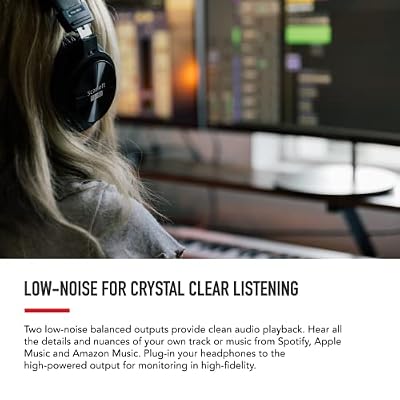
The Solo includes a dedicated front-panel headphone amplifier with its own volume control, which is one of its standout features versus pure consumer USB DACs. It drives common studio headphones — Audio-Technica ATH-M50x, Sony MDR-7506, AKG K371, Beyerdynamic DT 770 Pro 80-ohm — to proper monitoring levels with headroom. It will run higher-impedance cans like the Beyerdynamic DT 880 250-ohm or Sennheiser HD600/650 to listening volume, although a dedicated headphone amp section in a desktop DAC like the FiiO K5 Pro or iFi Zen DAC V2 will sound more authoritative on those harder loads. For most streamers and recordists using normal studio headphones, the Solo’s headphone output is more than adequate.
Connectivity & I/O
The Solo’s connectivity is purpose-built for one-person recording. Front: a combined XLR / 1/4-inch combo jack for the mic preamp (with switchable 48V phantom power for condenser microphones), a dedicated 1/4-inch instrument input for guitar or bass (with Hi-Z impedance matching), a large monitor-out level knob, and a 1/4-inch headphone output with its own level. Back: USB-C to the computer, and two balanced 1/4-inch TRS line outputs to feed powered studio monitors or a headphone amp. It is the right set of jacks for a single creator recording vocals, dialogue or instruments — and just as importantly, it is wired correctly for clean signal paths.
Gaming / Music / Streaming Use Cases
The Scarlett Solo is the standard recommendation for streamers, podcasters and home recordists who want studio-grade sound. Three primary use cases: (1) Streaming voice: pair an XLR dynamic microphone (Shure SM7B, SM58, RODE PodMic) with the Solo’s mic preamp for broadcast-quality voice that consumer USB mics struggle to match; (2) Podcasting: clean mic preamp, monitoring via headphones and a proper recording path into Audacity, Reaper, GarageBand or any DAW; (3) Home recording: guitar via the Hi-Z input, condenser microphones for vocals or acoustic instruments, monitoring through studio headphones or powered monitors. For pure gaming, a USB gaming headset or a desktop DAC is simpler — see our best gaming headsets guide — but for creators who want microphone quality as well as headphone output, the Solo is the natural choice. Pair it with a microphone from our best USB microphone guide.
Setup & Compatibility
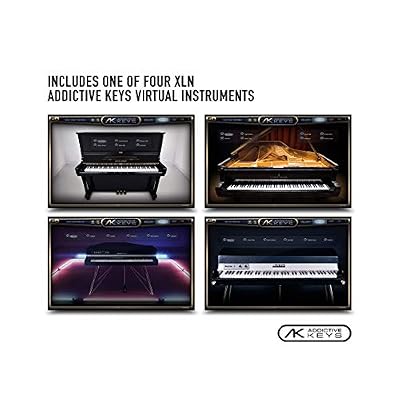
Setup is straightforward across Windows and macOS. Focusrite Control software handles routing, sample rate and basic monitoring, while the Solo registers as a standard USB Audio Class device for everyday use. The interface bundles useful starter software — typically including Ableton Live Lite, Pro Tools Artist (subscription period), Focusrite plugin suite and several virtual instruments — which is meaningful value for someone setting up a first recording chain. Drivers are mature and stable; latency is low enough for live monitoring through the interface. On the hardware side, the included USB-C-to-A cable suits most computers, and the bus-powered design means no external supply on the desk.
Verdict
At around $130 the Focusrite Scarlett Solo 3rd Gen is the standard answer for solo creators who need a single microphone, a single instrument input and a clean headphone output in one box. It is not designed as a pure audiophile listening DAC — the iFi Zen DAC V2 or FiiO K5 Pro do that job better for the same money — and it is not a surround gaming card like the Sound Blaster G6 or Audigy RX. But for streamers, podcasters and home recordists, the Scarlett Solo is built precisely for the job and earns the recommendation it has held for years. See our streaming setup guide for the full streaming setup.
Frequently Asked Questions
Does the Focusrite Scarlett Solo work with OBS?
Yes. It registers as a standard USB audio device, so OBS, Streamlabs, vMix, Discord and every common streaming and recording application picks it up automatically as input and output.
Can the Scarlett Solo provide phantom power?
Yes. The mic preamp has a 48V phantom power switch on the front panel, which is needed for condenser microphones like the Audio-Technica AT2020, RODE NT1 or AKG C414.
Is the Scarlett Solo bus-powered?
Yes. It runs from USB-C with no external power supply, which keeps the desk clean. The included USB-C cable suits most computers.
Is the Scarlett Solo good for gaming?
It is overkill for pure gaming — a USB gaming headset or a desktop DAC is simpler. But if you stream, podcast or record alongside gaming, the Solo handles all of those tasks in one box.
More Sound Card & DAC Reviews
- UGREEN USB-C to 3.5mm Audio Adapter Review: 24bit/96kHz Hi-Fi Dongle DAC
- Sound BlasterX G6 Review: 130dB 32-bit/384kHz Gaming DAC and Amp
- Creative Sound Blaster Audigy FX Review: PCIe 5.1 Internal Sound Card
- Creative Sound Blaster Play! 3 Review: External USB Audio Adapter
- Fosi Audio Q4 DAC Headphone Amp Review: Desktop PC DAC
- Creative Sound Blaster Audigy RX 7.1 Review: PCIe Sound Card
- iFi Zen DAC V2 Review: Desktop Audiophile DAC USB 3.0
- FiiO K5 Pro Review: Desktop DAC and Headphone Amp 768K/32Bit
Affiliate Disclosure: As an Amazon Associate, we earn from qualifying purchases. If you click a link and make a purchase, we may earn a small commission at no extra cost to you. Prices and availability are accurate as of publication and may change.
Related Articles
Looking for more on this topic? Browse the hand-picked guides below — each one applies the same scoring rubric used in this review.