- Top Pick: iFi Zen DAC V2 | Desktop Digital Analog Converter with USB 3.0 B Input only/Outputs: 6.3mm Unbalanced / 4.4mm Balanced/RCA – MQA DECODER – Audio System Upgrade (Unit only)
- Best Value: Zen DAC V3 -Desktop DAC Preamp, Digital to Analog Audio Converter
- Premium Choice: iFi Zen Air DAC 2 Hi-Res Audio Converter, 300% More Headphone Drive
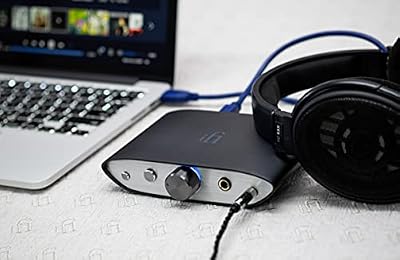
The iFi Zen DAC V2 is a desktop audiophile USB-powered DAC and headphone amplifier built around a Burr-Brown DAC chip, with a balanced 4.4mm Pentaconn headphone output, standard 6.35mm output, RCA line-outs and a 3.5mm fixed line-out. It is one of the most widely recommended budget audiophile DACs for desktop PC and hi-fi listeners. This iFi Zen DAC V2 review covers the form factor, sound quality, connectivity, use cases and value as a reference budget-audiophile DAC.

iFi Zen DAC V2 | Desktop Digital Analog Converter with USB 3.0 B Input only/Outputs: 6.3mm Unbalanced / 4.4mm Balanced/RCA - MQA DECODER - Audio System Upgrade (Unit only)




As an Amazon Associate we earn from qualifying purchases. Product prices and availability are accurate as of the date/time indicated.
🛒 Best Price Today on Amazon
Prime members get fast, free shipping on everything above, plus member-only deals. New members get a 30-day free trial — cancel anytime.
As an Amazon Associate we earn from qualifying purchases.


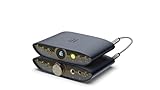

iFi Zen DAC V2 at a Glance
| Feature | Specification |
|---|---|
| Type | Desktop USB DAC and headphone amplifier (audiophile-tuned) |
| Bit depth / sample rate | Up to 32-bit / 384kHz PCM, native DSD256, MQA-renderer |
| DAC chip | Burr-Brown (Texas Instruments) DAC — iFi’s signature converter |
| Headphone amp output power | Balanced 4.4mm + single-ended 6.35mm; drives 16–600 ohm cans |
| Inputs | 1x USB 3.0 (Type B) |
| Outputs | 1x 4.4mm balanced + 1x 6.35mm headphone, 2x RCA, 1x 3.5mm fixed line-out |
| Channel count | 2.0 stereo (true balanced amplification on 4.4mm) |
| Power source | USB bus-powered (external iPower DC adapter optional) |
| Approx price | around $200 |
Sound Quality & DAC Chip Performance
Before diving into the specifics of this product it is worth a brief refresher on the three technical decisions that shape every external audio device review: form factor (USB dongle, desktop DAC, PCIe internal sound card or USB audio interface), DAC chip and conversion quality (the digital-to-analog converter that turns the PC’s bitstream into a real audio signal), and headphone amplification (the small built-in amplifier that drives the headphones from the analog output). A USB dongle DAC like the UGREEN USB-C adapter or the Sabrent USB sound adapter is a tiny device that plugs straight into a USB port and adds a 3.5mm headphone output; it is small, cheap and ideal for laptops or PCs missing a working audio jack. A desktop DAC such as the iFi Zen DAC V2, FiiO K5 Pro or Fosi Audio Q4 sits beside the monitor on the desk, runs from external power or USB, and pairs a higher-quality DAC chip with a more capable headphone amplifier — the typical step up for audiophile listeners and demanding gaming headsets.
A PCIe internal sound card like the Creative Sound Blaster Audigy FX or Audigy RX 7.1 installs into a desktop PC’s PCIe slot, replaces the motherboard’s onboard audio, and is the traditional route for buyers who want surround-sound output, line-level inputs and a permanent solution that does not occupy a USB port. A USB audio interface like the Focusrite Scarlett Solo 3rd Gen is a desktop box that combines a high-quality DAC, headphone amp and one or more microphone preamps with phantom power — the standard tool for content creators recording vocals, instruments or podcasts at studio quality. The choice of form factor depends entirely on use case: dongles for portability, desktop DACs for listening, PCIe cards for desktop integration and surround output, and audio interfaces for recording.
Two practical points round out the refresher. First, headphone impedance matters. Easy-to-drive consumer headphones (most gaming headsets, earbuds and 32-ohm cans) work well from any output, including a phone jack. Harder-to-drive audiophile headphones (250-ohm or 600-ohm models from Beyerdynamic, Sennheiser HD600 series, planar magnetics from HiFiMan) benefit substantially from a dedicated headphone amp inside a desktop DAC — they reach proper listening volume with cleaner dynamics and tighter bass. Second, onboard motherboard audio is better than it used to be, so the upgrade is most worthwhile if you have demanding headphones, noticeable interference (buzz, hiss, coil whine on the analog output), or specific needs like a clean microphone input or surround output. Keep these three decisions in mind — they decide more about whether a sound card or DAC is right for you than the marketing on the box.
The Zen DAC V2 is built around a Burr-Brown DAC chip, which is iFi’s signature converter and one of the reasons the Zen line earned its audiophile reputation. The Burr-Brown converter is known in audiophile circles for a slightly warm, analog-leaning presentation — detail-rich but never clinical or fatiguing. Compared to the typical ESS-class DAC chips in mid-range competitors, the Burr-Brown trade is small but real: ESS tends toward absolute transparency, Burr-Brown toward musicality. The V2 supports up to 32-bit / 384kHz PCM, native DSD256 playback and MQA full rendering, so it handles any source format a listener is likely to feed it from Tidal, Qobuz, Apple Music Lossless or local FLAC and DSD libraries. It is genuinely audiophile-grade conversion at a budget audiophile price.
Headphone Amp Power & Impedance Matching
The Zen DAC V2 includes a properly balanced headphone amplifier on the 4.4mm Pentaconn output — a real differentiating feature at this price. Balanced amplification drives left and right channels with independent return paths, which reduces crosstalk and increases available power versus standard single-ended output. In practical use, the V2’s 4.4mm output drives demanding 250-ohm Beyerdynamics, 300-ohm Sennheiser HD600/650 and even 600-ohm DT 880 Pro to listening volume with cleaner dynamics and tighter bass than a single-ended amp at the same price. The 6.35mm single-ended jack works for the broader population of unbalanced headphones (Audio-Technica ATH-M50x, Sony MDR-7506, etc) and handles those cleanly. iFi targets the Zen DAC V2 at audiophile listeners and the amp section is the reason.
Connectivity & I/O
The V2’s connectivity is listening-focused rather than feature-loaded. Front: 4.4mm balanced headphone jack, 6.35mm single-ended headphone jack, large volume knob, TrueBass switch, PowerMatch (gain) switch. Rear: USB 3.0 Type B input, RCA stereo line-out (fixed or variable), 3.5mm fixed line-out, and a 5V DC barrel for the optional iPower supply (which provides cleaner power than typical USB bus power for the analog stages). There is no optical, no coaxial, no microphone input — the Zen DAC V2 is a USB-input listening DAC, not a multi-input desk hub like the Fosi Audio Q4 or recording interface like the Focusrite Scarlett Solo. The TrueBass switch adds a tasteful analog bass lift for headphones that benefit; PowerMatch selects gain for harder loads.
Gaming / Music / Streaming Use Cases
The Zen DAC V2 is primarily a music listening DAC, not a feature-loaded gaming DAC like the Sound BlasterX G6. Three core use cases: (1) Desktop audiophile listening: high-bitrate streaming from Tidal/Qobuz/Apple Music, balanced output to demanding headphones, RCA line-out to active monitors — the natural home; (2) Headphone upgrade for PC: significantly cleaner output and more authoritative amp than motherboard audio for owners of Beyerdynamic, Sennheiser, HiFiMan or Focal headphones; (3) Hi-fi system source: RCA out to a stereo integrated amp turns the V2 into the PC’s bridge to a separate hi-fi system. For pure gaming with Scout Mode and surround, see the Sound BlasterX G6; for the iFi target audience of audiophile listeners, the V2 is the reference budget recommendation. See our best PC speakers guide for matched powered monitors.
Setup & Compatibility
The Zen DAC V2 is plug-and-play on macOS and most Linux distributions via USB Audio Class 2.0. On Windows, iFi provides an optional ASIO driver for bit-perfect playback (recommended for high-bitrate DSD and PCM 192/384), although the V2 also works on the OS’s built-in USB Audio driver for everyday use. Setup is straightforward: USB to the host, headphones in either jack, RCA out to speakers if used. The optional iFi iPower 5V supply (around $50) is a worthwhile upgrade for buyers chasing the last few percent of analog clarity — it replaces noisy USB bus power with a clean DC source for the V2’s analog stages. The unit is bus-powered without it.
Verdict
At around $200 the iFi Zen DAC V2 is the reference budget audiophile DAC. The Burr-Brown DAC chip, true balanced 4.4mm headphone output, TrueBass and PowerMatch controls and broad format support (DSD256, MQA, 32/384) make it as well-specified for music listening as anything near the price. It is not a gaming DAC like the Sound BlasterX G6 and it is not a recording interface like the Focusrite Scarlett Solo — and it is not the best choice if you want optical or coaxial input (look at the Fosi Audio Q4 or FiiO K5 Pro for that). But for the buyer who wants pure listening quality at a budget audiophile price, the V2 earns its long-standing recommendation. Pair it with the headphones in our best gaming headsets guide.
Frequently Asked Questions
What DAC chip does the iFi Zen DAC V2 use?
It uses a Burr-Brown (Texas Instruments) DAC chip — iFi’s signature converter, known in audiophile circles for a slightly warm, musical, analog-leaning presentation versus the more clinical ESS-class converters.
Is the Zen DAC V2 balanced?
Yes. The 4.4mm Pentaconn headphone output is a true balanced amp section with independent left and right return paths, which reduces crosstalk and increases available power on demanding headphones.
Does the Zen DAC V2 support MQA?
Yes. It is a full MQA renderer, which means it decodes the full MQA stream end-to-end for compatible Tidal streams.
Do I need the iFi iPower supply?
Not for basic use — the Zen DAC V2 is bus-powered from USB. The iPower is an optional upgrade for buyers chasing the last few percent of analog clarity by replacing noisy USB power with a clean DC source.
More Sound Card & DAC Reviews
- FiiO K5 Pro Review: Desktop DAC and Headphone Amp 768K/32Bit
- Fosi Audio K5 Pro Gaming DAC Review: Headphone Amp for Desktop
- PROZOR 192kHz Digital to Analog DAC Review: Optical to RCA Converter
- SABRENT USB External Stereo Sound Adapter Review: Budget USB DAC
- Focusrite Scarlett Solo 3rd Gen Review: USB Audio Interface
- UGREEN USB-C to 3.5mm Audio Adapter Review: 24bit/96kHz Hi-Fi Dongle DAC
- Sound BlasterX G6 Review: 130dB 32-bit/384kHz Gaming DAC and Amp
- Creative Sound Blaster Audigy FX Review: PCIe 5.1 Internal Sound Card
Affiliate Disclosure: As an Amazon Associate, we earn from qualifying purchases. If you click a link and make a purchase, we may earn a small commission at no extra cost to you. Prices and availability are accurate as of publication and may change.
Related Articles
Looking for more on this topic? Browse the hand-picked guides below — each one applies the same scoring rubric used in this review.