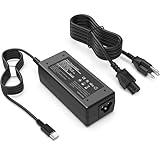
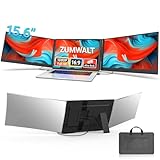
- Top Pick: 15.6" Laptop Screen Extender, 1080P FHD Triple Portable Monitor for Laptops, Ultra-Slim Travel Dual Monitor Fit for 12"-17.3" Laptops, USB-C Plug&Play Extended Screen Compatible with Win/Mac/Android
- Best Value: WGK 15.6 inch Portable Monitor 1080P FHD Travel Display HDMI/USB-C Compatible with Laptops, Desktops, Phones, PS, Mac, Xbox, Switch, and Other Gaming Devices Includes Stand and Speakers VESA
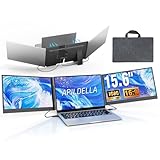
- Premium Choice: APILDELLA 15.6’’ Triple Laptop Screen Extender, 1080P FHD Portable Dual Monitor for Laptop USB C HDMI, Plug-Play Monitor Extender for Triple Display for Mac/Windows, Fit 13”-17.3” Laptops
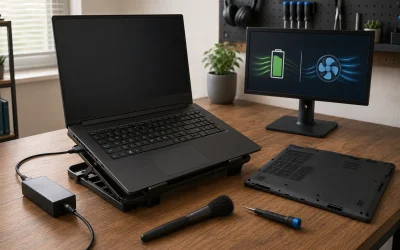
Adding a dual monitor display to your laptop is one of the most impactful productivity upgrades you can make, and modern accessories make it easier than ever. Whether you choose a lid-mounted screen extender, a standalone portable monitor, or a docking station driving external displays, the extra screen real estate transforms how efficiently you work.
This review evaluates the best ways to run a dual monitor display with a laptop, comparing extenders, portable monitors, and docks, so you can build the multi-screen setup that fits your workflow and location.
As an Amazon Associate we earn from qualifying purchases at no extra cost to you.



🎮 Get More From Your Setup — Free
Prime Gaming gives you free PC games every month, in-game loot, and a free Twitch channel sub — plus fast free shipping on all the gear above. New members get a 30-day free trial.
Watch: Dual Monitor Display Laptop — Video Review
Design & Build
There are three main routes to a dual-display laptop. Lid-mounted extenders like the 15.6-inch triple-portable and APILDELLA 15.6-inch models clip to your laptop and swing out FHD IPS panels, folding flat for travel. Standalone portable monitors such as the WGK and MNN 15.6-inch displays sit on kickstands and connect over USB-C or HDMI, offering flexible placement and multi-device use. The third route is a docking station like the Anker 8-in-1 USB-C hub, which drives external monitors while adding ports for a fixed desk setup. Extenders integrate best for travel, portable monitors offer versatility, and docks are ideal for a permanent home or office workstation.
Performance
All three approaches deliver a genuine dual-display experience. Lid-mounted extenders like the APILDELLA and 235-degree rotation models provide sharp FHD IPS panels that travel as one unit, though they add weight to the hinge. Standalone monitors such as the MNN 60Hz FHD IPS and WGK with built-in speakers offer more placement freedom and double as displays for phones and consoles. The Anker docking station shines at a desk, using a single USB-C connection to drive a 4K HDMI monitor while delivering power and extra ports, the cleanest solution for a stationary setup. Connectivity is the key variable: single-cable USB-C is smoothest, and you should confirm your laptop supports video output over its USB-C port. Refresh rates of 60Hz suit productivity perfectly.
Pros & Cons
- Major productivity boost from a true second display.
- Three flexible approaches: extender, portable monitor, or dock.
- Portable options for dual screens on the road.
- Docking stations add ports and drive 4K displays at a desk.
- Extenders add hinge weight, and docks tether you to a desk.
- USB-C video support required for single-cable operation.
Alternatives to Consider
If you work on the go, a lid-mounted extender or standalone portable monitor like the MNN is the way to go. For a fixed desk with external monitors, the Anker docking station is the cleanest and most capable solution, adding ports as well as display output. Users who want maximum screen space should consider a triple-screen extender, while those wanting a larger display at home could pair a dock with a full-size external monitor for the best value per inch.
Frequently Asked Questions
What is the easiest way to add a second screen to a laptop?
A standalone portable monitor connected via a single USB-C cable is often the simplest, while lid-mounted extenders integrate best for travel. Both enable dual-display mode instantly.
Do I need a docking station?
Only for a fixed desk with external monitors. A dock like the Anker 8-in-1 drives displays and adds ports over one cable, but for mobile dual screens an extender or portable monitor is better.
Will my laptop support dual external displays?
It depends on your GPU and ports. Many laptops support at least one external monitor over USB-C or HDMI; driving multiple 4K displays may require a dock and adequate graphics support.
Do portable monitors need their own power?
Single-cable USB-C monitors draw power and video from your laptop on compatible ports. Some larger or brighter models may need separate power, so check the specifications.
Verdict
Running a dual monitor display with your laptop is a productivity game-changer, and the best method depends on where you work. Lid-mounted extenders and portable monitors like the MNN are ideal for mobility, while the Anker docking station is the top pick for a clean, powerful desk setup. Confirm your laptop’s USB-C video support, choose the approach that fits your workflow, and enjoy the efficiency of two screens.