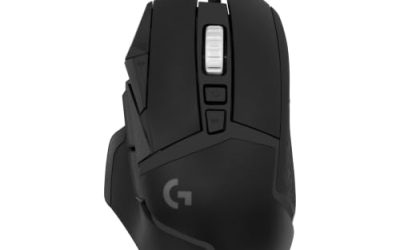
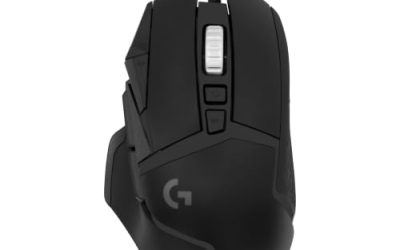
Choosing a Zowie mouse is not a spec-sheet contest, and that is exactly the point of the brand. BenQ Zowie builds driverless esports mice around a handful of proven shapes, fixed DPI steps, and hardware switches underneath the shell, so the real decision is which shape family fits your hand and grip: the ergonomic EC curve, the low symmetrical FK profile, or the same EC shape with a wireless receiver. Sensor numbers are deliberately modest compared with rival flagships, because Zowie tunes for predictable tracking and zero software interference rather than headline figures.
This guide is for competitive FPS players, especially Counter-Strike and Valorant players, who already know they want the Zowie approach and need help narrowing the range. It is also for returning players replacing an older EC-B or FK-B. Every pick was chosen from its Amazon product page, using the listed sensor, DPI steps, report rates, and weights, and all three are current C-generation models sold by BenQ on Amazon US.
Quick Picks
As an Amazon Associate we earn from qualifying purchases.
| Product | Best for | Key spec from title |
|---|---|---|
| BenQ Zowie EC2-C | Palm and claw players who want the classic ergonomic EC shape | 24-step scroll wheel, paracord cable |
| BenQ Zowie EC2-CW | EC fans who want the same shape without a cable | Enhanced receiver, driverless |
| BenQ Zowie FK2-C | Fingertip and claw players who prefer a low, flat profile | Symmetrical design, 24-step scroll wheel |
How to Choose
Start with the shape family, not the sensor
Zowie’s range is organised by shell geometry. The EC series is an ergonomic right-handed shape with a curve that fills the palm, built for palm and relaxed claw grips and for the wide horizontal swipes common in tactical shooters. The FK series is symmetrical and noticeably lower, leaving space between the palm and the hump so fingertip and aggressive claw players can make small vertical corrections without the shell pushing back. The S and ZA families exist too, but the EC and FK lines cover most players. If you can, decide the family first; size and connection come second, because a perfect sensor in the wrong shape still feels wrong.
Pick the size inside the family honestly
Within each family the number marks the size: 1 is large, 2 is medium, and 3 is small where it exists. The EC2-C and FK2-C in this guide are the medium shells, and they suit the broad middle of hand sizes using palm or claw grips. Players with large hands who palm the mouse fully often find the medium EC tight at the ring finger and should look at the EC1-C instead, while small-handed fingertip players may prefer an EC3-C or FK1-C. Zowie prints the weight and size class right in the listing title, so compare those against the mouse you already own before ordering.
Wired paracord or wireless receiver
The C-generation wired models use a soft paracord cable with a raised, angled attachment point, which keeps drag low enough that many players skip a mouse bungee entirely. The EC2-CW removes the cable and pairs it with an enhanced receiver designed to hold a stable connection in crowded wireless environments such as LAN events and shared gaming rooms. Wireless adds weight and a battery to manage; the EC2-CW is listed at 77 grams against the wired EC2-C’s lighter shell. If your desk is fixed and you value the simplest setup, wired remains the purist choice. If you travel to events or hate any cable tug, the CW earns its place.
Accept the fixed DPI steps and driverless design
Every Zowie mouse here is driverless. DPI is chosen from four fixed steps, 400, 800, 1,600, and 3,200, using a switch on the underside, and the report rate adjusts between 125, 500, and 1,000Hz the same way. There are no macros, no RGB, and no software profiles to sync. For competitive players this is a feature: the mouse behaves identically on a tournament PC, a laptop, or a fresh Windows install. If your games rely on extra programmable buttons or per-game lighting, Zowie is the wrong brand, and no setting buried in a menu will change that. Buy it for shape and consistency, not for customisation depth.
The 3 Best Options
BenQ Zowie EC2-C Ergonomic Gaming Mouse

The EC2-C is the default Zowie recommendation and the mouse most players picture when the brand comes up. Its ergonomic shell supports the right hand with a gentle curve that suits palm and claw grips, and the medium size works for the widest range of hands. The Amazon listing highlights the lighter C-generation build, a paracord cable that moves freely across the pad, and a 24-step scroll wheel with distinct stops for weapon switching. Underneath, switches set the DPI stage and report rate with no software involved, and extra mouse feet are included in the box for when the originals wear down.
Specs
- Sensor: 3360 optical sensor, as listed
- DPI: 400 / 800 / 1,600 / 3,200 steps
- Report rate: 125 / 500 / 1,000Hz, adjustable on the mouse
- Connection: wired USB with paracord cable
- Scroll wheel: 24-step wheel
- Weight: 73 grams without cable
- Shape: ergonomic right-handed, medium size
- Software: driverless, plug and play
Best for: Palm and claw grip FPS players who want the proven EC shape in its wired form.
Watch out for: The shape is right-handed only, and the fixed 3,200 DPI ceiling is by design, so players who game at very high sensitivity settings should confirm the steps cover their needs.
BenQ Zowie EC2-CW Wireless Ergonomic Gaming Mouse

The EC2-CW answers the one complaint EC loyalists had for years: the cable. It keeps the medium ergonomic EC shell and the driverless setup, then adds a 2.4GHz wireless link through an enhanced receiver that doubles as a charging dock and is built to resist interference in busy gaming spaces. The listing keeps the 24-step scroll wheel and matte black coating of the wired model, and DPI and report rate are still set with hardware switches rather than an app. At a listed 77 grams it gives up a little of the wired model’s lightness, but it removes cable drag entirely, which many players feel more than four grams.
Specs
- Sensor: 3370 optical sensor
- DPI: 400 / 800 / 1,600 / 3,200 steps
- Connection: 2.4GHz wireless with enhanced receiver, wired charging
- Scroll wheel: 24-step wheel
- Weight: 77 grams
- Shape: ergonomic right-handed, medium size
- Software: driverless, plug and play
Best for: EC-shape fans who play in wireless-heavy rooms or travel to LANs and want a stable, cable-free setup.
Watch out for: Wireless means battery management joins your routine, and the receiver wants a clear spot on the desk; check the listing’s current offer carefully, because this model sells through a small number of BenQ offers.
BenQ Zowie FK2-C Symmetrical Gaming Mouse

The FK2-C is the Zowie pick for players who found the EC’s hump too present. Its symmetrical shell sits lower and flatter, with concave sides that make the mouse easy to lift and reposition, which is why fingertip and claw players gravitate to it for micro-adjustments in aim trainers and tactical shooters. The listing describes the same C-generation formula as the EC2-C: reduced weight, a paracord cable, and a 24-step scroll wheel, all driverless. The right-side buttons are omitted so a right-handed grip never presses them by accident, keeping the layout clean at five buttons.
Specs
- Sensor: 3360 optical sensor, as listed
- DPI: 400 / 800 / 1,600 / 3,200 steps
- Report rate: 125 / 500 / 1,000Hz, adjustable on the mouse
- Connection: wired USB with paracord cable
- Buttons: 5 buttons
- Weight: 70 grams without cable
- Shape: symmetrical low profile, medium size
- Software: driverless, plug and play
Best for: Fingertip and claw players who want a low, light, symmetrical shell for precise micro-corrections.
Watch out for: The low profile offers little palm support on long sessions, so full palm-grip players usually prefer the EC shape; confirm the medium FK2-C rather than the larger FK1-C or FK1+-C when ordering.
Which One Fits Your Situation
You play tactical shooters with a palm or relaxed claw grip
The EC2-C is your mouse. The ergonomic curve supports the hand through long ranked sessions, the wired paracord connection is as close to invisible as cables get, and the hardware DPI switch means your 800 DPI setting is identical on any PC you sit down at, with nothing to install.
You compete at LANs or share a room full of wireless gear
Choose the EC2-CW. The enhanced receiver exists specifically for interference-heavy environments, and removing the cable simplifies a travel setup. You accept battery charging as part of the routine and a small weight increase over the wired EC2-C, and in return the mouse feels the same at home and on stage.
Your aim style is fingertip-driven with constant small lifts
The FK2-C matches that style. The low symmetrical profile leaves room for your fingers to steer the mouse, the concave sides help you lift without squeezing, and at 70 grams it is the lightest option here. Players who rest their whole palm down should look at the EC models instead.
You are replacing an older Zowie and want zero surprises
Stay inside your current family and size. An EC-B owner should take the EC2-C or EC2-CW, and an FK-B owner should take the FK2-C; the C generation mainly trims weight, improves the cable, and refines the wheel, so the shape you already trust carries over without an adjustment period or a sensitivity change.
Common Mistakes
- Choosing by sensor specifications when Zowie’s entire value is shape; the fixed DPI steps and modest sensor figures are deliberate, not outdated.
- Ordering the wrong size inside a family, since EC1, EC2, and EC3 shells share a name but fit very different hands.
- Expecting software, macros, or RGB from a brand that is explicitly driverless on every listing.
- Assuming the wireless CW model is simply better; it trades a small amount of weight and adds battery upkeep for its cable-free connection.
- Buying a refurbished or older B-series listing by accident when the goal was the lighter C-generation model named in the title.
Frequently Asked Questions
Are Zowie mice really driverless?
Yes. Every model in this guide is listed as driverless and plug and play. DPI and report rate are changed with switches on the underside of the mouse, there is no companion application, and the settings live in the hardware itself. That is why Zowie mice behave identically on any computer, including locked-down tournament PCs where installing software is not allowed.
Is 3,200 DPI enough for competitive gaming?
For the audience these mice are built for, yes. Most professional FPS players use 400 or 800 DPI, both of which are standard steps on every Zowie mouse here. The fixed steps go up to 3,200 for players who prefer higher sensitivity. What you give up is fine-grained adjustment in small increments, which is a deliberate trade for simplicity and consistency.
What is the difference between the EC2-C and EC2-CW?
The shell, shape, and driverless philosophy are the same medium ergonomic design. The EC2-C is wired with a paracord cable and weighs 73 grams without it, while the EC2-CW is wireless through an enhanced receiver, weighs 77 grams, and needs charging. Pick based on whether cable drag or battery management bothers you more.
Which Zowie shape is best for claw grip?
Both families in this guide support claw grip, but they feel different doing it. The EC2-C fills the rear of the palm for a relaxed claw with support, while the FK2-C sits lower and leaves more room for finger movement, suiting an aggressive claw or fingertip style. Hand size decides the rest: medium shells fit most players, with larger and smaller sizes in each family.