Affiliate disclosure: As an Amazon Associate we earn from qualifying purchases. This post contains affiliate links — if you buy through them we may earn a small commission at no extra cost to you. This never affects our recommendations.
In 2020, the answer was clear: wired for competitive, wireless for convenience. In 2026, the gap has narrowed dramatically. Modern wireless gaming mice match wired latency so closely that the difference is scientifically unmeasurable in real-world gaming. The decision is now primarily about preference and budget.
As an Amazon Associate we earn from qualifying purchases at no extra cost to you.
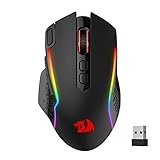


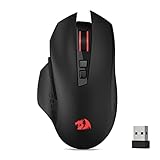
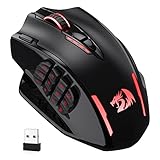
In a hurry? See the top-rated Wired vs Wireless Gaming Mouse deals available right now:
⚡ Save on Your Next PC — Amazon Prime
Prime members get fast free shipping on the systems above, plus early access to Prime Day & Black Friday PC deals. New members get a 30-day free trial.
Watch: Wired vs Wireless Gaming Mouse in 2026 — Which Is Better? — Video Review
Top Wired and Wireless Gaming Mice

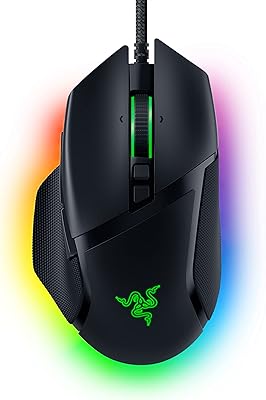


Latency: The Myth Is Dead
Early wireless mice had 8–16ms additional latency versus wired. Modern premium wireless mice (Logitech LIGHTSPEED, Razer HyperSpeed, SteelSeries Quantum Wireless) operate at 1ms polling rates with latency indistinguishable from wired in double-blind tests.
Logitech’s LIGHTSPEED technology pioneered this in 2016. By 2026, any wireless mouse from a reputable brand offers sub-1ms wireless latency. The “wired is always faster” argument no longer holds.
Weight Comparison
Wired mice can be extremely light — the Razer Viper V2 Pro (wireless) and similar ultra-light mice weigh 58–70g. Wired mice can go even lighter since there’s no battery — the Razer Viper Mini weighs just 61g.
Wireless mice add 10–20g for the battery. Premium wireless mice use lightweight lithium batteries to minimize the penalty. Budget wireless mice can be heavier due to larger batteries.
Battery Life and Charging
Modern wireless gaming mice last 50–80 hours per charge at moderate RGB settings. At full RGB brightness, expect 20–40 hours. Charging methods vary:
- USB-C cable: Universal, charges in 1–2 hours
- Wireless charging pads: Logitech POWERPLAY charges while gaming — never needs manual charging
- AA/AAA batteries: Some mice use replaceable batteries for effectively infinite battery life
When to Choose Wired
- Strict budget (quality wired mice start at $30; quality wireless starts at $70)
- Never want to think about charging
- Maximum ultralight weight (some wired mice are 50–60g)
- Playing in environments with potential 2.4GHz interference
When to Choose Wireless
- Clean, cable-free desk aesthetic
- Gaming on a couch or non-traditional setup
- Frequently moving the mouse between locations
- Willing to spend $80+ for premium wireless performance
Frequently Asked Questions
Do pro gamers use wireless mice?
Yes — many professional esports players use wireless mice in 2026, including players at the highest level of CS2 and Valorant. The competitive stigma against wireless is largely gone. Logitech G Pro X Superlight 2, Razer DeathAdder V3 Pro, and Pulsar X2V2 are popular among pros.
Can wireless mice disconnect during gaming?
With a quality 2.4GHz dongle positioned close to your mouse, disconnections are essentially unheard of in modern wireless gaming mice. Bluetooth mice are more prone to interference — stick to 2.4GHz dongles for gaming.
Is a wireless gaming mouse worth the extra cost?
If you value a clean setup and can afford $80–100, yes. If budget is tight, a $40–50 wired gaming mouse delivers identical gaming performance. Don’t stretch your budget for wireless — the wired alternative performs just as well in gameplay.
Related Articles
Looking for more on this topic? Browse the hand-picked guides below — each one applies the same scoring rubric used in this review.