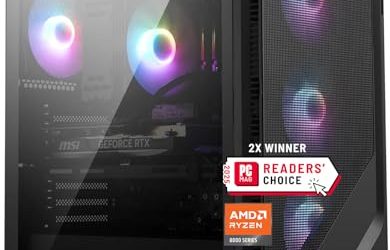
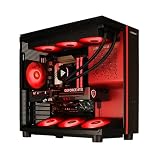
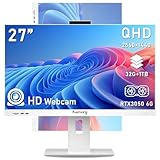
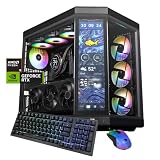
- Top Pick: Panorama XL RTX 5080 16GB, AMD 16-Core Ryzen 9 9950X3D Processor, 32GB DDR5 RAM, 2TB Gen4 NVMe SSD, Gaming Desktop PC w/Windows 11 Pro, 3-Year Warranty, Keyboard+Mouse, Internal Wi-Fi 7
- Best Value: MAONO DGM20S Gaming Microphone for PC with Clear Voice & Noise Reduction
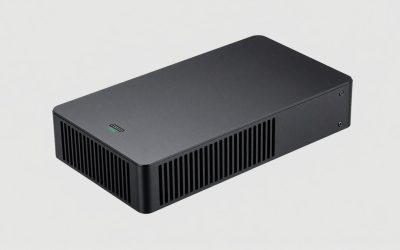
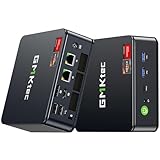
- Premium Choice: AOOSTAR GEM12 + PRO AMD R7 PRO 8845HS Mini PC, Without RAM/SSD/OS Mini Gaming PC with OCULINK, Radeon 780M Graphics, Supports Fingerprint Unlock, Mini Desktop Computer for Home Office Gaming
Content creation in 2026 asks more from a desktop than almost any other workload. A single project can mean scrubbing 4K timelines in Premiere or DaVinci Resolve, live-streaming to Twitch with a browser and OBS open, batch-editing RAW photos in Lightroom, and rendering 3D scenes or motion graphics on the side. That mix punishes any machine with a weak link, so the goal is not one heroic component but a balanced build where the CPU, GPU, memory, and storage all pull their weight at once.
This roundup focuses on desktops that hit that balance for real creative work in 2026, from budget-friendly renewed office towers up to serious Ryzen 9 rendering rigs. Whether you edit video full-time, stream on the side, or juggle design and photo work, there is a pick here sized to your workload and your budget. Below the picks you will find exactly what to prioritize and answers to the questions creators ask most.
As an Amazon Associate we earn from qualifying purchases at no extra cost to you.


⚡ Save on Your Next PC — Amazon Prime
Prime members get fast free shipping on the systems above, plus early access to Prime Day & Black Friday PC deals. New members get a 30-day free trial.
Watch: Best PC for Content Creation — Video Review
What Content Creators Need
- CPU cores for encoding: Video export, timeline playback, and live encoding all scale with cores. Aim for an 8-core chip at minimum, and step up to a 12- or 16-core Ryzen 9 if rendering and streaming are daily tasks.
- A capable GPU with enough VRAM: Modern editors, color tools, and 3D apps offload heavily to the GPU. Target 12GB of VRAM or more so 4K timelines, effects, and AI-assisted tools run smoothly without stutter.
- 32GB of RAM or more: Creative apps are memory-hungry, especially with multiple programs and browser tabs open. 32GB is the practical floor for 2026, and 64GB pays off for heavy photo stacks and large compositions.
- Fast and large storage: A Gen4 NVMe SSD keeps scratch files, caches, and project loads quick. Pair a roomy 2TB primary drive with room to add more, since raw footage fills space fast.
- Expandability for the future: Look for open RAM slots, spare drive bays, and enough power headroom to add capacity or a bigger GPU later, so the machine grows with your channel instead of boxing you in.
The Best PCs for Content Creation
Panorama XL RX 9070 XT / Ryzen 9 9950X3D
This is a true powerhouse for creators who render, edit, and stream without compromise. The 16-core Ryzen 9 9950X3D chews through timeline exports and 3D renders, while the RX 9070 XT with 16GB of VRAM keeps high-resolution playback fluid. With 32GB of DDR5 and a 2TB Gen4 SSD, it handles demanding projects out of the box and leaves headroom to scale.
Panorama XL RTX 5080 / Ryzen 9 9950X3D
For creators leaning on NVIDIA-accelerated tools, this build pairs the same 16-core Ryzen 9 9950X3D with an RTX 5080 and its 16GB of VRAM. CUDA support and NVENC encoding make it a natural fit for Premiere, Resolve, Blender, and AI workflows. The 32GB of DDR5 and 2TB Gen4 NVMe round out a rig aimed squarely at professional output.
LAN Gamer 8.1L Mini ITX / RTX 5070 Ti
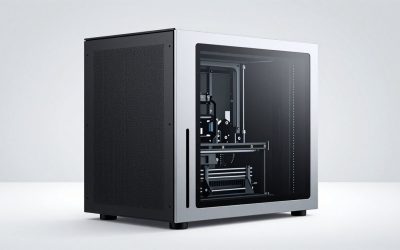
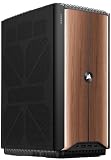
Compact but seriously capable, this 8.1-liter Mini ITX desktop drops an RTX 5070 Ti and an 8-core Ryzen 7 8700F into a small footprint. With 32GB of DDR5 and a 2TB Gen4 SSD, it suits creators who want strong editing and streaming performance on a desk with limited space, without giving up modern connectivity or Wi-Fi.
Mantis V2 / RTX 5060 Ti
A well-rounded mid-range choice, the Mantis V2 combines an RTX 5060 Ti with a Ryzen 7 5700X, 32GB of RAM, and a 2TB Gen4 NVMe SSD. It is a sensible entry point for streamers and part-time editors who want smooth 1080p and 1440p workflows, dependable encoding, and a 3-year warranty for peace of mind.
Dell OptiPlex 3060 (Renewed)
For creators on a tight budget or just starting out, this renewed OptiPlex delivers an Intel i5-8500, a generous 32GB of RAM, and a 500GB SSD at an entry-level price. It is ideal for photo editing, light video work, and content admin, and its small-form-factor design tucks neatly into a home office setup.
Frequently Asked Questions
How much RAM do I really need for video editing in 2026?
32GB is the practical baseline for smooth 4K editing and multitasking this year. If you work with large photo stacks, complex motion graphics, or keep many apps open at once, stepping up to 64GB delivers noticeably steadier performance and fewer slowdowns.
Is the CPU or GPU more important for content creation?
Both matter, which is why balance beats spending everything on one part. The CPU drives encoding, exports, and timeline responsiveness, while the GPU accelerates effects, color, playback, and 3D. A strong pairing avoids the bottleneck that a lopsided build creates.
Do I need a dedicated GPU, or is integrated graphics enough?
A dedicated GPU with at least 12GB of VRAM is strongly recommended for serious editing, streaming, and design. Integrated graphics can manage light tasks and simple edits, but it struggles with high-resolution timelines, effects, and GPU-accelerated creative apps.
Should I buy prebuilt or build my own creator PC?
Prebuilt desktops offer a warranty, tested components, and a ready-to-work setup, which saves time and stress. Building your own can trim cost and add flexibility, but for most creators who want to start producing right away, a balanced prebuilt is the safer path.
Final Thoughts
The best content creation PC in 2026 is the one whose parts work in concert: enough CPU cores to encode and render, a GPU with the VRAM to keep your timeline fluid, 32GB or more of memory, and fast, expandable storage to hold your growing library. Match those priorities to how you actually work, from budget photo editing to full-time 4K production, and any pick above will keep your projects moving instead of buffering.