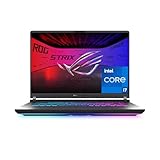
- Top Pick: Lenovo Legion 5 15IRX10 15.1" WQXGA OLED, Gaming Laptop, Intel Core i9 14th Gen 14900HX 1.6GHz; NVIDIA GeForce RTX 5070 8GB GDDR7; 32GB DDR5 RAM; 1TB NVMe M.2 SSD; Gigabit LAN, 2×2 WiFi 7
- Best Value: Lenovo Legion 5i – Gaming Laptop – Intel® Core™ i7-14700HX – 15" 2.5K WQXGA PureSight OLED Display–165Hz Refresh Rate–NVIDIA® GeForce RTX™ 5070 – 16 GB Memory – 1 TB Storage – 3 Months of PC GamePass
- Premium Choice: Lenovo Legion 5a – 2026 – Gaming Laptop – NVIDIA GeForce RTX 5060-15.3" OLED WQXGA Display – 165Hz Refresh Rate – Ryzen 7 250-32GB Memory – 1TB Storage – Eclipse Black
Affiliate disclosure: As an Amazon Associate we earn from qualifying purchases. This post contains affiliate links — if you buy through them we may earn a small commission at no extra cost to you. This never affects our recommendations.
OLED displays have officially arrived in gaming laptops across all price tiers in 2025. What was once reserved for $1,500+ flagships is now available in sub-$600 machines, and the visual difference over IPS panels is staggering. OLED delivers true blacks (the pixel literally turns off), infinite contrast ratio, instant pixel response times (0.1ms vs. IPS 1-5ms), and color accuracy that rivals professional reference monitors. For gaming, OLED means HDR content actually looks HDR, dark environments are genuinely atmospheric, and fast motion is crystal clear without ghosting. For content creators, OLED panels cover 100%+ DCI-P3 color space natively. Here are the best OLED gaming laptops in 2025 across every budget tier.
In a hurry? See the top-rated OLED Gaming Laptops deals available right now:
🛒 Check Oled Gaming Laptops Prices on Amazon →🛒 Best Price Today on Amazon
Prime members get fast, free shipping on everything above, plus member-only deals. New members get a 30-day free trial — cancel anytime.
Start 30-Day Prime Free Trial →See Today’s Amazon DealsTop Picks at a Glance
| Product | Best For |
|---|---|
| HP OmniBook 5 OLED Snapdragon | Budget OLED pick |
| Lenovo Slim 7i OLED Core Ultra 7 | Ultrabook OLED gaming |
| ASUS ROG Zephyrus G16 OLED | Premium gaming OLED |
| ASUS ROG Zephyrus G15 RTX 4060 | Performance + OLED |
| Razer Blade 15 RTX 4070 | Flagship OLED gaming |
As an Amazon Associate we earn from qualifying purchases at no extra cost to you.




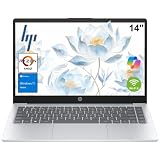
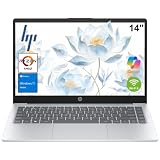
HP OmniBook 5 14″ OLED Snapdragon
The HP OmniBook 5 delivers something remarkable: a genuine OLED display for under $600. The Snapdragon X platform provides exceptional battery life (14-18 hours) and the OLED panel is stunning for media consumption, creative work, and light gaming. ARM compatibility has improved dramatically — most popular games run through emulation, though some titles remain incompatible. For students and professionals who want the best display quality at a budget price, this is the OLED laptop to beat in 2025.
- Pros: OLED display under $600, exceptional battery life, lightweight, gorgeous colors
- Cons: Snapdragon ARM limits gaming compatibility, no discrete GPU for demanding titles
Lenovo Slim 7i OLED Core Ultra 7
Lenovo’s Slim 7i brings Intel Core Ultra 7 to a premium OLED chassis. The display quality is exceptional — rich colors, deep blacks, and smooth motion. Intel Arc integrated graphics handle light gaming well, and the CPU handles creative and productivity tasks at a high level. The magnesium chassis feels premium in hand. Best suited for professionals who use their laptop for creative work during the day and light gaming in the evenings.
- Pros: Premium OLED build, Core Ultra 7 performance, lightweight, excellent keyboard
- Cons: Arc integrated graphics limit gaming, pricier than comparable IPS gaming alternatives
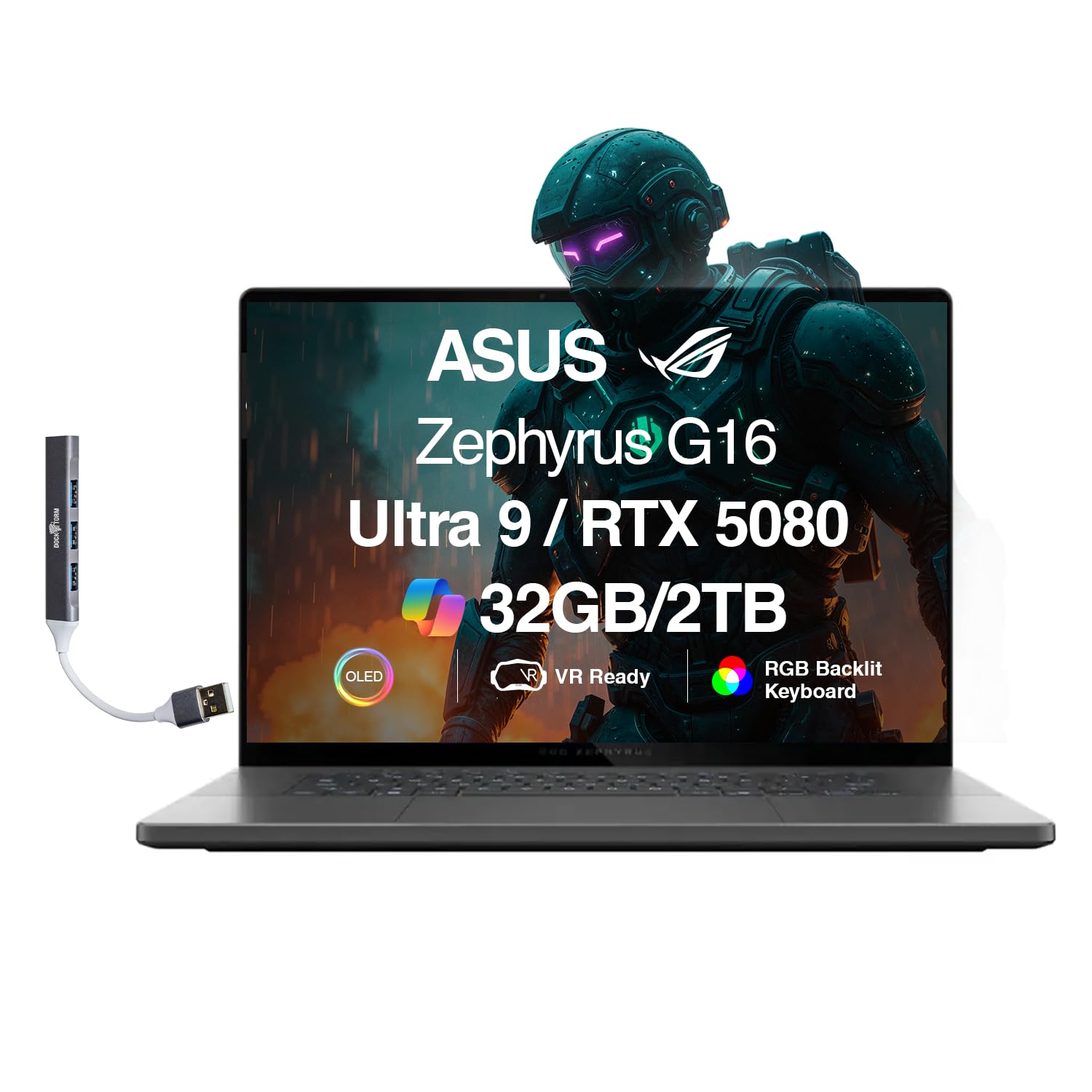
ASUS ROG Zephyrus G16 OLED — Varies
The Zephyrus G16 OLED is ASUS’s showcase gaming laptop — a 2560×1600 240Hz OLED panel paired with top-tier GPU configurations. The display is among the best on any laptop at any price, combining the OLED advantage with a high-refresh rate that competitive gamers demand. The slim design belies serious GPU performance underneath. If budget allows, the G16 is as close to a perfect gaming laptop display as exists in 2025.
- Pros: Best-in-class OLED display, 240Hz refresh, slim chassis, top GPU options
- Cons: Premium pricing varies, availability can be limited, expensive at top configurations
ASUS ROG Zephyrus G15 RTX 4060
The Zephyrus G15 pairs ASUS’s QHD 165Hz panel with AMD’s powerhouse CPU and RTX 4060 GPU. While not always OLED-configured, select SKUs ship with OLED panels that transform the gaming experience. The AMD Ryzen 9 platform also contributes to outstanding battery life. For gamers who want the complete package — strong GPU, great display, excellent battery — the G15 remains the top recommendation in its class.
- Pros: Powerful AMD + RTX 4060, OLED option on select SKUs, best battery in class, premium chassis
- Cons: OLED SKUs carry price premium, no webcam, competitive with G16 OLED at higher configs
Razer Blade 15 RTX 4070
The Razer Blade 15’s OLED panel is simply the finest display available on a gaming laptop. Samsung QD-OLED technology delivers quantum dot-enhanced colors that exceed DCI-P3, combined with the deep blacks OLED is known for. Paired with the RTX 4070 GPU, this machine handles 1440p gaming at maxed settings while displaying it in breathtaking visual fidelity. The aluminum chassis is CNC-machined to exceptional tolerances. Extremely expensive, but nothing else on the market matches this combination of GPU power and display quality.

- Pros: Best OLED display on any laptop, RTX 4070 at full power, flawless build quality, Thunderbolt 4
- Cons: $3,688 price is steep, limited upgrade potential, audible fans under sustained load
Buying Guide
OLED vs. IPS for Gaming: The Real Differences
OLED’s advantages for gaming are tangible: infinite contrast ratio means dark game environments are genuinely atmospheric rather than washed-out gray. Pixel response time of 0.1ms eliminates ghosting in fast-motion sequences that even the best IPS panels cannot fully resolve. HDR on OLED is true HDR — highlights bloom naturally without the halo artifacts seen on edge-lit IPS. The disadvantage: OLED risk of burn-in from static HUD elements over thousands of hours. Modern OLED mitigation features including pixel shift, screen savers, and HUD refresh have reduced this risk substantially, but it remains a consideration for heavy esports gaming with static overlays.
OLED Refresh Rate Options in 2026
OLED gaming laptops now come in 60Hz, 120Hz, 144Hz, 165Hz, and 240Hz configurations. For competitive gaming, 165Hz or higher is recommended — below 120Hz feels noticeably sluggish compared to IPS alternatives in fast-paced games. The ASUS Zephyrus G16’s 240Hz OLED is the pinnacle for competitive gamers who refuse to sacrifice either display technology or frame rate.
Color Accuracy and Content Creation
OLED panels achieve 100%+ DCI-P3 and sRGB coverage natively, making them superior calibration targets for photo and video editing. If your laptop doubles as a creative workstation, OLED is not just a luxury — it is a genuine professional tool that enables accurate color grading without an external reference monitor. Confirm factory calibration specs (Delta-E under 2 is the target for color-critical work) before purchasing for creative workflows.
Burn-In Reality Check
OLED burn-in from gaming HUDs is a real but unlikely scenario for most users. Studies suggest permanent retention occurs after 2,000-5,000+ hours of static image display at high brightness. Practical mitigations: enable pixel refresh on startup, use Windows dark mode, reduce in-game HUD brightness, and avoid leaving static screens running at maximum brightness when idle. For normal gaming usage patterns, burn-in should not materially affect a laptop over a typical 3-5 year ownership period.

FAQ
Is OLED worth it for gaming laptops?
Yes, particularly for single-player narrative games, RPGs, and content creation. The infinite contrast, perfect blacks, and color accuracy fundamentally improve visual experiences. For pure competitive esports, a high-refresh IPS panel may be more practical due to lower burn-in risk.
Does OLED burn-in affect gaming laptops?
Risk exists but is manageable with modern OLED mitigation features. For typical gaming patterns of 2-4 hours daily, significant burn-in over a 3-5 year ownership period is unlikely. Follow manufacturer mitigation guidelines and avoid leaving static HUDs displayed at maximum brightness indefinitely.
What is QD-OLED vs. regular OLED?
QD-OLED (Quantum Dot OLED) adds a quantum dot layer that significantly boosts peak brightness and color volume compared to traditional white OLED. Razer Blade and select Samsung-based panels use QD-OLED, achieving 1000+ nit peak brightness versus 600-800 nit traditional OLED. The visual difference is meaningful, especially for HDR content.
Can OLED laptops be used outdoors?
OLED panels typically achieve 400-1000 nit peak brightness, which is usable in shade but challenging in direct sunlight. Traditional IPS anti-glare panels often perform better in bright outdoor environments. For outdoor use, prioritize high peak brightness specs (700+ nits) when selecting an OLED model.
 find alternatives
Verdict
OLED gaming laptops in 2025 span an impressive price range. The HP OmniBook 5 OLED Snapdragon makes OLED accessible under $600, while the ASUS ROG Zephyrus G15 delivers gaming performance alongside a premium display at around $1,500. For buyers with unlimited budgets, the Razer Blade 15 RTX 4070 combines the best OLED panel with flagship GPU power for a gaming experience with no visible compromises.
Related Articles
Looking for more on this topic? Browse the hand-picked guides below — each one applies the same scoring rubric used in this review.
Frequently Asked Questions
Is an OLED laptop screen worth the extra cost?
For anyone who values image quality, yes. OLED gives per-pixel illumination, so blacks are genuinely black rather than dark grey, contrast is effectively infinite, and colours are richer with typically full DCI-P3 coverage. Response times are near-instant, which removes the ghosting common on laptop IPS panels. The trade-offs are battery draw and burn-in risk.
Does OLED drain more battery?
It depends on content. OLED uses power per lit pixel, so dark interfaces and dark-mode applications can actually consume less than an IPS backlight. Bright white documents and web pages at high brightness draw noticeably more. On balance, expect somewhat shorter battery life on OLED unless you commit to dark themes.
How real is burn-in risk on a laptop?
It is a genuine long-term concern because laptops display the same taskbar, dock and application chrome for thousands of hours. Manufacturers mitigate it with pixel refresh cycles, pixel shift and logo dimming. Auto-hiding the taskbar, using dark mode, setting a short screen timeout and keeping brightness moderate substantially reduces the risk.
Is OLED good for content creation?
Very. Most laptop OLED panels cover close to 100 percent of DCI-P3 and ship factory calibrated with Delta E under 2, which is suitable for video grading and photo work. The main caveat is that OLED brightness in full-screen white is lower than a good mini-LED, so bright studio environments can be a challenge.
What refresh rates do OLED gaming laptops offer?
The current range spans 120Hz on entry models up to 240Hz and beyond on flagship machines, generally at 1440p or 2.8K resolution. Because OLED pixel response is close to instantaneous, even a 120Hz OLED often looks clearer in motion than a 165Hz IPS panel with slow grey-to-grey transitions.
Ready to decide? Our #1 pick for 2026 is the HP OmniBook 5 OLED Snapdragon.
Live price & availability on Amazon.