- Top Pick: MARVEL’S SPIDER-MAN 2 – PS5 Standard Edition
- Best Value: Marvel’s Spider-Man 2
- Premium Choice: PlayStation Marvel’s Spider-Man 2
Affiliate disclosure: As an Amazon Associate we earn from qualifying purchases. This post contains affiliate links — if you buy through them we may earn a small commission at no extra cost to you. This never affects our recommendations.
Marvel’s Spider-Man 2 represents PlayStation Studios’ technical showcase for 2024-2026, delivering stunning New York City traversal with real-time ray tracing, dynamic weather effects, and detailed character animations. The PC port brings cutting-edge console performance to PC hardware, demanding capable GPUs for maximum visual fidelity. Spider-Man 2 combines streaming open-world challenges with handcrafted narrative sequences—GPU selection must balance consistent frame rates during web-swinging with visual maximum during story moments. The game’s greatest GPU challenge is density during traversal through crowded city areas and dynamic weather rendering (reflections on wet pavement, rain particle systems). VRAM usage substantial (14-16GB at ultra), requiring 16GB+ GPUs for safe margin. DLSS 3.5 Frame Generation provides valuable performance uplift for maintaining smooth traversal. This guide identifies best GPUs for smooth Spider-Man 2 performance across all difficulty levels and visual settings.
As an Amazon Associate we earn from qualifying purchases at no extra cost to you.


In a hurry? See the top-rated GPU for Marvel’s Spider-Man 2 deals available right now:
🛒 Check Gpu For Marvel’S Spider-Man 2 Prices on Amazon →🛒 Best Price Today on Amazon
Prime members get fast, free shipping on everything above, plus member-only deals. New members get a 30-day free trial — cancel anytime.
Start 30-Day Prime Free Trial →See Today’s Amazon DealsWhy GPU Matters for Marvel’s Spider-Man 2
Spider-Man 2’s Insomniac Engine (PlayStation proprietary technology ported to PC) scales well across GPU tiers while rewarding high-end hardware with visual enhancements. The game’s streaming open-world demands substantial memory bandwidth—traversing densely-populated Manhattan with ray-traced reflections and dynamic weather creates unpredictable GPU load. Ray tracing is fundamental to visual design (reflections on glass, wet pavement surfaces, armor shine critical for immersion). VRAM demand peaks at 15-17GB during dense city traversal, requiring 16GB+ GPUs. DLSS 3.5 Frame Generation provides 20-30% FPS uplift, particularly valuable during extended web-swinging sequences where frame consistency matters. GPU memory bandwidth determines weather particle clarity and building reflection quality during rapid traversal.
Recommended GPU at Each Resolution
1080p Smooth Swinging (120+ FPS Target)
RTX 5060 Ti reaches 140+ FPS 1080p high settings, delivering responsive web-swinging. RX 9070 XT achieves 135+ FPS 1080p. Frame rate perception critical during rapid movement—120+ FPS feels significantly smoother than 80 FPS.
1440p Recommended (100+ FPS Target)
RTX 5070 Ti maintains 110+ FPS 1440p high settings, dropping to 85-95 FPS during city density spikes. RTX 5080 reaches 130+ FPS 1440p. Sweet spot for Spider-Man 2—balances visual fidelity with smooth web-swinging responsiveness.
4K Story Sequence (60+ FPS Acceptable)
RTX 5080 reaches 70-80 FPS 4K high settings during traversal, scaling higher during indoor story sequences (90-100 FPS). RTX 5090 sustains 100+ FPS 4K. 4K gameplay atmospheric—lower frame rates acceptable if consistent during story moments.
Top 5 GPUs for Spider-Man 2
1. RTX 5080 – Best Overall for 1440p + 4K
RTX 5080 ($999) delivers 130+ FPS 1440p high, dropping gracefully to 85-95 FPS during city density peaks—still smooth for traversal. 32GB GDDR7 memory bandwidth (720 GB/s) streams Manhattan assets without stuttering. DLSS 3.5 FG capability scales 1440p to 160+ perceived FPS. Best choice for balanced visual quality + frame consistency. 4K performance reaches 70-80 FPS with DLSS FG assistance.

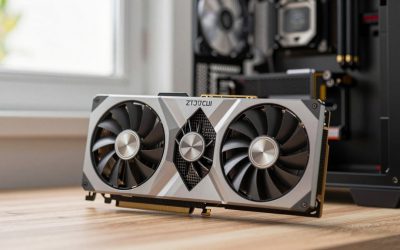
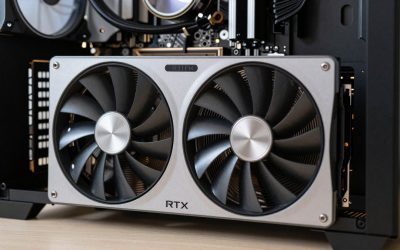
ASUS Dual GeForce RTX™ 4060 V2 OC Edition (PCIe 4.0, 8GB GDDR6, DLSS 3, HDMI 2.1a, DisplayPort 1.4a, 2-Slot Design, Axial-tech Fan Design, 0dB Technology, and More) (Renewed)


As an Amazon Associate we earn from qualifying purchases. Product prices and availability are accurate as of the date/time indicated.
2. RTX 5070 Ti – Best Value for 1440p
RTX 5070 Ti ($749) maintains 110+ FPS 1440p high settings throughout most traversal, with occasional dips to 85 FPS during extreme weather + crowd density combinations. DLSS 3.5 FG boosts perceived FPS to 140+. 16GB VRAM adequate but occasionally causes stutter during rapid city transitions. Best budget choice for smooth 1440p gameplay.

3. RTX 5090 – Overkill 4K Option
RTX 5090 ($1999) reaches 120+ FPS 1440p, 100+ FPS 4K high settings—excessive for single-player campaign. Only justified if targeting 4K 120Hz+ displays or extreme future-proofing. Most players find RTX 5080 sufficient.
4. RX 9070 XT – Best AMD Alternative
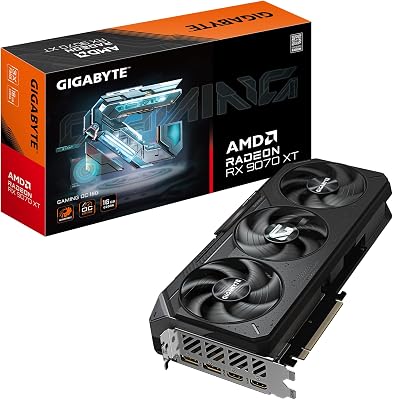
RX 9070 XT ($599) achieves 100+ FPS 1440p high settings. FSR 4 support provides 25-30% uplift if needed. Ray tracing performance slightly lower (85-90 FPS 1440p with rays on). Excellent AMD value but VRAM bandwidth slightly lower than RTX 5070 Ti—occasional city transition stutter in extreme weather.
5. RTX 5060 Ti 16GB – Budget Traversal
RTX 5060 Ti 16GB ($429) reaches 75-85 FPS 1440p high settings, sufficient for casual traversal. Enable DLSS 3.5 FG to boost perceived FPS to 110+. Ray tracing optional—disabled maintains 90+ FPS. Acceptable for story-focused players accepting occasional frame dips.
Comparison Table
| GPU | 1440p High FPS | 1440p City Density | 4K High FPS | Best For |
|---|---|---|---|---|
| RTX 5090 | 140+ | 110+ | 100+ | 4K overkill |
| RTX 5080 | 130+ | 95+ | 70-80 | Best balance |
| RTX 5070 Ti | 110+ | 85-95 | 60-70 | Best value |
| RX 9070 XT | 100+ | 80-85 | 55-65 | AMD value |
| RTX 5060 Ti 16GB | 75-85 | 65-75 | 45-55 | Budget story mode |
Spider-Man 2 Graphics Settings
RTX 5080 Recommended: High preset, ray tracing on (reflections critical for NYC immersion), ray-traced reflections quality ultra, shadow detail ultra, DLSS 3.5 Quality + Frame Generation optional. Targets 130+ FPS 1440p smooth traversal.
RTX 5070 Ti Optimized: High preset, ray tracing on, ray-traced reflections quality high, shadow detail high, DLSS 3.5 Quality + Frame Generation optional. Maintains 110+ FPS 1440p with occasional density dips to 85 FPS.
RTX 5060 Ti Budget: Medium preset, ray tracing off, shadow detail medium, DLSS 3.5 Quality + Frame Generation recommended. Targets 75-85 FPS native → 110+ perceived via FG.

Traversal Stability Tip: If frame rates dip below 80 FPS during rapid city movement, reduce view distance one tier (high to medium). This frees 10-15 FPS while maintaining story-moment visual quality.
Build Recommendations
1440p Smooth Build ($1900): RTX 5080, Ryzen 9 9800X3D, 32GB DDR5 6000MHz, 1000W PSU, 2TB NVMe. Sustains 130+ FPS 1440p high throughout traversal and story.
1440p Value Build ($1550): RTX 5070 Ti, Ryzen 7 7700X3D, 32GB DDR5 5600MHz, 850W PSU, 1TB NVMe. Solid 110+ FPS 1440p with occasional density dips—excellent value.
4K Story Build ($2350): RTX 5080, Ryzen 9 9800X3D, 32GB DDR5 6000MHz, 1000W PSU, 2TB NVMe. 4K story sequences at 70+ FPS cinematic quality.
Budget Casual Build ($750): RTX 5060 Ti 16GB, Ryzen 5 7600X, 32GB DDR5, 650W PSU, 1TB NVMe. Acceptable 1440p high-settings traversal with FG assistance.
FAQ
Does high frame rate matter for Spider-Man 2?
Significantly. Web-swinging perception depends on frame rate—120+ FPS feels substantially smoother than 80 FPS. Story sequences playable at 60 FPS, but traversal benefits dramatically from higher refresh. Invest in 120+ FPS capability if planning extended play sessions.
Is ray tracing necessary for Spider-Man 2?
Visually important but optional. Ray-traced reflections on NYC wet pavement and glass enhance immersion significantly. Enable on RTX 5070 Ti+ (minimal frame cost at high settings). Disable on RTX 5060 Ti—frame rate preservation more important.
Should I play 1440p high or 4K medium for Spider-Man 2?
1440p high (RTX 5070 Ti: 110+ FPS) surpasses 4K medium (RTX 5080: 60-70 FPS) perceptually. Smooth web-swinging at 1440p beats cinematic lower-refresh 4K. Choose 1440p 144Hz display over 4K 60Hz.
What’s minimum GPU for satisfactory traversal?
RTX 5070 Ti for consistent 100+ FPS 1440p. RTX 5060 Ti acceptable with DLSS FG (75-85 native → 110+ perceived). Below RTX 5060 Ti, expect frequent frame drops during rapid movement.
Marvel’s Spider-Man 2’s open-world demands balanced GPU selection. RTX 5080 is ideal for players seeking maximum visual quality + frame consistency. RTX 5070 Ti offers excellent value for smooth 1440p traversal. Budget players find RTX 5060 Ti acceptable with Frame Generation assistance, sacrificing ultimate visual fidelity.
As an Amazon Associate we earn from qualifying purchases at no extra cost to you.




Related Articles
Looking for more on this topic? Browse the hand-picked guides below — each one applies the same scoring rubric used in this review.
Frequently Asked Questions
How much VRAM do I need for Spider-Man 2 at 1440p?
Plan on 10GB as a comfortable minimum and 12GB or more if you want very high textures with ray-traced reflections enabled. The Insomniac engine streams a huge amount of city geometry during swinging, and cards limited to 8GB will start dropping texture detail or stuttering when you move quickly between boroughs.
Is ray tracing worth enabling in Spider-Man 2?
Yes, more than in most games. The city is full of glass towers and wet asphalt, so ray-traced reflections replace obvious screen-space artifacts that appear whenever you look at a building from below. Use the medium reflection quality and a lower reflection resolution first; the visual gain is nearly identical to ultra at a much smaller frame cost.
Why does my frame rate drop while swinging even on a strong GPU?
Fast traversal is largely a CPU and storage bottleneck rather than a GPU one. The engine loads new city blocks continuously, so a slow quad-core processor or a SATA drive will produce hitches no graphics card can fix. An NVMe SSD and a six-core or better CPU remove most of the traversal stutter.
Should I use DLSS or FSR upscaling in this game?
Upscaling is close to free quality-wise here because the game has a strong temporal pipeline. Quality mode at 1440p and Balanced at 4K look very close to native while adding a large margin of headroom for ray tracing. On GeForce cards DLSS generally resolves thin geometry like web lines and railings more cleanly than the alternatives.
What GPU do I need for 4K 60fps in Spider-Man 2?
With ray tracing on and DLSS or FSR set to Quality, an upper-midrange current-generation card handles 4K 60 comfortably. If you insist on native 4K with maxed ray tracing you are looking at a flagship. Dropping to Balanced upscaling is the single easiest way to make 4K work on a midrange budget card.