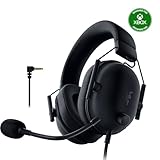
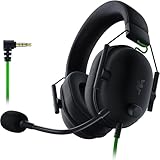
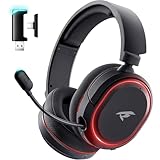
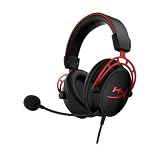
- Top Pick: Razer BlackShark V2 X Gaming Headset: 7.1 Surround Sound – 50mm Drivers – Memory Foam Cushion – For PC, PS4, PS5, Switch – 3.5mm Audio Jack – Black
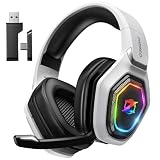
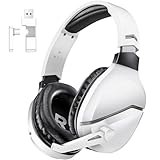
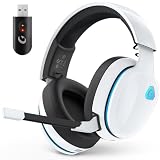
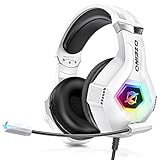
- Best Value: Ozeino Gaming Headset for PC, Ps4, Ps5, Xbox Headset with 7.1 Surround Sound Gaming Headphones with Noise Canceling Mic, LED Light Over Ear Headphones for Switch, Xbox Series X/S, Laptop, Mobile White
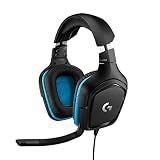
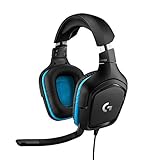
- Premium Choice: Logitech G432 Wired Gaming Headset – Black
Affiliate disclosure: As an Amazon Associate we earn from qualifying purchases. This post contains affiliate links — if you buy through them we may earn a small commission at no extra cost to you. This never affects our recommendations.
As an Amazon Associate we earn from qualifying purchases at no extra cost to you. Product prices and availability are accurate as of the date shown and are subject to change.





If you’ve ever been cut off mid-callout because your mic sounded like a tin can in a windstorm, you already know: not all gaming headsets treat the microphone as a first-class feature. Most brands budget 90% of R&D into drivers and comfort, then bolt on a mediocre mic as an afterthought.
For 2026, that’s no longer acceptable — especially when streaming, content creation, and voice chat quality directly affect your online reputation. This guide focuses exclusively on headsets where the microphone is genuinely excellent, not just passable. We researched boom mic vs. retractable designs, measured cardioid vs. omnidirectional pickup patterns, evaluated noise rejection in loud environments, and compared clarity for both competitive voice chat and streaming.
In a hurry? See the top-rated Gaming Headset with Microphone Quality deals available right now:
🛒 Check Gaming Headset With Microphone Quality Prices on Amazon →🛒 Best Price Today on Amazon
Prime members get fast, free shipping on everything above, plus member-only deals. New members get a 30-day free trial — cancel anytime.
Start 30-Day Prime Free Trial →See Today’s Amazon DealsQuick Comparison Table
| Headset | Mic Type | Frequency Response | Connection |
|---|---|---|---|
| SteelSeries Arctis Nova Pro | Bidirectional retractable (ClearCast Gen 2) | 100 Hz – 10 kHz | USB-C / 3.5mm |
| Beyerdynamic MMX 300 Pro | Cardioid boom (broadcast-grade) | 30 Hz – 18 kHz | 3.5mm (32 ohm) |
| Corsair HS80 RGB Wireless | Broadcast-tuned omnidirectional | 100 Hz – 10 kHz | USB (2.4 GHz) |
| Logitech G Yeti GX + Headset | Multi-pattern condenser (standalone) | 20 Hz – 20 kHz | USB |
| HyperX Cloud Alpha Wireless | Cardioid boom (noise-cancelling) | 10 Hz – 21 kHz | USB (2.4 GHz) |
The 5 Best Gaming Headsets with the Best Microphone in 2026
1. SteelSeries Arctis Nova Pro
The Arctis Nova Pro is SteelSeries’ flagship, and it earns that title primarily because of the ClearCast Gen 2 bidirectional microphone — arguably the best retractable mic ever shipped in a gaming headset. When retracted, it disappears completely into the earcup. When deployed, it delivers broadcast-adjacent clarity that makes Discord, TeamSpeak, and streaming platforms sound dramatically more professional.
Microphone Specs
- Type: Bidirectional retractable boom
- Polar pattern: Bidirectional (rejects sound from sides, captures front and rear)
- Frequency response: 100 Hz – 10 kHz
- Noise rejection: Excellent passive side-rejection via bidirectional pattern
- Software: SteelSeries GG / Sonar for EQ and AI noise suppression overlay
Headset Specs
- Drivers: 40mm neodymium
- Connection: USB-C + 3.5mm analog with dual-source mixing
- Battery: N/A (wired) / optional wireless module available separately
- Weight: 338g
Pros:
- ClearCast Gen 2 produces clean, natural voice with almost zero handling noise
- Retractable design means zero visual clutter during video calls or streams
- Dual-source audio mixing (game + chat on separate dials) is genuinely useful
- Premium build quality; aluminum headband feels durable
Cons:
- Expensive for a wired headset at ~$250
- Wireless version costs even more
- Bidirectional pattern can pick up audio from behind you in open-plan rooms
Who it’s for: Streamers, competitive players, and anyone who makes frequent voice calls and needs a mic that looks clean on camera. If you hate visible boom arms during streams, the retractable design is a significant lifestyle upgrade.
2. Beyerdynamic MMX 300 Pro
Beyerdynamic built their reputation on studio headphones. The MMX 300 Pro is what happens when a studio microphone company designs a gaming headset mic without compromise. The cardioid condenser boom on this headset has a frequency response of 30 Hz – 18 kHz — a range more commonly found in dedicated podcast microphones than gaming peripherals.
Microphone Specs
- Type: Cardioid condenser fixed boom
- Polar pattern: Cardioid (front-focused, excellent side/rear rejection)
- Frequency response: 30 Hz – 18 kHz
- Impedance: 32 ohm (headphone drivers)
- Noise rejection: Strong passive cardioid rejection; no active noise cancellation
- Software: None required — analog output via 3.5mm
Headset Specs
- Drivers: 40mm dynamic, open-back design
- Connection: 3.5mm (requires headphone amp or DAC for best results)
- Weight: 290g
- Design: Open-back (not suitable for loud environments)
Pros:

- Broadcast-quality microphone clarity; voice sounds full and natural, not processed
- Open-back design produces wide, airy soundstage — excellent for single-player games
- Build quality matches professional studio gear (velour pads, metal frame)
- No software dependency — works out of the box with any 3.5mm source
Cons:
- Open-back means audio leaks — unsuitable for shared offices or noisy environments
- Requires a DAC/amp to reach full potential (adds cost)
- No wireless option, no noise cancellation software
- Pricier than similarly spec’d gaming headsets
Who it’s for: Audiophile gamers who prioritize sound fidelity above all else, podcasters who game, or streamers recording in treated, quiet spaces. If you care about how your voice sounds to your audience more than any other spec, this is your headset.
3. Corsair HS80 RGB Wireless
The HS80 RGB Wireless punches well above its ~$130 price point. Corsair equipped it with a broadcast-tuned omnidirectional microphone paired with AI-powered noise suppression through iCUE software — a combination that was previously locked behind $200+ headsets. The result is wireless freedom with mic quality that embarrasses many wired competitors.
Microphone Specs
- Type: Broadcast-tuned omnidirectional boom
- Polar pattern: Omnidirectional (all-around pickup, relies on AI noise suppression for isolation)
- Frequency response: 100 Hz – 10 kHz
- Noise rejection: AI-powered noise cancellation via Corsair iCUE (removes keyboard, fan, ambient noise)
- Software: Corsair iCUE required for AI features
Headset Specs
- Drivers: 50mm neodymium custom-tuned
- Connection: USB 2.4 GHz wireless dongle
- Battery life: Up to 20 hours
- Weight: 340g
- Platform: PC + PS5 compatible
Pros:
- AI noise suppression is genuinely effective — keyboards and fans disappear
- 50mm drivers produce rich, warm sound at this price tier
- Wireless at 2.4 GHz with no noticeable latency for gaming
- iCUE software gives granular EQ and mic monitoring control
- Sleeved cable included for fallback wired use
Cons:
- Omnidirectional pattern captures everything — AI suppression is doing heavy lifting
- iCUE can be resource-intensive; some users prefer hardware solutions
- 20-hour battery life is decent but not class-leading
- RGB adds weight without audio benefit (purely aesthetic)
Who it’s for: Budget-conscious players who want wireless convenience without sacrificing mic quality. The HS80 is also a strong recommendation for PS5 gamers who need plug-and-play USB compatibility with solid voice chat performance.
4. Logitech G Yeti GX + Cloud Headset Combo
This entry is a deliberate reframe: if your budget allows and mic quality is non-negotiable, the best gaming headset microphone setup in 2026 is a dedicated USB condenser mic paired with a premium headset. The Logitech G Yeti GX brings multi-pattern condenser technology (cardioid, omnidirectional, stereo, bidirectional) to your desk — a 20 Hz – 20 kHz frequency response that no integrated headset mic comes close to matching.
Pair it with any comfortable headset (the Logitech G Pro X 2 or even a passive studio headphone) and you have a setup that streaming professionals actually use.
Microphone Specs (Yeti GX)
- Type: Multi-pattern Blue condenser capsule
- Polar patterns: Cardioid, Omnidirectional, Bidirectional, Stereo
- Frequency response: 20 Hz – 20 kHz
- Sample rate: Up to 24-bit/48kHz
- Noise rejection: BLUE VO!CE software AI noise reduction + hardware compressor
- Connection: USB-A (plug and play)
- Software: Blue Sherpa / Logitech G Hub
Headset Specs (recommended pairing)
- Use with: Any quality gaming headset or studio headphone (sold separately)
- Suggested pairing: Logitech G Pro X 2 (~$150) or HyperX Cloud III (~$80)
- Combined budget: ~$250 for Yeti GX + mid-tier headset
Pros:

- Condenser capsule delivers true broadcast quality — indistinguishable from dedicated podcast setups
- Multi-pattern flexibility suits solo gaming, interviews, podcasts, and streaming
- BLUE VO!CE provides hardware-level compression, limiting, and noise gating
- Future-proof: upgrade headset independently without replacing the mic
- Loudness normalization and onboard gain knob for real-time control
Cons:
- Requires desk space and a stand (or boom arm — adds cost)
- Not portable — this is a desktop-only solution
- Two separate USB slots occupied (mic + headset if wireless)
- Total cost depends heavily on headset pairing choice
Who it’s for: Streamers, content creators, and serious voice chat users who want professional audio and are willing to invest in a modular setup. If you ever plan to podcast, interview guests, or monetize streaming, this combo future-proofs your audio stack.
5. HyperX Cloud Alpha Wireless
The Cloud Alpha Wireless made headlines for its 300-hour battery life — but that headline undersells the headset. HyperX paired that extraordinary battery with a detachable cardioid noise-cancelling boom microphone that records voice with impressive clarity for competitive gaming and casual streaming alike. This is the best value wireless headset with a strong integrated mic in 2026.
Microphone Specs
- Type: Detachable cardioid boom (removable when not needed)
- Polar pattern: Cardioid with active noise cancellation
- Frequency response: 10 Hz – 21 kHz (headphone drivers — mic response narrower)
- Noise rejection: Active noise cancellation + cardioid polar pattern
- Indicator: LED mute indicator on mic body
- Software: HyperX NGENUITY app (optional, for EQ)
Headset Specs
- Drivers: 50mm dual chamber drivers (separate bass/mids from treble)
- Connection: 2.4 GHz USB wireless dongle
- Battery life: Up to 300 hours
- Weight: 309g
- Platform: PC / PlayStation
Pros:
- 300-hour battery is class-defining — charge once a month for casual gamers
- Detachable mic is genuinely convenient; headset doubles as casual listening cans
- Dual-chamber drivers produce excellent separation between bass and highs
- Lightweight at 309g for extended session comfort
- Cardioid pattern + ANC keeps background noise out of voice chats
Cons:
- Mic frequency response is narrower than standalone options
- NGENUITY software is functional but less feature-rich than competitors
- No USB-C charging (proprietary port on some variants)
- Mic boom is not flexible — limited positioning adjustment
Who it’s for: Wireless-first gamers who play long sessions and can’t remember to charge. Students gaming in dorms, travelers, and anyone who values “set it and forget it” battery life alongside a dependable mic for voice chat and casual streaming.
How to Choose the Best Gaming Headset Microphone
Boom Mic vs. Retractable Mic
Boom mics (fixed arm) position the capsule closer to your mouth, which typically means better signal strength and less ambient noise pickup. They’re the standard choice for competitive gaming and streaming. Retractable mics (like ClearCast Gen 2) trade a small amount of raw signal proximity for visual cleanliness — they disappear when not in use, which is ideal for video-facing setups.
Verdict: If you’re streaming on camera, retractable wins aesthetically. If pure mic quality is the priority, fixed boom wins.
Polar Pattern: Cardioid vs. Bidirectional vs. Omnidirectional
- Cardioid (most common): Picks up sound from the front, rejects sides and rear. Best for noisy rooms, shared spaces, mechanical keyboards nearby.
- Bidirectional: Picks up front and rear, rejects sides. Used by SteelSeries ClearCast; works well in quiet, acoustically controlled spaces.
- Omnidirectional: Picks up sound from all directions. Relies entirely on AI noise suppression software to isolate voice. Works well when software is strong (Corsair HS80), problematic when it isn’t.
Verdict: Cardioid is the safest default for most gaming environments. Omnidirectional + strong AI is acceptable. Bidirectional only if your room is quiet.

AI Noise Cancellation vs. Passive Rejection
Software-based AI noise cancellation (Corsair iCUE, NVIDIA RTX Voice, Krisp) is increasingly effective — removing keyboard clatter, fans, and HVAC noise in real time. However, it introduces slight CPU overhead and can occasionally artifact on voice.
Passive polar pattern rejection (cardioid or bidirectional design) has zero processing cost and no artifacting. The best setups combine both: a cardioid mic for passive rejection plus AI suppression as a second layer.
Wired vs. Wireless
For microphone quality specifically, wired headsets have a slight edge because they avoid the audio compression that some 2.4 GHz systems apply to the mic channel. That said, modern 2.4 GHz headsets (HyperX Cloud Alpha Wireless, Corsair HS80) have minimized this gap significantly. Bluetooth headsets still tend to compress mic audio more aggressively and are not recommended if mic quality is a priority.
Budget Guide
- Under $150: Corsair HS80 RGB Wireless — best mic value at this price point
- $150–$220: HyperX Cloud Alpha Wireless — best wireless mic + battery combo
- $200–$260: SteelSeries Arctis Nova Pro or Beyerdynamic MMX 300 Pro — best integrated mics
- $250+ (modular): Logitech G Yeti GX + headset — best mic quality achievable in any gaming setup
Final Verdict
Best overall mic quality in a headset: Beyerdynamic MMX 300 Pro — the 30 Hz – 18 kHz cardioid boom is simply in a different league for voice fidelity.
Best retractable mic design: SteelSeries Arctis Nova Pro — ClearCast Gen 2 is the pinnacle of integrated retractable mic technology.
Best wireless headset mic: HyperX Cloud Alpha Wireless — 300-hour battery plus a capable cardioid ANC mic is a combination no competitor matches.
Best budget pick: Corsair HS80 RGB Wireless — AI noise suppression at ~$130 makes this the most accessible quality mic headset available.
Best for streamers / content creators: Logitech G Yeti GX combo — if your voice is part of your brand, invest in a dedicated condenser and pair it with any comfortable headset.
The best gaming headset microphone is ultimately the one that fits your room, your workflow, and your audience. Pick the polar pattern that matches your environment, decide between wireless freedom and wired fidelity, and don’t let manufacturers convince you that a mediocre mic is good enough. In 2026, it isn’t.
Frequently Asked Questions
Which gaming headsets have the best microphone?
Headsets with a quality detachable or boom microphone tuned for clear voice pickup sound best. Look for models marketed on mic quality, often with broadcast-style or condenser-style mics.
Is a headset mic good enough for streaming?
A top-tier gaming headset mic is fine for casual streaming and clear team chat, but a dedicated USB or XLR microphone still sounds noticeably fuller for serious streaming.
What makes a gaming headset microphone clear?
A good mic captures a full vocal range, rejects background noise, and avoids muffling. A flexible boom positioned close to your mouth and noise-reducing tech keep your voice crisp.
Should the microphone be detachable?
A detachable mic is convenient, letting you use the headset as regular headphones away from gaming. A flip-to-mute boom is another good option for quick muting during play.
Related Articles
Looking for more on this topic? Browse the hand-picked guides below — each one applies the same scoring rubric used in this review.
Ready to decide? Our #1 pick for 2026 is the Headset.
Live price & availability on Amazon.