

Streaming PC Build RTX 5070 Ryzen 9700X: Parts, Priorities, and Common Mistakes
A streaming PC has two jobs that pull in different directions. It has to run the game at a playable frame rate, and it has to encode video for your audience at the same time without dropping frames. A build with an RTX 5070 and a Ryzen 7 9700X is a practical pairing for that workload, because the GPU can handle the game while its hardware encoder takes on most of the stream, and the 8-core CPU leaves room for background tasks like the streaming app, chat overlays, and alert software. This guide explains how to spec that build, where the money should go, and which mistakes cost streamers the most.
Prices and availability change often, so this article does not quote numbers. Use the live product card below as the reference for current cost, and treat the specs described here as the general profile of each part class, not a guarantee for every listing.

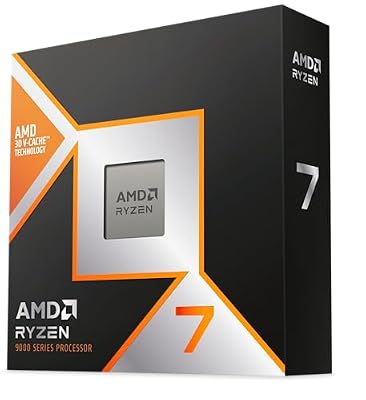
Why an RTX 5070 and Ryzen 7 9700X Suit a Streaming Build
The RTX 5070 sits in the middle of NVIDIA’s current desktop lineup. It is strong enough for 1440p gaming at high settings in most titles, and its NVENC encoder is one of the main reasons streamers pick NVIDIA cards. Encoding on the GPU keeps most of the video work off the CPU, which is the core advantage of this setup. If you want to know how it compares with the card one tier up, read our RTX 5070 vs 5070 Ti comparison before you commit.
The Ryzen 7 9700X is an 8-core processor from AMD’s Zen 5 generation without the 3D V-Cache found on X3D chips. That makes it a balanced choice. It does not have the cache advantage that helps some CPU-bound games, but it handles multitasking well and it costs less than the X3D parts. For a streamer who runs OBS, a browser, a music app, and a game at once, the extra threads matter more than a cache bump. The broader question of which CPU class to choose is covered in our guide to the best CPU for gaming and streaming.
Component Priorities: Where to Spend and Where to Save
Not every part deserves the same budget. In a streaming build the priorities usually run in this order: the GPU, then the power supply, then memory and storage, then the case and cooling. The CPU is important, but an 8-core chip is rarely the bottleneck for a single-game stream, so it should not absorb money that a better GPU or a cleaner power supply would use more effectively.
Graphics Card
The GPU decides both game performance and encode quality. Check that the card you buy has enough video memory for the games you play and the resolution you target. At 1440p, most current titles run comfortably on a card in this class, but texture-heavy games can push VRAM close to its limit. A card with more memory gives you headroom and avoids stutters when a scene loads heavy assets.
Power Supply
A streaming PC runs hot for long sessions, and a power supply that barely covers the peak load will age faster and may fail under a transient spike. Choose a unit from a reputable brand with a clear 80 PLUS efficiency rating and enough headroom above the combined load of the CPU and GPU. Our breakdown of the best 850W gaming power supplies for 2026 explains how to size the unit and why wattage alone is not the whole story.
Memory and Storage
Sixteen gigabytes of DDR5 is the floor for a modern game plus a stream. Thirty-two gigabytes gives you room for browser tabs, recording buffers, and mods without swapping to disk. Use a fast NVMe SSD for the operating system and your game library, and a second drive for recordings. Recording to the same drive that holds the game can cause dropped frames during heavy writes, so separating them is one of the cheapest upgrades you can make. For drive recommendations, see our guide to the best SSD for a gaming PC, and for memory sizing, the best memory for a gaming PC article.
Cooling and Case
A CPU cooler needs to hold the 9700X under sustained load without loud fan noise, which a quality tower air cooler can usually do. Airflow matters more than fan count. A case with a clear front intake and a rear exhaust keeps the GPU and CPU stable through a four-hour stream. If you are deciding between cooling types, the comparison in our article on air versus AIO cooling covers noise, cost, and maintenance.
Streaming Settings That Protect the Build
The hardware only works as well as the settings. Most streamers should use the GPU encoder, set a bitrate that the upload connection can sustain with margin, and avoid running an encoder preset so heavy that it fights the game for resources. A good starting point is to test one or two streams privately, watch the dropped-frame counter in your streaming software, and adjust the bitrate or preset until the counter stays near zero. Vertical or mobile-focused streams need a different bitrate target, which is covered in our note on bitrate for vertical gaming streams.
Temperature is the other setting to watch. If the GPU runs close to its thermal limit during long sessions, the card may lower its clock speed and the stream will look choppy even though the game seems fine. Monitoring tools can show you this in real time. Our walkthrough on how to check GPU and CPU temperature covers the steps.
Comparison Table: Build Components at a Glance
The table below summarizes what each part does in this build and how to judge it. Price tiers are relative, not exact figures. Use the live cards above for current pricing and ratings.
| Component | Role in this build | What to check before buying | Relative price tier | Rating source |
|---|---|---|---|---|
| RTX 5070 graphics card | Game rendering and hardware video encoding | Video memory size, cooler design, card length versus case | High | Live product card |
| Ryzen 7 9700X processor | Game logic, background apps, multitasking | Motherboard socket compatibility, cooler clearance | Mid | Live product card |
| DDR5 memory kit | Game and stream buffers, browser, mods | Capacity (16GB minimum, 32GB preferred), motherboard support | Low to mid | Live product card |
| NVMe SSD (two drives) | Game library on one drive, recordings on the other | Sustained write speed, warranty length | Low to mid | Live product card |
| Power supply | Stable power for the CPU and GPU under load | 80 PLUS rating, reputable brand, headroom | Mid | Live product card |
Alternatives Worth Considering
If the stream is the main focus and gaming is secondary, a build with more CPU cache or more cores can make sense. If the games you play are lighter, a smaller case and a lower-tier GPU can cut cost without hurting the stream. The products in the list above cover the range from core components to supporting parts, so compare them against your own game list and upload speed before you buy.
The card below shows a single component you can add to the build once you have settled on the core parts. Check its compatibility with your case and power supply first.

GIGABYTE GeForce RTX 5070 Gaming OC 12G Graphics Card, 12GB 192-bit GDDR7, PCIe 5.0, WINDFORCE Cooling System, GV-N5070GAMING OC-12GD Video Card


As an Amazon Associate we earn from qualifying purchases. Product prices and availability are accurate as of the date/time indicated.
Who This Build Is For, and Who Should Skip It
This build suits a streamer who plays modern games at 1440p, wants to stream on one PC, and values a balanced setup over maximum benchmark scores. It is a good fit for creators who run chat overlays, alerts, and voice software alongside the game, because the 8-core CPU and 32GB of memory handle that load without strain.
It is not the right choice for someone who only plays esports titles at very high frame rates, since a CPU with a larger cache may deliver more frames there. It is also overkill for a casual streamer who only does static screen recordings. In that case, a smaller build or a lower-tier GPU is enough. Our guide to the best gaming PC for streaming lists alternatives at several budgets.
Build Checklist Before You Order
Before you place an order, confirm the motherboard socket matches the 9700X, confirm the GPU fits your case, confirm the power supply has the right connectors, and confirm the cooler fits inside the case. Then check that your upload speed is high enough for the bitrate you plan to use. A build is only as good as the stream it delivers, so run a short test stream as soon as the system is assembled. If you are building from scratch, our step-by-step guide on how to build a gaming PC in 2026 walks through assembly, and the 1500 dollar gaming PC build article shows how a similar parts list scales with budget.
If you want to see how a different part class changes the balance, compare the alternative below and read our best gaming streaming PC guide.
Frequently Asked Questions
Is an RTX 5070 enough for streaming and gaming at the same time?
For most modern games at 1440p, yes. The GPU’s hardware encoder handles the stream, so the game and the encode share the workload more efficiently than a software encode would. Demanding titles may require lower settings or a lower stream bitrate, and you should test both before going live.
Does the Ryzen 7 9700X bottleneck a streaming PC?
Usually not for a single-game stream. The 8-core design gives enough threads for the game, the streaming app, and background tasks. A bottleneck is more likely to appear in CPU-heavy titles at very high frame rates, where a cache-focused processor can help.
How much memory do I need for streaming?
Sixteen gigabytes is the minimum for a current game plus a stream. Thirty-two gigabytes is the safer choice if you run a browser, chat tools, and recording buffers at the same time.
Should I record to a separate drive?
Yes, when possible. Writing recordings to the same drive that the game reads from can cause hitches during heavy disk activity. A second NVMe drive is a low-cost way to avoid that.
A streaming PC built around an RTX 5070 and a Ryzen 7 9700X is a balanced, practical choice. Spend first on the GPU and power supply, keep the CPU and memory sized to your real workload, and test the stream before you rely on it. Start with the live product list above, then use the internal guides linked throughout to fill in the details for your budget.










