

Intel Core Ultra 285K Gaming PC Build: Parts, Compatibility and Who Should Pick It
The Intel Core Ultra 285K gaming PC build is one of the more misunderstood configurations available right now. The processor is a capable desktop chip, but it lives on a platform that asks for more decisions than the AM5 builds most gamers have seen. This guide explains what the 285K is, which parts belong around it, where the budget should go, and when a different CPU is the smarter purchase.
Read this before buying anything. A 285K build is not a drop-in upgrade for an older Intel system, and it is not a cheap way to chase frame rates. The right build depends on the games you play, the resolution and refresh rate you target, and whether you also run heavy workloads such as video encoding, code compilation or local AI tools. If you are still choosing a budget tier, our guide to gaming PC builds at every budget gives the wider picture before you commit to a platform.
What the Core Ultra 285K Actually Is
The Core Ultra 9 285K is part of Intel’s Arrow Lake desktop generation. It uses a hybrid layout: performance cores for demanding single-threaded work and efficiency cores for background tasks and multi-threaded loads. Intel lists the chip at 24 cores in total, split into 8 performance cores and 16 efficiency cores, and it does not use Hyper-Threading. For a gamer, the practical result is that the chip handles game logic, background apps, Discord, browser tabs and streaming software without the main cores being starved, but the threading model behaves differently from older Intel chips that relied on simultaneous multithreading.
Platform: LGA 1851 and Z890 only
The most important buying fact is the socket. The 285K uses LGA 1851 and needs a Z890 motherboard. It will not fit an older LGA 1700 board, and it has no relationship to AM5. That means you are buying a motherboard, DDR5 memory and often a new cooler mounting bracket on top of the CPU. Budget the full platform, not just the processor. If you already own a DDR4 kit or an older Intel board, the upgrade cost climbs quickly and an AM5 or previous-generation Intel build may be the better fit.
Why core layout matters for games
Most modern games lean on a few fast cores and the graphics card. The efficiency cores help with background work, which is useful if you stream, record, run voice chat or keep many programs open. They do not make a game faster by themselves. For that reason, the 285K is best understood as a strong all-round processor for a gamer who also multitasks, not as a specialist gaming chip. If your PC is only for games and you play at high refresh rates on a 1080p monitor, you may find that the CPU budget is better spent elsewhere.
Building Around the 285K: Parts Checklist
The shortcode list below pulls the current product picks for this build. The cards further down show individual items. Use the list as a starting point, then check each listing for the exact socket, memory standard and included accessories before you buy.
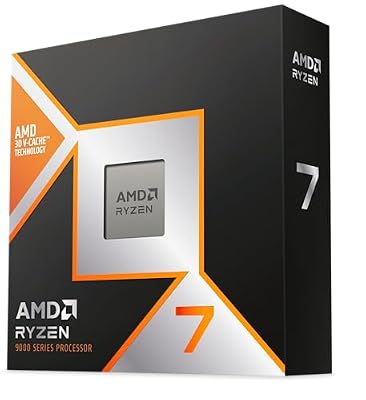

AMD Ryzen 9 9900X3D 12-Core Processor

Motherboard and memory
Pick a Z890 board with a solid power delivery design and enough headers for your storage and cooling plans. You do not need the most expensive board, but a very cheap model with weak power stages can limit sustained boost behaviour under long sessions. Check the memory Qualified Vendor List on the board maker’s website before buying RAM, and confirm that the kit you want is on that list or has been tested with the board. DDR5 is the only memory type this platform supports, so do not be tempted by a DDR4 listing that appears in a bundle.
For memory capacity, 32GB is the practical minimum for modern games with a browser and chat open. 64GB makes sense if you run large mods, local AI models or heavy editing alongside games. Enable the memory profile in BIOS once the system is stable, and keep the first boot on default settings if you see instability.
Cooling
The 285K is rated at 125 W base power, and it will draw more under sustained load. A good tower air cooler handles most gaming builds comfortably, and a 360mm AIO gives more thermal headroom if your case has the radiator space. Before you buy a cooler, confirm that it lists LGA 1851 support. Older mounting brackets do not fit this socket without a compatible bracket kit, and some coolers include one while others sell it separately. Case airflow matters as much as the cooler choice; a restrictive case can raise temperatures even with a capable cooler.
Graphics card and power supply
For most gamers, the graphics card will decide the frame rate more than the processor. A current midrange or high-end card paired with the 285K will be GPU-limited at 1440p and 4K in many titles. Choose the GPU first based on your resolution and refresh rate target, then match the power supply. Look for an ATX 3.x unit with the 12V-2×6 connector if your chosen card uses it. Buy from a reputable brand with a clear warranty and avoid no-name units, because a weak PSU is one of the most common causes of random crashes in high-end builds.
Comparison Table: 285K Build Components at a Glance
The table below summarises what to look for in each core component. Price tiers are relative because retail prices change often. Live prices and ratings appear in the product cards above and in the listings themselves.
| Component | Key spec to check | Price tier | Why it matters |
|---|---|---|---|
| Core Ultra 9 285K | LGA 1851, 24 cores (8 P-core, 16 E-core) | Premium | Strong all-round CPU for gaming plus multitasking |
| Z890 motherboard | VRM quality, DDR5 support, PCIe 5.0 x16 slot | Mid to premium | Power delivery and memory compatibility decide stability |
| DDR5 memory kit | Listed on board QVL, 32GB minimum | Mid | Wrong kit causes boot problems or unstable profiles |
| CPU cooler | LGA 1851 bracket support, radiator or tower size vs case | Mid | Sustained boost depends on cooling and airflow |
| Graphics card | Resolution target, VRAM, 12V-2×6 connector | Varies widely | Usually the main driver of frame rate at 1440p and 4K |
| ATX 3.x power supply | Wattage sized for the GPU, warranty length, brand | Mid | A weak PSU causes random crashes under load |
Gaming Performance: Where the CPU Actually Matters
The honest answer is that the CPU matters most in specific situations. At 1080p with a high-refresh monitor, the processor can limit frame rates in competitive shooters and some simulation titles. At 1440p and 4K, the graphics card usually sets the ceiling, and the difference between a strong modern CPU and a slightly weaker one shrinks. This is why a 285K build should be planned around the GPU you can afford, with the CPU chosen to avoid bottlenecks rather than to maximise every benchmark.
This page does not publish frame-rate charts. Results depend on driver version, game patch, memory profile, cooling and in-game settings, and any number printed without those details is hard to trust. If you want numbers, look for independent reviews that list the exact test configuration and game settings, then compare them with your own resolution and monitor.
Where the 285K is a good fit
The chip makes sense for a gamer who streams, edits video on weekends, runs several heavy applications at once, or wants a system that will stay relevant through a longer upgrade cycle on a single platform. It also suits users who prefer Intel’s ecosystem for specific software or drivers. If that describes you, the premium over a midrange CPU can be justified because you are buying headroom for the rest of your workload.
Where it is the wrong choice
If you only play games and do not need extra threads, a midrange CPU will usually deliver a better experience per dollar. The same applies if you already own a compatible AM5 or older Intel board and only need a CPU swap. Spending the money on a stronger graphics card or a larger monitor often gives a more visible improvement for a pure gaming system. Our CPU buying guide for gaming covers the cheaper options in more detail.
Build Mistakes to Avoid
Skipping the BIOS update
Arrow Lake systems have had firmware and microcode changes since launch, and board vendors release BIOS updates that affect stability and memory compatibility. Update the BIOS on the board before installing your final memory profile, and check the vendor’s release notes for known issues with your RAM. A system that feels unstable on day one is often fixed by a firmware update rather than new hardware.
Buying a cheap Z890 board with weak power delivery
A low-end board can be a bad match for a high-end CPU. Weak power stages and thin cooling on the VRM can limit sustained performance. You do not need the most expensive motherboard, but read reviews that test power delivery and thermal behaviour, not only feature lists. Pay attention to the number of M.2 slots and whether you need Wi-Fi built in, because those features are often the difference between two boards at similar prices.
Undersizing the power supply
A 285K paired with a high-end graphics card produces large transient power spikes during gaming. Size the PSU with headroom and choose a reputable unit with a full warranty. Cheap units with inflated wattage ratings are a common source of shutdowns that people blame on the CPU or GPU. Our guide to 850W gaming power supplies explains how to match a PSU to a current graphics card.
285K Versus AM5 Alternatives
The main competitor to this build is an AM5 system with a strong Ryzen processor. The AM5 platform has a longer public track record and is still a common choice for gaming builds. If you are weighing the two directly, compare the total platform cost, including motherboard, memory and cooler, not only the processor price. The comparison below shows a few alternative picks that appear in the product list above.
For a direct head-to-head between an Intel flagship and an AMD flagship for mixed gaming and productivity, read our Ryzen 9 9950X versus Core Ultra 9 285K comparison. For the 285K’s own strengths and weaknesses, see our Core Ultra 9 285K review.
If you are building on a tighter budget and the 285K looks too expensive, the best CPU for gaming list shows where a midrange chip gives more value. A smaller premium on the GPU often matters more than a premium CPU.
Who Should Buy This Build
This build suits a gamer who wants one machine for gaming, streaming, editing and local AI experiments, and who accepts a higher platform cost to get that flexibility. It also suits builders who want Intel’s features and are comfortable managing BIOS settings, memory QVL checks and cooler brackets. It is a poor fit for people who only play at 1080p on a cheap monitor, or for anyone who wants the lowest total cost for a gaming-only machine.
Buy the platform as a whole. Choose the board, memory, cooler and PSU to match the 285K’s needs and the graphics card you plan to install. A balanced build with a midrange GPU can outperform an unbalanced build that spends everything on the CPU.
For a shortlist of complete builds at specific budgets, see our April 2026 gaming PC build list and the ultimate gaming PC build guide, which covers step-by-step assembly for first-time builders.
AMD RYZEN 7 9800X3D 8-Core, 16-Thread Desktop Processor


As an Amazon Associate we earn from qualifying purchases. Product prices and availability are accurate as of the date/time indicated.
Related Guides
More reading that pairs with this topic:
- best psu for gaming pc
- best cpu cooler for gaming
- best ddr5 6000mhz ram 2026
- best gaming pc case
- best gaming pc complete buying guide
- best budget cpu for gaming
Frequently Asked Questions
Is the Core Ultra 285K good for gaming?
Yes, it is a strong gaming CPU. At higher resolutions the graphics card usually sets the frame rate, so the 285K is most valuable for players who also multitask or stream. For a gaming-only build on a tight budget, a midrange CPU is often a better buy.
Does the Core Ultra 285K need DDR5?
Yes. The LGA 1851 platform uses DDR5 memory only. Check the motherboard’s memory Qualified Vendor List before buying a kit, and enable the memory profile only after the system boots reliably on default settings.
Can I upgrade to the 285K from an older Intel system?
Usually not without replacing the motherboard, memory and often the cooler bracket. The socket is LGA 1851 and requires a Z890 board, so the upgrade is a platform change, not a processor swap.
Do I need a special cooler for this CPU?
You need a cooler that lists LGA 1851 support or a compatible bracket kit. A good tower air cooler or a 360mm AIO is enough for most gaming builds, provided the case has airflow.
What PSU should I pair with a 285K build?
Size the PSU for your chosen graphics card with headroom, and buy a reputable ATX 3.x unit with a solid warranty. Avoid no-name units, because power problems are a frequent cause of crashes in high-end systems.










