Papers, Please is the 2013 border-inspector game from developer Lucas Pope, with the record naming 3909 as publisher: you staff a checkpoint booth for the fictional state of Arstotzka, compare each entrant’s documents against the day’s rules, and stamp passports approved or denied. A mouse-driven game of small print and hard calls, its Steam page has carried a Linux flag since long before store pages advertised Linux support.
That age is why the status question is worth asking properly: a flag set in 2013 could be a leftover, and a depot could exist without ever reaching a buyer. So this article reads the record layer by layer — flags and fields, depots and package, the family, the Deck sheet, ProtonDB, and the second storefront.
As an Amazon Associate, we earn from qualifying purchases.
Quick answer
Yes. Papers, Please is genuinely native on Linux, and every layer of Steam’s record agrees: the Linux flag is set, a Linux minimum is published, and depot 239033 holds a real 93.90 MiB Linux build that the store package delivers. Valve also rates it Steam Deck Verified on the native runtime, and GOG sells a Linux edition too.
What Steam’s record actually says
Start with the flags, because for once they are the simple part. Steam’s record for app 239030 flags all three platforms true: Windows, Mac and Linux, with a release date of 8 August 2013. There is no DRM notice and no external-account notice anywhere on the record — two gaps this series reports as gaps, and here they simply mean the game asks for neither.
The requirements fields are where the record’s age shows. The Linux minimum is genuinely populated, but thin: a 1.5 GHz Core2Duo processor, 2 GB of RAM, 100 MB of storage, and a note that the minimum screen resolution is 1280 by 720. Unusually, it carries no operating-system line and no graphics line — the Windows minimum names both — so the tab reads like a shorter form filled in by hand. The Linux recommended field is a heading over an empty list: a tier scaffolded and never written. Neither gap argues against the build; the depot layer is where the verdict is decided.
The depot test
SteamDB’s depot table lists three content depots side by side: 239031 for Windows at 86.52 MiB, 239032 for macOS at 116.65 MiB, and 239033 for Linux at 93.90 MiB. A Linux depot comparable in size to the Windows one is the first hard sign of a real port, and its manifest census backs that reading: 56 files, including three shared-library files totalling just under 50 MiB, plus data files and a shell script — a native install, not a placeholder.
The decisive check is package membership, because a depot nobody receives is a stranded depot. Depot 239033 sits inside sub 29677, the store package named Papers, Please — the ordinary purchase — so a normal buy delivers the Linux build. Its build id, 10817815, is the same build the public branch has served since March 2023: the native build on sale is the current one, not a fossil. The record also carries a LinuxClientIcon asset, and two legacy branches survive, which matters for one detail in the Deck section below.
The family that isn’t there
Most records in this series hide their traps in the family, so the sweep matters even when it finds nothing. Here it finds nothing in the strongest sense: the record carries no DLC array at all. No soundtrack app, artbook or demo is attached to app 239030, so the classic false-flag surface — a music app flagging Linux true over empty fields — has nowhere to form.
The one related app a store search surfaces is Papers, Please – The Short Film, app 804320. On its own record it is a video, not a game add-on: type video, credited to KINODOM PRODUCTIONS, released in February 2018, and absent from the game’s record entirely. Its flags describe a streamable film and say nothing about the game. Judged separately, briefly, and set aside.
Steam Deck: Verified on the native build
Valve’s compatibility record reads Steam Deck Verified, with SteamOS separately rated Compatible. The verdict and paperwork here were read from SteamDB’s republication of Valve’s compatibility data: all four Verified items pass — full functionality on the default controller configuration, Deck controller icons, legible interface text, and a default graphics configuration that performs well.
The important line on the sheet is the recommended runtime: native — the badge certifies the Linux build itself, not the Windows build under Proton. One caveat stands. Valve tested the game on 1 July 2022 against build 8338468, which no longer sits on the public branch: it is the build the legacy-64 branch now serves, while the public branch has delivered build 10817815 since March 2023. The test predates the build a buyer downloads today, making this a supplement candidate for the factual Deck-paperwork list.
ProtonDB: Platinum, with native-build footnotes
ProtonDB’s summary record was read in full: headline Platinum, best-reported Platinum, trending Platinum, across 83 reports with strong confidence. The game’s ProtonDB page heads its requirements block “Natively Supports”, and this is the clean-agreement case — the heading matches Steam’s record on every layer, so there is no stray tag to disarm. Most reports are filed against the native build itself: the community file describes the Linux version, not a workaround.
The report texture is worth keeping at report weight, because it is the one place the native build draws complaints. Several reporters describe a laggy mouse cursor natively and say the Windows build under Proton felt better; one detailed report traces frame-pacing trouble on a Wayland session to the native OpenGL build and names a Vulkan launch option as the fix; one reporter says the native build would not open for them; and a save note warns that saves do not carry over automatically between versions. None of that overturns a unanimous record.
Anti-cheat and the GOG edition
Anti-cheat takes three sources, kept separate. Steam’s record names none, and carries no DRM or account notice that would imply one. SteamDB’s detected technologies are the Unity engine and the UnityIL2CPP SDK — engine plumbing, not a protection layer. And the Are We Anti-Cheat Yet dataset, all 1,167 games on its master branch, carries no entry for this game. All three agree.
GOG sells the game as well, ruled from GOG’s own product page and product record — identity verified against Steam’s record, same title and August 2013 release — and its compatibility line reads Windows, Linux and Mac OS X. A GOG edition exists and lists Linux. One process note: GOG’s catalogue search returned nothing for the title despite the live page, the known search blind spot, so the ruling rests on the product page and its API record, never on search.
The hardware for a document-checking habit
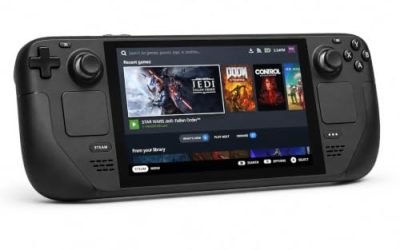
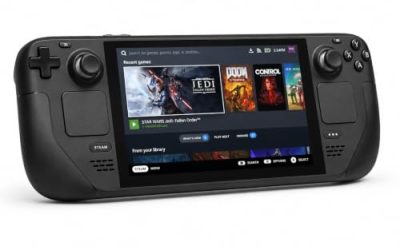
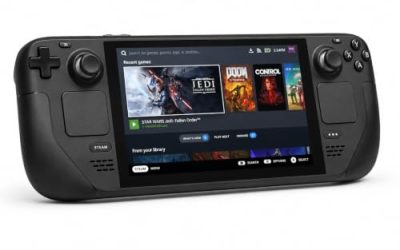
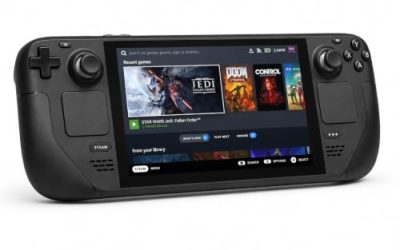
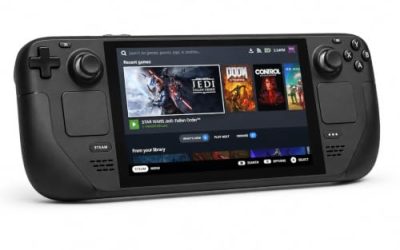
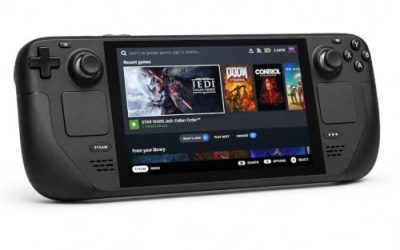
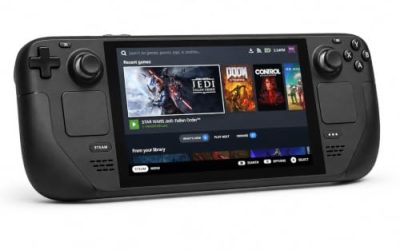
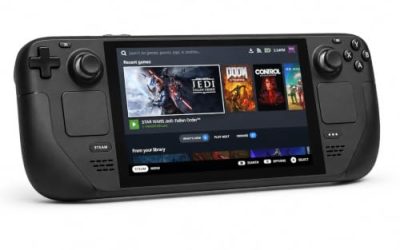
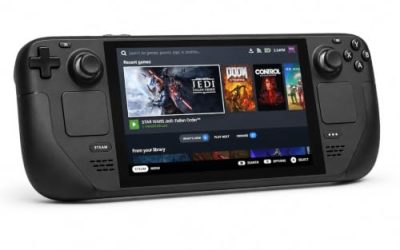
Valve Steam Deck OLED 512GB

The handheld whose Verified sheet names the native runtime. A 100 MB install is nothing to its storage or APU, and the trackpads suit a game of small print.
Specs
- Display: 7.4-inch HDR OLED, 1280 by 800, up to 90 Hz
- Processor: AMD Zen 2 and RDNA 2 custom APU
- Memory: 16 GB LPDDR5
- Storage: 512 GB NVMe, plus a microSD slot
- Wireless: Wi-Fi 6E and Bluetooth
- Channel note: Valve sells the Deck mainly through its own store, so Amazon listings are third-party sellers
8BitDo Ultimate 2 Bluetooth Controller

The docked and desktop pad pick. The game’s work is pointing and clicking, but a pad with back buttons covers the couch case, and community layouts lean on those extra inputs.
Specs
- Connectivity: Bluetooth wireless and USB-C wired
- Joysticks: TMR electromagnetic, anti-drift design
- Triggers: Hall effect, with mode switching
- Extras: two remappable back buttons, motion control
- In the box: charging dock included
Xbox Wireless Controller, Carbon Black

The safest guest pad in PC gaming: Steam Input support is universal, the glyphs match what most games display, and it pairs over Bluetooth or its own wireless standard. Valve’s sheet for this game carries no external-pad note.
- Connectivity: Xbox Wireless and Bluetooth
- Port: USB-C for wired play
- Controls: hybrid D-pad, dedicated Share button
- Power: AA batteries or optional rechargeable pack
Logitech G502 HERO

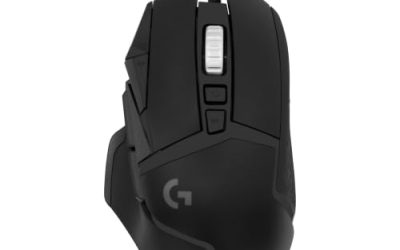
This is a mouse game before it is anything else: every inspection, comparison and stamp lands where the pointer lands. A precise wired mouse with programmable buttons for the repeated approve, deny and inspect actions is the desk pick.
Specs
- HERO optical sensor, up to 25,600 DPI
- 11 programmable buttons
- Adjustable weight system
- Wired USB connection
- On-board memory profiles
Samsung T9 Portable SSD 2TB

For moving a Linux game library between machines or keeping an offline backup of installers, a fast USB-C drive is the simple answer. The headline figure needs a Gen 2×2 host port; on a lesser port it runs at that ceiling.
Specs
- Capacity: 2 TB portable SSD
- Interface: USB 3.2 Gen 2×2, USB-C connector
- Maker-rated speeds: up to 2,000 MB per second read, 1,950 MB per second write
- Features: Dynamic Thermal Guard, maker-rated drop resistance
How to choose
Choose either storefront on the facts: Steam and GOG both sell a native Linux edition, so the choice is library preference, not which copy runs. On desktop or laptop, play the native build first — the record, the depot and the community file all stand behind it. Keep the Proton route in reserve as a diagnostic: if your machine shows the cursor lag some reporters describe, forcing the Windows build under Proton is the documented second option, with the caveat that saves do not move between versions on their own. On Steam Deck, no configuration work is expected.
Who should skip
Skip the native build as your first attempt if you are sensitive to pointer feel and unwilling to switch builds: a recurring minority of reports describes a sluggish cursor natively, and the fix is trying the other version, not a settings page. Skip this entirely if you want the short film bundled with the game — it is a separate video app. Skip it if sparse 2013-era paperwork bothers you: the Linux recommended tier was never written. And skip it if document inspection under time pressure sounds like paperwork rather than play, because that is precisely the game.
FAQ
Is Papers, Please native on Linux?
Yes. Steam flags Linux true, publishes a Linux minimum, and depot 239033 holds a real 93.90 MiB Linux build inside the store package a purchase delivers. ProtonDB’s page classifies it as natively supported, and for once that heading agrees with Steam’s record.
Why is the Linux requirements tab so short?
Because it was written in 2013 and never revisited. The minimum lists a processor, memory, storage and a resolution note, but no operating-system or graphics line, and the recommended tier is a heading over an empty list. Thin paperwork on a complete build; the depot census is the better evidence.
Is Papers, Please Steam Deck Verified?
Yes, and the badge certifies the native build: Valve’s sheet names native as the recommended runtime, with all four Verified items passing. The one caveat is paperwork age — the test ran in July 2022 on a build that now lives on the legacy-64 branch.
Can I buy Papers, Please on GOG instead?
Yes. GOG’s product page lists Windows, Linux and Mac OS X as the systems it works on, so the GOG edition includes the Linux build too. GOG’s search returning nothing for the title is a known blind spot; the product page itself is unambiguous.
Final verdict
Papers, Please is the clean case this series rarely gets: a 2013 game whose Linux support survives every layer of checking. The flag is set, the minimum is published, the Linux depot is real, current and inside the package a purchase delivers, ProtonDB’s native heading agrees instead of straying, and the Deck badge certifies the native runtime. The honest caveats are paperwork-grade — a recommended tier never written, a Deck test older than the current build, a minority of reports about cursor feel. Buy it on Steam or GOG and play the native build.
Product and ASIN Reference
| Product | ASIN |
|---|---|
| Valve Steam Deck OLED 512GB | B0CQ3RWQQZ |
| 8BitDo Ultimate 2 Bluetooth Controller | B0F194QFT2 |
| Xbox Wireless Controller, Carbon Black | B08DF248LD |
| Logitech G502 HERO | B07GBZ4Q68 |
| Samsung T9 Portable SSD 2TB | B0CHFS9K14 |