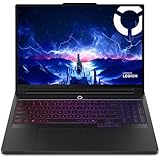
- Top Pick: Lenovo Legion Pro 7i Gen 10 w/Ultra 9, RTX 5090, 64GB RAM, 2TB,16” OLED
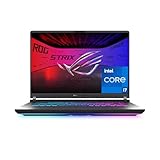
- Best Value: ASUS ROG Strix SCAR 18 (2025) Gaming Laptop, 18” ROG Nebula HDR 16:10 2.5K 240Hz/3ms, NVIDIA GeForce RTX 5090, Intel Core Ultra 9 275HX, 32GB DDR5, 2TB PCIe Gen 4 SSD, Wi-Fi 7, Win 11 Pro, G835LX-XS97
- Premium Choice: Razer Blade 16 (2026) Gaming Laptop, RTX 5090, 32GB DDR5, 2TB, Black
A laptop with an RTX 5090 is the closest thing to a desktop-replacement gaming powerhouse you can carry. This is the flagship mobile GPU of 2026, built for maxed-out 4K and QHD gaming, heavy content creation, and every DLSS 4 feature NVIDIA offers. If you refuse to compromise on portable performance, this is the tier you shop in.
This review examines the best RTX 5090 laptops from Lenovo, ASUS, Razer, and MSI, looking at how each pairs the GPU with top-end CPUs, premium high-refresh displays, and the serious cooling a chip this powerful demands. At this level, thermal design and screen quality separate the truly great machines from the merely fast.
As an Amazon Associate we earn from qualifying purchases at no extra cost to you.







🎮 Get More From Your Setup — Free
Prime Gaming gives you free PC games every month, in-game loot, and a free Twitch channel sub — plus fast free shipping on all the gear above. New members get a 30-day free trial.
Watch: Laptop With 5090 — Video Review
Design & Build
These are large, premium machines built to house serious hardware. The Lenovo Legion Pro 7i Gen 10 and Legion 9i Gen 10 pair the 5090 with big, bright displays and robust cooling, the 9i reaching a stunning 18-inch 4K 240Hz panel. The ASUS ROG Strix SCAR 18 goes all-in with an 18-inch Nebula HDR display and aggressive gaming design, while the MSI Stealth 18 HX AI uses a Mini LED UHD+ panel for creators. The Razer Blade 16 is the outlier, delivering 5090 power in a comparatively sleek, understated chassis. Build quality is uniformly excellent, as it should be at this price.
Performance
The RTX 5090 mobile GPU is a genuine 4K gaming solution, driving high frame rates at maximum settings with DLSS 4 frame generation, and it chews through rendering, video editing, and AI workloads. Paired with chips like the Core Ultra 9 275HX and up to 64GB of DDR5, these laptops handle anything you throw at them. The premium displays, from 18-inch 4K 240Hz OLED-class panels to Mini LED, do the GPU justice with color, brightness, and speed. Wi-Fi 7 and fast Gen 4 or Gen 5 SSDs keep everything responsive. Cooling is the key differentiator: the thicker Legion and SCAR chassis sustain clocks better than the slimmer Razer Blade 16 under prolonged load.
Pros & Cons
- True 4K maxed-out gaming with full DLSS 4 support.
- Desktop-class creative performance for rendering, editing, and AI work.
- Premium high-refresh displays, including 4K 240Hz and Mini LED panels.
- Top-tier CPUs and up to 64GB RAM for zero bottlenecks.
- Very high price that only serious users can justify.
- Large, heavy chassis on most models, with slimmer designs running hotter.
- Short battery life when gaming unplugged, inherent to the class.
Alternatives to Consider
If you do not need absolute maximum performance, an RTX 5070 or 5080 laptop delivers excellent 1440p and QHD gaming for far less. Buyers who prize portability over raw power should weigh the sleeker Razer Blade 16 against the bulkier Legion and SCAR machines. And creators who want the best color-accurate panel should prioritize the MSI Stealth’s Mini LED display.
Frequently Asked Questions
Is an RTX 5090 laptop worth it?
For those who need desktop-class 4K gaming and heavy creative performance in a portable form, yes. Most gamers, though, are well served by a 5070 or 5080 for less.
Can it really game at 4K?
Yes. The RTX 5090 mobile GPU handles 4K at maximum settings with DLSS 4, making it the flagship choice for the highest-resolution portable gaming.
Which model has the best display?
The Lenovo Legion 9i’s 18-inch 4K 240Hz panel and the ASUS SCAR 18’s Nebula HDR display are standouts, while the MSI Stealth’s Mini LED excels for creators.
Do slimmer 5090 laptops throttle?
Slimmer designs like the Razer Blade 16 run hotter under sustained load than thicker chassis, which sustain peak clocks longer thanks to larger cooling.
Verdict
An RTX 5090 laptop is the no-compromise portable powerhouse of 2026. The Lenovo Legion 9i Gen 10 is our top pick for pairing the GPU with a jaw-dropping 4K 240Hz display and serious cooling, while the Razer Blade 16 is the choice for those who want flagship power in a sleeker body. Decide whether raw sustained performance or portability matters more.