- Top Pick: GIGABYTE GeForce RTX 5080 Gaming OC 16G Graphics Card, WINDFORCE Cooling System, 16GB 256-bit GDDR7, GV-N5080GAMING OC-16GD Video Card
- Best Value: Gigabyte GeForce RTX 5080 Gaming OC 16G Graphics Card – 16GB GDDR7, 256bit, PCI-E 5.0, 2730MHz Core Clock, 3 x DisplayPort, 1 x HDMI, GV-N5080GAMING OC-16GD
- Premium Choice: ASUS TUF Gaming GeForce RTX™ 5080 16GB GDDR7 OC Edition Graphics Card
The GIGABYTE GeForce RTX 5080 Gaming OC 16G is a top-tier graphics card from NVIDIA’s current generation, built for high-refresh 4K gaming with ray tracing maxed out. Based on the Blackwell architecture, it pairs very fast GDDR7 memory with the current generation’s DLSS 4 toolkit, and GIGABYTE’s substantial WINDFORCE cooler keeps it composed. At around $1,500 it sits near the top of the range. This GIGABYTE RTX 5080 review covers the specifications, performance, upscaling and value.
- GIGABYTE RTX 5080 at a Glance
- Architecture and Key Specifications
- Gaming Performance and Target Resolution
- Upscaling and Frame Generation
- Cooling, Power and Physical Fit
- Who Is the GIGABYTE RTX 5080 For?
- Pros and Cons
- Is the GIGABYTE RTX 5080 Worth It?
- Frequently Asked Questions
- More Graphics Card Reviews
- Related Articles
- Related Articles
- Related Guides

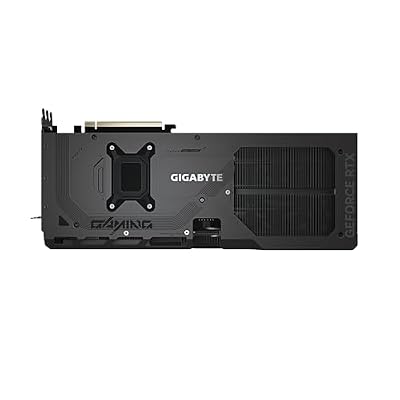
GIGABYTE GeForce RTX 5080 Gaming OC 16G Graphics Card, WINDFORCE Cooling System, 16GB 256-bit GDDR7, GV-N5080GAMING OC-16GD Video Card




As an Amazon Associate we earn from qualifying purchases. Product prices and availability are accurate as of the date/time indicated.
🛒 Best Price Today on Amazon
Prime members get fast, free shipping on everything above, plus member-only deals. New members get a 30-day free trial — cancel anytime.
As an Amazon Associate we earn from qualifying purchases.


GIGABYTE RTX 5080 at a Glance
| Component | Specification |
|---|---|
| GPU | NVIDIA GeForce RTX 5080 |
| Architecture | NVIDIA Blackwell |
| Video memory | 16GB GDDR7 (around 30 Gbps) |
| Memory interface | 256-bit |
| Boost clock | Around 2730 MHz |
| Interface | PCIe 5.0 |
| Display outputs | DisplayPort, HDMI |
| Cooler | Triple-fan WINDFORCE, around 13.5 inches long; 12V-2×6 power, 3x 8-pin adapter included |
| Price | Around $1,500 |
Architecture and Key Specifications
The RTX 5080 is built on NVIDIA’s current Blackwell architecture, and it sits in the top tier of the latest GeForce line. Its specification sheet is built for demanding high-resolution gaming: 16GB of very fast GDDR7 memory running at around 30 Gbps, on a 256-bit memory interface. That very high memory speed gives the RTX 5080 strong bandwidth, and the 16GB capacity provides headroom for the memory demands of 4K gaming with ray tracing.
GIGABYTE’s Gaming OC version is a substantial, well-cooled implementation. It carries a factory overclock with a boost clock around 2730 MHz, uses a fast PCIe 5.0 interface, and is cooled by a triple-fan WINDFORCE design roughly 13.5 inches long. It draws power through a 12V-2×6 connector, with a 3x 8-pin adapter included in the box. The combination of very fast modern memory, a current architecture and serious cooling makes the RTX 5080 a top-tier card for the demanding gamer.
Gaming Performance and Target Resolution
The RTX 5080 is built for high-refresh 4K gaming, and 4K is the resolution at which it should be judged. At 4K it is a top-tier performer, delivering an excellent experience in modern AAA titles at high-to-maxed settings — it is a card that has the underlying performance to run demanding games at 4K with ray tracing enabled, which is one of the most demanding things a graphics card can be asked to do.
At 1440p it has performance to spare, making it an effortless choice for a fast high-resolution monitor, and it even opens the door to entry-level 8K experiences in lighter content. In esports and competitive games it is far beyond what is needed. As a top-tier current-generation card, the RTX 5080 is well judged for the gamer who wants high-refresh 4K gaming with ray tracing maxed and no real compromise on settings.
Upscaling and Frame Generation
The RTX 5080 supports DLSS 4 with Multi Frame Generation. As a Blackwell-architecture card it belongs to the current GeForce generation, and DLSS 4 and its Multi Frame Generation feature are exclusive to that generation. For a top-tier card aimed at high-refresh 4K with ray tracing, this current-generation upscaling toolkit is the headline feature.
DLSS Super Resolution reconstructs a lower internal resolution to your target resolution, recovering performance with little loss of image quality. DLSS 4 Multi Frame Generation goes further, generating multiple additional frames to lift on-screen smoothness substantially in supported titles. For the RTX 5080, this toolkit is what makes maxed-out 4K ray-traced gaming so comfortable: ray tracing is demanding, and DLSS 4 gives the card the headroom to push high frame rates at 4K with the most demanding settings enabled. Access to the current generation’s flagship upscaling features is central to the RTX 5080’s top-tier credentials.
Cooling, Power and Physical Fit
GIGABYTE has given the RTX 5080 a large cooler. The triple-fan WINDFORCE design is roughly 13.5 inches long, and that generous size gives the card ample cooling capacity for top-tier 4K gaming, keeping temperatures and noise sensible during extended sessions. The trade-off is clear: at around 13.5 inches this is a long and substantial card, so buyers must check it carefully against the clearance in their case before purchase.
Power is a real consideration. The RTX 5080 draws power through a modern 12V-2×6 connector, with a 3x 8-pin adapter included for buyers whose power supply does not have the native connector. As a top-tier card it has a substantial power requirement, and buyers should plan for a capable, good-quality power supply with the wattage to suit. For a suitably specified system this presents no obstacle, and the large WINDFORCE cooler keeps the card composed under load.
Who Is the GIGABYTE RTX 5080 For?
The GIGABYTE RTX 5080 Gaming OC is for the demanding gamer who wants top-tier high-refresh 4K performance with ray tracing maxed out. If you game at 4K, want to run the most demanding titles with ray tracing enabled and no real compromise on settings, and value DLSS 4 with Multi Frame Generation, the RTX 5080 is squarely your card. It is a natural choice for a high-end gaming PC built without compromise on the graphics card.
It is less suited to buyers on a tighter budget, who should look to an upper-mainstream or high-end value card, and to those who genuinely need the absolute maximum performance available, who will look to the flagship. But for the core top-tier use case — high-refresh 4K with ray tracing maxed — the RTX 5080 is well judged, and a near-flagship choice for the demanding gamer.
Pros and Cons
Pros: Top-tier high-refresh 4K performance with ray tracing maxed; very fast GDDR7 memory; current-generation Blackwell architecture; supports DLSS 4 with Multi Frame Generation; substantial triple-fan WINDFORCE cooler; 12V-2×6 adapter included.
Cons: A top-tier price; a large card, around 13.5 inches, that needs careful case clearance; a substantial power requirement that calls for a capable, good-quality PSU.
Is the GIGABYTE RTX 5080 Worth It?
At around $1,500 the GIGABYTE GeForce RTX 5080 Gaming OC 16G is worth it for the demanding gamer who wants top-tier high-refresh 4K performance with ray tracing maxed out. It brings together very fast GDDR7 memory, the current generation’s DLSS 4 and Multi Frame Generation, and a substantial cooler, making it a well-rounded top-tier choice for the most demanding 4K gaming.
If you are on a tighter budget, an upper-mainstream or high-end value card is the better path, and buyers who genuinely need the absolute maximum will look to the flagship. But for a buyer focused on uncompromised high-refresh 4K gaming with ray tracing maxed, the RTX 5080 makes good sense, and GIGABYTE’s well-cooled Gaming OC is a sound way to buy it. It earns a recommendation as a top-tier card.
Frequently Asked Questions
Is the GIGABYTE RTX 5080 good for 4K gaming?
Yes. The RTX 5080 is a top-tier card built for high-refresh 4K gaming, with the performance to run demanding modern titles at 4K with ray tracing enabled and maxed settings.
Does the RTX 5080 support DLSS 4?
Yes. The RTX 5080 is built on NVIDIA’s Blackwell architecture, so it supports DLSS 4 with Multi Frame Generation, the current generation’s flagship upscaling feature.
What power connector does the RTX 5080 use?
The RTX 5080 draws power through a modern 12V-2×6 connector. GIGABYTE includes a 3x 8-pin adapter in the box for power supplies without the native connector.
How long is the GIGABYTE RTX 5080 Gaming OC?
This Gaming OC model uses a triple-fan WINDFORCE cooler and is around 13.5 inches long, so buyers must check case clearance carefully before purchase.
More Graphics Card Reviews
- MSI GeForce RTX 5090 Gaming Trio OC 32G Review
- MSI GeForce RTX 3050 Ventus 2X 6G OC Review
- ASRock Intel Arc A580 Challenger 8GB OC Review
- ASUS Dual GeForce RTX 4060 V2 OC Edition Review
- GIGABYTE GeForce RTX 5050 WINDFORCE OC 8G Review
- GIGABYTE GeForce RTX 5060 Gaming OC 8G Review
- ASRock Radeon RX 7700 XT Challenger 12GB Review
- GIGABYTE Radeon RX 9060 XT Gaming OC 16G Review
Affiliate Disclosure: As an Amazon Associate, we earn from qualifying purchases. If you click a link and make a purchase, we may earn a small commission at no extra cost to you. Prices and availability are accurate as of publication and may change.
Related Articles
Looking for more on this topic? Browse the hand-picked guides below — each one applies the same scoring rubric used in this review.