
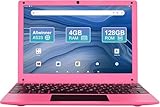
- Top Pick: ZHAOHUIXIN Mini Laptop 10.1 inch Android 14, 4GB RAM, 128GB EMMC, Small Computer HD IPS Display, 1280×800 Pixel, Portable Netbook with Allwinner A523 CPU (Pink)
- Best Value: JOREST Small Precision Screwdriver Set with Torx Triwing Phillips, Mini Repair Tool Kit for Macbook, Computer, Laptop, PC, iPhone, PS5, Xbox, Switch, Glasses, Watch, Ring Doorbell, Electronics
- Premium Choice: Wireless Mouse Mini Small Silent Cute Pocket Portable Compact Travel USB Tiny Optical Mice 3 Buttons 1000 DPI Cordless Mouse for PC Laptop Computer MacBook Kids Girl Boy Women Small Hands Gift(Blue)
If you want the smallest laptop that still works as a full computer, a 13-inch ultraportable such as the MSI Prestige 13 AI+, Dell XPS 13 or 13-inch MacBook Air is the practical answer, while true pocket-size machines like the GPD Pocket 4 suit enthusiasts who accept an 8.8-inch screen and cramped keyboard. Budget buyers who need an 11-inch or 12-inch notebook for basic tasks have a few low-cost Windows options, but the premium end of that size is largely gone. This guide explains the size classes, what each gives up, and which model fits which kind of buyer.
As an Amazon Associate we earn from qualifying purchases at no extra cost to you.


The size classes
- Pocket PCs (about 7 to 9 inches): Tiny screens and keyboards, often with handheld-style hardware. Examples include the GPD Pocket 4 and the 7-inch GPD MicroPC 2.
- Mini laptops (10 to 12 inches): Mostly budget Windows or Chromebook-style machines. Ultrabookreview observes that hardly any compelling premium option remains in the 11-inch segment.
- Compact ultraportables (13 to 14 inches): The sweet spot for most buyers: full-size keyboard, good screen, and a footprint close to a sheet of paper.
When shopping, look at the footprint (width and depth) as well as weight, because a laptop that fits a small bag or a tray table depends on those two numbers.
At a glance
| Laptop | Size and stated figures | Best for | Limits |
|---|---|---|---|
| GPD Pocket 4 | 8.8-inch touchscreen, about 1.75 lb (0.79 kg), 45 Wh battery per listings | Pocket carry, tinkerers | Very small keyboard and screen; niche support |
| GPD MicroPC 2 | 7-inch, Intel N250 per listings | Pocket terminal and light tasks | Low power; tiny display |
| ASUS Vivobook Go 11 class | 11-inch, about 2.2 lb | Basic budget use | Slow performance, plain screen |
| MSI Prestige 13 AI+ | 13-inch, 1.9 lb (Tom’s Guide) | Lightest small premium laptop | Limited cooling headroom |
| Dell XPS 13 (2026) | About 11.6 by 7.9 by 0.5 inches, 2.2 lb (Tom’s Guide) | Compact premium Windows | Few ports |
| MacBook Air 13-inch (M5) | 11.97 by 8.46 by 0.44 inches, 2.7 lb (Apple) | Battery life, macOS | macOS only |
| Surface Laptop 13-inch | 2.7 lb (Microsoft), up to 22.5 hours video playback | Small Windows on Arm laptop | Arm app compatibility |
| ASUS ROG Flow Z13 | 13-inch, 2.7 lb with AMD Radeon 8060S graphics (Tom’s Guide) | Small and gaming-capable | Tablet-style design; premium tier |
Pocket-size options
The GPD Pocket 4 is the best known pocket computer. Listings describe an 8.8-inch IPS touchscreen, a recent Ryzen AI chip, a 45 Wh battery and a weight of about 1.75 pounds. It appeals to people who want a full Windows or Linux machine that slips into a jacket pocket, such as IT workers and hobbyists. The compromises are plain: the keyboard is tiny, typing for long periods is tiring, and support, spare parts and warranty handling can differ from big brands. GPD’s 7-inch MicroPC 2 with an Intel N250 is an even more limited device, closer to a portable terminal than a main laptop.
Mini laptops and 11-inch machines
Budget 11-inch Windows laptops still exist, with models like the ASUS Vivobook Go 11 weighing about 2.2 pounds. They suit children, light office work, and travel backups. Do not expect smooth multitasking or fast storage. Many are sold with low memory, and screens are typically basic. Ultrabookreview notes that premium 11-inch machines are rare, so buyers who want quality in a small package usually move up to 13 inches.
Compact 13-inch machines
MSI Prestige 13 AI+
Tom’s Guide lists it at 1.9 pounds, the lightest 13-inch laptop on its list. It targets users who value size and weight above all.
Dell XPS 13
The 2026 XPS 13 is described by Tom’s Guide as measuring roughly 11.6 by 7.9 by 0.5 inches and weighing 2.2 pounds, with a high-end finish. The cost for the small body is a short list of ports, so a USB-C hub may be needed.
MacBook Air 13-inch
Apple lists a 13.6-inch display at 2560 by 1664, 2.7 pounds and a thickness of 0.44 inch. It is fanless and quiet. For people who need macOS, it is the smallest mainstream option.
Surface Laptop 13-inch
Microsoft lists the 13-inch at 2.7 pounds with a 6-core Snapdragon X2 Plus, two USB-C ports, one USB-A port and a headphone jack. It is among the more port-friendly small laptops, but it runs Windows on Arm.
ASUS ROG Flow Z13
Tom’s Guide lists this 13-inch 2-in-1 at 2.7 pounds with AMD Radeon 8060S integrated graphics. For gamers who want a small machine that can play many modern titles at modest settings, it is one of the few options in this size class, but it sits at a premium tier and operates in tablet style.
What you give up as laptops get smaller
- Keyboard: Below about 12 inches, keys and spacing shrink. Test whether you can type comfortably for long sessions.
- Screen space: Small displays make split-screen work harder; an external monitor can help at a desk.
- Ports: Thin, small laptops usually offer few ports, so plan for a hub.
- Cooling and power: Smaller bodies throttle earlier under load, which limits gaming and video editing.
- Repairs and upgrades: Soldered memory and storage are common, so choose capacity carefully at purchase.
Budget tiers
| Tier | Typical picks | Expect |
|---|---|---|
| Budget | Entry 11-inch Windows laptops | Basic tasks, plain screens, limited speed |
| Mid-range | Compact 13-inch and 14-inch ultraportables, GPD Pocket-style devices | Good keyboards and displays, or a novel form factor |
| Premium | XPS 13, MacBook Air, Surface Laptop, ROG Flow Z13 | Strong build, better screens, better performance |
Pick X if…
| If you… | Pick | Why |
|---|---|---|
| Want the smallest real laptop for daily work | 13-inch MacBook Air or Surface Laptop | Compact, long battery, full keyboard |
| Want the lightest small laptop | MSI Prestige 13 AI+ | Listed at 1.9 lb |
| Want it to fit in a pocket | GPD Pocket 4 | 8.8-inch screen, about 1.75 lb |
| Want a small gaming-capable device | ASUS ROG Flow Z13 | Stronger integrated graphics |
| Need a cheap secondary laptop | 11-inch budget Windows laptop | Lowest tier for light use |
| Want a compact Windows laptop without Arm | Dell XPS 13 | Premium x86-style platform |
Choosing the right size for how you work
Match the size to the task. If you write, browse and attend video calls, a 13-inch laptop with a full-size keyboard is usually the smallest size that remains comfortable all day. If you mainly need a device for quick edits, terminal access or remote sessions, a pocket PC might be fine, but expect to use an external keyboard for anything longer than a few minutes. For students, a mini laptop works in lecture halls with fold-out desks but may frustrate during long essays.
Consider operating system support as well. Small Windows devices from niche makers may ship with drivers that update slowly, while mainstream brands release regular updates. Check whether the device charges over USB-C, since a single charger for phone and laptop reduces what you carry. If you game, plan around cloud streaming or lighter titles, because small chassis cannot sustain high power for long periods. Whichever size you pick, a padded sleeve sized precisely for it keeps scratches away in a small bag.
Lastly, think about the second-hand market. Compact premium laptops tend to hold their value, while niche pocket PCs can be harder to resell. Also look at the warranty terms and where repairs are handled, since a small maker may require shipping the device overseas for service.
Alternatives
- A tablet with keyboard cover such as a Surface Pro, which one list places at about 2.7 pounds with its keyboard.
- A handheld gaming PC for gaming on the move, paired with a small Bluetooth keyboard.
- A Chromebook if you only need browser-based tasks and want a small, inexpensive body.
Frequently Asked Questions
What is the smallest laptop available?
Pocket PCs such as the GPD MicroPC 2 (7 inches) and GPD Pocket 4 (8.8 inches) are among the smallest. Among mainstream brands, 13-inch ultraportables are the smallest common size.
Are 11-inch laptops still worth buying?
For simple tasks and low budgets, yes, but premium choices are limited. Ultrabookreview observes that few compelling premium 11-inch laptops remain, so many buyers choose a 13-inch model instead.
Can a small laptop be used for gaming?
Casual and older games are playable on many, and the ASUS ROG Flow Z13 has stronger integrated graphics for modern games at modest settings. Demanding titles need larger laptops with dedicated GPUs.
Is a 13-inch laptop too small for work?
Most people find it comfortable, since the keyboard is usually full size. An external monitor and a hub make it practical at a desk, and the small size is a benefit when travelling.
Does a smaller laptop have worse battery life?
Not always. A smaller screen draws less power, but the battery is also smaller. Compare watt-hour capacity and independent run-time tests, such as the 45 Wh battery listed for the GPD Pocket 4 versus larger packs in 14-inch models.
Which small laptop has the most ports?
The 13-inch Surface Laptop lists two USB-C, one USB-A and a headphone jack, which is generous for the size. The LG gram 14 is also known for HDMI and USB-A. The XPS 13 and MacBook Air offer fewer, so a hub is often needed.