

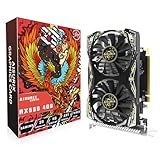
- Top Pick: 51RISC Radeon RX 550 LP Graphics Card, Low Profile 4GB GDDR5 Small Form Factor Video Card for Gaming 4K Display Desktop/Mini PC SFF Video Card (RX 550 4GB Low Profile)
- Best Value: InfiniBand XDR 800G For AI & HPC Clusters: Configure RDMA, GPU Networking OpenSM, NCCL, And Low-Latency Data Center Fabrics
- Premium Choice: Low-Latency AI Trading Kernels in C++20: GPU Acceleration, FPGA Prototyping, and Execution Strategies for Deep RL and Neural PDE Policies
🛒 Best Price Today on Amazon
Prime members get fast, free shipping on everything above, plus member-only deals. New members get a 30-day free trial — cancel anytime.
- Top Low Latency Gpus Picks for 2026
- Best Low Latency GPUs at a Glance
- 1. ASUS Prime GeForce RTX 5070 Ti OC 16GB GDDR7
- 2. ASUS Prime GeForce RTX 5080 OC Edition 16GB GDDR7
- 3. MSI Gaming GeForce RTX 3060 12GB GDDR6
- 4. GIGABYTE Radeon RX 9060 XT Gaming OC ICE 16G GDDR6
- 5. Gigabyte Radeon RX 9060 XT Gaming OC 16G GDDR6
- 6. NVIDIA RTX PRO 4000 SFF Blackwell 24GB GDDR7 ECC
- How to Choose a Low Latency GPU
- Frequently Asked Questions
- Related Guides
- Related Articles
- Related Guides
Top Low Latency Gpus Picks for 2026
Here are our current top low latency gpus picks, compared on real Amazon owner reviews, price, and features. Live prices update below.
As an Amazon Associate we earn from qualifying purchases at no extra cost to you.






In competitive gaming, low latency is everything: the lower the delay between your input and the action on screen, the sharper your aim and the faster your reactions feel. A graphics card is central to that chain, because high, stable frame rates on a high-refresh monitor cut the time between rendered frames, and modern low-lag features — most notably NVIDIA Reflex on GeForce cards — trim the render queue to reduce system latency further. This guide rounds up the best low latency GPUs in 2026: cards built to push the frame rates and feed the low-lag pipelines that fast-paced, high-refresh gaming depends on.
Our picks were chosen on what genuinely drives a responsive, low-latency experience: the horsepower to sustain high frame rates at your resolution, support for low-latency technologies, sensible VRAM, and value. We have led with the cards that fit competitive high-refresh gaming best, included strong mid-range options, and we are honest about one card here that is a professional workstation GPU rather than a gaming part. Prices range widely, from around $400 to over $2,000. Below is an at-a-glance comparison of all six, then a closer look at each and a buyer’s guide built around the things that actually lower input latency.
Best Low Latency GPUs at a Glance
| Graphics Card | Best For | Standout Spec | Approx Price |
|---|---|---|---|
| ASUS Prime RTX 5070 Ti OC 16GB | Best high-refresh low-latency pick | 16GB GDDR7, Reflex-ready | around $1,450 |
| ASUS Prime RTX 5080 OC 16GB | High-end competitive gaming | 16GB GDDR7, top frame rates | around $1,500 |
| MSI GeForce RTX 3060 12GB | Value Reflex 1080p gaming | 12GB GDDR6, GeForce Reflex | around $399 |
| GIGABYTE RX 9060 XT Gaming OC ICE 16G | AMD high-refresh value | 16GB GDDR6, Anti-Lag | around $470 |
| Gigabyte RX 9060 XT Gaming OC 16G | Alternate AMD low-lag pick | 16GB GDDR6, PCIe 5.0 | around $460 |
| NVIDIA RTX PRO 4000 SFF Blackwell 24GB | Workstation card (not gaming) | 24GB ECC GDDR7, SFF | around $2,047 |
1. ASUS Prime GeForce RTX 5070 Ti OC 16GB GDDR7

ASUS Prime RTX 5070 Ti OC 16GB GDDR7 GPU, PCIe 5.0, HDMI 2.1b, 3X DP 2.1b, High FPS 4K Gaming, Creator PC, AI Creation, Video Editing, 3D Rendering, Streaming, Local AI, with GPU Holder




As an Amazon Associate we earn from qualifying purchases. Product prices and availability are accurate as of the date/time indicated.
The ASUS Prime RTX 5070 Ti OC is the top low-latency pick for competitive gamers because it hits the sweet spot of high-refresh performance and price. Built on NVIDIA’s latest architecture with 16GB of fast GDDR7, a PCIe 5.0 interface and HDMI 2.1b plus three DisplayPort 2.1b outputs, it is engineered to push the high, steady frame rates that fast 1440p and high-refresh gaming demand. At around $1,450 it leads the list for serious low-lag play.
This is the card to drive a high-refresh monitor hard, where consistently high frame rates are the foundation of low latency. As a GeForce card it supports NVIDIA Reflex, which trims the render queue to reduce system latency in supported competitive titles — a meaningful edge when reactions matter. The 16GB of GDDR7 keeps it comfortable at high resolutions, and the modern display outputs match the fastest gaming panels. For the best blend of frame rate, Reflex support and value for a low-latency build, the 5070 Ti is the standout.
Pros: High GDDR7 frame rates, NVIDIA Reflex support, modern DisplayPort 2.1b, strong value for tier.
Cons: Premium price; overkill for casual or 1080p-only players.
2. ASUS Prime GeForce RTX 5080 OC Edition 16GB GDDR7

The ASUS Prime RTX 5080 OC is the high-end low-latency pick, stepping up to more raw rendering power for the most demanding competitive setups. It pairs a powerful current-generation GeForce GPU with 16GB of GDDR7 and a triple-fan cooler, delivering the headroom to sustain very high frame rates at high refresh rates. At around $1,500 it is a flagship-class card aimed at players who want maximum responsiveness.
This is the GPU for the gamer chasing the highest frame rates on a top-tier high-refresh monitor, where every extra frame shortens the gap between frames and lowers perceived latency. Like the 5070 Ti it supports NVIDIA Reflex to reduce system latency in compatible games, and the extra horsepower gives more consistent frame delivery under heavy load. If your priority is the lowest latency that high, stable frame rates can buy and budget is secondary, the RTX 5080 is the premium choice here.

Pros: Top-tier frame rates, NVIDIA Reflex support, 16GB GDDR7, sustained high-refresh delivery.
Cons: Expensive; more performance than many competitive players need.
3. MSI Gaming GeForce RTX 3060 12GB GDDR6

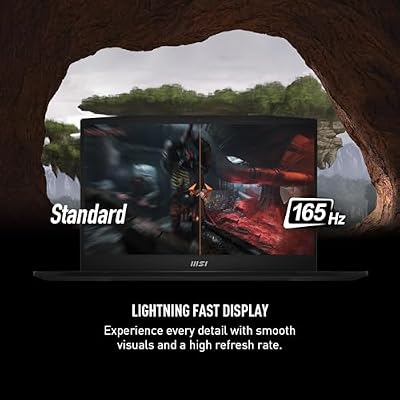
msi Katana 15 15.6” 165Hz QHD Gaming Laptop: Intel Core i7-13620H, NVIDIA Geforce RTX 4070, 16GB DDR5, 1TB NVMe SSD, Cooler Boost 5, Win 11: Black B13VGK-2000US



As an Amazon Associate we earn from qualifying purchases. Product prices and availability are accurate as of the date/time indicated.
The MSI GeForce RTX 3060 12GB is the value low-latency pick, bringing GeForce features and NVIDIA Reflex support to a far more affordable price. With 12GB of GDDR6 on a 192-bit bus, a PCIe 4.0 interface and a dual Torx fan cooler, it is a popular, dependable card for 1080p and entry 1440p gaming. At around $399 it is the cheapest GeForce option here and the easy choice for low-lag gaming on a budget.
This is the card for the competitive 1080p player who wants Reflex without spending flagship money. It produces the high frame rates that fast esports titles run at, and as a GeForce card it supports NVIDIA Reflex to trim system latency in compatible games — the same low-lag technology found on far pricier cards. The generous 12GB of VRAM is reassuring for a card at this price. For affordable, Reflex-enabled high-refresh gaming, the RTX 3060 12GB punches well above its cost.
Pros: Affordable GeForce Reflex support, 12GB VRAM, strong 1080p high-refresh frame rates.
Cons: Older generation; not built for high-refresh 1440p or 4K play.
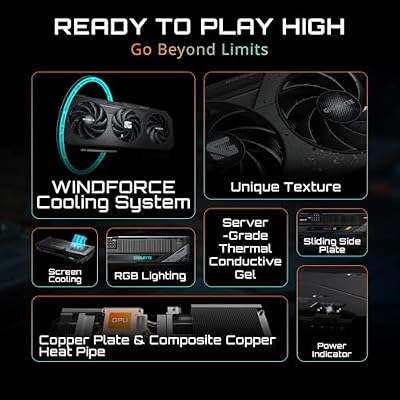
4. GIGABYTE Radeon RX 9060 XT Gaming OC ICE 16G GDDR6
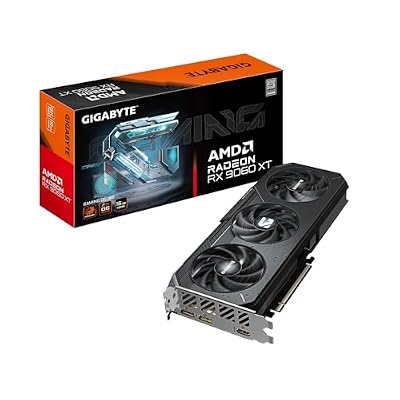
GIGABYTE Radeon RX 9060 XT Gaming OC 16G Graphics Card, PCIe 5.0, 16GB GDDR6, GV-R9060XTGAMING OC-16GD Video Card



As an Amazon Associate we earn from qualifying purchases. Product prices and availability are accurate as of the date/time indicated.
The GIGABYTE RX 9060 XT Gaming OC ICE is the AMD value pick for high-refresh gaming. It offers 16GB of GDDR6 on a 128-bit bus with a factory overclock and GIGABYTE’s ICE cooling design, delivering strong frame rates for 1080p and 1440p play. At around $470 it is an affordable route to fast, smooth gaming with a generous frame buffer.
This is the card for the high-refresh gamer who prefers Radeon and wants plenty of VRAM for the money. It pushes the high frame rates that make a fast monitor worthwhile, and AMD’s Radeon Anti-Lag feature works to reduce input latency in supported games — the AMD counterpart to the low-lag pipeline NVIDIA offers with Reflex. The 16GB buffer gives comfortable headroom at higher settings. For value-focused low-latency gaming on the AMD side, this 9060 XT is a compelling choice.

Pros: 16GB VRAM for the price, factory overclock, Radeon Anti-Lag, capable high-refresh frame rates.
Cons: Reflex is NVIDIA-only; relies on AMD Anti-Lag for latency reduction.
5. Gigabyte Radeon RX 9060 XT Gaming OC 16G GDDR6
This Gigabyte RX 9060 XT Gaming OC 16G is the alternate AMD low-lag pick, closely related to the ICE model above. It carries the same 16GB of GDDR6 on a 128-bit bus with a PCIe 5.0 interface and a factory overclock, in Gigabyte’s standard Gaming OC cooler. At around $460 it is a touch cheaper and offers essentially the same high-refresh capability.
This is the card to consider if you want the 9060 XT’s strengths and the ICE variant is unavailable or pricier. It delivers the same high frame rates for 1080p and 1440p gaming, the same 16GB of VRAM for headroom, and the same support for AMD’s Radeon Anti-Lag to help reduce input latency in compatible titles. The differences come down to cooler design and price rather than core performance. For dependable, value low-latency AMD gaming, it is an interchangeable, well-priced option alongside its ICE sibling.
Pros: Same 16GB GDDR6 performance, PCIe 5.0, Radeon Anti-Lag, slightly lower price.
Cons: Largely identical to the ICE model; latency relies on AMD Anti-Lag, not Reflex.
6. NVIDIA RTX PRO 4000 SFF Blackwell 24GB GDDR7 ECC

NVIDIA RTX PRO 4000 SFF Blackwell 24GB GDDR7 ECC - PCIe 5.0x8, 4X mDP 2.1b, Low-Profile Dual-Slot AI Workstation GPU Retail


As an Amazon Associate we earn from qualifying purchases. Product prices and availability are accurate as of the date/time indicated.
An important honesty note: the NVIDIA RTX PRO 4000 SFF Blackwell is a professional workstation graphics card, not a gaming GPU, and it is not the right choice for a low-latency gaming build. It packs 24GB of ECC GDDR7 in a compact small-form-factor, low-profile design with four Mini DisplayPort outputs, aimed at workstations, CAD, content creation and professional visual applications. At around $2,047 it is priced for that market.
We include it for transparency because it can appear in graphics-card searches alongside gaming cards. Its ECC memory, SFF form factor and pro-grade drivers are tuned for reliability and professional workloads, not for the highest gaming frame rates or competitive low-lag features. If your goal is low latency for gaming, a GeForce card like the RTX 5070 Ti or 5080 — with NVIDIA Reflex — delivers far better value and a better experience. Buy the RTX PRO 4000 only if you genuinely need a professional workstation GPU.

Pros: Professional 24GB ECC GDDR7, compact SFF low-profile design, pro-grade reliability.
Cons: Not a gaming card; very expensive for gaming and not built for competitive low-lag play.
How to Choose a Low Latency GPU
Low latency in gaming starts with frame rate, so the first thing to match is GPU horsepower to your resolution and monitor. A high-refresh monitor only lowers latency if the graphics card can actually feed it high, stable frames: the RTX 5070 Ti and RTX 5080 are built to drive fast 1440p and high-refresh play, while the RTX 3060 12GB and the RX 9060 XT pair are aimed at high-refresh 1080p and entry 1440p. Buy enough GPU to sustain the frame rates your panel can show, because spare frames are wasted and a struggling card raises latency.
Next, look at low-latency technologies, because they reduce delay beyond raw frame rate. NVIDIA’s GeForce cards — the 5070 Ti, 5080 and 3060 here — support Reflex, which shrinks the render queue to cut system latency in compatible competitive games, and it is one of the most effective latency tools available. AMD’s Radeon cards, including the RX 9060 XT models, offer Radeon Anti-Lag for a similar purpose. Decide which ecosystem and features matter to you, and check that the games you play actually support them.
VRAM and display outputs are the practical specs to confirm. A 12GB or 16GB frame buffer, as on every gaming card here, gives comfortable headroom at high settings and avoids stutter from running out of memory, which itself hurts frame consistency. On outputs, modern DisplayPort 2.1b and HDMI 2.1b — found on the RTX 50-series cards — are what you want to drive the fastest high-refresh monitors at full rate, so make sure the card’s ports match your display’s connector and refresh rate.
Finally, set your budget and avoid buying the wrong category of card. For competitive low-latency gaming, a strong GeForce or Radeon gaming GPU is the right tool, and you can spend from around $400 for Reflex-enabled 1080p up to flagship money for the highest frame rates. Crucially, do not be tempted by a professional workstation card like the RTX PRO 4000 SFF for gaming — it is engineered for pro applications, not competitive play, and offers poor gaming value. Match the GPU to your monitor, prioritise a card with the low-lag features you will use, and pick the gaming GPU on this list that fits your resolution and budget.
Frequently Asked Questions
How does a graphics card affect input latency?
Higher, more stable frame rates shorten the time between rendered frames, which lowers the delay between your input and what you see — especially on a high-refresh monitor. A capable GPU that sustains high frame rates at your resolution is the foundation of low latency, while a card that struggles to keep up adds delay and inconsistency. That is why frame-rate headroom matters for competitive play.
What is NVIDIA Reflex and which cards here support it?
NVIDIA Reflex is a low-latency technology that reduces system latency by trimming the render queue in supported competitive games. It is one of the most effective ways to cut input lag. On this list the GeForce cards — the RTX 5070 Ti, RTX 5080 and RTX 3060 12GB — support Reflex. AMD’s Radeon cards, like the RX 9060 XT models, use Radeon Anti-Lag for a comparable purpose.
Is the NVIDIA RTX PRO 4000 SFF good for gaming?
No. The RTX PRO 4000 SFF is a professional workstation card with ECC memory and a compact, low-profile design, built for CAD, content creation and professional visual workloads — not competitive gaming. For low-latency gaming it offers poor value, and a GeForce gaming card like the RTX 5070 Ti or 5080, with NVIDIA Reflex, gives a far better experience for the money.
Do I need a 16GB GPU for low-latency gaming?
Not strictly — the 12GB RTX 3060 is plenty for high-refresh 1080p and entry 1440p. But 16GB cards like the RTX 5070 Ti, RTX 5080 and the RX 9060 XT pair give extra headroom at higher resolutions and settings, which helps avoid stutter from running out of memory. Match VRAM to your resolution: more is useful at 1440p and above, while 12GB suffices for fast 1080p play.
Related Guides
- Best GPUs for Gaming
- Best Gaming Monitors
- Best High Refresh Rate Monitors
- Best Low Latency Mouse
- Best CPUs for Gaming
- Best Pre-Built Gaming PCs
Affiliate Disclosure: As an Amazon Associate, we earn from qualifying purchases. If you click a link and make a purchase, we may earn a small commission at no extra cost to you. Prices and availability are accurate as of publication and may change.










