In competitive games, hearing a footstep or a reload a fraction of a second late can cost you the round. That delay is audio latency — the gap between an in-game sound being generated and reaching your ears — and it is the spec this guide cares about above all else. Wired connections are effectively instantaneous, a dedicated 2.4GHz wireless dongle is engineered to be nearly as fast, and standard Bluetooth lags behind. Below we rank the best low latency headsets in 2026, leading with the connections that keep your audio perfectly in sync with the action.
- Best Low Latency Headsets at a Glance
- 1. Turtle Beach Recon 50 Wired Gaming Headset for PC PS5 PS4 Xbox
- 2. Razer BlackShark V2 X Wired Gaming Headset, 7.1 Surround, 50mm Drivers
- 3. NUBWO Wireless Gaming Headset, 2.4GHz Zero Interference, 100-Hour Battery
- 4. Logitech G733 Lightspeed Wireless Gaming Headset, RGB
- 5. KVIDIO Bluetooth Headphones Over-Ear with Wired Mode, 65 Hours
- 6. KVIDIO Bluetooth Headphones Over-Ear, 65 Hours Playtime with Microphone
- How to Choose a Low Latency Headset
- Frequently Asked Questions
- Related Guides
- Related Articles
- Related Guides
We chose these on what determines competitive responsiveness: connection type and its inherent latency, driver clarity for positional cues, and mic quality for team comms — with value kept firmly in mind. Prices run from around $18 up to around $113, and the list deliberately leads with wired and 2.4GHz options because they deliver the lag-free input fast play demands, before covering low-cost Bluetooth picks for the players who want them for casual use. Below is an at-a-glance comparison of all six, then a closer look at each and a buyer’s guide built around the one thing that defines this category: keeping latency to an absolute minimum.
As an Amazon Associate we earn from qualifying purchases at no extra cost to you.



🛒 Best Price Today on Amazon
Prime members get fast, free shipping on everything above, plus member-only deals. New members get a 30-day free trial — cancel anytime.
Best Low Latency Headsets at a Glance
| Headset | Best For | Standout Spec | Approx Price |
|---|---|---|---|
| Turtle Beach Recon 50 | Lag-free wired competitive | Wired 3.5mm, zero pairing lag | around $27 |
| Razer BlackShark V2 X | Wired esports audio | Wired, 7.1 surround, 50mm | around $34 |
| NUBWO Wireless Gaming Headset | Low-latency 2.4GHz wireless | 2.4GHz dongle, 100h battery | around $29 |
| Logitech G733 Lightspeed | Premium low-latency wireless | LIGHTSPEED 2.4GHz wireless | around $110 |
| KVIDIO Bluetooth Over-Ear | Casual Bluetooth (wired mode) | 65h, wired/Bluetooth | around $24 |
| KVIDIO Bluetooth Over-Ear | Budget all-rounder | 65 hours, lightweight | around $18 |
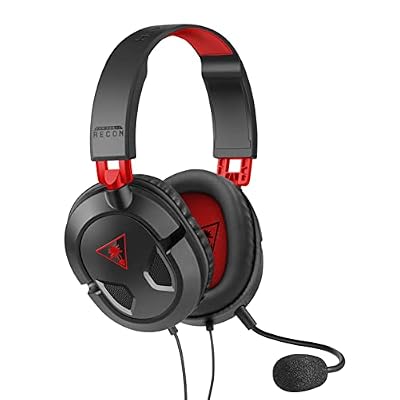
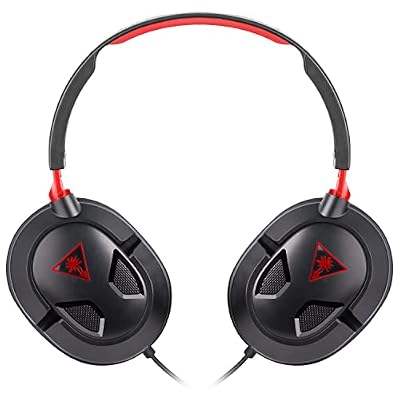
1. Turtle Beach Recon 50 Wired Gaming Headset for PC PS5 PS4 Xbox
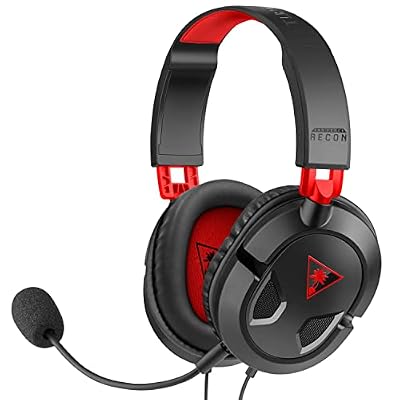
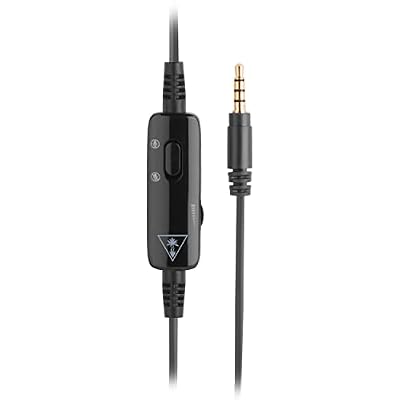
Turtle Beach Recon 50 Wired Multiplatform Gaming Headset for PC, PS5, Xbox | PlayStation, PS4, Xbox Series X|S, PC Splitter Cable, Removable Mic, 40mm Speakers, In-Line Controls, Lightweight, Black Red



As an Amazon Associate we earn from qualifying purchases. Product prices and availability are accurate as of the date/time indicated.
The Turtle Beach Recon 50 is the purest low-latency pick on this list, and that is exactly why it leads. As a wired 3.5mm headset it carries audio with effectively zero transmission delay — there is no pairing, no dongle and no wireless lag, just an instant signal straight to your ears. It works across PC, PS5, PS4 and Xbox via the universal 3.5mm jack, and at around $27 it is a remarkably affordable way to get lag-free competitive audio.
This is the headset for the competitive player who wants their footsteps, reloads and directional cues to arrive in perfect sync with the action. The wired connection guarantees the lowest possible latency for split-second reactions, the 40mm drivers deliver clear positional sound, and the flip-up mic keeps team comms crisp. There is no battery to die mid-match and nothing to charge. For uncompromising low-latency performance on a tight budget, the Recon 50 is the obvious starting point and a deserved favorite.
Pros: Zero wireless lag (wired 3.5mm), clear positional audio, flip mic, superb value.
Cons: Wired cable can tangle; no wireless freedom of movement.
2. Razer BlackShark V2 X Wired Gaming Headset, 7.1 Surround, 50mm Drivers

Razer BlackShark V2 X Gaming Headset: 7.1 Surround Sound - 50mm Drivers - Memory Foam Cushion - For PC, PS4, PS5, Switch - 3.5mm Audio Jack - Black


As an Amazon Associate we earn from qualifying purchases. Product prices and availability are accurate as of the date/time indicated.
The Razer BlackShark V2 X is the wired esports pick, built around the kind of audio competitive players prize. Its wired connection keeps latency to an absolute minimum, while 50mm TriForce drivers and 7.1 surround sound (on PC) are tuned to make footsteps and positional cues stand out clearly. At around $34 it is a lightweight, esports-focused headset that punches well above its price.
This is the headset for the competitive gamer who wants instant wired response paired with audio clarity engineered for the genre. The wired link means cues land the moment they happen, the 7.1 surround helps you place enemies in 3D space, and the memory-foam cushions and light frame stay comfortable through long ranked sessions. The cardioid mic filters background noise for clear callouts. For lag-free, positionally sharp esports audio at a sensible price, the BlackShark V2 X is a standout.
Pros: Minimal wired latency, 7.1 positional surround, clear 50mm drivers, noise-filtering mic.
Cons: Wired only; surround virtualisation is PC-focused.
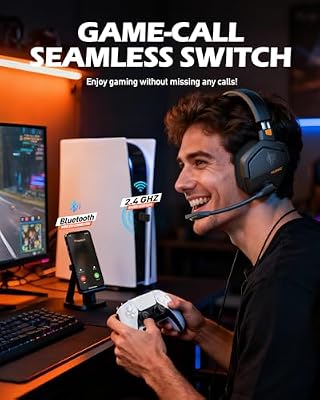
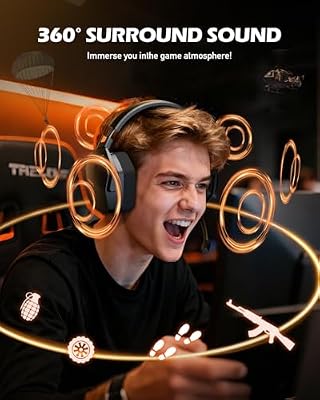
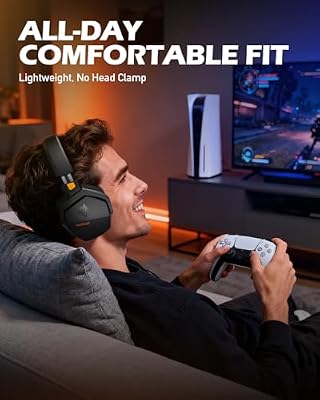
3. NUBWO Wireless Gaming Headset, 2.4GHz Zero Interference, 100-Hour Battery

NUBWO Wireless Gaming Headset with Mic for Ps5 Ps4 PC, Zero Interference, 100-Hour Battery All-Day Play, 23ms Sync for Fortnite & Call of Duty/FPS Gamers, Triple Mode All Devices Compatible - Orange




As an Amazon Associate we earn from qualifying purchases. Product prices and availability are accurate as of the date/time indicated.
The NUBWO is the low-latency wireless pick that does not break the bank. Instead of laggy Bluetooth it uses a dedicated 2.4GHz wireless dongle — the connection type engineered to deliver near-wired responsiveness — branded as ‘zero interference’ for stable play on PS5, PS4 and PC. It backs that with a huge 100-hour battery, and at around $29 it is exceptional value for low-latency wireless.
This is the headset for the gamer who wants to cut the cable without sacrificing responsiveness. The 2.4GHz dongle keeps latency low enough for fast-paced play, far ahead of standard Bluetooth, while the marathon 100-hour battery means it is always ready when you are. The boom mic handles party chat and the over-ear cups stay comfortable through long sessions. For near-wired wireless performance at a budget price, the NUBWO is a genuinely compelling low-latency option.
Pros: Low-latency 2.4GHz dongle, ‘zero interference’ stability, 100h battery, great value.
Cons: 2.4GHz dongle (not Bluetooth); budget drivers and build.
4. Logitech G733 Lightspeed Wireless Gaming Headset, RGB
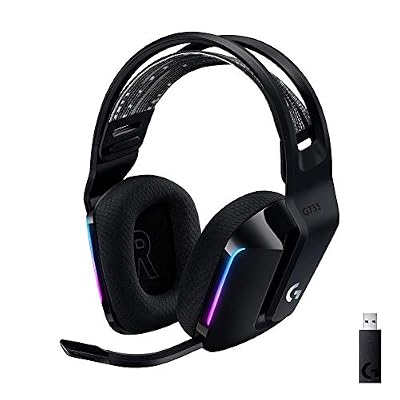
Logitech G733 Lightspeed Wireless Gaming Headset - Black | Suspension Headband, Blue VO!CE Mic, PRO-G Audio, PC, PS5, PS4, Switch Compatible


As an Amazon Associate we earn from qualifying purchases. Product prices and availability are accurate as of the date/time indicated.
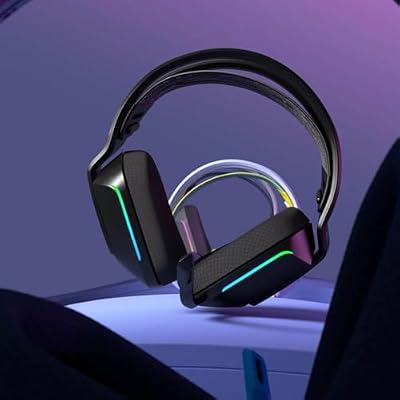
The Logitech G733 Lightspeed is the premium low-latency wireless pick. Its headline is LIGHTSPEED, Logitech’s 2.4GHz wireless technology engineered to rival the response time of a wired connection, so you get cable-free freedom without the lag. It adds a detachable Blue VO!CE mic, a suspension headband and LIGHTSYNC RGB, and at around $110 it is the flagship option for serious wireless competitors.
This is the headset for the competitive player who wants top-tier low-latency wireless and is willing to pay for it. LIGHTSPEED keeps audio cues arriving fast enough for ranked play while freeing you from the cable, the suspension headband keeps long sessions comfortable, and the Blue VO!CE mic delivers clear, customisable callouts. With around 29 hours of battery and vivid RGB, it blends performance and style. For premium low-latency wireless gaming, the G733 is the standout pick on this list.
Pros: LIGHTSPEED 2.4GHz rivals wired latency, Blue VO!CE mic, comfy suspension band, RGB.
Cons: Highest price here; not a wired option for purists.
5. KVIDIO Bluetooth Headphones Over-Ear with Wired Mode, 65 Hours

KVIDIO Bluetooth Headphones Wireless Over Ear Headsets 65H Playtime | Deep Bass, HiFi Stereo, Bluetooth 6.0, Microphone, Comfortable Fit, Foldable, Lightweight, Low Latency for Travel Home Office


As an Amazon Associate we earn from qualifying purchases. Product prices and availability are accurate as of the date/time indicated.
The KVIDIO over-ear earns a place by offering a wired fallback, which is the key to using it with low latency. Over Bluetooth it is a 65-hour wireless headset for casual listening, but plug in the included cable and it becomes a lag-free wired pair — sidestepping the Bluetooth delay that rules standard wireless out of competitive play. At around $24 it is a flexible, budget-friendly dual-mode option.
This is the headset for someone who wants cheap Bluetooth convenience for music and calls, plus the option to go wired when latency matters for a game. In wired mode the audio arrives instantly, just like any wired headset, while Bluetooth mode and the 65-hour battery cover relaxed listening away from the PC. The built-in mic handles chat in either mode. It is not a dedicated esports headset, but the wired option makes it a practical low-latency choice on a budget when you need it.
Pros: Wired mode for lag-free play, 65h Bluetooth for casual use, dual-mode flexibility, low price.
Cons: Bluetooth mode is not low-latency; budget gaming features.
6. KVIDIO Bluetooth Headphones Over-Ear, 65 Hours Playtime with Microphone

KVIDIO Bluetooth Headphones Wireless Over Ear Headsets 65H Playtime | Deep Bass, HiFi Stereo, Bluetooth 6.0, Microphone, Comfortable Fit, Foldable, Lightweight, Low Latency for Travel Home Office


As an Amazon Associate we earn from qualifying purchases. Product prices and availability are accurate as of the date/time indicated.
Rounding out the list is the standard KVIDIO over-ear, the budget all-rounder. It is a lightweight 65-hour Bluetooth headset with a built-in mic, and at around $18 it is the cheapest pick here. Honesty matters in a low-latency guide: over Bluetooth this is not a competitive headset, because Bluetooth carries inherent delay — its strength is endurance and value for casual use.
This is the headset to choose if your priority is an affordable, comfortable wireless pair for music, video and calls, with gaming as a secondary, casual activity. The 65-hour battery means you rarely charge it, the lightweight build stays comfortable for hours, and the mic covers chat. For latency-sensitive competitive play you should pick one of the wired or 2.4GHz options above; but as a low-cost everyday Bluetooth set that can still join a relaxed game, the KVIDIO rounds out the list well.
Pros: Very low price, 65-hour battery, light and comfortable, built-in mic.
Cons: Bluetooth latency makes it unsuitable for competitive play.
How to Choose a Low Latency Headset
For low latency, the connection type is everything — it sets the floor on how fast your audio can possibly be. A wired 3.5mm or USB connection, like the Turtle Beach Recon 50 and Razer BlackShark V2 X, is effectively instantaneous: there is no pairing and no wireless transmission, so cues land the moment they happen. If you play competitively and want zero doubt about timing, a wired headset is the safest, simplest choice and usually the cheapest, too.
If you want to cut the cable, choose a dedicated 2.4GHz wireless dongle rather than Bluetooth. A 2.4GHz link — the NUBWO’s ‘zero interference’ dongle or Logitech’s LIGHTSPEED on the G733 — is purpose-built for gaming and engineered to deliver near-wired response times, far ahead of standard Bluetooth. The trade-off is that the receiver occupies a USB port and the headset needs charging, but the latency penalty over wired is small enough that competitive players happily use it.
Be clear-eyed about Bluetooth: it is the wrong tool for competitive low-latency play. Standard Bluetooth introduces noticeable delay between picture and sound, which is fine for music, video and calls but a handicap when you are reacting to footsteps. The KVIDIO models here illustrate the workaround — a Bluetooth headset with a wired mode lets you switch to the cable when latency matters. If a headset is Bluetooth-only, treat it as a casual pick, not a competitive one.
Beyond the connection, audio clarity and the mic decide how useful that low latency is in practice. Drivers and surround processing that make footsteps and directional cues easy to place — like the BlackShark V2 X’s 7.1 surround — turn fast audio into a genuine competitive edge, and a clear mic keeps team callouts sharp. Decide first between wired certainty and 2.4GHz freedom, then pick the headset on this list with the clarity and comfort to match how you play. For competitive gaming, low latency is the foundation everything else builds on.
Frequently Asked Questions
Why does audio latency matter for competitive gaming?
Because hearing a cue late can cost you the round. Audio latency is the delay between a game generating a sound — a footstep, a reload, a directional cue — and it reaching your ears. In fast competitive play you react to those sounds instantly, so even a small lag puts you a beat behind. A low-latency headset, ideally wired or on a 2.4GHz dongle, keeps your audio in sync with the action so your reactions land on time.
Is wired or 2.4GHz wireless lower latency?
Wired is the lowest, effectively instantaneous, because there is no wireless transmission at all — which is why the Turtle Beach Recon 50 and Razer BlackShark V2 X lead this list. A dedicated 2.4GHz dongle, like the NUBWO’s or Logitech’s LIGHTSPEED in the G733, is engineered to come very close to wired response and is excellent for competitive play, while freeing you from the cable. Both are far faster than Bluetooth.
Can I use a Bluetooth headset for competitive games?
It is not ideal. Standard Bluetooth carries inherent latency that puts sound slightly behind the on-screen action, which is fine for music and casual play but a handicap in competitive titles. If you own a Bluetooth headset with a wired mode, like the KVIDIO models here, plug in the cable for lag-free audio when it counts. For serious competitive gaming, choose a wired or 2.4GHz wireless headset instead.
Do I need surround sound for low-latency gaming?
It is not required, but it helps you use fast audio more effectively. Surround processing such as the 7.1 on the Razer BlackShark V2 X makes it easier to place footsteps and gunfire in 3D space, turning quick, low-latency audio into a positional advantage. A clear stereo headset with good drivers is still very capable; surround is a bonus that sharpens directional awareness rather than a substitute for a low-latency connection.
Related Guides
- Best Gaming Headsets
- Best Wired Gaming Headsets
- Best Headsets with Long Battery Life
- Best Low Latency Mouse
- Best Gaming Monitors
- Best Budget Gaming Setup
Affiliate Disclosure: As an Amazon Associate, we earn from qualifying purchases. If you click a link and make a purchase, we may earn a small commission at no extra cost to you. Prices and availability are accurate as of publication and may change.