- Top Pick: GIGABYTE Radeon RX 9070 XT Gaming OC 16G Graphics Card, PCIe 5.0, 16GB GDDR6, GV-R9070XTGAMING OC-16GD Video Card
- Best Value: ASUS TUF Gaming GeForce RTX™ 5080 16GB GDDR7 OC Edition Graphics Card
- Premium Choice: GIGABYTE GeForce RTX 5080 Gaming OC 16G Graphics Card, WINDFORCE Cooling System, 16GB 256-bit GDDR7, GV-N5080GAMING OC-16GD Video Card
The graphics card is the heart of any gaming PC — it does more to determine your frame rates and visual quality than any other component. But ‘best’ means something different at every budget, which is why this guide spans the whole range: an entry-level card for light gaming and HTPC builds, a popular mainstream 1080p choice, two strong 1440p contenders, and a compact RTX 5070 for small-form-factor systems. Each one is the right answer for a different buyer.
- Best GPUs at a Glance
- 1. maxsun AMD Radeon RX 550 4GB GDDR5 ITX
- 2. ASUS Dual NVIDIA GeForce RTX 3050 6GB OC Edition
- 3. GIGABYTE Radeon RX 9060 XT Gaming OC 16G
- 4. GIGABYTE Radeon RX 9060 XT Gaming OC ICE 16G
- 5. GIGABYTE GeForce RTX 5070 WINDFORCE OC SFF
- How to Choose the Right GPU
- Frequently Asked Questions
- Related Guides
- Related Articles
Our picks focus on what actually matters when you shop for a GPU: the resolution and frame rate you want, the amount and type of video memory, the physical size of the card, and value for money. We have avoided quoting invented benchmark numbers — instead we explain where each card fits and who it is for, from around $110 up to around $636. Below is an at-a-glance comparison of all five cards, followed by a detailed look at each and a buyer’s guide to help you match a GPU to your monitor, your case and your budget.
As an Amazon Associate we earn from qualifying purchases at no extra cost to you.


🛒 Best Price Today on Amazon
Prime members get fast, free shipping on everything above, plus member-only deals. New members get a 30-day free trial — cancel anytime.
Best GPUs at a Glance
| Graphics Card | Best For | Standout Spec | Approx Price |
|---|---|---|---|
| maxsun AMD Radeon RX 550 4GB | Entry-level / HTPC | Compact ITX, 4GB GDDR5 | around $110 |
| ASUS Dual RTX 3050 6GB OC | Budget 1080p gaming | 6GB GDDR6, PCIe 4.0 | around $240 |
| GIGABYTE RX 9060 XT Gaming OC 16G | 1440p value | 16GB GDDR6, PCIe 5.0 | around $460 |
| GIGABYTE RX 9060 XT Gaming OC ICE 16G | 1440p, cool & quiet | 16GB GDDR6, ICE cooling | around $470 |
| GIGABYTE RTX 5070 WINDFORCE OC SFF | Small-form-factor builds | 12GB GDDR7, SFF design | around $636 |
1. maxsun AMD Radeon RX 550 4GB GDDR5 ITX

MAXSUN AMD Radeon RX 550 4GB GDDR5 ITX Computer PC Gaming Video Graphics Card GPU 128-Bit DirectX 12 PCI Express X16 3.0 DVI-D Dual Link, HDMI, DisplayPort


As an Amazon Associate we earn from qualifying purchases. Product prices and availability are accurate as of the date/time indicated.
The maxsun Radeon RX 550 is the entry point of this list — a compact, low-cost card built for light gaming, media playback and basic productivity. With 4GB of GDDR5 memory and a small ITX-friendly footprint, it slots into tight cases and modest power budgets where a big modern GPU simply will not fit. At around $110 it is the cheapest way onto this list.
This is the right pick for an HTPC, an older system that needs a graphics upgrade, or a very light esports machine running undemanding titles at 1080p. Do not expect it to drive the latest AAA games at high settings — that is not its job. Its intent is affordable, compact, dependable graphics for casual use, and for that it remains a sensible budget choice.
Pros: Very affordable, compact ITX size, low power draw, easy upgrade for old PCs.
Cons: Entry-level performance; 4GB limits modern AAA gaming.
2. ASUS Dual NVIDIA GeForce RTX 3050 6GB OC Edition
The ASUS Dual RTX 3050 6GB OC is the budget 1080p workhorse. The Dual cooler is a proven, compact two-fan design that keeps the card quiet and cool, and at around $240 it brings NVIDIA’s feature set — including DLSS in supported games — to entry-level builds. The 6GB of GDDR6 memory and PCIe 4.0 interface make it a tidy, modern choice.
This card suits the gamer building or upgrading a 1080p system on a budget who wants reliable performance in popular titles plus access to NVIDIA’s software ecosystem. It is comfortable with esports games and many AAA titles at sensible settings, and the compact Dual cooler fits a wide range of cases. For a no-drama mainstream 1080p GPU, it is an easy recommendation.
Pros: Solid 1080p performance, DLSS support, quiet compact cooler, modern PCIe 4.0.
Cons: 6GB VRAM is modest; best kept to 1080p.
3. GIGABYTE Radeon RX 9060 XT Gaming OC 16G
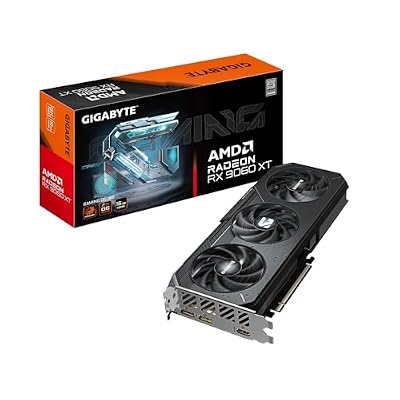
GIGABYTE Radeon RX 9060 XT Gaming OC 16G Graphics Card, PCIe 5.0, 16GB GDDR6, GV-R9060XTGAMING OC-16GD Video Card



As an Amazon Associate we earn from qualifying purchases. Product prices and availability are accurate as of the date/time indicated.
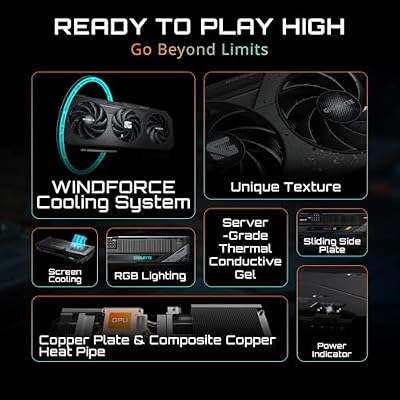
Stepping up to serious 1440p, the GIGABYTE RX 9060 XT Gaming OC 16G is the value sweet spot of this list. The headline is 16GB of GDDR6 memory — a generous frame buffer that gives the card real headroom for high-resolution textures and future titles — paired with a modern PCIe 5.0 interface and GIGABYTE’s robust Gaming OC triple-fan cooler. At around $460 it is the card most 1440p gamers should look at first.
This is the pick for the mainstream-to-enthusiast gamer who wants strong 1440p performance without paying flagship prices. The large 16GB buffer is especially welcome as games grow more memory-hungry, and the WINDFORCE-class cooling keeps the card composed under load. If your target is high-refresh 1440p gaming on a sensible budget, this is the heart of the list.
Pros: Generous 16GB VRAM, strong 1440p performance, PCIe 5.0, capable triple-fan cooler.
Cons: Larger card; check case clearance before buying.
4. GIGABYTE Radeon RX 9060 XT Gaming OC ICE 16G
GIGABYTE Radeon RX 9060 XT Gaming OC 16G Graphics Card, PCIe 5.0, 16GB GDDR6, GV-R9060XTGAMING OC-16GD Video Card
As an Amazon Associate we earn from qualifying purchases. Product prices and availability are accurate as of the date/time indicated.
The GIGABYTE RX 9060 XT Gaming OC ICE 16G is the same strong 1440p GPU as above, dressed in GIGABYTE’s white ‘ICE’ aesthetic and cooling treatment. It keeps the 16GB GDDR6 buffer, the 128-bit memory layout and the PCIe 5.0 interface, but the ICE styling makes it the natural choice for a white or light-themed build. At around $470 it carries a small premium for the look and finish.
Pick this version if you are building a clean white or pastel system and want your graphics card to match — the performance is the same as the standard Gaming OC, so the decision is purely about aesthetics and cooling presentation. For 1440p gamers who care about how their build looks through a glass side panel, the ICE edition is the one to choose.
Pros: Same 16GB 1440p muscle, striking white ICE design, cool and quiet operation.
Cons: Slight price premium for styling; large card.
5. GIGABYTE GeForce RTX 5070 WINDFORCE OC SFF

At the top of this list is the GIGABYTE RTX 5070 WINDFORCE OC SFF — a compact, small-form-factor take on NVIDIA’s RTX 5070. It packs 12GB of next-generation GDDR7 memory on a 192-bit bus and brings NVIDIA’s latest feature set, including DLSS 4 in supported games, into a card sized to fit small ITX and SFF cases. At around $636 it is the premium pick here.
This card is for the builder who wants high-refresh 1440p (and entry-level high-resolution) performance in a small chassis without sacrificing a modern GPU. The SFF design is the key differentiator — it solves the clearance problem that rules big triple-fan cards out of compact builds — while the fast GDDR7 memory and DLSS 4 keep frame rates high. For a powerful, space-conscious gaming PC, it is the standout.
Pros: Modern RTX 5070 performance, fast 12GB GDDR7, DLSS 4, compact SFF design.
Cons: Highest price here; 12GB buffer is smaller than the 9060 XT cards.
How to Choose the Right GPU
Choosing a graphics card starts with your monitor, not the card itself. The resolution and refresh rate you game at decides how much GPU you need. For 1080p, an entry card like the RX 550 or a budget RTX 3050 is appropriate; for high-refresh 1440p, the RX 9060 XT cards are the value target; and for a powerful compact build, the RTX 5070 SFF fits the bill. Buying far more GPU than your display can use is wasted money, so match the card to the panel.
Video memory (VRAM) is the next consideration, and it matters more every year. The 16GB on the RX 9060 XT cards is a genuine strength — modern games use ever-larger textures, and a bigger frame buffer ages better. The 12GB on the RTX 5070 and the 6GB on the RTX 3050 are workable for their target resolutions, while the 4GB on the RX 550 firmly marks it as an entry-level card. If you want longevity at higher resolutions, prioritise more VRAM.
Physical size and power are easy to overlook but can derail a build. Big triple-fan cards like the RX 9060 XT need clearance and a capable power supply, whereas compact options — the RX 550 ITX and the RTX 5070 SFF — are designed for small cases. Always check your case’s maximum GPU length and your PSU’s wattage and connectors before you buy. A card that does not fit, or that your PSU cannot feed, is no use at any price.
Finally, weigh the software ecosystem and your budget together. NVIDIA cards bring DLSS upscaling and frame generation in supported titles, which can meaningfully lift frame rates; AMD’s Radeon cards counter with strong raw performance and generous VRAM for the money. Decide your resolution, set a realistic budget, confirm physical fit, then pick the card on this list that lands on your target — that is how you get the most frames per pound.
Frequently Asked Questions
What is the best GPU for 1440p gaming in 2026?
For value 1440p, the GIGABYTE RX 9060 XT Gaming OC 16G is our top pick — its 16GB of GDDR6 memory and capable cooling make it well suited to high-refresh 1440p without flagship pricing. If you need that performance in a small case, the compact RTX 5070 WINDFORCE OC SFF is the alternative.
How much VRAM do I need?
It depends on resolution. For 1080p, 6GB to 8GB is workable; for high-refresh 1440p and beyond, more is better, which is why the 16GB on the RX 9060 XT cards stands out. Modern games use larger textures every year, so a generous frame buffer ages more gracefully.
Will a big graphics card fit in my case?
Not always. Large triple-fan cards like the RX 9060 XT need significant clearance, so check your case’s maximum GPU length first. For compact and ITX builds, choose a small-form-factor card such as the RTX 5070 WINDFORCE OC SFF or the maxsun RX 550 ITX, which are designed to fit tight spaces.
Is the cheapest GPU here good enough for gaming?
The maxsun RX 550 is an entry-level card best suited to light gaming, HTPC use and older-system upgrades at 1080p. It is not built for the latest AAA titles at high settings. If you want dependable mainstream 1080p gaming, step up to the ASUS RTX 3050; for 1440p, the RX 9060 XT cards are the better starting point.
Related Guides
- Best Graphics Cards
- Best 1440p Graphics Cards
- Best Budget GPUs
- Best Power Supplies for Your GPU
- Best ITX Cases for Small Builds
- Best Gaming Monitors
Affiliate Disclosure: As an Amazon Associate, we earn from qualifying purchases. If you click a link and make a purchase, we may earn a small commission at no extra cost to you. Prices and availability are accurate as of publication and may change.