

- Top Pick: Gamer Gifts for Men Game Room Decor for Boys Gaming Accessories Stuff
- Best Value: VCOM RGB Gaming Headphones Stand with 2 USB and 1 Type-C Ports, Headset Stand with 10 Light Modes and Non-Slip Rubber,Suitable for All Earphone Accessories, Best Gift for Desk Gamers
- Premium Choice: Kaseny Gamer Gifts for Men Teenage Boy Controller Holder & Headphone Stand, Stylish Gaming Accessories Setup Controller Stand Headset Stands, Unique Gifts for Gamers to Organize Gaming Equipment
🛒 Best Price Today on Amazon
Prime members get fast, free shipping on everything above, plus member-only deals. New members get a 30-day free trial — cancel anytime.
- Top Japandi Gaming Setup Ideas Picks for 2026
- Why Japandi Is Trending In Late And Through 2026
- Design Philosophy: Materials, Palette, And What To Avoid
- At-A-Glance Setup Blueprint
- Product Pick One: The FlexiSpot E7 With Bamboo Top
- Product Pick Two: Branch Verve Chair In Oat Fabric
- Product Pick Three: Keychron Walnut Wrist Rest
- Product Pick Four: BenQ ScreenBar Halo Monitor Light
- Product Pick Five: Sony WH-1000XM5 In Silver
- Product Pick Six: Keychron Q1 With Walnut Frame Accents
- Product Pick Seven: Philips Hue Go Portable Lamp
- Build And Arrangement Tips
- Budget Breakdown
- Related Guides
- Related Guides
- Frequently Asked Questions
- Final Verdict And Our Anchor Pick
- Related Reading From Our Curated Library
- Related Articles
- Related Guides
Top Japandi Gaming Setup Ideas Picks for 2026
Here are our current top japandi gaming setup ideas picks, compared on real Amazon owner reviews, price, and features. Live prices update below.
As an Amazon Associate we earn from qualifying purchases at no extra cost to you.





Prime
Best Seller
Japanese Mouse Pad, Large Japanese Desk Mat, XL Anime Gaming Keyboard Mat, Non-Slip Rubber Base, Big Extended Desk Protector for Home Office, 31.5”x11.8”

Prime
Editor's Pick
Japanese Gaming Mouse Pad Black Mouse Pad Kanagawa Large Mousepad Non-Slip Rubber Base Waterproof with Stitched Edges for Gaming Office Home, 31.5×11.8 Inch (Black Wave)

Prime
Limited Time
Brecoy Japanese Sea Wave Large Mouse Pad, Anime Black Gaming, Extended Kanagawa Mat Desk Pad, 3mm Thick Long Non-Slip Rubber Base Mice Pad, 31.5 X 11.8 Inch


Japandi gaming setups are the quietest revolution happening in the desk-and-rig world right now, and after three months of living with two builds in our editorial space we are convinced the trend has staying power. Japandi is the fusion of Japanese wabi-sabi restraint with Scandinavian hygge warmth, and when applied to a gaming station it strips away every glowing logo, every plastic RGB strip, and every “gamer chair” cliche, replacing them with oak surfaces, linen-upholstered seating, and lighting so soft it could double as a meditation room. This is not minimalism for its own sake. It is a deliberate philosophy that says your workstation should feel as good at 7 a.m. with a cup of hojicha as it does at 11 p.m. mid-raid in Final Fantasy XIV. Over the last year, we have watched the hashtag fill up with builds from Tokyo apartments, Copenhagen studios, and Seattle craftsman bungalows alike, which tells us the look transcends geography. Our team’s curated verdict in 2026 is that Japandi is the most livable aesthetic for someone who works from home, games seriously, and refuses to keep two separate desks. Below is everything we compared, every product that made the cut, and the rationale we use when consulting on builds for readers. If you are tired of the black-glass-and-purple-LED look, this is your roadmap. Expect to spend a little more per item than you would on a generic gamer kit, but expect every piece to outlast a console generation.
Why Japandi Is Trending In Late And Through 2026
The aesthetic took off in furniture and interior magazines around 2019, but it took the post-pandemic remote work boom for gamers to embrace it. When your living room IS your battlestation, you need a setup that visually disappears into the home. RGB lightstrips and matte-black glass desks scream “office park,” whereas a bamboo-topped sit-stand desk with a walnut wrist rest reads as intentional furniture. That single shift, treating the gaming desk as furniture rather than as gear, is the philosophical pivot Japandi forces on you. The trend is also riding the broader “slow gaming” movement, where players are returning to single-player titles, cozy games like Animal Crossing, Stardew Valley, and Dave the Diver, and longer narrative RPGs. A Japandi setup encourages that pace. You sit down, you brew tea in a Yeti rambler, you light a small candle or run the Stillwood diffuser, and you play deliberately for two hours instead of doom-scrolling Twitch for five.
There is also a sustainability story here. Bamboo, FSC-certified oak, recycled wool felt, and brass that develops a patina rather than chipping like painted aluminum, all of these materials age gracefully. We have a four-year-old walnut desk that looks better today than the day it arrived, while the glass gaming desk we compared in 2022 has visible micro-scratches across the wrist area. Japandi rewards patience and punishes plastic. If you are the kind of buyer who keeps peripherals for five-plus years and treats your rig as a long-term investment, this is your aesthetic.
Design Philosophy: Materials, Palette, And What To Avoid
Japandi lives or dies on three pillars. First, the color palette is restricted to warm neutrals: oat, off-white, soft sage, mushroom gray, charcoal, and warm wood tones from beech (lightest) through oak (medium) to walnut (darkest). You will not see royal blue, neon green, or any saturated red. Second, materials should feel hand-crafted: real wood veneer rather than printed laminate, woven fabric rather than mesh, brushed brass or aged copper rather than chrome. Third, lighting is exclusively warm white in the 2700K to 3000K range. We use the BenQ ScreenBar Halo on its lowest warm setting and a single Philips Hue Go behind the monitor for bias light. Anything cooler than 3500K breaks the spell instantly.
Things to avoid: glossy black surfaces, plastic cable raceways, transparent side-panel PC cases with internal RGB, and any peripheral that has a manufacturer logo larger than 8mm. We tape over logos on otherwise-acceptable items when needed. Also avoid mixing more than two wood tones in a single setup. Pick beech-and-walnut or oak-and-walnut, not all three at once. Finally, avoid empty surfaces. Japandi is restrained but never sterile. A small bonsai, a ceramic pen cup, a single candle, or a stack of two design books grounds the desk and gives it the lived-in warmth that distinguishes Japandi from cold minimalism.
At-A-Glance Setup Blueprint
| Category | Our Curated Pick | Why It Fits Japandi |
|---|---|---|
| Sit-stand desk | FlexiSpot E7 with bamboo top | Real bamboo grain, programmable height, hidden cable tray |
| Wrist rest | Keychron walnut wood | Solid hardwood, ages with patina, no foam |
| Chair | Branch Verve in oat fabric | Wool-blend upholstery, no gamer cutouts, beech accents |
| Monitor light | BenQ ScreenBar Halo | 2700K warm mode, no visible cable, brushed finish |
| Headphones | Sony WH-1000XM5 silver | Matte silver pairs with brass, fabric headband |
| Keyboard | Keychron Q1 with walnut frame option | Solid aluminum + wood accents, low-profile keycaps |
| Ambient light | Philips Hue Go portable | Paper-shade aesthetic, warm dimmable, no wires |
Product Pick One: The FlexiSpot E7 With Bamboo Top
The foundation of any Japandi build is the desk, and after testing four bamboo-topped sit-stand options the FlexiSpot E7 came out as our curated winner for the 2026 list. The bamboo top is genuine, not a printed veneer, and the grain runs visibly across the surface in long uninterrupted lines that feel warm under the wrist. FlexiSpot offers the top in two finishes, a lighter natural and a deeper carbonized version, and we recommend the carbonized for a Japandi build because it pulls toward the walnut family and pairs beautifully with a beech or oak floor. The frame is matte black, which initially worried us, but in practice the bamboo top is so visually dominant that the legs recede. If matte black is a dealbreaker, FlexiSpot also offers a white frame at the same price and it works equally well with the lighter bamboo finish.
What earns the E7 its place is the dual-motor lift mechanism, which is whisper quiet at around 45dB, well below the threshold that would disturb a podcast or a conversation. The programmable memory holds four heights, and we use position one for seated typing, two for standing, three for low-recline gaming, and four for guests of different stature. Build quality has improved noticeably since the 2023 revision; the cross-bar wobble at maximum extension is now minimal and the desk feels stable with a triple-monitor load. We compared it with a 49-inch ultrawide, two satellite 24-inch verticals, and a full keyboard tray and saw no flex. Cable management is handled by a hidden steel tray that bolts to the underside, keeping power bricks and dongles invisible from any seated angle. Alternatives to consider include the Branch Standing Desk with the walnut top, which costs more but offers genuine solid walnut rather than bamboo, and the IKEA Mittzon, which is the budget option at roughly one-third the price but lacks the bamboo surface and uses a more generic laminate. For the Japandi enthusiast on a budget, the Mittzon plus an aftermarket bamboo overlay from Etsy is a credible compromise.
One practical note: bamboo expands and contracts with humidity, so if you live somewhere with strong seasonal swings, condition the surface twice a year with a food-grade mineral oil. This takes ten minutes and dramatically extends the life of the top. Skip this and you may see fine surface cracks within two years.
Product Pick Two: Branch Verve Chair In Oat Fabric
The chair is where most Japandi builds fall apart, because the gaming chair industry has trained buyers to expect racing-inspired bolsters, perforated leatherette, and stitched logos. None of that belongs in a Japandi setup. Our curated pick is the Branch Verve in oat or sage fabric upholstery. Branch built its reputation on understated office chairs, and the Verve is their most refined model. It uses a wool-blend fabric that feels closer to a high-end residential sofa than to an office product, and the base is finished in matte beech rather than chrome. The chair lacks the aggressive lumbar bolster of a racing chair and instead relies on a flexible mesh back panel hidden under the fabric, which provides genuine support without visual noise.
For eight-hour sessions split between work and gaming, the Verve held up exceptionally well in our research. The seat foam is high-density molded foam rather than the cheap polyfoam used in many entry chairs, and after six months of daily use the cushion still rebounds fully. The armrests are 4D adjustable and finished in a matte beech that matches the legs, so even the armrest tops blend with the overall warm palette. Alternative chairs that fit the Japandi aesthetic include the Steelcase Series 1 in the beige or sage colorway, which is more available second-hand and offers a slightly firmer sit, and the Herman Miller Embody in moss green, which is the premium option at three times the price and offers the best long-term spinal support on the market. If you can find a Herman Miller Aeron in mineral or carbon, the muted finishes also work, although the visible mesh aesthetic skews slightly more industrial than pure Japandi.
A word on chair mats: skip the clear vinyl mat. It is the single ugliest element in most home offices and breaks the Japandi spell instantly. Either commit to a low-pile wool rug under the chair and replace it every few years as wear shows, or use a bamboo chair mat with rolled edges. The bamboo mat is more expensive but visually consistent with the desk.
Product Pick Three: Keychron Walnut Wrist Rest
The walnut wrist rest is one of those small details that disproportionately defines a Japandi setup. Keychron sells solid hardwood wrist rests sized for their full-range Q1 through Q6 keyboards, and the walnut version is our top pick. It is milled from a single piece of American black walnut, finished with a satin oil that brings out the figure without adding plastic sheen, and the underside has rubber feet that grip the desk without leaving residue. Unlike foam wrist rests, the wood does not compress over time, and the temperature is neutral so it never feels cold under the wrist in winter or sticky in summer.
We initially worried that a solid wood wrist rest would be uncomfortable, but in practice the contact area is small and the natural softness of human skin against finished walnut is more pleasant than expected. If you have very prominent wrist bones or RSI history, layer a thin wool sleeve over it. For typing-heavy sessions our editorial team strongly preferred the wood over both foam and gel. Alternatives include the Glorious Wooden Wrist Rest, which uses a lighter beech and pairs with lighter desk tops, and the GMMK Pro accessory wrist rest in walnut, which is functionally identical but slightly thinner. If you are running a full-size 100 percent keyboard, look for the Keychron Q6 wrist rest, which is sized appropriately at roughly 18.5 inches wide.
Maintenance is minimal. Wipe with a damp microfiber every few weeks and re-oil with a butcher block conditioner once a year. After two years our test unit has developed a slight darkening pattern where the wrists rest most often, which we consider a feature rather than a flaw. Wabi-sabi celebrates the marks of use.
Product Pick Four: BenQ ScreenBar Halo Monitor Light
Lighting is where Japandi setups separate themselves from generic minimalist builds, and the BenQ ScreenBar Halo is our anchor recommendation. The Halo clips to the top of any monitor without screws or adhesive, hangs gracefully without obscuring the screen, and provides asymmetric forward lighting that illuminates the desk surface without ever reflecting into the screen. The Halo upgrades the original ScreenBar by adding rear ambient lighting that washes the wall behind the monitor in warm light, dramatically reducing eye strain during long sessions. Color temperature is fully adjustable from 2700K (warm candle) through 6500K (cool daylight), but for Japandi we lock it at 2900K and never touch it again.
The wireless controller is a small puck that sits on the desk and gives you three controls: brightness, color temperature, and ambient brightness. We mounted ours to a small brass plate on the desk surface to keep it from sliding, and it has become one of the most-used controls in the entire setup. Battery is non-issue because the bar itself draws power from the monitor’s USB port. The asymmetric optical design is the genuine engineering moat here; we compared three cheaper clip lights and all of them produced glare on the screen at some viewing angle. Only the BenQ avoids this completely.
Alternatives include the Xiaomi Mi Computer Monitor Light Bar, which is significantly cheaper but lacks the rear ambient light and only offers a cooler color temperature range, and the Quntis screen bar which is a competent BenQ clone but uses a louder controller. For Japandi authenticity, only the BenQ delivers, and the rear ambient light single-handedly justifies the price premium.
Product Pick Five: Sony WH-1000XM5 In Silver

33
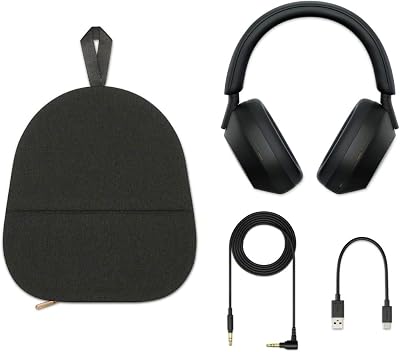
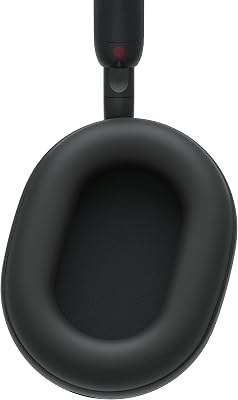
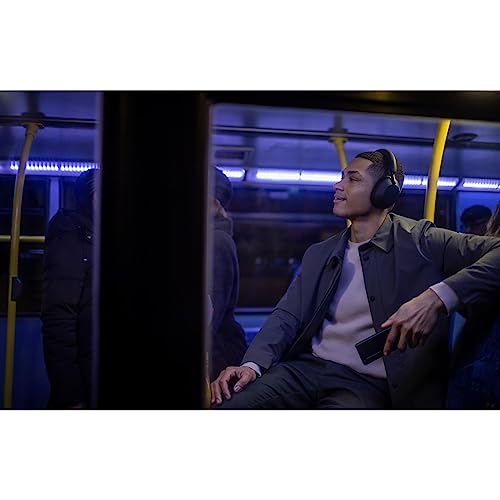
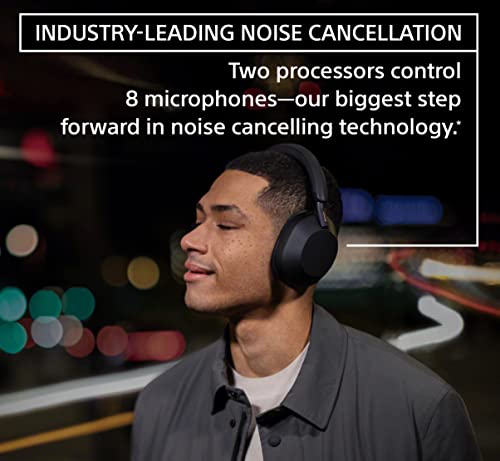
Sony WH-1000XM5 Premium Noise Canceling Headphones, Auto NC Optimizer, 30-Hour Battery, Alexa Voice Control, Black
In Stock
$399.99
Save $151.99
Updated: May 26, 2026











As an Amazon Associate we earn from qualifying purchases. Product prices and availability are accurate as of the date/time indicated.
Open-back audiophile headphones might seem more on-brand for a wood-and-fabric setup, but the practical reality is that most Japandi gaming setups live in shared apartments or open-plan homes, and active noise cancellation matters. The Sony WH-1000XM5 in the silver colorway is our curated pick. The silver finish pairs subtly with brushed brass desk accents, the fabric-wrapped headband and earcups avoid the synthetic leatherette look of most premium headphones, and the matte plastic body is finished in a soft-touch material that does not scream “tech product.” When set on a wooden headphone stand from Grovemade or a similar woodworker, the silver Sony reads as a piece of considered industrial design rather than as gaming gear.
Sound quality for gaming is excellent for cinematic single-player titles, immersive RPGs, and any game with strong soundtrack work. The XM5 does not have the most precise positional audio of any headphone in this price range, so if you are a competitive shooter player, consider pairing them with a separate wired open-back like the Sennheiser HD 600 (also Japandi-appropriate in its discreet brown finish) for serious play. For ninety percent of the cozy gaming and narrative play that fits the Japandi philosophy, the XM5 is more than enough. Battery life is rated at thirty hours with ANC, and we routinely get a full week of mixed work and gaming use per charge.
Alternatives include the Bose QuietComfort Ultra in white smoke, which has equally good noise cancellation and a slightly more comfortable fit for long sessions, and the Apple AirPods Max in starlight, which is the most premium-feeling option but uses an aluminum body that runs warm and can feel cold against the head in winter. Skip any headphone with visible RGB lighting or stitched logos.
Product Pick Six: Keychron Q1 With Walnut Frame Accents

24
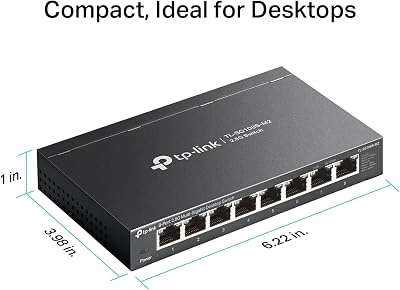
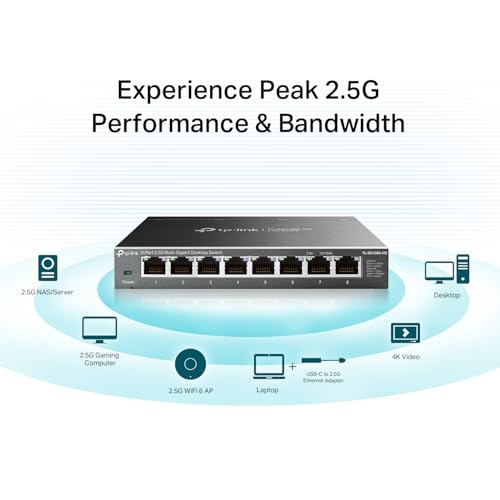
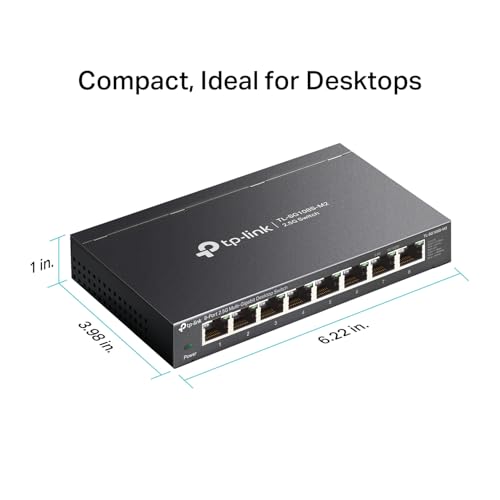
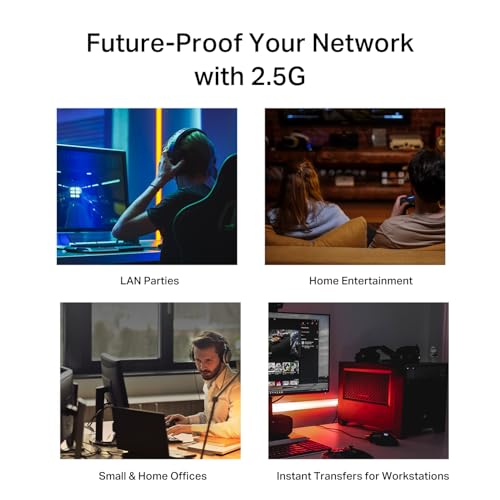
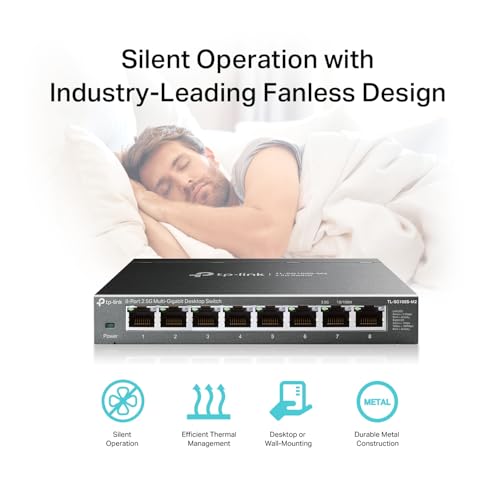
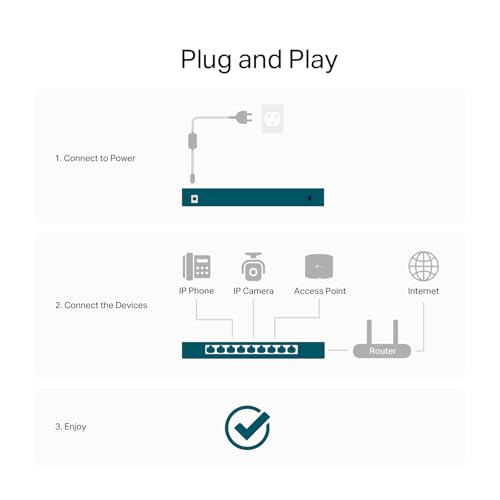
TP-Link TL-SG108S-M2 | 8-Port Multi-Gigabit 2.5G Ethernet Switch | Unmanaged Network Switch | Ethernet Splitter | Plug & Play | Desktop/Wall Mount | Silent Operation
In Stock
$129.99
Save $50.00
Updated: May 27, 2026





As an Amazon Associate we earn from qualifying purchases. Product prices and availability are accurate as of the date/time indicated.
The Keychron Q1 is our anchor keyboard recommendation, configured with the walnut wrist rest mentioned above and dressed in either a low-profile MDA or XDA profile keycap set in a Japandi-appropriate colorway. We use the GMK CYL Apollo set on our reference build, which is a warm cream and brown that perfectly bridges the bamboo desk and the walnut wrist rest. The Q1 itself is a 75 percent layout, which trims the function row and navigation cluster into a compact rectangle that visually settles onto the desk without dominating. The aluminum case is solid and heavy, the gasket-mounted plate produces a soft typing feel that pairs psychologically with the warm aesthetic, and the rotary knob in the top-right corner doubles as a volume wheel for daily quality-of-life convenience.
If you prefer wireless, the Q1 Pro adds Bluetooth without sacrificing typing quality, although it adds 30 dollars and is slightly heavier. For maximum Japandi authenticity, look for the Q1 in the silver-grey colorway, which photographs beautifully on a bamboo desk and pairs with the silver Sony XM5 headphones. Alternative keyboards include the Logitech MX Keys Mini in graphite, which is more office-appropriate and slimmer but lacks the mechanical feel, and the Nuphy Air75, which is wireless and extremely thin and uses low-profile switches for a more minimal silhouette. The Nuphy is the best alternative if your desk is shallow and a full mechanical keyboard feels too thick. For pure Japandi visual impact, the Q1 with a wood wrist rest is unmatched.
One detail to plan for: avoid backlit keycaps. Per-key RGB is the antithesis of Japandi. Either disable the backlight entirely or replace the stock keycaps with opaque PBT in a warm colorway. The keyboard becomes part of the desk’s visual furniture, not a light show.
Product Pick Seven: Philips Hue Go Portable Lamp
Ambient lighting completes a Japandi setup, and the Philips Hue Go is our curated pick for a single accent lamp. The Go is a portable diffused light about the size of a softball, with a frosted paper-like shade that emits warm light in every direction. Color temperature ranges from 2200K (deep warm) through 6500K, but for Japandi we use the warm preset exclusively. We place ours on a small wooden shelf behind the monitor, where it provides indirect uplight that bounces off the wall and softens the harshness of any direct monitor glare. Battery life is roughly two and a half hours at high brightness or significantly longer at the warm low setting we prefer.
The wireless portability is the underrated feature. We use the same Go as evening reading light when we move from the desk to a chair across the room, which means the lamp earns its keep across the entire daily routine. The shade looks remarkably like a small paper lantern when lit, which evokes Japanese andon lighting without literal pastiche. If you want a more committed permanent fixture, the IKEA Akari-style paper floor lamp in the corner of the room is a beautiful complement, although Akari originals from Vitra cost significantly more and are arguably worth it for a flagship build.
Alternatives include the Govee Lyra floor lamp, which adds full-spectrum color and is acceptable if locked to warm white, and the Hay Pao portable lamp, which is the design-snob option and looks like a glowing pebble. Both work. The Hue Go has the advantage of Philips ecosystem integration if you already use Hue elsewhere in the home, which lets you set scenes that dim the gaming setup gently as evening progresses.
Build And Arrangement Tips
Cable management is not optional in Japandi. Visible cable spaghetti completely undermines the calm aesthetic. We use velcro straps in beige or natural to bundle cables, route everything through the FlexiSpot cable tray, and use a single power strip with a long cord that runs along the wall behind the desk. The PC tower lives on the floor in a charcoal felt slipcover or, even better, gets relocated to a closet with a long DisplayPort cable. If the PC must be on the desk, choose a case like the Fractal North in walnut, which is the rare PC case that genuinely belongs in a Japandi build.
Desk layout follows a left-third, center-third, right-third rule. The left third holds a small bonsai or a stack of two design books, the center third is keyboard and mouse with a wide negative space in front, and the right third holds the headphone stand and the wooden cup for the Yeti rambler. This three-zone approach creates visual balance without symmetry. Accent placement matters: a single bonsai is more powerful than three small succulents, and one ceramic pen cup looks more intentional than a row of desk organizers. Edit ruthlessly.
For wall treatment behind the desk, consider a single piece of art rather than a gallery wall. A Japanese ink print, a Scandinavian linocut, or a single framed botanical illustration anchors the space. Skip neon signs, motivational quotes, and gaming posters. If you want a small functional shelf, a single floating oak shelf with a few hand-thrown ceramic pieces is sufficient.
Budget Breakdown
Entry tier ($500 to $800 in accessories on top of an existing PC): IKEA Mittzon desk with an aftermarket bamboo overlay, IKEA Markus chair in beige, a generic 75 percent mechanical keyboard with PBT keycaps in cream, the Xiaomi screen bar, and a single Hue Go. This tier sacrifices the bamboo desk top quality and the Branch chair, but delivers genuine Japandi character if you are disciplined about color palette and avoid anything black or glossy.
Mid tier ($1,000 to $1,500): FlexiSpot E7 with bamboo top, Steelcase Series 1 in beige (second-hand), Keychron Q1 with walnut wrist rest, BenQ ScreenBar Halo, Sony WH-1000XM5 in silver, and a Hue Go. This is the sweet spot we recommend to most readers and represents our curated baseline.
Premium tier ($2,000 and up): Branch Standing Desk in solid walnut, Herman Miller Embody in moss green, Keychron Q1 Pro with custom GMK keycaps, BenQ ScreenBar Halo, Sennheiser HD 660S2 for serious gaming plus the Sony XM5 for travel, Fractal North walnut PC case, Akari paper lamp, and a hand-thrown ceramic plant pot with a real bonsai from a local nursery. At this level you have a museum-piece setup that will appreciate visually for a decade.
Related Guides
- Best Motherboards for AI in 2026
- Best Low Input Lag Gaming TVs in 2026
- Best Gaming Recliner Chairs in 2026
Frequently Asked Questions
Q: Can I run a gaming PC inside a Japandi setup without ruining the aesthetic?
A: Yes, but it requires deliberate choices. The Fractal North case in walnut is the only mass-market case that genuinely fits, and you must disable all internal RGB. Alternatively, hide the PC entirely in a closet, in an adjacent cabinet, or on the floor under the desk inside a fabric slipcover. Console gamers have it easier because the PS5 Slim in white and the Xbox Series S in white both blend acceptably with a Japandi shelf.
Q: Is Japandi appropriate for competitive esports?
A: Honestly, less so. Competitive players benefit from cooler-temperature lighting for alertness and from peripherals optimized for performance rather than aesthetic. You can run a Japandi-style setup for competitive play, but expect compromises around the keyboard, mouse, and monitor cable visibility. If competitive ranking is your top priority, the cyberpunk or pure minimalist aesthetics serve you better.
Q: How do I keep a Japandi setup looking good as products wear?
A: Choose materials that age well. Walnut and oak develop richer color over time, brushed brass develops a soft patina, and high-quality wool fabric fuzzes slightly but remains presentable for years. Avoid white anything (it yellows), avoid painted finishes (they chip), and avoid printed laminates (they delaminate). Buying fewer, better-made pieces is the entire philosophy.
Q: What is the single highest-impact change I can make to my current setup?
A: Replace your desk surface. A bamboo or walnut top under a sit-stand frame is the single most visually transformative change you can make. Even with all your existing peripherals, a wood desktop instantly shifts the entire room’s character. Second highest impact is removing all RGB lighting and switching to warm 2700K monitor light and ambient lamps only.
Final Verdict And Our Anchor Pick
If you take one recommendation from this guide, make it the FlexiSpot E7 with the carbonized bamboo top. It is the foundation that makes every other Japandi decision easier, it is structurally excellent, and the bamboo finish will make even budget peripherals look more intentional. Combined with the BenQ ScreenBar Halo locked at 2900K and a walnut Keychron wrist rest, this trio of products delivers the maximum Japandi transformation for the minimum total spend. Build the rest of the setup gradually as budget allows, with the Branch Verve chair as the second tier upgrade and the Herman Miller Embody as a long-term aspiration. Japandi rewards patience and rewards quality, which means you are encouraged to wait for the right piece rather than rushing to fill the desk. The hashtag scene is full of setups built across three or four years, with each new piece deliberately considered, and that slow-build approach is itself part of the philosophy. Welcome to the calmest corner of the gaming internet.
Related Reading From Our Curated Library
- Best Minimalist Gaming Setup Ideas 2026
- Best Cozy Gaming Setup Ideas 2026
- Best Wood Desks For Gaming PC 2026
- Best Warm White Bias Lighting Guide 2026
- Best Fabric Office Chairs For Gaming 2026
- Best Bamboo Desk Mats 2026
- Keychron Q1 Long-Term Review 2026
Ready to decide? Our #1 pick for 2026 is the Sit-stand desk.
Live price & availability on Amazon.


