- Top Pick: SOYO Geforce GT 730 Graphics Card, 4GB DDR3 64 Bit 4xHDMI 2.0B 4K Quad Monitors Multiple Displays, PCI-E x8 2.0 Single Fan Cooling GPU for Video Wall, Stock Trading & Monitoring (Blue)
- Best Value: ZOTAC Gaming GeForce RTX 5070 Twin Edge OC DLSS 4 12GB GDDR7 192-bit 28 Gbps PCIE 5.0 Gaming Graphics Card, IceStorm 2.0 Cooling, SFF-Ready, ZT-B50700H-10A
- Premium Choice: msi Gaming RTX 5090 32G SUPRIM Liquid SOC Graphics Card (32GB GDDR7, 512-bit, Extreme Performance: 2580 MHz, DisplayPort x3 2.1a, HDMI 2.1b, NVIDIA Blackwell Architecture)
Blender punishes the wrong graphics card in ways a game never does, and the 2026 lineup of RTX generations makes the mistake easier to make. A scene that plays smoothly in the viewport can stop rendering altogether once textures, geometry, and lighting data no longer fit in video memory, and no frame-rate counter warns you before that happens. That makes the keyword here less about raw gaming speed and more about memory capacity, GPU generation, and whether your power supply and case can actually host the card.
The cards below span a wide range, from a basic multi-display adapter to a flagship with 32GB of memory, and the gap between them matters. This guide is for hobbyists learning to model, freelancers rendering client work, and builders choosing between a mid-range card and a stretch purchase. Each pick is read strictly from its listing title, so treat memory sizes, bus widths, and ports as the confirmed facts and use the trade-offs to decide where your projects sit.
Quick Picks
As an Amazon Associate we earn from qualifying purchases at no extra cost to you.




| Product | Best for | Key spec from the title |
|---|---|---|
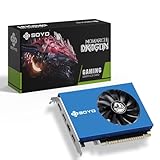
| SOYO GeForce GT 730 | Display output, not rendering | 4GB DDR3, 64-bit, 4x HDMI |
| ZOTAC RTX 5070 Twin Edge OC | Compact serious builds | 12GB GDDR7, 192-bit, SFF-ready |
| MSI RTX 5090 SUPRIM Liquid SOC | Heaviest scenes, no compromise | 32GB GDDR7, 512-bit |
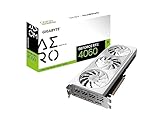
| Gigabyte RTX 4060 AERO OC | Entry-level modern rendering | 8GB GDDR6, 128-bit |
| Gigabyte GT 1030 Low Profile | Tiny cases, light 3D work | 2G, low profile, HDMI and DVI-D |
| Gigabyte RTX 5070 WINDFORCE OC SFF | Balanced mid-range upgrade | 12GB GDDR7, PCIe 5.0 |
| MSI RTX 3070 Gaming Z Trio LHR | Used-generation value seekers | 8GB GDDR6, 256-bit, Ampere |
| MSI RTX 2060 Ventus GP OC | Older systems on a tight plan | 6GB GDDR6, Turing, ray tracing |
How to Choose
Video memory sets the ceiling for scene size
For Blender, memory capacity is the first number to check. A card with 6GB or 8GB can handle learning projects, product shots, and simple environments, but dense scenes with high-resolution textures push against that limit. Twelve gigabytes is a comfortable middle for freelance work, and 32GB is flagship territory meant for very large scenes. A fast card with too little memory can still fail to render, so when two cards are close, take the larger memory pool over the higher clock. Also consider how you work: if you mostly sculpt and model, the viewport needs less than a final high-resolution render does, and a mid-range card may serve you for years.
Stick with NVIDIA unless you have a reason not to
Blender renders with NVIDIA cards through CUDA and OptiX, and the ray-tracing hardware found in the RTX line is what the OptiX path uses. That is why the RTX models in this list matter more than the GT-class cards. Every card here is NVIDIA, which keeps the choice simple, and newer generations generally bring more efficient ray-tracing hardware. Use the names in the title as a guide: RTX 50-series, 40-series, 30-series, and 20-series cards are different generations, and the GT 730 and GT 1030 belong to a much older, non-RTX family.
Check physical fit and power before you buy
Listings that say SFF-ready or low profile are built for smaller cases, while a liquid-cooled flagship needs radiator space and a power supply with serious headroom. Measure your case clearance, count the power connectors your supply offers, and confirm the PCIe slot. The ZOTAC and Gigabyte 5070 listings both mention PCIe 5.0, but they also work in older slots with the expected limits.
Ignore display outputs and boost clocks as tiebreakers
Extra HDMI ports and a few extra megahertz do almost nothing for render times. They matter only if you run several monitors. Budget cards usually cut corners on memory bus width, fan count, and the ray-tracing hardware that Blender relies on, so judge them on those, not on the number of connectors. Also ignore lighting effects and cooling brand names when comparing; fan count and card length matter only insofar as they fit your case and keep temperatures steady during long renders.
The 8 Best Options
SOYO GeForce GT 730 4GB
This card lists 4GB of DDR3 on a 64-bit bus, four HDMI 2.0B outputs, and a single-fan design on a PCIe x8 2.0 interface. The title frames it for video walls and stock trading, which tells you what it is built for: driving many screens, not heavy 3D.
- Strength: four HDMI outputs support a quad-monitor desk.
- Strength: the 4GB capacity is generous for a card in this class, which helps with basic desktop work.
- Trade-off: DDR3 memory and a 64-bit bus point to modest throughput for rendering.
Skip it if you want to render scenes in Blender with any regularity.
ZOTAC Gaming GeForce RTX 5070 Twin Edge OC
The Twin Edge lists 12GB of GDDR7 on a 192-bit bus, DLSS 4, PCIe 5.0, IceStorm 2.0 cooling, and an SFF-ready build. It suits creators with a compact case who still want a current-generation RTX card with a healthy memory pool.
- Strength: 12GB of GDDR7 gives room for medium-complexity scenes.
- Strength: the SFF-ready design makes it easier to fit in smaller cases.
- Trade-off: the 192-bit bus and 12GB capacity sit well below the flagship.
Skip it if your scenes regularly demand more than 12GB of memory.
MSI Gaming RTX 5090 32G SUPRIM Liquid SOC
This flagship lists 32GB of GDDR7, a 512-bit bus, a 2580 MHz clock, three DisplayPort 2.1a outputs, HDMI 2.1b, and NVIDIA Blackwell architecture. It is for professionals and enthusiasts who treat render time as billable time and cannot risk running out of memory.
- Strength: 32GB of GDDR7 provides the largest memory pool on this list.
- Strength: the 512-bit bus and Blackwell design target top-tier workloads.
- Trade-off: the liquid cooling design needs radiator space and strong power delivery.
Skip it if your projects are modest or your case and power supply are limited, since much of its capability would sit unused.
Gigabyte GeForce RTX 4060 AERO OC 8G
The AERO OC lists 8GB of GDDR6 on a 128-bit bus with three WINDFORCE fans. It is a practical entry to modern RTX rendering for students and hobbyists building a first creative workstation.
- Strength: an RTX card brings hardware ray tracing within reach of smaller plans.
- Strength: three fans suggest cooling headroom on a mid-sized design.
- Trade-off: 8GB and a 128-bit bus limit it on larger, texture-heavy scenes.
Skip it if you already know your projects will grow beyond simple environments.
GIGABYTE GT 1030 Low Profile D4 2G
This low-profile card lists 2GB of memory, DDR4, HDMI, and DVI-D outputs. It is aimed at compact office-style machines that need basic graphics output, not creative rendering.
- Strength: the low-profile form fits very small cases.
- Strength: HDMI and DVI-D cover common monitors.
- Trade-off: 2GB of memory leaves very little space for textures and geometry.
Skip it if Blender is more than an occasional experiment.
Gigabyte GeForce RTX 5070 WINDFORCE OC SFF 12G
This one lists 12GB of GDDR7 on a 192-bit bus, a 2542 MHz clock, PCIe 5.0, three DisplayPort 2.1a outputs, an HDMI 2.1b port, and DLSS 4. It targets builders who want a balanced mid-range card in a smaller footprint.
- Strength: 12GB of GDDR7 pairs a current architecture with generous memory.
- Strength: four display outputs support a multi-monitor modeling desk.
- Trade-off: it shares the 12GB ceiling with its direct competitors.
Skip it if you need more memory or have no plans to upgrade your platform.
MSI Gaming GeForce RTX 3070 Gaming Z Trio LHR
The RTX 3070 lists 8GB of GDDR6 on a 256-bit bus, the Ampere architecture, Torx fans, and RGB lighting. It makes sense for buyers who prefer an older RTX generation with a wider bus.
- Strength: the 256-bit bus is wider than newer entry-level cards.
- Strength: Ampere includes RTX ray-tracing hardware.
- Trade-off: 8GB of memory is the main limit for bigger scenes.
Skip it if memory capacity matters more to you than bus width.
MSI Gaming GeForce RTX 2060 Ventus GP OC
This Turing-based card lists 6GB of GDDR6, a 192-bit bus, a 1710 MHz boost clock, ray tracing, and VR readiness. It serves older desktops and learners who are exploring Blender before committing to a bigger upgrade.
- Strength: it is an RTX-branded card with ray-tracing support.
- Strength: the 192-bit bus is reasonable for the class.
- Trade-off: 6GB is the smallest memory pool among the RTX cards here.
Skip it if you plan to model detailed environments or use large textures, because the memory fills quickly.
Which One Fits Your Situation
You are learning Blender on a limited plan
The Gigabyte RTX 4060 AERO OC is the cleanest starting point, offering a modern RTX card with 8GB. The MSI RTX 2060 Ventus is the fallback if you are working with an older machine.
You freelance and render client scenes
Pick between the ZOTAC RTX 5070 Twin Edge OC and the Gigabyte RTX 5070 WINDFORCE OC SFF. Both list 12GB of GDDR7 on a 192-bit bus, so let case size, cooling preference, and the display ports you need decide. If budget is tighter, the MSI RTX 3070 Gaming Z Trio is the older option with a wider bus but less memory.
You build for the largest scenes
The MSI RTX 5090 SUPRIM Liquid SOC is the only option with 32GB. Confirm radiator space and power supply capacity first.
You only need extra screens
If your goal is display output rather than rendering, the SOYO GT 730 offers four HDMI ports and the Gigabyte GT 1030 offers a low-profile fit for tiny cases.
Common Mistakes
- Buying on gaming clock speeds while ignoring video memory capacity.
- Choosing a card with many display ports but little rendering hardware.
- Forgetting to measure case clearance and power connectors for large coolers.
- Assuming an older RTX card matches a newer one with the same memory size.
- Overlooking that liquid-cooled cards need radiator mounting space.
Related guides
- Aio Liquid Coolers For High Performance Gaming
- How To Lower Input Delay In Competitive Shooters
- External Hard Drives For Music Production
Frequently Asked Questions
How much video memory does Blender need?
It depends on scene complexity. Simple projects fit in 6GB to 8GB, while detailed scenes with large textures are safer on 12GB or more.
Do I need an RTX card or will a GT card work?
A GT card can display the interface, but RTX cards include the ray-tracing hardware that Blender uses for faster rendering. For regular rendering, choose RTX.
Does PCIe 5.0 make renders faster?
Not by itself. The slot version affects data transfer between the card and the system, while render speed depends mostly on the GPU and memory. A PCIe 5.0 card in an older slot still runs, so you do not need a new motherboard just to use it.
Why are GPU support brackets not on this list?
Brackets only hold a heavy card in place, so they are accessories and not graphics cards. They can still help if you install one of the larger models above, since a heavy card can sag in the slot over time. Treat a bracket as a small add-on, not a substitute for choosing the right card.