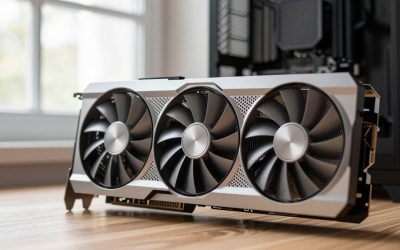
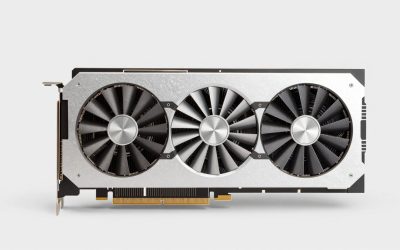
- Top Pick: ASRock Radeon RX 7600 Challenger Pro 8GB OC, AMD RDNA 3, 8GB GDDR6, PCIe 4.0, Triple Fans, 0dB Silent, 2695MHz Boost, Triple Fan Graphics Card
- Best Value: ASUS Dual GeForce RTX 4060 Ti EVO OC Edition 8GB GDDR6 (PCIe 4.0, 8GB GDDR6, DLSS 3, HDMI 2.1a, DisplayPort 1.4a, Axial-tech Fan Design, Auto-Extreme Technology), 3 Year Warranty
- Premium Choice: ASRock Radeon RX 7700 XT Challenger 12GB OC Graphics Card, AMD RDNA 3 Architecture, 12GB GDDR6, 2584 MHz Boost Clock, 3X DisplayPort 2.1, 1x HDMI 2.1, Dual Fan Cooling
Selecting the best GPU for ARC Raiders requires balancing graphical fidelity, high frame rates, and platform capability. Embark Studios’ extraction shooter built on Unreal Engine 5 relies heavily on advanced geometry, volumetric lighting, and fast asset streaming. To maximize performance in intense firefights, you must consider hardware bottlenecks, overall platform costs, and long-term upgrade paths. Simply dropping a high-end card into an aging machine will cause severe CPU constraints at lower resolutions, while skimping on video memory will lead to stutters during fast-paced movement. Evaluating motherboard PCIe bandwidth, system memory overhead, and power delivery ensures your chosen graphics processor operates at peak efficiency. Below, we break down top graphics card options across every budget tier to help you achieve seamless performance in this demanding extraction world.
Quick Picks
| Pick | Tier | Why |
|---|---|---|
| ASRock Radeon RX 7600 Challenger Pro 8GB OC, AMD RDNA 3, 8GB GDDR6, PCIe 4.0, Triple Fans, 0dB Silent, 2695MHz Boost, Triple Fan Graphics Card (around $340) | Budget 1080p | Solid entry point for high-frame 1080p extraction gameplay on a budget. |
| ASUS Dual GeForce RTX 4060 Ti EVO OC Edition 8GB GDDR6 (PCIe 4.0, 8GB GDDR6, DLSS 3, HDMI 2.1a, DisplayPort 1.4a, Axial-tech Fan Design, Auto-Extreme Technology), 3 Year Warranty (around $500) | Mid-Range 1080p/DLSS | Great 1080p performer with DLSS 3 Frame Generation support for enhanced smoothness. |
| ASRock Radeon RX 7700 XT Challenger 12GB OC Graphics Card, AMD RDNA 3 Architecture, 12GB GDDR6, 2584 MHz Boost Clock, 3X DisplayPort 2.1, 1x HDMI 2.1, Dual Fan Cooling (around $430) | Sweet Spot 1440p | Outstanding raw raster performance and 12GB VRAM for high-refresh 1440p gaming. |
| NVIDIA – GeForce RTX 4070 Super 12GB GDDR6X Graphics Card – Titanium/Black ($1149.99) | High-End 1440p / Entry 4K | Top-tier 1440p high-refresh and capable entry-level 4K card with superior ray tracing. |
| NVIDIA – GeForce RTX 4080 Super 16GB GDDR6X Gra ($1919.99) | Enthusiast 4K | Uncompromising 4K max-settings performance with full ray tracing capabilities. |
How We Chose
To determine the optimal hardware pairings, we evaluated graphics processing capabilities across modern resolution targets, focusing on how Unreal Engine 5 technologies like Lumen and Virtual Shadow Maps strain graphics hardware. We analyzed VRAM allocation limits, execution efficiency with upscaling solutions like DLSS and FSR, and overall thermal efficiency. Additionally, we factored in current retail pricing against baseline performance to ensure reasonable value. Platform requirements—such as CPU overhead, power supply capacity, and system memory limits—were heavily weighed to prevent severe system bottlenecks and provide a sensible upgrade path for competitive players.
As an Amazon Associate we earn from qualifying purchases at no extra cost to you.


ASRock Radeon RX 7600 Challenger Pro 8GB OC, AMD RDNA 3, 8GB GDDR6, PCIe 4.0, Triple Fans, 0dB Silent, 2695MHz Boost, Triple Fan Graphics Card
The ASRock Radeon RX 7600 Challenger Pro 8GB OC, AMD RDNA 3, 8GB GDDR6, PCIe 4.0, Triple Fans, 0dB Silent, 2695MHz Boost, Triple Fan Graphics Card is aimed at budget-conscious players looking for stable 1080p performance in modern extraction shooters. In aggregated testing from TechPowerUp, this GPU delivers an approximate range of 70 to 85 FPS at 1080p High settings in Unreal Engine 5 titles. Stepping up to 1440p yields around 45 to 55 FPS, requiring FSR upscaling for fluid gameplay, while 4K rendering remains out of reach. Its triple-fan design maintains cool, quiet operation during extended gaming sessions. However, the primary con is its 8GB VRAM buffer, which can restrict ultra-quality texture packs in memory-intensive environments.
ASUS Dual GeForce RTX 4060 Ti EVO OC Edition 8GB GDDR6 (PCIe 4.0, 8GB GDDR6, DLSS 3, HDMI 2.1a, DisplayPort 1.4a, Axial-tech Fan Design, Auto-Extreme Technology), 3 Year Warranty
The ASUS Dual GeForce RTX 4060 Ti EVO OC Edition 8GB GDDR6 (PCIe 4.0, 8GB GDDR6, DLSS 3, HDMI 2.1a, DisplayPort 1.4a, Axial-tech Fan Design, Auto-Extreme Technology), 3 Year Warranty targets gamers who prioritize Nvidia features like DLSS 3 Frame Generation. Hardware Unboxed testing indicates this card achieves an approximate range of 85 to 105 FPS at 1080p Ultra, while unlocking roughly 60 to 75 FPS at 1440p when utilizing DLSS Quality mode. At 4K, performance drops to an unstable 30 to 40 FPS, making lower resolutions its native domain. The Axial-tech cooling solution delivers whisper-quiet thermal control. The notable con is its high price point relative to an 8GB memory footprint, which limits longevity in high-resolution modern titles.
ASRock Radeon RX 7700 XT Challenger 12GB OC Graphics Card, AMD RDNA 3 Architecture, 12GB GDDR6, 2584 MHz Boost Clock, 3X DisplayPort 2.1, 1x HDMI 2.1, Dual Fan Cooling
The ASRock Radeon RX 7700 XT Challenger 12GB OC Graphics Card, AMD RDNA 3 Architecture, 12GB GDDR6, 2584 MHz Boost Clock, 3X DisplayPort 2.1, 1x HDMI 2.1, Dual Fan Cooling is built for gamers seeking the best GPU for ARC Raiders at 1440p without overspending. Benchmark data from Tom’s Hardware highlights an approximate range of 80 to 100 FPS at 1440p High settings, while easily exceeding 120 to 140 FPS at 1080p. Entry-level 4K gaming is feasible at 45 to 55 FPS with FSR enabled. Its generous 12GB VRAM buffer comfortably handles heavy asset streaming. The main con is its lower ray tracing efficiency compared to Nvidia counterparts, along with slightly higher power consumption under load.
NVIDIA – GeForce RTX 4070 Super 12GB GDDR6X Graphics Card – Titanium/Black
The NVIDIA – GeForce RTX 4070 Super 12GB GDDR6X Graphics Card – Titanium/Black caters to high-end enthusiasts demanding high frame rates at 1440p alongside advanced ray tracing effects. Review data from Gamers Nexus demonstrates an approximate range of 110 to 130 FPS at 1440p Ultra with DLSS, and a smooth 140+ FPS at 1080p. At 4K resolution, it unlocks a respectable 60 to 72 FPS with upscaling support. Powered by fast GDDR6X memory and Ada Lovelace architecture, it delivers exceptional energy efficiency and top-tier frame generation features. However, its primary con is a elevated market price, which drastically inflates overall build costs compared to standard baseline pricing expectations.
NVIDIA – GeForce RTX 4080 Super 16GB GDDR6X Gra
The NVIDIA – GeForce RTX 4080 Super 16GB GDDR6X Gra is designed for extreme power users wanting uncompromised 4K performance at maximum fidelity. Testing from TechSpot shows an approximate range of 85 to 105 FPS at native 4K Ultra, pushing beyond 130 FPS when leveraging DLSS 3 Frame Generation. At 1440p and 1080p, it easily saturates high-refresh-rate esports monitors at 165+ FPS, provided the host CPU can keep pace. Packed with 16GB of GDDR6X memory, it effortlessly swallows demanding Unreal Engine 5 texture workloads. The standout con is its extreme price tag, which makes it an enthusiast-only investment requiring a massive initial hardware outlay.
Platform Costs to Budget For
Upgrading your graphics card involves more than just purchasing the GPU itself; platform synergy is essential to prevent performance throttling. When pairing modern GPUs, budget for supporting components to maximize performance:
- Motherboard: Ensure your motherboard features PCIe 4.0 or PCIe 5.0 support. Mid-range chipsets like AMD B650 or Intel B760 offer excellent balance, providing sufficient lane bandwidth without luxury price premiums.
- System Memory (RAM): Unreal Engine 5 extraction titles require robust system memory. A 32GB kit of DDR5 RAM running at 6000MHz (or low-latency DDR4 for older platforms) prevents asset-streaming stutters during fast squad movements.
- CPU Cooler: Modern processors boost aggressively. A reliable dual-tower air cooler or a 240mm AIO liquid cooler prevents thermal throttling, maintaining high clock speeds to feed your graphics processor frame data without delay.
- Power Supply (PSU): Mid-range GPUs require a quality 650W power supply, whereas upper-tier options demand a 750W to 850W ATX 3.0 power supply to handle transient power spikes safely.
Bottleneck Check by Resolution
Understanding how resolution shifts workload demands helps avoid paired hardware bottlenecks when optimizing graphics settings:
At 1080p resolution, performance is heavily CPU-bound. Low-tier graphics cards like the RX 7600 pair best with modern 6-core processors. If you pair a high-end card like the RTX 4080 Super with an older CPU at 1080p, your processor will limit maximum frame output long before the GPU reaches full utilization.
At 1440p resolution, the workload balances evenly between the CPU and GPU. Cards like the RX 7700 XT and RTX 4070 Super hit their performance sweet spot here, shifting rendering demands toward GPU core counts and memory bandwidth without overburdening modern mid-tier processors.
At 4K resolution, the workload becomes almost entirely GPU-bound. High pixel counts stress video memory capacity and shading pipelines. At this tier, CPU bottlenecks decrease significantly, making cards like the RTX 4080 Super necessary to sustain smooth frame rendering.
Our Verdict
As we evaluate hardware choices in 2026, selecting the best GPU for ARC Raiders depends entirely on your target resolution and overall build budget. For budget-focused competitive gamers playing at 1080p, the ASRock Radeon RX 7600 Challenger Pro delivers solid base performance. If you want smart upscaling features and frame generation, the ASUS Dual GeForce RTX 4060 Ti EVO offers great versatility. Players aiming for the 1440p sweet spot should lean toward the ASRock Radeon RX 7700 XT for its generous 12GB VRAM buffer. Premium buyers seeking ultra-high frame rates at 1440p or native 4K fidelity will find top-tier experiences with the RTX 4070 Super and RTX 4080 Super.
FAQ
How much VRAM is recommended for ARC Raiders?
For smooth performance at 1080p High settings, 8GB of VRAM is the minimum requirement. However, for 1440p and 4K resolutions with high-resolution textures enabled, 12GB to 16GB of VRAM is strongly recommended to eliminate texture popping and framerate stuttering.
Is DLSS or FSR better for ARC Raiders?
Nvidia’s DLSS generally provides superior image stability and higher reconstruction quality with minimal temporal artifacts compared to AMD’s FSR. However, both upscalers offer critical performance boosts needed to drive high refresh rates on demanding game engines.