- Top Pick: GPU Display Stand – Low Profile Stand for You Retired Graphics Card! (2 Slot (Under 260mm Length))
- Best Value: Alphacool GPU Heatsink 15 x 15 x 15mm | Black – 10 Pack (17155)
- Premium Choice: Pomya EGPU Dock Station with 800W PSU, Suitable for Graphics Cards Under 600W Power, PCIe 4.0 X4, OCULINK, USB4.0 Ports and TGX Hot Swap, External GPU Docking Station (US Plug)
🛒 Best Price Today on Amazon
Prime members get fast, free shipping on everything above, plus member-only deals. New members get a 30-day free trial — cancel anytime.
- Top Gpus Under 2000 Picks for 2026
- Best GPUs under $2000 at a Glance
- 1. ASUS SFF-Ready Prime GeForce RTX 5070 Graphics Card (PCIe 5.0, 12GB)
- 2. GIGABYTE Radeon RX 9060 XT Gaming OC ICE 16G Graphics Card (16GB GDDR6)
- 3. GIGABYTE Radeon RX 9060 XT Gaming OC 16G Graphics Card, PCIe 5.0 (16GB GDDR6)
- 4. Gigabyte Radeon RX 9060 XT Gaming OC 16G Graphics Card (16GB GDDR6, 128-bit)
- 5. MXZ Gaming PC, AMD Ryzen 7 9700X, GeForce RTX 4070, 16GB DDR5, 1TB NVMe
- 6. maxsun AMD Radeon RX 550 4GB GDDR5 ITX Gaming Graphics Card
- How to Choose a GPU under $2000
- Frequently Asked Questions
- Related Guides
- Related Articles
Top Gpus Under 2000 Picks for 2026
Here are our current top gpus under 2000 picks, compared on real Amazon owner reviews, price, and features. Live prices update below.
As an Amazon Associate we earn from qualifying purchases at no extra cost to you.



A $2000 budget for graphics opens the door to serious 4K and high-refresh gaming — but it is also a budget where smart shopping matters more than simply spending the maximum. The cards that genuinely deliver flagship-tier 4K usually lead with two things: plentiful VRAM to feed high-resolution textures, and the raw capability to drive a 4K or fast 1440p display without compromise. This guide rounds up the best GPUs under $2000 in 2026, prioritising the graphics cards that offer the most VRAM and 4K-class performance for the money — and, because the budget allows it, including one complete gaming PC for buyers who would rather have a whole system built and ready than assemble one themselves.
Our picks were chosen on what matters for high-resolution gaming: VRAM capacity for 4K textures and headroom, the class of resolution and refresh each card targets, build quality and cooling, and overall value. In the interest of honesty, this is a mixed field rather than a row of identical flagships — it spans a powerful RTX 5070 card, several capable 16GB Radeon RX 9060 XT models, a complete gaming PC, and one genuinely entry-level budget card included for contrast. Prices run from around $110 up to around $1,549. We are upfront below about which option fits which buyer, including where an item is a starter card or a full system rather than a high-end GPU. Here is an at-a-glance comparison, then a closer look at each and a buyer’s guide built around VRAM, resolution and value.
Best GPUs under $2000 at a Glance
| Option | Best For | Standout Spec | Approx Price |
|---|---|---|---|
| ASUS Prime GeForce RTX 5070 (12GB) | Top 4K / high-refresh performance | RTX 5070, PCIe 5.0, 12GB | around $642 |
| GIGABYTE Radeon RX 9060 XT Gaming OC ICE 16G | High-VRAM 1440p value | 16GB GDDR6, ICE cooling | around $470 |
| GIGABYTE Radeon RX 9060 XT Gaming OC 16G (PCIe 5.0) | 16GB future-ready build | 16GB GDDR6, PCIe 5.0 | around $460 |
| Gigabyte Radeon RX 9060 XT Gaming OC 16G | Alternate 16GB pick | 16GB GDDR6, 128-bit | around $460 |
| MXZ Gaming PC (RTX 4070, Ryzen 7 9700X) | Complete ready-to-game system | Full PC, RTX 4070, 16GB DDR5 | around $1,549 |
| maxsun AMD Radeon RX 550 4GB | Entry-level / display output | 4GB GDDR5, compact ITX | around $110 |
1. ASUS SFF-Ready Prime GeForce RTX 5070 Graphics Card (PCIe 5.0, 12GB)

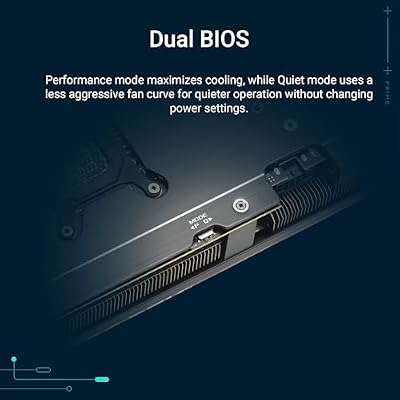
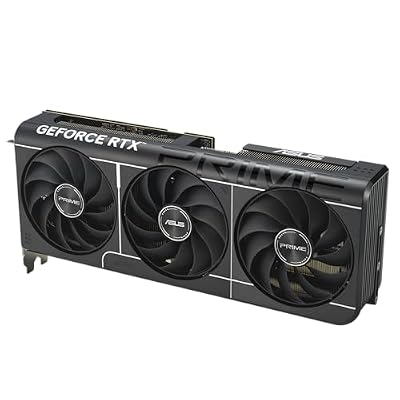
ASUS SFF-Ready Prime NVIDIA GeForce RTX 5070 Graphics Card (PCIe 5.0, 12GB GDDR7, HDMI/DP 2.1, 2.5-Slot, Axial-tech Fans, Dual BIOS), 3 Year Warranty




As an Amazon Associate we earn from qualifying purchases. Product prices and availability are accurate as of the date/time indicated.
The ASUS Prime GeForce RTX 5070 is the top-performing graphics card on this list and the pick for the highest-end 4K and high-refresh gaming within budget. It is a current-generation NVIDIA RTX 5070 on a PCIe 5.0 interface with 12GB of fast memory, built in ASUS’s SFF-Ready Prime design for broad case compatibility. At around $642 it is the strongest pure GPU here and leaves enormous headroom under the $2000 ceiling.
This is the card for the gamer who wants genuine flagship-class capability — smooth 4K, high-refresh 1440p, and the latest NVIDIA features for ray tracing and AI-assisted rendering. The RTX 5070 delivers the raw performance that high-resolution gaming demands, the PCIe 5.0 interface keeps it future-ready, and the SFF-Ready design means it fits compact builds as well as full towers. Its 12GB of memory is ample for current high-resolution gaming, even if it is not the largest figure on this list. As the most capable single graphics card here by a clear margin, the RTX 5070 is the standout choice for serious performance, with budget to spare for the rest of your rig.
Pros: Top-tier RTX 5070 performance for 4K and high-refresh gaming, PCIe 5.0, SFF-ready, latest NVIDIA features.
Cons: 12GB VRAM is ample but lower on paper than the 16GB Radeon cards here; the priciest standalone GPU on the list.
2. GIGABYTE Radeon RX 9060 XT Gaming OC ICE 16G Graphics Card (16GB GDDR6)
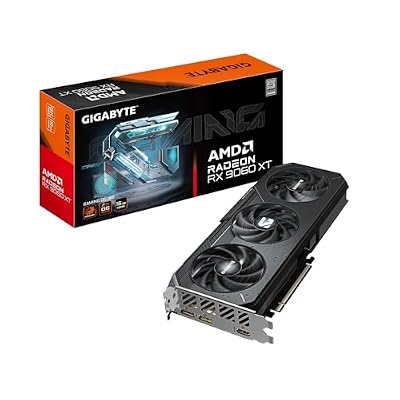
GIGABYTE Radeon RX 9060 XT Gaming OC 16G Graphics Card, PCIe 5.0, 16GB GDDR6, GV-R9060XTGAMING OC-16GD Video Card

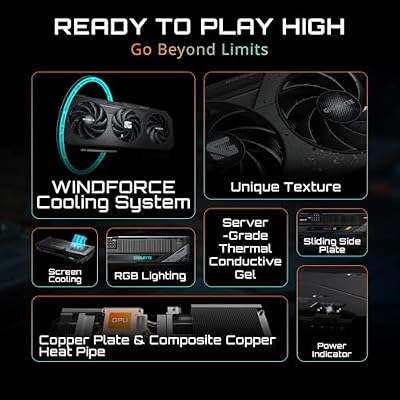


As an Amazon Associate we earn from qualifying purchases. Product prices and availability are accurate as of the date/time indicated.
The GIGABYTE Radeon RX 9060 XT Gaming OC ICE is the high-VRAM value pick, and its headline is that generous 16GB of GDDR6 memory — more raw VRAM than the pricier RTX 5070. It is a factory-overclocked Radeon RX 9060 XT in GIGABYTE’s ICE-themed cooler design, built for cool, quiet operation. At around $470 it offers a lot of memory and capable performance for the money.
This is the card for the gamer who prioritises VRAM headroom and strong 1440p performance at a sensible price. The 16GB framebuffer is excellent for high-resolution textures and gives real future-proofing as games grow more memory-hungry, the factory overclock squeezes out extra performance, and the ICE cooler keeps temperatures and noise down. It targets high-refresh 1440p and entry 4K rather than the flagship 4K tier of the RTX 5070, so set expectations to its class — but for buyers who want maximum VRAM per dollar and a cool, quiet card, the RX 9060 XT Gaming OC ICE is a compelling, well-priced choice.

Pros: Generous 16GB GDDR6 VRAM, factory overclocked, cool and quiet ICE cooler, strong value for the memory.
Cons: Targets high-refresh 1440p and entry 4K rather than top-tier 4K; less outright performance than the RTX 5070.
3. GIGABYTE Radeon RX 9060 XT Gaming OC 16G Graphics Card, PCIe 5.0 (16GB GDDR6)
GIGABYTE Radeon RX 9060 XT Gaming OC 16G Graphics Card, PCIe 5.0, 16GB GDDR6, GV-R9060XTGAMING OC-16GD Video Card
As an Amazon Associate we earn from qualifying purchases. Product prices and availability are accurate as of the date/time indicated.
The GIGABYTE Radeon RX 9060 XT Gaming OC 16G is the future-ready 16GB pick, pairing the same 16GB of GDDR6 memory with a PCIe 5.0 interface for longevity. It is a factory-overclocked Radeon RX 9060 XT with GIGABYTE’s proven Gaming OC cooler, and at around $460 it slightly undercuts the ICE version while keeping the same large memory buffer.
This is the card for the value-focused builder who wants plenty of VRAM and a modern PCIe 5.0 connection on a current platform. The 16GB framebuffer handles high-resolution textures with room to spare, the factory overclock lifts performance over a reference card, and PCIe 5.0 support keeps it aligned with the newest motherboards. Like its ICE sibling it is built for high-refresh 1440p and entry 4K rather than flagship 4K, so it is honest value rather than a halo product. For a builder who wants generous memory, a future-ready interface and a dependable GIGABYTE cooler at a keen price, this Gaming OC model is a smart pick.
Pros: 16GB GDDR6 VRAM, PCIe 5.0 interface, factory overclocked, dependable Gaming OC cooler, keen price.
Cons: A high-refresh 1440p and entry-4K class card rather than a flagship 4K performer.
4. Gigabyte Radeon RX 9060 XT Gaming OC 16G Graphics Card (16GB GDDR6, 128-bit)
This Gigabyte Radeon RX 9060 XT Gaming OC 16G is an alternate listing of the same strong 16GB card, with its 16GB GDDR6 memory on a 128-bit bus and the familiar Gaming OC cooler. At around $460 it sits at the same price as the other Gaming OC model, and it is worth knowing both exist so you can buy whichever specific version is in stock or better priced at the time.
This is the card for the same buyer as above: someone who wants a generous 16GB of VRAM and capable high-refresh 1440p performance at a sensible price, and simply wants the best-available 9060 XT Gaming OC listing. The large memory buffer is the standout, giving headroom for high-resolution textures, and the factory-overclocked Gaming OC design delivers a quiet, reliable card. As with its siblings, it targets high-refresh 1440p and entry 4K rather than flagship 4K, so judge it on that class. If you are cross-shopping the 9060 XT Gaming OC family, this is one of the listings to compare on price and availability.

Pros: 16GB GDDR6 VRAM, factory-overclocked Gaming OC cooler, strong value, useful alternate listing to compare.
Cons: Essentially the same card as the other Gaming OC listing; a 1440p/entry-4K class GPU, not a flagship.
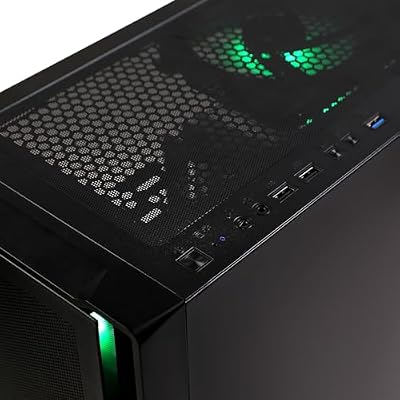
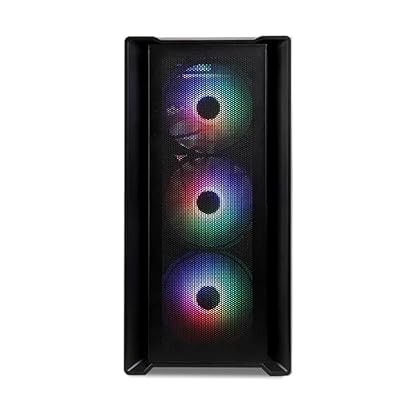
5. MXZ Gaming PC, AMD Ryzen 7 9700X, GeForce RTX 4070, 16GB DDR5, 1TB NVMe

MXZ Gaming PC,AMD Ryzen 7 9700X, GeForce RTX 4070,16GB DDR5, NVME 1 T,B650




As an Amazon Associate we earn from qualifying purchases. Product prices and availability are accurate as of the date/time indicated.
In the interest of full honesty, this MXZ option is not a graphics card at all — it is a complete, ready-to-game desktop PC, included here because the $2000 budget comfortably covers a whole system for buyers who would rather not build one. It pairs an AMD Ryzen 7 9700X processor with a GeForce RTX 4070 graphics card, 16GB of DDR5-6000 memory and a 1TB NVMe SSD. At around $1,549 it is the most expensive item on this list, but it is a full computer rather than a single component.
This is the pick for the buyer who wants capable 1440p and entry-4K gaming delivered as a finished machine — no part-picking, no assembly, no driver wrangling. The RTX 4070 inside is a strong modern GPU well suited to high-refresh 1440p, the Ryzen 7 9700X is a current eight-core CPU that keeps the system fast in games and productivity, and the DDR5 memory and NVMe storage round out a balanced build. Treat it as a system purchase rather than a GPU upgrade: if you already have a PC and just want a card, one of the graphics cards above makes more sense, but if you want everything in one box ready to play, this MXZ build fits the budget neatly.
Pros: Complete ready-to-game PC, capable RTX 4070 GPU, current Ryzen 7 9700X CPU, DDR5 and NVMe, no building required.
Cons: Not a graphics card — it is a full system, so it is the wrong choice if you only need a GPU for an existing PC.
6. maxsun AMD Radeon RX 550 4GB GDDR5 ITX Gaming Graphics Card

MAXSUN AMD Radeon RX 550 4GB GDDR5 ITX Computer PC Gaming Video Graphics Card GPU 128-Bit DirectX 12 PCI Express X16 3.0 DVI-D Dual Link, HDMI, DisplayPort


As an Amazon Associate we earn from qualifying purchases. Product prices and availability are accurate as of the date/time indicated.
Rounding out the list, and included for honest contrast, is the maxsun Radeon RX 550 — a genuinely entry-level graphics card rather than a high-end one. It is a compact ITX-sized card with 4GB of GDDR5 memory, and at around $110 it is by far the cheapest option here. It belongs on a ‘GPUs under $2000’ list only in the sense that it sits well under the cap; it is not a 4K gaming card and we would not pretend otherwise.
Where this card genuinely makes sense is as a basic display adapter or a very-light-duty GPU — restoring video output to a system whose CPU lacks integrated graphics, driving a secondary or office machine, handling esports titles at low settings, or serving as a stopgap until a proper card arrives. The 4GB of memory and compact ITX form factor suit small builds and HTPCs, and the low price makes it an easy utility purchase. Anyone shopping a $2000 budget for 4K gaming should choose the RTX 5070 or a 16GB RX 9060 XT above; the RX 550 is here as the honest entry-level bookend for buyers who specifically need a cheap, small, basic card.

Pros: Very affordable, compact ITX size, fine as a basic display adapter or light-duty card, low power.
Cons: Entry-level only — not a 4K or high-refresh gaming card; the wrong choice if performance is the goal.
How to Choose a GPU under $2000
With a $2000 budget the most important realisation is that spending the maximum is rarely necessary or wise — the strongest pure graphics card here, the RTX 5070, costs around $642, leaving vast headroom for the rest of your system. Start by deciding what you are actually buying: a single graphics card to drop into an existing PC, or, since the budget allows it, a complete system like the MXZ build for those who would rather not assemble one. Those are very different purchases, so be clear which problem you are solving before you compare prices.
VRAM is the spec to weigh carefully for high-resolution gaming, because memory feeds the textures that make 4K and high-refresh gaming look their best. The 16GB Radeon RX 9060 XT cards lead the field on raw VRAM — more than the RTX 5070’s 12GB — which gives genuine headroom for memory-hungry games and future titles. But VRAM is only half the story: the RTX 5070 pairs ample 12GB with significantly more raw performance and the latest NVIDIA features. Balance memory capacity against outright capability rather than chasing the biggest number alone.
Match the card to your target resolution and be honest about each option’s class. The RTX 5070 is the one true top-tier 4K and high-refresh performer here; the 16GB RX 9060 XT models are excellent high-refresh 1440p and entry-4K cards rather than flagship 4K ones; and the maxsun RX 550 is an entry-level display adapter that has no business driving a 4K game. Decide whether you are gaming at 1440p or 4K, then pick the option whose real class fits — do not expect flagship 4K from a mid-range card or any gaming from a basic one.
Finally, weigh build quality, form factor and value together. Factory-overclocked cards with strong coolers, like the GIGABYTE Gaming OC and ICE models, run cooler and quieter, while SFF-ready designs like the ASUS RTX 5070 fit compact cases. If you want a finished machine, the MXZ PC bundles a capable RTX 4070 GPU, a current Ryzen 7 CPU, DDR5 and NVMe into one ready-to-play box. Identify whether you need a card or a system, prioritise the VRAM-and-performance balance for your resolution, and pick the option on this list whose honest class and form factor match how you actually intend to game.
Frequently Asked Questions
What is the best GPU under $2000 for 4K gaming?
For top-tier 4K and high-refresh performance as a standalone card, the ASUS Prime GeForce RTX 5070 is the clear pick here — it offers the most raw performance and the latest NVIDIA features, at around $642 with plenty of budget to spare. The 16GB Radeon RX 9060 XT cards carry more VRAM and are excellent value, but they target high-refresh 1440p and entry 4K rather than the flagship 4K tier the RTX 5070 reaches.
Is more VRAM always better for a graphics card?
VRAM matters a great deal for high-resolution textures and future-proofing, which is why the 16GB Radeon RX 9060 XT cards are appealing — they carry more memory than the RTX 5070’s 12GB. But VRAM is only half the equation: the RTX 5070 pairs ample memory with significantly more raw performance. Judge a card on the balance of memory capacity and outright capability for your target resolution, not on the VRAM number alone.
Why is a full gaming PC included in a list of GPUs?
Because a $2000 budget comfortably covers a complete system, and some buyers would rather have a finished machine than build one. We are upfront that the MXZ option is a whole PC — with an RTX 4070, a Ryzen 7 9700X, DDR5 and NVMe — not a graphics card. It is the right choice if you want everything ready to play in one box, but if you only need a GPU for an existing PC, one of the standalone cards makes far more sense.
Is the maxsun RX 550 a good choice for gaming on this budget?
No, and we include it honestly as the entry-level bookend rather than a recommendation for 4K gaming. The RX 550 is a basic 4GB card best suited to providing display output, running a secondary or office machine, or light esports at low settings. Anyone shopping a $2000 budget for serious gaming should choose the RTX 5070 or a 16GB RX 9060 XT instead; the RX 550 only suits buyers who specifically need a cheap, small, basic card.
Related Guides
- Best Graphics Cards
- Best GPUs for 4K Gaming
- Best GPUs under $1000
- Best Power Supplies for High-End GPUs
- Best Pre-Built Gaming PCs
- Best 4K Monitors
Affiliate Disclosure: As an Amazon Associate, we earn from qualifying purchases. If you click a link and make a purchase, we may earn a small commission at no extra cost to you. Prices and availability are accurate as of publication and may change.