- Top Pick: MSI MAG A1000PLS PCIE5, Fully Modular Gaming 1000W Power Supply, 80+ Platinum, Native 12V-2×6 Cables, GPU Safeguard, 105°C Main Capacitor, Fan Safeguard, ATX 3.1 & PCIe 5.1 Ready, 10 Year Warranty
- Best Value: Thermaltake Toughpower PT 1000W; ATX 3.1; Native PCIe 5.1 12V-2×6; Etched Flat Cables; Dual-Color H++ Connectors; 100% Japanese Capacitors; 135mm Fan; 80 Plus Platinum; Black; PS-TPP-1000FNFAPU-1
- Premium Choice: Cooler Master MWE V4 1000W Power Supply, PCIe 5.1 Ready, GPU Shield
🛒 Best Price Today on Amazon
Prime members get fast, free shipping on everything above, plus member-only deals. New members get a 30-day free trial — cancel anytime.
- Top Gpus Under 1000 Picks for 2026
- Best GPUs under $1000 at a Glance
- 1. ASUS TUF Gaming NVIDIA GeForce RTX 3070 Ti OC Edition
- 2. ASUS Prime GeForce RTX 5070 Graphics Card (PCIe 5.0, 12GB)
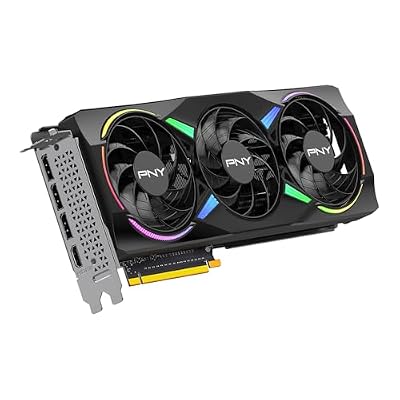
- 3. PNY NVIDIA GeForce RTX 5070 Epic-X ARGB OC Triple Fan (12GB)
- 4. GIGABYTE Radeon RX 9060 XT Gaming OC ICE 16G Graphics Card
- 5. Gigabyte Radeon RX 9060 XT Gaming OC 16G Graphics Card
- 6. MSI Gaming GeForce RTX 3060 12GB 15 Gbps GDDR6 Graphics Card
- How to Choose a GPU under $1000
- Frequently Asked Questions
- Related Guides
- Related Articles
Top Gpus Under 1000 Picks for 2026
Here are our current top gpus under 1000 picks, compared on real Amazon owner reviews, price, and features. Live prices update below.
As an Amazon Associate we earn from qualifying purchases at no extra cost to you.


![I spent a thousand on a GPU [Explicit]](https://m.media-amazon.com/images/I/51FJdTINkqL._SL160_.jpg)
A budget of up to $1000 puts you firmly in high-end graphics card territory — the tier where smooth 1440p becomes effortless and serious 4K gaming comes into reach. At this level the questions that matter most are how much VRAM a card carries, which generation it belongs to, and the resolution you actually play at, because those decide whether a GPU will still feel fast in a couple of years. This guide rounds up the best GPUs under $1000 in 2026, leading with the current-generation cards and high-VRAM options best suited to 4K and future-proofing, then covering strong-value picks further down the price range.
Our picks were chosen on what genuinely defines a high-end graphics card at this budget: VRAM capacity for high resolutions and modern games, generational features, target resolution, and overall value. We have avoided quoting invented benchmark or frame-rate numbers — instead we explain where each card fits and who it is for, with prices from around $399 up to around $759. Every option here lands well under the $1000 ceiling, so treat this as the best of the sub-$1000 field rather than a list of flagship cards. Below is an at-a-glance comparison of all six, then a closer look at each and a buyer’s guide built around VRAM, resolution and tier — the criteria that matter most for high-end gaming.
Best GPUs under $1000 at a Glance
| Graphics Card | Best For | Standout Spec | Approx Price |
|---|---|---|---|
| ASUS TUF RTX 3070 Ti OC | High-end 1440p power | RTX 3070 Ti, ray tracing | around $759 |
| ASUS Prime RTX 5070 | Latest-gen 4K-capable | Current-gen RTX 5070, 12GB | around $642 |
| PNY RTX 5070 Epic-X ARGB OC | Newest features + RGB | Current-gen RTX 5070, 12GB | around $633 |
| GIGABYTE RX 9060 XT Gaming OC ICE 16G | 16GB at 1440p | 16GB GDDR6, current-gen | around $470 |
| Gigabyte RX 9060 XT Gaming OC 16G | Value 16GB card | 16GB GDDR6, current-gen | around $460 |
| MSI RTX 3060 12GB | Best value high-VRAM 1080p | 12GB VRAM, ray tracing | around $399 |
1. ASUS TUF Gaming NVIDIA GeForce RTX 3070 Ti OC Edition
The ASUS TUF RTX 3070 Ti OC is the most powerful pure-raster card on this list, making it the pick for high-end 1440p gaming with headroom to spare. It is a factory-overclocked RTX 3070 Ti on ASUS’s rugged TUF Gaming cooler, supporting hardware ray tracing and NVIDIA’s upscaling features. At around $759 it is the most expensive option here and the strongest raw performer among them.
This is the card to choose if you want maximum gaming muscle under $1000 and play primarily at 1440p with high settings, or want a capable entry into 4K. The 3070 Ti delivers excellent high-refresh performance, the robust TUF cooler keeps it running cool and quiet under load, and ray tracing plus upscaling are fully supported. The one caveat to weigh is its 8GB of VRAM, which is generous for 1440p but tighter than the 12GB and 16GB cards below for the most memory-hungry 4K titles. For raw 1440p power, though, it leads the list.
Pros: Strongest raw performance here, robust TUF cooler, ray tracing, excellent for high-refresh 1440p.
Cons: Only 8GB VRAM — less future headroom at 4K than the 12GB and 16GB cards; highest price.
2. ASUS Prime GeForce RTX 5070 Graphics Card (PCIe 5.0, 12GB)

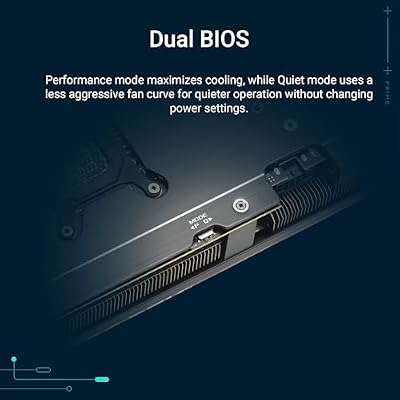
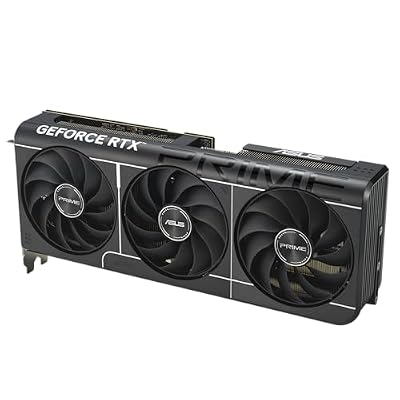
ASUS SFF-Ready Prime NVIDIA GeForce RTX 5070 Graphics Card (PCIe 5.0, 12GB GDDR7, HDMI/DP 2.1, 2.5-Slot, Axial-tech Fans, Dual BIOS), 3 Year Warranty




As an Amazon Associate we earn from qualifying purchases. Product prices and availability are accurate as of the date/time indicated.
The ASUS Prime RTX 5070 is the latest-generation pick and arguably the smartest balance of newness, capability and price on this list. It is a current-generation RTX 5070 with 12GB of VRAM on a clean, SFF-ready Prime cooler and a modern PCIe 5.0 interface, bringing the newest NVIDIA architecture and feature set. At around $642 it sits in the middle of this group while offering the most up-to-date technology.
This is the card for the gamer who wants current-generation features and strong 1440p-to-4K capability without stretching toward $1000. The newer architecture brings the latest upscaling and frame-generation features and improved efficiency, the 12GB of VRAM gives more headroom than the 3070 Ti’s 8GB for modern titles, and the compact, SFF-ready design suits small-form-factor builds. For a future-minded high-end card that balances price, features and VRAM, the Prime RTX 5070 is a standout choice.
 find alternatives
Pros: Current-generation architecture, 12GB VRAM, latest features, SFF-ready, well-balanced price.
Cons: 12GB is solid but not the largest here; raw raster sits near the 3070 Ti rather than far above it.
3. PNY NVIDIA GeForce RTX 5070 Epic-X ARGB OC Triple Fan (12GB)

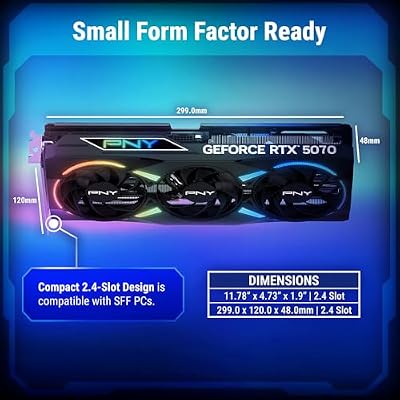
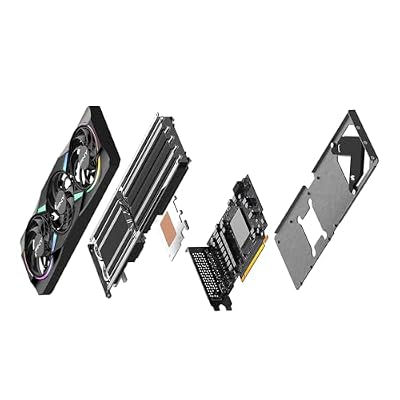
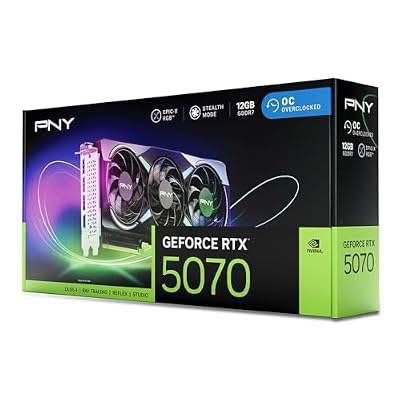
PNY NVIDIA GeForce RTX™ 5070 EPIC-X RGB® OC Triple-Fan Graphics Card | 12GB GDDR7, 192-bit, Boost: 2685 MHz, SFF-Ready, PCIe® 5.0, HDMI®/DP 2.1, 2.4-Slot, NVIDIA Blackwell Architecture, DLSS 5






As an Amazon Associate we earn from qualifying purchases. Product prices and availability are accurate as of the date/time indicated.
The PNY RTX 5070 Epic-X ARGB OC is the showpiece current-generation pick, pairing the same modern RTX 5070 silicon with a triple-fan cooler and ARGB lighting. It carries 12GB of VRAM, a factory overclock, and the newest NVIDIA feature set, all dressed up for a build that wants to look as good as it performs. At around $633 it is priced very close to the Prime model, so the decision comes down to cooler design and aesthetics.
This is the card for the builder who wants latest-generation performance and features alongside vivid RGB and a substantial triple-fan cooler. The current-gen architecture delivers modern upscaling and frame-generation support and good efficiency, the 12GB of VRAM handles demanding 1440p and entry 4K comfortably, and the factory overclock and triple-fan design help it run fast and cool. If you like the RTX 5070 but want a flashier, well-cooled card for a showcase build, the PNY Epic-X is the pick.
Pros: Current-gen RTX 5070, 12GB VRAM, triple-fan cooling, ARGB lighting, factory overclock.
Cons: 12GB rather than 16GB; you pay a little for the RGB and cooler over a plainer card.
4. GIGABYTE Radeon RX 9060 XT Gaming OC ICE 16G Graphics Card
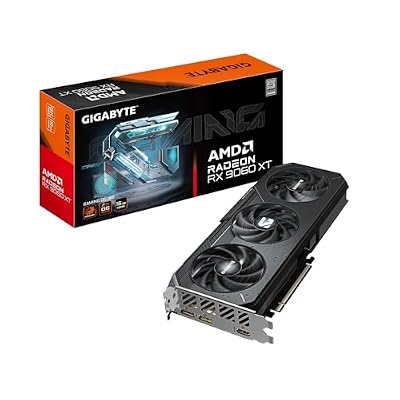
GIGABYTE Radeon RX 9060 XT Gaming OC 16G Graphics Card, PCIe 5.0, 16GB GDDR6, GV-R9060XTGAMING OC-16GD Video Card

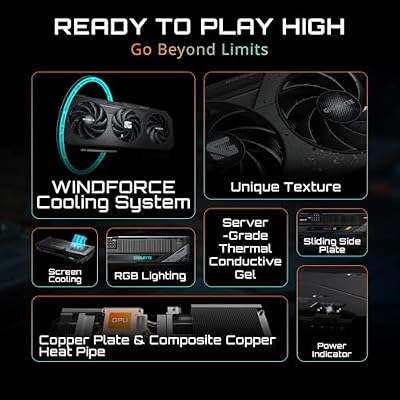


As an Amazon Associate we earn from qualifying purchases. Product prices and availability are accurate as of the date/time indicated.
The GIGABYTE RX 9060 XT Gaming OC ICE 16G is the pick for buyers who prioritise VRAM capacity at a sensible price. It is a current-generation Radeon card with a generous 16GB of GDDR6 memory on GIGABYTE’s white ‘ICE’ Gaming OC cooler, factory overclocked out of the box. At around $470 it delivers the most VRAM on this list for well under five hundred dollars.
This is the card to choose if you want maximum memory headroom for high-resolution textures, future titles and high-detail 1440p without spending big. The 16GB of VRAM is the headline: it gives real breathing room for the most memory-hungry modern games where 8GB cards can struggle, the current-generation architecture brings up-to-date features, and the white ICE cooler suits light-themed builds. It is a tier below the RTX 5070 and 3070 Ti in raw muscle, but for VRAM-per-dollar and a clean aesthetic, this 9060 XT is compelling.

Pros: Generous 16GB VRAM, current-generation, factory overclock, striking white ICE cooler, strong value.
Cons: Raw performance sits below the 3070 Ti and RTX 5070; aimed at high 1440p rather than heavy 4K.
5. Gigabyte Radeon RX 9060 XT Gaming OC 16G Graphics Card
The Gigabyte RX 9060 XT Gaming OC 16G is the value 16GB pick, offering the same generous memory and current-generation Radeon silicon as the ICE model in Gigabyte’s standard Gaming OC cooler. It carries 16GB of GDDR6, a factory overclock, and a 128-bit, PCIe-equipped design, available for around $460 — the lower-priced of the two 9060 XT cards here.
This is the card for the builder who wants that big 16GB VRAM buffer and current-generation features at the keenest price, without paying extra for a themed cooler. The 16GB of memory gives strong headroom for high-detail 1440p gaming and demanding textures, the modern architecture keeps it feature-current, and the standard Gaming OC cooler keeps temperatures and cost in check. If the white ICE styling does not matter to you, this is the more cost-effective way to get the same 16GB Radeon experience and a smart value buy on the list.
Pros: 16GB VRAM and current-gen features at the lowest 9060 XT price; effective cooling, great value.
Cons: Same performance tier as the ICE model — below the RTX 5070/3070 Ti; best for high 1440p.
6. MSI Gaming GeForce RTX 3060 12GB 15 Gbps GDDR6 Graphics Card

msi Katana 15 15.6” 165Hz QHD Gaming Laptop: Intel Core i7-13620H, NVIDIA Geforce RTX 4070, 16GB DDR5, 1TB NVMe SSD, Cooler Boost 5, Win 11: Black B13VGK-2000US


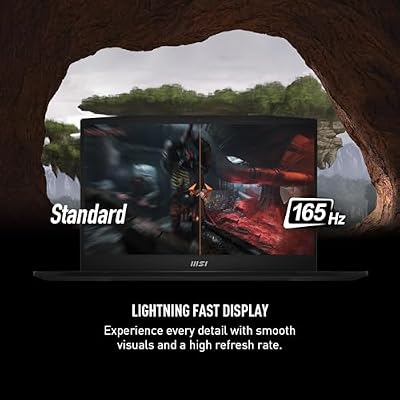

As an Amazon Associate we earn from qualifying purchases. Product prices and availability are accurate as of the date/time indicated.
Rounding out the list is the MSI RTX 3060 12GB, the best-value high-VRAM pick and the most affordable card here. It pairs an RTX 3060 with a generous 12GB of GDDR6 memory and MSI’s Twin-fan cooler, supporting ray tracing and NVIDIA upscaling. At around $399 it is the entry point to this list and a sensible choice for excellent 1080p and capable 1440p gaming.
This is the card for the gamer who wants dependable high-detail 1080p performance, a path into 1440p, and more VRAM than its tier usually offers, all at the lowest price on the list. The 12GB of memory is unusually generous for a card at this level and gives useful headroom for textures and modern titles, ray tracing and upscaling are supported, and the Twin-fan cooler keeps it quiet. It is the least powerful option here and aimed below 4K, but as an affordable, well-equipped high-VRAM card, it earns its place.

Pros: Most affordable here, generous 12GB VRAM for its tier, ray tracing, quiet Twin-fan cooler.
Cons: Lowest raw performance on the list; best for 1080p and entry 1440p rather than 4K.
How to Choose a GPU under $1000
At the high-end, sub-$1000 level, VRAM capacity is one of the first things to weigh, because it largely determines how comfortably a card handles high resolutions and future games. More memory — like the 16GB on the two RX 9060 XT cards or the 12GB on the RTX 5070s and RTX 3060 — gives headroom for high-resolution textures and the most memory-hungry titles, where an 8GB card such as the 3070 Ti can feel tighter at 4K. Match the VRAM to the resolution and the longevity you want.
Generation matters just as much as raw numbers. A current-generation card like the RTX 5070 or RX 9060 XT brings the newest architecture, the latest upscaling and frame-generation features, and better efficiency, which can extend a card’s useful life and add capability beyond raw raster performance. An older but still potent card like the RTX 3070 Ti can offer more pure rasterisation muscle for the money, but without the very newest features. Decide whether you value cutting-edge features or maximum raw frames per dollar.
Target resolution should anchor the whole decision. For high-refresh 1080p and 1440p, a card like the RTX 3060 12GB or either RX 9060 XT 16GB delivers strong, memory-rich performance at a keen price. For demanding 1440p with headroom, or an entry into 4K, the more powerful RTX 5070 cards and the RTX 3070 Ti step up the raw performance. Buy for the resolution you actually play at — overspending on a card aimed far above your monitor wastes budget that could go elsewhere.
Finally, weigh cooler design, size and value together. A robust triple-fan or dual-fan cooler keeps a card quiet and cool under sustained load, a compact, SFF-ready design like the Prime RTX 5070 matters for small cases, and themed coolers such as the white ICE 9060 XT suit specific build aesthetics — usually at a small premium over a plainer model with identical performance. Set your resolution target, prioritise enough VRAM and the generation you want, check the card fits your case, and pick the GPU on this list that lands on your needs. Every one of them is well under $1000, so spend only what your gaming actually requires.
Frequently Asked Questions
How much VRAM do I need for a high-end GPU under $1000?
It depends on resolution. For 1080p and 1440p, 12GB — as on the RTX 3060 and RTX 5070 cards — is comfortable, while 16GB, as on both RX 9060 XT models, adds real headroom for the most memory-hungry titles and higher resolutions. The 8GB on the RTX 3070 Ti is fine for 1440p but tighter for demanding 4K, so favour more VRAM if you play at high resolution or want longevity.
Should I buy a current-generation card or an older high-end one?
Both approaches work. A current-generation card like the RTX 5070 or RX 9060 XT brings the newest features, better efficiency and longer feature support, while an older high-end card like the RTX 3070 Ti can offer strong raw rasterisation performance for the money. If you want the latest upscaling and frame-generation features and future headroom, go current-gen; if you want maximum raw frames per dollar, an older flagship can still deliver.
Are these GPUs good for 4K gaming?
The more powerful cards here — the RTX 5070 models and the RTX 3070 Ti — are the most capable for entry-level 4K and excellent at 1440p, though the 3070 Ti’s 8GB of VRAM is a limiting factor in the most memory-hungry 4K titles. The RX 9060 XT 16GB cards and the RTX 3060 are aimed more at high-detail 1440p and 1080p. For the smoothest 4K under $1000, lean toward an RTX 5070.
Which card here is the best value?
It depends on your priority. The RTX 3060 12GB is the cheapest and offers generous VRAM for 1080p and 1440p, the Gigabyte RX 9060 XT Gaming OC 16G gives the most VRAM for the money at around $460, and the RTX 5070 cards offer the best blend of current-generation features and capability near $640. Pick based on whether you value low price, maximum VRAM, or the newest technology.
Related Guides
- Best GPUs for Your Build
- Best 4K Graphics Cards
- Best Budget GPUs
- Best Gaming CPUs
- Best Power Supplies
- Best Pre-Built Gaming PCs
Affiliate Disclosure: As an Amazon Associate, we earn from qualifying purchases. If you click a link and make a purchase, we may earn a small commission at no extra cost to you. Prices and availability are accurate as of publication and may change.