- Top Pick: GUNNAR – Premium Gaming and Computer Glasses – Blocks 65% Blue Light – Riot, Espresso, Amber Tint
- Best Value: ANYLUV Blue Light Glasses Men/Women, Gaming Blue Light Blocking Glasses, Relieve Eyestrain-Carbon fiber Blue/Rivets
- Premium Choice: BLENDME Blue Light Gaming HD Glasses for Men&Women, Computer, Screens Anti Eyestrain, Amber Lenses
Affiliate disclosure: As an Amazon Associate we earn from qualifying purchases. This post contains affiliate links — if you buy through them we may earn a small commission at no extra cost to you. This never affects our recommendations.
Wearing glasses while gaming creates a specific comfort problem: most gaming headsets generate enough clamping force to press frames against the sides of your head, creating pressure points above the ears that become increasingly painful over time. The solution is not just softer padding — it is a combination of earcup depth, cushion density, headband clamp force, and whether the earcup design can accommodate the arms of your frames without breaking the acoustic seal.
We evaluated each headset specifically for glasses compatibility: earcup depth (deeper means more room for frame arms), cushion softness (memory foam outperforms standard foam for pressure distribution), clamp force (lighter equals more comfortable for glasses wearers), and whether the acoustic seal survives the frame intrusion. These five picks represent the best options across price tiers for gamers who wear prescription glasses or sunglasses while playing.
In a hurry? See the top-rated Gaming Headsets for Glasses Wearers deals available right now:
🛒 Check Gaming Headsets For Glasses Wearers Prices on Amazon →🛒 Best Price Today on Amazon
Prime members get fast, free shipping on everything above, plus member-only deals. New members get a 30-day free trial — cancel anytime.
Start 30-Day Prime Free Trial →See Today’s Amazon DealsTop Picks at a Glance
| Product | Best For |
|---|---|
| HyperX Cloud II Memory Foam | Best overall for glasses |
| Razer BlackShark V2 X Special Edition | Best mid-range for glasses |
| Logitech G733 Lightspeed | Best wireless for glasses |
| VersionTECH G2000 | Best budget for glasses |
| Linsoul KZ ZS10 Pro IEM | Best in-ear — no frame contact |
As an Amazon Associate we earn from qualifying purchases at no extra cost to you.


HyperX Cloud II Memory Foam
HyperX specifically designed the Cloud II with glasses wearers in mind — the memory foam ear cushions are deep enough to fully envelope most ears while creating a channel that accommodates standard glasses frames. The memory foam distributes the clamp force evenly around the ear rather than concentrating pressure at the frame contact points. Cloud II cushions are removable and available in both leatherette and velour variants — velour is typically more comfortable for glasses wearers as it breathes better and conforms more softly around frames. Replacement cushions are widely available and inexpensive.
- Pros: Memory foam designed for glasses wearers, removable/replaceable cushions, leatherette and velour options, deep earcup cavity
- Cons: Wired only, leatherette can press glasses after extended sessions (swap to velour resolves this)
Razer BlackShark V2 X Special Edition
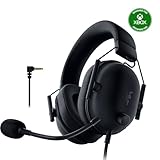
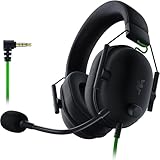
The BlackShark V2 X uses FlowKnit memory foam ear cushions — a breathable fabric-backed memory foam that is notably softer and more conformable than standard leatherette. The fabric surface allows glasses frames to sit against the cushion without the stiffness resistance that leatherette creates. Clamp force is moderate — firm enough to maintain audio seal but not so tight it drives frames painfully into your temples. At around $34, this is the best combination of price and glasses comfort in the wired mid-range category.
- Pros: FlowKnit breathable memory foam, moderate clamp force, well-priced, TriForce driver audio quality
- Cons: Clamp force on the firmer side for some frames, no velour option
Logitech G733 Lightspeed
The G733 reverse headband suspension design is its standout feature for glasses wearers. Instead of a rigid headband pressing down from above, the G733 uses two suspension bands that distribute weight across a wider area, reducing the overall clamp force at the earcup level. This lighter grip means frames experience less pressure than with conventional headbands. Earcups use a soft leatherette padding. The 29-hour wireless battery means no cable interfering with your glasses arms. Highly recommended for long-session glasses gamers who want wireless freedom.

- Pros: Suspension headband reduces clamp force, wireless freedom, 29-hour battery, Blue VO!CE mic
- Cons: around $120 is the highest price in this list, earcup padding compresses faster than memory foam
VersionTECH G2000
The G2000 earns its place as the budget glasses-friendly pick through generous earcup sizing. The over-ear cushions are large enough to accommodate standard adult glasses frames without pressing them inward as aggressively as smaller earcup designs. Clamp force is lighter than premium headsets — which actually helps glasses wearers, though lighter clamp can slightly reduce audio seal. Memory foam is not present; standard foam compresses with use and padding support diminishes after several months. For a $24 first headset, it is a solid choice for glasses wearers.
- Pros: Large earcup opening accommodates glasses well, lighter clamp force, budget pricing, 50mm drivers
- Cons: Standard foam (not memory foam), padding compresses over time, no replacement cushion option
Linsoul KZ ZS10 Pro IEM
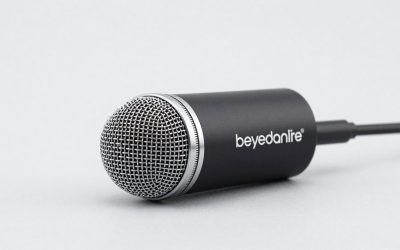
In-ear monitors are the nuclear option for glasses wearers: no earcup contact with your frames at all. The KZ ZS10 Pro uses a 5-driver hybrid configuration (1 dynamic plus 4 balanced armature per side) that delivers audiophile-grade audio quality surpassing any over-ear gaming headset on this list in raw sonic fidelity. The trade-off is that gaming IEMs require a separate microphone solution — a USB mic or clip-on lapel mic. For solo gaming and music listening the ZS10 Pro is outstanding. For voice chat-heavy multiplayer, you will need a mic workaround.

- Pros: Zero glasses frame contact, 5-driver hybrid audio, audiophile sound quality, passive isolation
- Cons: No microphone included, requires separate mic for multiplayer, in-ear fatigue over very long sessions
Buying Guide
The Glasses and Headset Pressure Problem Explained
Standard glasses frames have arms (temples) that run horizontally from the lens frame to behind your ears. Gaming headset earcups press inward from the sides with enough force to maintain an acoustic seal. When earcup padding is thin or rigid, the inward pressure concentrates at the glasses temple, creating a lever that pushes the frame into the bone above your ear. After 60–90 minutes, this creates persistent pain. Memory foam solves this by compressing around the frame rather than against it.
Earcup Shape Matters
Oval earcups with a vertical major axis (taller than wide) tend to accommodate glasses better than round or horizontally-wide designs. The vertical extension means the glasses temple passes through the softest part of the cushion rather than the thickest. HyperX Cloud II earcup shape is considered one of the best for glasses wearers among premium gaming headsets.

Testing Before Extended Sessions
Always do a 30-minute test session before committing to hours of gaming with a new headset and your glasses. If you feel any pressure after 20 minutes, it will be painful at the 90-minute mark. Acceptable headsets for glasses wearers should feel zero discomfort at 30 minutes — the memory foam should have conformed to your frame position without any residual pressure points.
Aftermarket Cushion Upgrades
If you already own a headset that is uncomfortable with glasses, replacement memory foam cushions from Brainwavz or HyperX are available for many popular models. These aftermarket cushions are often thicker and softer than OEM padding, which can transform a glasses-incompatible headset into a comfortable one. A $20–$25 cushion upgrade is often more cost-effective than buying a new headset.
Frequently Asked Questions
What headset is best for people who wear thick-framed glasses?
Thick-framed glasses have wider temples that displace more cushion material. The HyperX Cloud II with velour cushions is the most forgiving for thick frames due to its deep cavity and very soft memory foam. The Logitech G733 suspension headband design also helps by reducing inward clamp force that frame thickness would otherwise amplify.
Do gaming headsets loosen over time and become more comfortable for glasses wearers?
Yes — headset headbands stretch slightly with use, reducing clamp force. Most headsets become more comfortable after 2–4 weeks of regular use as the headband conforms to your head shape. You can accelerate this by leaving the headset stretched over a stack of books roughly the width of your head when not in use.
Are IEMs better than over-ear headsets for glasses wearers?
For comfort specifically, yes — IEMs have zero frame contact. For overall gaming experience, it depends on your priorities. Over-ear headsets with good mics are more convenient for multiplayer gaming. IEMs require a separate microphone solution but deliver superior audio fidelity and completely eliminate the frames pressure issue.
Can I use gaming headsets with progressive lenses or bifocals?
Yes, with the same considerations as standard lenses. The frame temple design matters more than the lens type. If your frames have thicker temples or larger overall dimensions, prioritize the HyperX Cloud II with velour cushions or the Logitech G733 for their superior frame accommodation.
Verdict
The HyperX Cloud II with memory foam cushions (swap to velour for best results) is the definitive recommendation for glasses-wearing gamers — it was designed with this use case in mind and the replaceable cushion system lets you optimize comfort over time. For wireless freedom, the Logitech G733 suspension headband provides the lightest clamping force in the category. Glasses wearers who want to completely sidestep the issue should consider the KZ ZS10 Pro IEM paired with a separate USB microphone.
Related Articles
Looking for more on this topic? Browse the hand-picked guides below — each one applies the same scoring rubric used in this review.