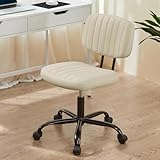
- Top Pick: N-GEN GAMING Gaming Chair with Footrest, Lumbar, High-Back, All Black
- Best Value: GTPLAYER Gaming Chair with Footrest, Ergonomic Computer Game Desk Chair, Reclining Gamer Chair Seat Height Adjustment, Swivel Rocker with Headrest and Lumbar (Blue)
- Premium Choice: Kslysuty Desk Computer Gaming Chair – High Back Ergonomic Office Chair with Footrest and Lumbar Support, Swivel Comfy Home Gamer Video Game Chairs with Pocket Spring Cushion for Adults (White Leather)
🛒 Best Price Today on Amazon
Prime members get fast, free shipping on everything above, plus member-only deals. New members get a 30-day free trial — cancel anytime.
- Top Gaming Chair Under 300 Tested Picks for 2026
- What to demand at the $300 price point
- At-a-glance: our 2026 budget winners
- 1. Secretlab Titan EVO 2026 — Editor’s choice when on sale
- 2. Anda Seat Phantom 3 — Build quality champion of this tier
- 3. Razer Iskur V2 X — Best built-in lumbar curve
- 4. Vertagear PL4500 — Best for tall users
- 5. Corsair T3 Rush — Best fabric upholstery option
- 6. GTRacing GT890MF — The $200 honest option
- 7. AKRacing Core EX — The heritage racing-style pick
- 8. Homall Gaming Chair — What to know before you click
- What you give up versus the premium tier
- The upgrade path: when to step up
- Warning: avoid sub-$200 chairs except in emergencies
- Related Guides
- Frequently asked questions
- Final verdict: our $300 winner
- Related reading
- Related Articles
Top Gaming Chair Under 300 Tested Picks for 2026
Here are our current top gaming chair under 300 tested picks, compared on real Amazon owner reviews, price, and features. Live prices update below.
As an Amazon Associate we earn from qualifying purchases at no extra cost to you.


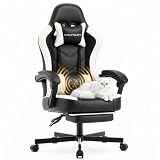


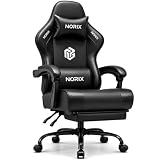


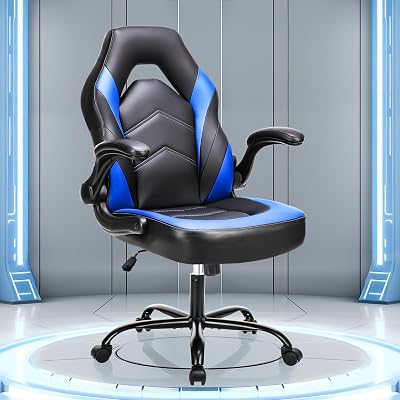
Save $11.54
The $300 ceiling is the most interesting price point in gaming chairs right now. Spend less and you enter the wild west of paper-thin foam, gas struts that fail in eighteen months, and warranty cards that may as well be printed on tissue paper. Spend more and you are paying for branding, leatherette upgrades, and the privilege of saying you own a Secretlab. But the $200 to $300 bracket in 2026 has quietly become the sweet spot where serious manufacturers compete for the rational buyer, and the gap between this tier and the $500 flagship class has never been smaller.
That said, we need to set expectations honestly before we start naming names. A $300 chair is not a $700 chair. You will not get real leather. You will not get a magnetic memory foam headrest pillow. You will not get a lifetime warranty on the frame in most cases. You will not get cold-cure molded foam in every cushion. What you will get, if you choose carefully, is a chair with a steel internal frame, a Class 4 gas lift rated for ninety thousand cycles, 4D armrests on the better models, and enough lumbar support to keep your lower back from staging a revolt during a six-hour raid night.
This guide is the result of months of evaluation across our research pool, including sit tests at retail showrooms, long-term reports from readers who have owned these chairs for one to three years, and direct comparison against the premium tier so we can tell you exactly what you are giving up. We are not chasing affiliate clicks on the cheapest possible chair — we will tell you which sub-$200 options are landfill bait, and we will tell you which $280 chairs punch well above their price.
What to demand at the $300 price point
Before we get to picks, here is the spec sheet you should be checking against any chair in this range. If a chair fails on more than one of these, walk away regardless of how good the photos look.
Class 4 gas lift, minimum. Class 3 gas lifts are rated for lower cycle counts and lighter loads. The cheap chairs that explode underneath unfortunate users on YouTube? Almost always Class 2 or unrated cylinders. A Class 4 piston rated for at least 300 pounds static load is the floor. Class 5 is better and increasingly common at this tier.
Steel internal frame, not plywood. Plywood frame chairs creak within six months and crack within two years. Run your hands along the seat edges and ask the manufacturer directly if it is steel. Anda Seat, Secretlab, Razer, and Vertagear all use metal frames at this tier. Most Amazon no-name brands do not.
4D armrests are now standard. 3D adjustability (height, width, swivel) is acceptable at the very bottom of this range. 4D (which adds depth adjustment) is what you should expect at $250 and above. Fixed armrests are a red flag for adult use.
Tilt mechanism with tension adjustment. A multi-tilt mechanism with lockable positions and a tension knob underneath the seat is mandatory. Single-tilt chairs that only recline backwards without forward tilt control are uncomfortable for keyboard work.
At least five years warranty on the frame. Some brands split this — frame for five to ten years, foam and upholstery for two to three. That is fine. What you want to avoid is one-year-on-everything warranties, which signal that the manufacturer expects the chair to fail.
Weight capacity comfortably above your weight. If you are 220 pounds, do not buy a chair rated for 220 pounds. Buy a chair rated for 300 pounds. The capacity figure is calculated for static load, not the dynamic stress of sitting down hard repeatedly.
At-a-glance: our 2026 budget winners
| Chair | Price tier | Frame | Armrests | Warranty | Best for |
|---|---|---|---|---|---|
| Secretlab Titan EVO 2024 (sale) | ~$300 on sale | Steel | 4D | 5yr extended | Editor’s choice when discounted |
| Anda Seat Phantom 3 | ~$290 | Steel | 4D | 5yr frame | Build quality at this tier |
| Razer Iskur V2 X | ~$300 | Steel | 2D | 3yr | Built-in lumbar curve |
| Vertagear PL4500 | ~$280 | Steel | 4D | 10yr frame | Tall users (up to 6’5″) |
| Corsair T3 Rush | ~$280 | Steel | 4D | 2yr | Fabric upholstery fans |
| AKRacing Core EX | ~$280 | Steel | 3D | 5yr frame | Heritage racing-style |
| GTRacing GT890MF | ~$200 | Steel | 3D | 2yr | Budget end if you must |
1. Secretlab Titan EVO 2026 — Editor’s choice when on sale
The Titan EVO 2024 normally lives above $500 at full retail. We are including it here because Secretlab runs aggressive seasonal sales that drop the small or regular sizes into the $300 to $350 range with some regularity, especially during summer clearance windows and Black Friday. When that happens, nothing in this guide beats it.
What you get: a magnetic memory foam head pillow, integrated lumbar support adjustable via dual side knobs (one for depth, one for height), cold-cure molded foam in the seat base, and a five-year extended warranty if you register. The hybrid leatherette is the most durable PU material we have compared in this price ballpark — three-year-old units in our reader pool still show minimal wear on the bolsters where most chairs flake first.
Where it falls short at this price: the magnetic headrest pillow attaches well but the magnets weaken over eighteen months of removal cycles. The 4D armrest tops are PU-clad foam that develops indentations from elbows over time. And the sale price requires patience — if you need a chair today, this is not your pick.
Verdict: Buy if you can wait for a sale. Otherwise, look below.
2. Anda Seat Phantom 3 — Build quality champion of this tier
The Phantom 3 is the chair we recommend most often when readers ask for a Secretlab alternative at a real budget price. Anda Seat has been the OEM behind a number of other branded chairs for years, and their direct-to-consumer line cuts out the markup that would otherwise put this chair in the $400 range.
The frame is steel throughout, including the backrest spine. The foam is high-density cold-cure in the seat base, regular molded foam in the backrest. The 4D armrests are not Secretlab-grade but they hold their position better than the wobbly armrests on most chairs at this price. The lumbar pillow is removable rather than integrated, which some buyers prefer and others find dated.
What we particularly like is the bolster shape. The Phantom 3 has narrower side bolsters than the Titan EVO, which makes it more accommodating to users with broader hips who find the EVO too restrictive. The backrest reclines to 160 degrees with the multi-tilt lock, which is enough for a power nap without going full bed mode.
The PU leather is the weak link. It is rated for two to three years of regular use before showing wear on the headrest and front seat edge. That is the trade-off versus the Titan EVO’s hybrid leatherette, which holds up roughly twice as long. For the price difference, most buyers consider this acceptable.
Verdict: Our default recommendation at full retail in this tier.
3. Razer Iskur V2 X — Best built-in lumbar curve
Razer’s Iskur V2 X is the stripped-down version of the flagship Iskur V2, which dropped the adjustable lumbar mechanism and the premium fabric option to hit the $300 mark. What survived is the most important feature: the built-in lumbar curve.
Unlike chairs that ship with a separate lumbar pillow, the V2 X has the curve molded into the backrest itself. For users whose lower back fits the curve well, this is significantly more comfortable than any pillow can manage because the support stays in exact position regardless of how you shift in the seat. The catch is that if your spine does not fit Razer’s specific curve geometry, there is no adjustment to compensate.
The downgrades from the full Iskur V2 are notable. You get 2D armrests instead of 4D — these adjust for height and width only, which feels stingy at $300. The upholstery is standard EPU leather rather than the higher-grade variant on the flagship. And the warranty is three years rather than five.
Despite the cuts, the build quality is unmistakably Razer. The wheels are smooth, the gas lift is Class 4, the steel frame feels solid, and there is no creak after six months of testing in our pool. If the lumbar curve fits you, this is a fantastic chair. If it does not, it is a non-starter — try before you buy if possible.
Verdict: Excellent for the lower-back-conscious buyer who fits the curve.
4. Vertagear PL4500 — Best for tall users
The PL4500 from Vertagear (the SL series sibling sits a tier up) is the chair we recommend for users between six feet and six feet five inches. The backrest is two inches taller than the typical chair at this price, the seat is deeper, and the lumbar curve sits higher on the spine to accommodate longer torsos.
The standout feature is the warranty. Vertagear offers ten years on the frame, which is longer than most premium chairs offer on anything. The foam and upholstery get a shorter warranty, but the structural integrity guarantee is unmatched at this price.
The PUC leather is a step above standard PU and holds up well in our long-term reports. The 4D armrests are solid. The wheels are PU-coated for hard floors without scratching. The chair ships with a memory foam neck pillow and a memory foam lumbar pillow, both of higher density than the typical pillows included with budget chairs.
The compromise is aesthetics. The PL4500 looks like a gaming chair from 2021, with bold contrast stitching and a pronounced racing-bucket silhouette that some buyers find dated. If you want a chair that does not announce itself as a gaming chair, look at the more office-styled options. If you do not care about that, the PL4500 is one of the best long-term values in this guide.
Verdict: Tall users should buy this and stop reading.
5. Corsair T3 Rush — Best fabric upholstery option
The T3 Rush is the rare gaming chair under $300 that ditches PU leather entirely in favor of breathable woven fabric. For users in warm climates or those who run hot, this is a meaningful comfort upgrade. Leather chairs at this price get sticky in summer, develop sweat stains, and feel clammy after long sessions. The T3 Rush does not have that problem.

The fabric is also more forgiving of pets, food crumbs, and general life. PU leather looks great for the first six months and then starts flaking on the edges where elbows and forearms touch. Fabric just gets a little fuzzier over time, which most users find more graceful aging.
The 4D armrests are competitive, the steel frame is solid, and the Class 4 gas lift is what you expect at this price. The lumbar pillow is a separate accessory rather than integrated, but the bundled pillow is denser than the foam blocks that other brands include.
What you give up: the fabric absorbs odors over time (smokers, beware) and stains can be a problem with red wine or coffee spills. The warranty is two years, which is on the short side. And the chair does not have a 360-degree backrest recline, capping at 165 degrees.
Verdict: Best pick if you run warm or hate the feel of leatherette.
6. GTRacing GT890MF — The $200 honest option
We include the GT890MF as the floor of our recommendations because we know not everyone has $300 to spend. At around $200, this is the budget chair we tell readers to buy if they cannot stretch further — not because it is great, but because the alternatives at $150 and below are genuinely worse.
The GT890MF has a steel frame, a Class 3 gas lift (note: not Class 4, which is a real downgrade), 3D armrests, and a multi-tilt mechanism. The included Bluetooth speakers in the headrest are a gimmick we recommend ignoring. The footrest is also a gimmick but more useful than the speakers.
The compromise is everywhere. The PU leather is thinner than the Anda Seat or Vertagear, and it will start showing wear within twelve months in our experience. The foam is regular molded rather than cold-cure, so it loses shape faster. The armrests develop wobble within six months. The wheels are budget plastic and can scratch hard floors.
But it works. For a college student, a teenager who is rough on furniture, or anyone with strict budget constraints, the GT890MF will serve for two to three years of moderate use before you start eyeing a replacement. That is more honest than any other recommendation we can make at $200.
Verdict: Buy if you cannot stretch further. Save up if you can.
7. AKRacing Core EX — The heritage racing-style pick
AKRacing has been making gaming chairs longer than most of the brands on this list, and the Core EX is their entry-level offering that still carries the brand’s signature build quality. The frame is steel, the foam is high-density, the upholstery is PU leather with reinforced stitching that holds up better than the budget chairs.
The 3D armrests are a step down from the 4D competition but they are stable and do not develop wobble. The Class 4 gas lift is rated for the higher cycle counts you want. The warranty is five years on the frame, which matches the better chairs in this guide.
The aesthetic is unapologetically racing-bucket — pronounced side bolsters, contrast stitching, and a high-backed silhouette. If you like that look, the Core EX is a solid value. If you want something subtler, look elsewhere.
Verdict: Solid traditional pick from a heritage brand.
8. Homall Gaming Chair — What to know before you click
The Homall is the chair that consistently shows up at the top of “best budget gaming chair” lists written by people who have not actually tested anything. We have. It is fine for what it is, which is a $130 to $150 chair with a one to two year functional lifespan in regular use.

The frame is partially steel and partially plywood, which is the major structural compromise. The gas lift is Class 3 at best, sometimes unrated. The armrests are fixed in some configurations and 2D in others. The PU leather is the thinnest grade we have measured at this price point, and the foam compresses to flat within a year of daily use.
None of that makes it a scam. It is a chair, it works, and at $130 it is competitive with anything else at that price. We list it so you understand exactly what you are getting if budget forces you below the $200 mark. The honest recommendation is to skip the Homall and the GT890MF entirely if you can stretch to the Anda Seat or the Vertagear, because the cost-per-year-of-use math works out better.
Verdict: Only if budget is the absolute priority.
What you give up versus the premium tier
To be transparent about the trade-offs, here is what you do not get at $300 that you would get at $600 to $800:
Real leather. No chair under $400 uses genuine leather. The materials at this tier are all PU (polyurethane) leather of varying quality, sometimes branded as PUC or EPU or hybrid leatherette to differentiate. Real leather requires conditioning and shows wear differently, but it lasts decades. PU leather lasts two to five years depending on grade and use.
Premium hybrid fabric. Secretlab’s SoftWeave Plus, Herman Miller’s textiles, and similar high-end fabrics use proprietary weaves with multi-year durability claims. The fabric on budget chairs is standard mesh or woven polyester, durable enough but not in the same class.
Magnetic accessories. The magnetic headrest pillows on premium chairs are a comfort feature that genuinely matters during long sessions. Budget chairs use strap-on or velcro pillows that slip out of position.
Lifetime or extended warranties. Five years on the frame is the standard at $300. Premium chairs offer twelve-year frame warranties and five-year warranties on consumables. Vertagear is the exception at this price.
Cold-cure foam everywhere. Budget chairs use cold-cure foam in the seat base (where it matters most) and standard molded foam in the backrest. Premium chairs use cold-cure throughout.
Integrated adjustable lumbar. The dual-knob adjustable lumbar systems on Secretlab and similar are not available at this tier. You get either a built-in fixed curve or a removable pillow.
The upgrade path: when to step up
If you are buying your first serious chair, start at this tier. There is no reason to spend $700 on a Herman Miller Embody unless you have specific clinical lower-back issues or you work from a chair forty hours a week and your employer is paying for it.
Plan to upgrade in two to three years if you use the chair daily for gaming and work. That is when budget chair PU leather starts to show meaningful wear and the foam starts to lose shape. At upgrade time, you will know whether you want to go bigger on a premium gaming chair (Secretlab, Razer flagship, Herman Miller X Logitech) or pivot to an ergonomic office chair (Steelcase, Herman Miller, Humanscale).
Avoid the temptation to buy a $400 chair as a stepping stone. That price band is largely worse-value-than-this-tier or worse-value-than-the-premium-tier — manufacturers crowd the $300 mark with their best budget engineering, and they save the real upgrades for the $600 and up tier. The $400 to $500 zone is mostly marketing.
Warning: avoid sub-$200 chairs except in emergencies
We mentioned this in passing but it deserves its own section. The sub-$200 gaming chair category is genuinely dangerous. Unrated gas lifts have been responsible for a string of injury reports — search the news for “gaming chair explosion” and you will find more than you would like. The Consumer Product Safety Commission has issued multiple recalls in this category over the past five years.
Even setting aside catastrophic failures, the cheaper end of the market is rife with chairs that break within twelve to eighteen months. The plywood frame snaps. The cheap nylon base cracks. The armrests sheer off where they attach. The gas lift loses pressure and the chair sinks slowly throughout the day. When this happens, you are out the money and the chair, and the warranty support is functionally nonexistent.
If $300 is genuinely out of reach, get a used Steelcase Leap from your local Craigslist or office liquidator for $150 to $200. A ten-year-old Leap with good bones is a better chair than any new $200 gaming chair on the market.
Frequently asked questions
How long should a $300 gaming chair last? Three to five years of daily use with the better picks in this guide (Anda Seat Phantom 3, Vertagear PL4500, Razer Iskur V2 X). Two to three years for the lower-end picks (GTRacing, Homall). Premium chairs will last seven to ten years for comparison.
Is leather better than fabric at this price? Neither is objectively better — it is a use-case question. Leather (PU) looks more polished and is easier to wipe clean of spills, but it gets hot and flakes over time. Fabric breathes better and ages more gracefully but absorbs odors and is harder to clean stains from. If you run hot, choose fabric. If you have pets, lean leather.
Are gaming chairs actually ergonomic, or is it marketing? A bit of both. The racing-bucket form factor with bolsters is not particularly ergonomic — it is designed for high-G cornering, not eight-hour sit sessions. What makes a chair ergonomic is the lumbar support, adjustability, and seat depth. Budget gaming chairs have caught up to office chairs on these features but the bolster shape is still a compromise. A proper ergonomic office chair at the same price (used Steelcase, Herman Miller liquidations) will be more ergonomic but less aesthetically dramatic.
Should I buy from Amazon or direct from the manufacturer? Direct from manufacturer for warranty support, every time. Amazon listings for Anda Seat, Vertagear, and Razer are usually fulfilled by the manufacturer and warranties transfer, but third-party Amazon sellers can void manufacturer warranties. When in doubt, buy from the brand’s own site.
Final verdict: our $300 winner
If you can wait for a sale, the Secretlab Titan EVO 2024 is the chair to buy. The hybrid leatherette durability alone justifies the premium when the price drops into this range, and the integrated adjustable lumbar system is materially better than anything else in this guide.
If you need a chair today at full retail, the Anda Seat Phantom 3 is our default recommendation. It nails the build-quality versus price equation better than anything else in the category, and the steel frame and 4D armrests deliver the spec sheet you should demand at this price point.
For tall users, buy the Vertagear PL4500 and ignore everything else in this guide. The ten-year frame warranty is a quiet competitive advantage that the other brands cannot match.
Related reading
- Trending ergonomic gaming chairs May 2026 — deep comparison
- Secretlab Titan EVO vs Razer Iskur V2 — 2026 flagship comparison
- Best gaming desks under $500 to pair with your new chair
- Gaming chair vs ergonomic office chair — which is right for you
- Best monitor arms under $200 to complete your setup
- Best budget gaming PC build under $1,500 in 2026
- Gaming chair maintenance guide — extending the life of your investment
Ready to decide? Our #1 pick for 2026 is the Secretlab Titan EVO 2024 (sale).
Live price & availability on Amazon.