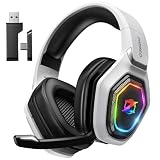
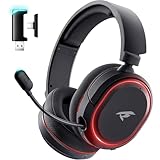
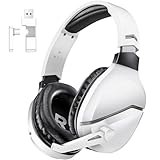
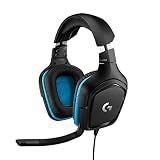
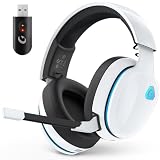
- Top Pick: Razer BlackShark V2 X Gaming Headset: 7.1 Surround Sound – 50mm Drivers – Memory Foam Cushion – For PC, PS4, PS5, Switch – 3.5mm Audio Jack – Black
- Best Value: JBL Quantum 100M2 Wired Gaming Headset, Detachable Mic – Black
- Premium Choice: Razer BlackShark V2 X Xbox Gaming Headset, 3.5mm Audio Jack, Black
Affiliate disclosure: As an Amazon Associate we earn from qualifying purchases. This post contains affiliate links — if you buy through them we may earn a small commission at no extra cost to you. This never affects our recommendations.
As an Amazon Associate we earn from qualifying purchases at no extra cost to you.


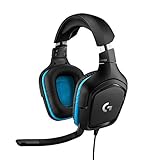


Whether you’re grinding ranked matches deep into the night or settling in for a 6-hour RPG session, comfort is the spec that matters most and gets talked about the least. Frame rate, surround sound, and microphone clarity are all important — but none of it matters if your head is throbbing after hour two.
Comfort in a gaming headset comes down to a handful of measurable factors. Clamping force is the biggest culprit behind headache-inducing sessions — too tight and you’ll feel a vice-grip around your temples. The sweet spot for most gamers is a gentle but secure hold that keeps the headset in place without compressing. Weight matters too: the 200–300g range is where wireless comfort headsets aim to land, enough mass for premium build quality without fatiguing your neck over long periods. Go above 350g and you’ll start to feel it within an hour.
Ear cup shape and depth are equally critical. Oval (elliptical) ear cups accommodate a wider range of ear sizes and shapes, letting your ear float freely inside the cup rather than pressing against the driver mesh. Shallow cups are a common discomfort source — if the foam makes contact with your ear cartilage, that pressure accumulates fast. Look for at least 20mm of depth in the ear cavity. Padding material splits into two camps: leatherette (pleather/protein leather) provides good passive isolation but traps heat, while velour and fabric mesh breathe far better and are the go-to choice for warm climates or heated gaming rooms. Many premium headsets now ship with dual pad sets so you can swap seasonally.
Glasses wearers face an additional challenge: temples (the arms of your glasses) create pressure points where they pass under the ear pads. Angled ear cups, softer foam density around the outer rim, and oval shapes all help mitigate this. Finally, the headband design determines how weight is distributed across your skull. Rigid padded headbands concentrate pressure on a single point; suspension strap systems (like a ski goggle bungee band) distribute load across a wider area and self-adjust to head size, nearly eliminating pressure points.
In a hurry? See the top-rated Comfortable Gaming Headset for Long Sessions deals available right now:
🛒 Check Comfortable Gaming Headset For Long Sessions Prices on Amazon →🛒 Best Price Today on Amazon
Prime members get fast, free shipping on everything above, plus member-only deals. New members get a 30-day free trial — cancel anytime.
Start 30-Day Prime Free Trial →See Today’s Amazon DealsQuick Comparison: Top 5 Comfortable Gaming Headsets (2026)
| Model | Weight | Ear Pad Material | Clamping Force | Battery / Cable | Price (approx.) |
|---|---|---|---|---|---|
| SteelSeries Arctis Nova 7 | 247g | Airweave fabric (breathable) | Low | 38hr wireless | ~$149 |
| HyperX Cloud Alpha | 336g | Leatherette + velour (dual) | Medium-low | Wired (3.5mm) | ~$99 |
| Logitech G Pro X 2 Lightspeed | 254g | Memory foam + leatherette | Low | 50hr wireless | ~$199 |
| Razer Barracuda Pro | 350g | HyperSpeed bio-cellulose foam | Medium | 40hr wireless | ~$179 |
| Corsair HS80 Max Wireless | 340g | Memory foam leatherette | Low | 65hr wireless | ~$149 |
Top 5 Most Comfortable Gaming Headsets for Long Sessions
1. SteelSeries Arctis Nova 7 — Best Overall Comfort
The Arctis Nova 7 is the benchmark for long-session comfort, and it has been since SteelSeries perfected their signature ski-goggle suspension headband system. Instead of a rigid padded arc pressing down on your crown, a bungee-style fabric strap suspends the ear cups at exactly the right height and self-adjusts as you move. There are zero pressure points on the top of your head — period. At 247g, it’s one of the lightest full-featured wireless headsets available, and the Airweave fabric ear pads breathe well enough to keep heat buildup manageable even during intense sessions. Add active noise cancellation, a 38-hour battery life, and multiplatform compatibility, and this is the rare headset that nails both the spec sheet and the lived experience.
Pros:
- Ski-goggle suspension headband eliminates all top-of-head pressure
- 247g — featherweight for a wireless headset with ANC
- Airweave fabric pads are genuinely breathable; minimal sweat buildup
- 38-hour battery means fewer interruptions across long sessions
- Dual wireless (2.4GHz + Bluetooth) for simultaneous PC + mobile use
- Retractable ClearCast microphone with excellent noise rejection
- Broad platform support: PC, PS5, Switch, mobile
Cons:
- Airweave pads provide less passive isolation than leatherette alternatives
- ANC is effective but not class-leading against mid-range earbuds
- Plastic build feels premium-light rather than premium-solid
- SteelSeries GG software required for full EQ customization
2. HyperX Cloud Alpha — Best Budget Comfort Headset
The Cloud Alpha has been quietly one of the most comfortable gaming headsets on the market for years, and HyperX’s refinements have kept it competitive well into 2026. At 336g it’s heavier than the Nova 7, but the combination of the generously padded leatherette headband and the plush memory foam ear cups distributes that weight so evenly you rarely notice it. The real standout is that HyperX ships two sets of ear pads in the box — leatherette for isolation and velour for breathability — letting you match your setup to your climate. The aluminum frame feels like it will survive years of daily use, and the dual chamber driver design delivers clean audio without relying on aggressive EQ. If you want the best comfort-per-dollar ratio, the Cloud Alpha remains the answer.
Pros:

- Ships with dual ear pad sets (leatherette + velour) — rare at this price
- Memory foam padding on both headband and ear cups; excellent weight distribution
- Aluminum frame — sturdy build quality that justifies the price over years
- Dual-chamber drivers produce clear, separated audio with good bass
- Passive noise isolation is strong with leatherette pads fitted
- Detachable microphone with noise cancellation; works without mic for music
- No software required; plug-and-play on any platform via 3.5mm
Cons:
- Wired only — cable management becomes a consideration for long sessions
- 336g is on the heavier side for extended desktop gaming
- Leatherette pads trap heat; swap to velour for warm environments
- Mic quality, while good, is outperformed by USB or dedicated mics
3. Logitech G Pro X 2 Lightspeed — Best for Esports and Pro-Level Comfort
Logitech built the G Pro X 2 Lightspeed by asking professional esports players what they actually needed during tournament play — hours of unbroken focus without distraction. The result is a 254g wireless headset with a clamping force calibrated to stay secure without squeezing, padded with plush memory foam that molds gently to your head shape over the first few minutes of use. The 50-hour battery life is exceptional, meaning you can realistically go a full week between charges with normal gaming schedules. LIGHTSPEED wireless delivers sub-1ms audio latency, and the Blue VO!CE microphone technology produces broadcast-quality voice pickup. It’s the most expensive pick on this list, but for gamers who treat their headset as professional equipment, the G Pro X 2 justifies every dollar.
Pros:
- 254g — lightweight despite premium aluminum and steel construction
- Low clamping force with memory foam pads; adapts to head shape quickly
- 50-hour battery — class-leading; rarely needs mid-week charging
- LIGHTSPEED 2.4GHz wireless: sub-1ms latency, rock-solid connection
- Blue VO!CE microphone: exceptional clarity for streaming, comms, and Discord
- Validated by professional esports players across multiple titles
- G HUB software for EQ presets and mic adjustments
Cons:
- ~$199 — premium pricing; not entry-level
- Leatherette pads are the only option in-box; no velour alternative included
- G HUB software can be resource-intensive on lower-end systems
- Primarily PC-focused; console compatibility requires additional adapter
4. Razer Barracuda Pro — Best Comfort for Glasses Wearers
At 350g, the Barracuda Pro is the heaviest headset on this list — but Razer has engineered around that weight in a way that makes it one of the most comfortable options for a specific and often-overlooked group: gamers who wear glasses. The angled ear cups are designed to create a pocket of clearance where glasses temples pass through, dramatically reducing the pressure buildup that makes glasses-compatible headsets a genuine comfort concern. The Triforce bio-cellulose drivers are housed in ear cups with thick, angled foam padding that seals around glasses arms rather than clamping over them. Active noise cancellation is among the strongest in this roundup, helping you stay focused during long sessions, and the dual wireless system (2.4GHz + Bluetooth) keeps you connected across devices without re-pairing.
Pros:
- Best-in-class glasses compatibility — angled cups specifically designed for temple clearance
- Thick plush foam ear padding distributes weight despite the 350g body
- Strong ANC performance; competitive with Sony and Bose consumer headphones
- Triforce bio-cellulose drivers deliver balanced, detailed audio
- Dual wireless: seamless 2.4GHz gaming + Bluetooth for phone calls
- SmartSwitch auto-switches audio between sources intelligently
- 40-hour battery with ANC enabled
Cons:
- 350g — heaviest on the list; neck fatigue is possible beyond 4-hour sessions
- Premium price for a headset without detachable microphone (built-in only)
- Built-in mic, while decent, is fixed position with no boom adjustment
- Razer Synapse software has a heavier footprint than competitors

5. Corsair HS80 Max Wireless — Best Premium Comfort with Dolby Atmos
The Corsair HS80 Max Wireless stakes its claim as the most full-featured comfort headset in Corsair’s lineup, combining a memory foam ear pad construction with a generously padded headband and a notably low clamping force that wears more like a gentle hug than a grip. At 340g, the weight lands toward the heavier end of the range, but the memory foam distributes pressure evenly enough that extended sessions remain comfortable. The headline feature beyond comfort is Dolby Atmos spatial audio support, which is natively processed rather than emulated, making it particularly effective for cinematic RPGs and positional audio in competitive shooters. The 65-hour battery life is the best on this list outright, and the premium build quality — solid metal headband frame, quality plastics throughout — gives it a tactile sense of durability that budget options can’t match.
Pros:
- Memory foam ear pads with low clamping force; plush and forgiving for long wear
- 65-hour battery — the longest in this roundup by a significant margin
- Native Dolby Atmos spatial audio; excellent for both competitive and cinematic use
- Solid metal headband frame; premium build quality throughout
- iCUE software integration for EQ, lighting (HS80 RGB variant), and profiles
- Multiplatform: PC, PS5, and USB-C connectivity for flexibility
Cons:
- 340g — on the heavier side; comparable to the Barracuda Pro
- USB dongle required for wireless; no Bluetooth option unlike some competitors
- iCUE software is feature-rich but can be complex for newcomers
- Leatherette pads may trap heat in warm gaming environments
How to Choose a Comfortable Gaming Headset
Clamping Force: Test Before You Commit
Clamping force is the single biggest comfort variable and the hardest to assess from a spec sheet. Manufacturers rarely publish clamping force measurements in grams, so you’re often relying on reviews and community feedback. A useful at-home test: stretch a new headset gently over a stack of books slightly wider than your head for 24–48 hours to pre-loosen the headband springs. Most headsets allow this without permanent damage and it significantly reduces initial clamping on first use.
Memory Foam vs. Velour: Match Your Climate
Memory foam (typically covered in leatherette or protein leather) provides superior passive noise isolation and a premium tactile feel. The trade-off is heat retention — in warm rooms or during intense play, ear sweat becomes a real concern after 2–3 hours. Velour and fabric mesh pads breathe significantly better, keeping ear temperature lower at the cost of slightly reduced isolation. If you game in a climate-controlled room, leatherette is fine. If your gaming space gets warm, or if you tend to run hot, velour or breathable fabric is the smarter long-term choice. The ideal scenario: a headset that ships with both options (like the HyperX Cloud Alpha).
Glasses Compatibility
Standard circular or mildly oval ear cups press glasses temples directly into the side of your head, creating a pressure point that intensifies over time. When shopping for glasses-compatible headsets, prioritize:
- Oval (elliptical) ear cups — more surface area means the temples are pressed less forcefully at any single point
- Softer foam density at the outer rim — gives under the glasses arms rather than resisting them
- Angled ear cup design — the Razer Barracuda Pro is the best current example of this approach
- Depth of the ear cavity — deeper cups keep ear cartilage free from the driver mesh even with glasses pushing the pad slightly inward
Oval vs. Circular Ear Cups and Ear Clearance
Beyond glasses, oval ear cups simply fit more ear shapes. Human ears are rarely circular, and a circular cup that clears one person’s ear perfectly may press against another person’s antihelix. Oval cups provide clearance in both the vertical and horizontal axes. If you have larger ears or prominent ear cartilage, oval is the safer bet.
Weight Distribution and Headband Padding
Raw weight matters less than how that weight is distributed. A 300g headset with a suspension strap headband (SteelSeries Arctis design) can wear more comfortably than a 250g headset with a rigid padded arc that concentrates pressure on a 2cm strip of your crown. When evaluating headsets, look at both the weight spec and the headband design. Thick foam padding across a wide contact area is better than thin padding on a narrow band. Suspension systems are better than both.
Breathability for Warm Climates
If you game in a room that gets above 22°C (72°F) regularly, breathability should be a primary filter rather than a secondary one. Leatherette pads in warm conditions create a sealed environment that gets uncomfortable fast. Prioritize headsets with Airweave fabric (SteelSeries), velour (HyperX velour pads, many Sennheiser options), or mesh fabric construction. Some gamers also keep a microfiber cloth nearby to wipe down pads between sessions — a small habit that significantly extends comfortable wearing time.

Tips for Making Any Gaming Headset More Comfortable
Replace the Ear Pads
Third-party replacement ear pads are one of the highest-value comfort upgrades available. Brands like Brainwavz, Dekoni, and Fenix produce replacement pads in memory foam, sheepskin leather, velour, and hybrid materials for most popular gaming headsets. A $20–$40 pad upgrade can transform a mediocre-comfort headset into a genuinely comfortable one — especially if you’re upgrading from thin stock leatherette to thick memory foam or breathable velour.
Add a Headband Cushion
If clamping force from the headband arch is your main issue, aftermarket headband cushions (sometimes called headband pads or crowns) attach via velcro or an elastic strap over the existing headband. They add 10–20mm of extra padding and widen the contact surface, distributing weight more evenly. Models from Wicked Cushion and JINGCHENG are popular and cost under $15. They’re particularly effective on headsets with narrow stock headbands.
Cable Management for Wired Headsets
Wired headsets introduce a unique comfort consideration: cable drag. A heavy cable pulling at the connector can create subtle but consistent neck and jaw tension over long sessions. Fixes are simple and cheap:
- Cable clip or routing hook on your monitor stand or desk edge keeps the cable slack
- Ferrite bead or cable weight mid-cable adds drape that reduces plug-side pulling
- Right-angle adapter at the headset jack reduces stress on the connector and angled strain when the cable runs down the side rather than straight out
For PC gamers, a USB audio adapter (like the HyperX Amp or SteelSeries GameDAC) moves the headphone jack to a convenient desk position, further reducing cable drag and often improving audio quality simultaneously.
Final Verdict
For most gamers, the SteelSeries Arctis Nova 7 is the best comfortable gaming headset for long sessions in 2026. The ski-goggle suspension headband is a genuinely different and genuinely better approach to weight distribution, the 247g chassis keeps neck strain off the table entirely, and the Airweave pads handle warm gaming rooms better than leatherette alternatives. The 38-hour battery means you’re not interrupting sessions to charge.
If budget is the priority, the HyperX Cloud Alpha is the closest runner-up and arguably delivers more comfort-per-dollar than anything else on the market — especially given the dual pad set that ships in the box.
Glasses wearers should look hard at the Razer Barracuda Pro despite the weight penalty; the angled cup design solves a problem that most other headsets ignore entirely.
And if you simply want the longest battery life and the most feature-complete package regardless of weight, the Corsair HS80 Max Wireless and its 65-hour runtime will keep you gaming through the entire weekend without thinking about a charger.
No matter which you choose, comfort is cumulative — small pressure points that feel minor at hour one become significant at hour four. Buy on comfort first, audio second, and features third, and your gaming sessions will be better for it.
Frequently Asked Questions
What makes a gaming headset comfortable for long sessions?
Light weight, soft breathable ear cushions, even clamping force that is not too tight, and a well-padded headband. These reduce pressure points and heat during marathon gaming.
Do heavy headsets cause discomfort?
Over long sessions, yes. A heavy headset creates pressure on the head and neck. Lighter models, ideally under 350 grams, stay comfortable far longer.
Are memory foam ear cushions better for comfort?
Memory foam molds to your head and distributes pressure evenly, which boosts long-session comfort. Breathable fabric or hybrid cushions also help by reducing heat compared with sealed leatherette.
How tight should a gaming headset clamp?
Enough to stay secure without pressing hard on your ears or temples. Excessive clamping force causes headaches, though many headsets loosen slightly with use, and an adjustable fit helps.
Related Articles
Looking for more on this topic? Browse the hand-picked guides below — each one applies the same scoring rubric used in this review.