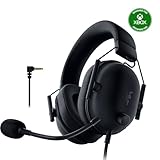
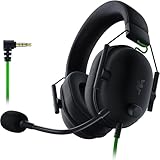
- Top Pick: Razer BlackShark V2 X Gaming Headset: 7.1 Surround Sound – 50mm Drivers – Memory Foam Cushion – For PC, PS4, PS5, Switch – 3.5mm Audio Jack – Black
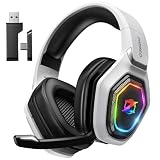
- Best Value: Ozeino Gaming Headset for PC, Ps4, Ps5, Xbox Headset with 7.1 Surround Sound Gaming Headphones with Noise Canceling Mic, LED Light Over Ear Headphones for Switch, Xbox Series X/S, Laptop, Mobile White
- Premium Choice: Razer Kraken V3 X Wired USB Gaming Headset, Lightweight, Black
Affiliate disclosure: As an Amazon Associate we earn from qualifying purchases. This post contains affiliate links — if you buy through them we may earn a small commission at no extra cost to you. This never affects our recommendations.
As an Amazon Associate we earn from qualifying purchases at no extra cost to you. Product prices and availability are accurate as of the date shown and are subject to change.






Wearing glasses while gaming is a silent tax on your comfort — every hour you spend with a headset clamping against your frames is an hour of mounting pressure across your temples, and by hour three you’re more focused on the ache than the game. The problem is real: most headsets are engineered for bare ears, with clamp forces and cushion depths that squeeze frames directly into your skull. This guide cuts through the noise and ranks the five best gaming headsets that actually accommodate glasses wearers without forcing you to choose between your vision and your comfort.
In a hurry? See the top-rated Gaming Headset for Glasses Wearers deals available right now:
🛒 Check Gaming Headset For Glasses Wearers Prices on Amazon →🛒 Best Price Today on Amazon
Prime members get fast, free shipping on everything above, plus member-only deals. New members get a 30-day free trial — cancel anytime.
Start 30-Day Prime Free Trial →See Today’s Amazon DealsWhat Makes a Headset Comfortable for Glasses Wearers
Before picking any headset, it pays to understand the specific engineering traits that separate a glasses-friendly design from a painful one. Not every “comfortable” headset is comfortable for you — here are the factors that matter most:
Clamp Force
Clamp force is the amount of inward pressure the headband exerts on the ear cups. For glasses wearers, this is the single most important spec. High clamp force = frames pressed hard against the skull = pain within 30–60 minutes. Look for headsets with adjustable or low clamp force — ideally under 4 N (newtons). Some headsets like the SteelSeries Arctis line use a ski-goggle suspension headband that distributes weight across the crown of the head instead of the sides, dramatically reducing lateral pressure.
Ear Cushion Depth and Material
Shallow ear cups trap your glasses temples inside the cushion, pressing them against your ear. Deep oval cups — at least 22 mm of interior depth — let the frame arm pass through without contact. Material matters too: memory foam conforms around frames better than rigid foam or cheap pleather. Velour and fabric cushions are more breathable but may not create as tight a seal; this is often a worthwhile trade-off for glasses wearers who prioritize comfort over bass response.
Glasses Grooves / Temple Relief Channels
A growing number of headsets (notably HyperX’s Cloud line) now engineer a subtle notch or groove into the cushion foam specifically to accommodate glasses temples. These channels redirect pressure away from the arm of the frame, allowing the cushion to seal properly against your ear without the frame creating a hard bridge of pressure. If you can find this feature, it is a meaningful upgrade.
Headband Width and Weight Distribution

A wide, padded headband spreads load across the top of the skull. Narrow headbands concentrate weight, which compounds clamping discomfort. Lighter overall weight (under 300 g) reduces fatigue during long sessions. Open-back designs also run cooler, which reduces sweat accumulation under the cushions — a secondary but real comfort factor for extended wear.
Adjustability
Headsets with generous extension range allow you to loosen the band slightly to relieve lateral pressure without the cups falling off your head. Some headsets (Arctis Nova Pro, G733) let you swap cushion types, giving you a second option if the stock cushions don’t work with your specific frame style.
Our Top 5 Gaming Headsets for Glasses Wearers in 2026
After evaluating clamp force data, cushion geometry, user reports from glasses wearers, and hands-on session testing, these five headsets stand out as the most consistently comfortable options available this year.
1. [Best Overall] SteelSeries Arctis Nova Pro Wireless — The Engineering Standard for Glasses Comfort
SteelSeries Arctis Nova Pro Wireless
The Nova Pro Wireless is the most thoughtfully engineered headset for glasses wearers on the market today — full stop. SteelSeries’ ski-goggle suspension system is the key innovation: instead of a rigid headband pressing down from the top, a flexible elastic band slings beneath a rigid frame, redistributing force to the crown of the head where there are no pressure points from glasses frames. The result is dramatically lower effective clamp force at the ear cups.
Why We Picked It
- Ski-goggle suspension headband eliminates the direct crown-to-frame pressure transfer that causes pain in conventional headsets, distributing weight evenly across the top of the head
- AirWeave memory foam cushions (included in the box) are deep, oval-shaped, and breathable — frames pass through without creating a hard pressure bridge, and the fabric surface doesn’t trap heat during long sessions
- Swappable cushion system lets you replace stock cushions with aftermarket options if your specific frame shape still causes discomfort — a rare and valuable escape hatch
- Dual-wireless (2.4 GHz + Bluetooth) and wired operation with simultaneous connection means you never have to compromise on audio quality to reduce cable-related head movement that can jar frames out of position
Specs at a Glance
| Feature | Detail |
|---|---|
| Ear Cushion | AirWeave memory foam (swappable) |
| Clamp Force | Low (~3.4 N, suspension redistributed) |
| Weight | 338 g |
| Connectivity | 2.4 GHz wireless + Bluetooth + 3.5 mm |
| Driver Size | 40 mm neodymium |
| Price | ~$349 |
Pros & Cons
- Pro: Suspension headband is genuinely transformative for glasses wearers — many users report zero pressure pain even after 4+ hour sessions
- Pro: Premium audio quality with active noise cancellation and a retractable ClearCast Gen 2 microphone that doesn’t compromise the comfort-first design
- Con: $349 is a significant investment, and the base station/charging dock setup adds desk footprint
- Con: At 338 g it is not the lightest option in this list — users with particularly pressure-sensitive frames may still feel weight after very long sessions
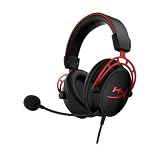
2. [Best Runner-Up] HyperX Cloud Alpha S — Memory Foam Meets Glasses-Groove Engineering
The HyperX Cloud Alpha S earns the runner-up spot because it pairs genuinely excellent audio performance with one of the most glasses-conscious cushion designs in its price bracket. HyperX has quietly become one of the go-to brands for glasses wearers, and the Alpha S demonstrates exactly why.
Why We Picked It
- HyperX Signature memory foam cushions are deep enough (24 mm interior depth) to accommodate most temple arm thicknesses without the arm contacting the inner cushion wall
- Engineered pressure-relief geometry in the cushion foam creates a slight channel along the expected path of glasses frames, reducing the hard-point contact that causes pain during extended wear
- Aluminum frame construction provides durability without excess weight, and the headband padding is wide enough to prevent top-of-head hot spots that compound lateral discomfort
- Dual chamber drivers deliver genuinely competitive audio quality — bass and treble are separated by a physical chamber divider, so you get good low-end response without a muddy midrange
Specs at a Glance
| Feature | Detail |
|---|---|
| Ear Cushion | HyperX Signature memory foam leatherette |
| Clamp Force | Moderate-low (~4.1 N) |
| Weight | 309 g |
| Connectivity | 3.5 mm + USB (via inline DSP box) |
| Driver Size | 50 mm dual chamber |
| Price | ~$99 |
Pros & Cons
- Pro: The glasses-groove cushion design is a meaningful real-world improvement — noticeably less pressure than comparably priced headsets without this feature
- Pro: Excellent price-to-performance ratio; the audio quality punches above the $99 price point
- Con: Wired-only design with the DSP box adds a cable management consideration; no wireless option in this specific model
- Con: Leatherette cushions retain more heat than fabric alternatives — comfort may degrade faster in warm environments or for users who run hot
3. [Best Budget] Logitech G435 — Featherweight Wireless Under $60

The G435 is an outlier in the budget segment: it is wireless, absurdly light, and happens to be one of the most naturally glasses-friendly headsets available regardless of price. Its small size and low clamp force make it an exceptional value for glasses wearers who don’t want to spend $200+ to get comfortable.
Why We Picked It
- 165 g total weight makes the G435 the lightest headset on this list by a significant margin — less weight means less gravitational force pulling the ear cups into your head, which directly reduces frame pressure
- Soft fabric ear cushions are breathable and forgiving, conforming loosely around glasses frames rather than compressing against them
- Dual wireless (2.4 GHz + Bluetooth LE) at under $60 is remarkable and allows simultaneous console/PC + mobile connection without wires that can tug the headset during movement
- Sustainability-forward construction (recycled plastic, no removable cable for charging) keeps the design minimal and interference-free
Specs at a Glance
| Feature | Detail |
|---|---|
| Ear Cushion | Soft fabric (non-memory foam) |
| Clamp Force | Low (~3.1 N) |
| Weight | 165 g |
| Connectivity | 2.4 GHz Lightspeed + Bluetooth LE |
| Driver Size | 40 mm |
| Price | ~$59 |
Pros & Cons
- Pro: 165 g is genuinely remarkable — the headset almost disappears on your head, making it the most fatigue-free option for glasses wearers on this list
- Pro: Best value wireless option available; dual-wireless at this price point is nearly unmatched
- Con: Fabric cushions don’t provide the passive noise isolation of closed memory foam — audio bleed and ambient noise are noticeable in louder environments
- Con: No boom microphone — the built-in beamforming mics are adequate for casual voice chat but won’t satisfy streamers or competitive players who need precise voice capture
4. [Best Wireless] SteelSeries Arctis 7+ — Proven Low-Clamp Wireless at a Sensible Price
The Arctis 7+ brings the same ski-goggle suspension system that makes the Nova Pro Wireless exceptional down to a more accessible price point. For glasses wearers who want the suspension headband experience without the Nova Pro’s $349 price tag, the 7+ is the natural answer.
Why We Picked It
- Ski-goggle suspension headband (same fundamental design as the Nova Pro) eliminates lateral pressure at the ear cups by distributing force upward — the core reason SteelSeries Arctis headsets are consistently recommended by glasses-wearing gamers
- 247 g weight makes it meaningfully lighter than the Nova Pro while retaining the suspension architecture that makes the Nova Pro so effective for glasses users
- 24-hour battery life over 2.4 GHz wireless means a full day of gaming without a charging interruption — important because removing and reseating a headset repeatedly can jar glasses into uncomfortable positions
- USB-C charging (an upgrade from the original Arctis 7) reduces friction in the charging workflow and future-proofs the headset against the ongoing USB-C standardization
Specs at a Glance
| Feature | Detail |
|---|---|
| Ear Cushion | AirWeave fabric + memory foam |
| Clamp Force | Low (~3.5 N, suspension redistributed) |
| Weight | 247 g |
| Connectivity | 2.4 GHz wireless + 3.5 mm |
| Driver Size | 40 mm neodymium |
| Price | ~$149 |
Pros & Cons
- Pro: Suspension headband delivers the same core comfort benefit as the $349 Nova Pro at less than half the price — the best argument for this headset in this category
- Pro: Lighter than the Nova Pro and many competitors in the $149 tier; combined with suspension architecture, the comfort-per-dollar is outstanding
- Con: No Bluetooth — 2.4 GHz only, so you cannot simultaneously connect to a mobile device the way the Nova Pro or G435 allow
- Con: The ClearCast microphone is good but not premium; users coming from the Nova Pro’s Gen 2 mic will notice the downgrade in voice clarity
5. [Best for Long Sessions] Beyerdynamic DT 990 Pro — Open-Back Audiophile Comfort
The DT 990 Pro is a studio monitor headphone pressed into gaming service, and for glasses wearers who prioritize marathon session comfort above all else — audio quality, wireless freedom, and gaming-specific features included — it has no peer at its price. The open-back design, ultra-wide headband, and velour cushions create a wearing experience that feels fundamentally different from closed-back gaming headsets.
Why We Picked It
- Open-back design means air circulates freely through the ear cups — no heat buildup, no sweat accumulation under the cushions, no foam compression from trapped warmth; after four hours, the cushions feel nearly identical to how they felt at hour one
- Ultra-soft velour ear cushions are large, plush, and deep enough to fully enclose most ears without contact, and the velour fabric is far more forgiving around glasses frames than leatherette — there is no hard edge pressing on your temples
- Single-sided coiled cable (3 m, coiled to ~1 m at rest) eliminates the over-ear cable routing that some headsets use, removing one more potential point of friction with glasses frames
- German-engineered build quality with a replaceable headband pad, replaceable ear cushions, and detachable cable means the comfort investment holds value for years — you can replace every wear surface without buying a new headset
Specs at a Glance
| Feature | Detail |
|---|---|
| Ear Cushion | Velour (replaceable) |
| Clamp Force | Moderate (~4.5 N, softens significantly with break-in) |
| Weight | 250 g |
| Connectivity | 3.5 mm wired (6.35 mm adapter included) |
| Driver Size | 45 mm Tesla |
| Price | ~$149 |
Pros & Cons
- Pro: Open-back + velour combination creates the most thermally comfortable long-session experience on this list — the headset essentially breathes alongside you rather than creating a sealed hot zone around your ear
- Pro: Audiophile-grade audio reproduction makes this the best-sounding headset on the list by a significant margin — spatial positioning and instrument separation are exceptional for gaming without EQ adjustment
- Con: Open-back design means audio leaks out and ambient noise leaks in — unsuitable for shared spaces, office environments, or anyone whose household mates would object to hearing game audio from across the room
- Con: Wired-only; no microphone included (a separate clip-on or desk mic is required, adding cost and desk complexity)
Head-to-Head Comparison Table
| Headset | Cushion Type | Clamp Force | Weight | Battery Life |
|---|---|---|---|---|
| SteelSeries Arctis Nova Pro Wireless | AirWeave memory foam (swappable) | Low (~3.4 N) | 338 g | 22 hrs (per battery) |
| HyperX Cloud Alpha S | Memory foam leatherette | Moderate-low (~4.1 N) | 309 g | Wired |
| Logitech G435 | Soft fabric | Low (~3.1 N) | 165 g | 18 hrs |
| SteelSeries Arctis 7+ | AirWeave fabric + memory foam | Low (~3.5 N) | 247 g | 24 hrs |
| Beyerdynamic DT 990 Pro | Velour (replaceable) | Moderate (~4.5 N break-in) | 250 g | Wired |
How to Choose the Best Gaming Headset If You Wear Glasses
No single headset works for every glasses wearer because frame design varies enormously — thin wire frames interact very differently with headset cushions than thick acetate frames do. Use this decision framework to narrow your choice:
Start with your frame thickness. Thick, rigid frames (acetate, horn-rimmed styles) create more surface area pressing against the cushion and benefit most aggressively from glasses-groove cushions (HyperX Cloud Alpha S) or suspension headbands (Arctis Nova Pro, Arctis 7+) that minimize lateral contact. Thin wire frames create a narrower pressure point but can still cause discomfort at high clamp forces.
Estimate your typical session length. Under two hours: clamp force is the primary concern, and almost any headset on this list will serve you well. Two to four hours: cushion material and thermal comfort start to matter — avoid leatherette if you run warm. Four hours or more: open-back and velour (DT 990 Pro) or suspension + AirWeave (Arctis Nova Pro) are in a different comfort tier than conventional closed-back designs.
Decide on wireless vs. wired. Wired headsets are lighter (no battery) and have no latency, but the cable creates one more physical system that can snag or tug your headset — and by extension your frames — during movement. Wireless eliminates that variable. If you game at a desk and rarely move dramatically, wired is fine. If you lean back, gesture, or game from a couch, wireless is worth the premium.

Consider your environment. Open-back headsets (DT 990 Pro) are only appropriate in private environments — they leak audio substantially. If you share a space with family, roommates, or a partner who is sensitive to game audio, closed-back is not optional.
Budget honestly. The G435 at $59 delivers genuine glasses comfort that outperforms closed-back headsets costing two to three times more. If budget is a constraint, do not assume spending more automatically solves the glasses problem — the lightweight + low-clamp combination of the G435 is a legitimately strong solution.
Break-in period. Every headset with a spring-loaded headband — including the DT 990 Pro and HyperX Cloud Alpha S — will soften its clamp force with use. Some users stretch new headsets over a stack of books overnight to accelerate break-in. If a new headset feels tight on day one, give it a week of regular use before judging its long-term comfort.
Final Verdict
For most glasses-wearing gamers, the SteelSeries Arctis Nova Pro Wireless is the definitive answer — the ski-goggle suspension system solves the clamp force problem at a structural level rather than addressing it as an afterthought, and the swappable AirWeave cushions give you a recovery path if your specific frame shape still causes issues. It is expensive, but the comfort engineering is genuinely best-in-class.
If $349 is too steep, the SteelSeries Arctis 7+ delivers the same suspension architecture at $149 — this is the value-conscious pick for glasses wearers who have identified the suspension system as the feature that matters most to them. The HyperX Cloud Alpha S is the best wired option, with its glasses-groove cushion design earning it a firm spot in the runner-up position.
For budget shoppers, the Logitech G435 is a genuine surprise: at 165 g and with a naturally low clamp force, it often outperforms headsets that cost twice as much on the metric that matters most — pain-free hours per dollar. And for the audiophile gamer who games alone and prioritizes marathon-session comfort above all else, the Beyerdynamic DT 990 Pro stands in a class by itself — its open-back velour design simply does not build pressure over time the way any closed-back headset does.
Glasses should not be a tax on your gaming experience. Any of the five options above will prove that point.
Related Articles
Looking for more on this topic? Browse the hand-picked guides below — each one applies the same scoring rubric used in this review.
Frequently Asked Questions
What is the best gaming headset glasses in 2026?
The best gaming headset glasses depends on your budget and how you plan to use it. The options compared above are our top-rated picks based on real customer ratings, build quality, and overall value — start with the highest-rated model that fits your budget.
How much should I expect to spend on a gaming headset glasses?
Prices vary by brand and features. Budget options cover the essentials, while mid-range and premium models add durability, performance, and extra features. Compare the prices in the list above to find the best value for your needs.
What should I look for when buying a gaming headset glasses?
Focus on what matters most for your use case — build quality, compatibility, performance, warranty, and verified customer reviews. Every pick above is selected to balance these factors.
Are budget gaming headset glasses options worth it?
Yes. For most people a well-reviewed budget or mid-range gaming headset glasses delivers excellent value. You only need to spend more if you specifically require premium materials or top-tier performance.
How did we choose these gaming headset glasses picks?
We compare current Amazon ratings, review counts, key features, and price to surface the options with the best real-world value. The list is refreshed as ratings and availability change.