Affiliate disclosure: As an Amazon Associate we earn from qualifying purchases. This post contains affiliate links — if you buy through them we may earn a small commission at no extra cost to you. This never affects our recommendations.
As an Amazon Associate we earn from qualifying purchases at no extra cost to you. Product prices and availability are accurate as of the date shown and are subject to change.
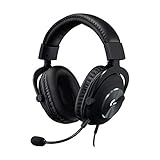


If you wear glasses and game for more than an hour at a time, you already know the pain — literally. That dull, mounting pressure where the headset’s ear cup clamps against your frames. The temple soreness that builds into a headache. The way you keep lifting one side of the headset hoping for a moment of relief. Standard gaming headsets are designed around bare heads, and glasses wearers pay the price.
The good news: manufacturers are finally paying attention. A growing number of headsets in 2026 ship with features that genuinely address the glasses problem — wider ear cups, lower clamping force, pressure-relief channels, and memory foam that molds around temples instead of crushing them. This guide ranks the five best options, explains exactly what to look for, and gives you a comparison table so you can choose without guesswork.
In a hurry? See the top-rated Gaming Headset for Glasses Wearers deals available right now:
🛒 Check Gaming Headset For Glasses Wearers Prices on Amazon →🛒 Best Price Today on Amazon
Prime members get fast, free shipping on everything above, plus member-only deals. New members get a 30-day free trial — cancel anytime.
Start 30-Day Prime Free Trial →See Today’s Amazon DealsQuick Comparison Table
| Headset | Ear Cup Depth | Clamping Force | Ear Pad Material | Weight | Wireless |
|---|---|---|---|---|---|
| SteelSeries Arctis Nova Pro Wireless | Deep | Zero (adjustable) | Memory foam + fabric | 338g | Yes |
| Beyerdynamic MMX 300 Pro | Deep | Low | Velour | 316g | No |
| Logitech G435 Lightspeed | Medium | Very low | Soft leatherette | 165g | Yes |
| Audio-Technica ATH-G1WL | Very deep | Low | Velour | 262g | Yes |
| Corsair HS80 RGB Wireless | Deep | Gentle | Memory foam leatherette | 360g | Yes |
Our Top Picks
1. SteelSeries Arctis Nova Pro Wireless
SteelSeries Arctis Nova Pro Wireless
The Arctis Nova Pro Wireless is the gold standard for glasses wearers who refuse to compromise on audio quality. SteelSeries’ signature ski-goggle headband design distributes weight across the top of the skull rather than clamping inward from the sides — meaning your temples get a break. Clamping force is fully adjustable and can be dialed down to near zero, which is genuinely rare in a flagship headset.
The ear cups are generously deep, filled with memory foam and wrapped in a breathable fabric-and-foam hybrid that conforms around glasses temples rather than flattening against them. After four or five hours of gaming, there is a meaningful difference between this and a standard leatherette cup. Dual-wireless connectivity (Bluetooth + 2.4GHz), a hot-swappable battery system, and ANC make this the most feature-complete headset on this list. The price is steep at $349, but for daily glasses wearers who game seriously, it earns every cent.
Pros
- Zero adjustable clamping force — best-in-class for glasses comfort
- Ski-goggle headband eliminates top-of-head pressure transfer
- Deep memory foam cups mold around frames naturally
- Dual wireless + ANC + hot-swap battery
- Excellent audio quality for gaming and music
Cons
- $349 is a significant investment
- Heavier than budget options at 338g
- Software (SteelSeries GG) required to unlock full features
2. Beyerdynamic MMX 300 Pro
Beyerdynamic’s audio engineering heritage shows up clearly in the MMX 300 Pro — this is the headset for glasses wearers who prioritize sound quality over wireless convenience. The velour ear pads are the standout feature for glasses users: velour is naturally softer and more compressible than leatherette, so it gives way around your temple arms rather than pressing back. Combined with wide, roomy ear cups and a low lateral clamping force, extended sessions stay comfortable in a way that most gaming headsets simply do not deliver.
The wired connection (standard 3.5mm plus detachable boom mic) actually works in your favor here — no wireless latency concerns, no battery management, and the lighter cable weight means the headset sits more neutrally on your head. At $179, the MMX 300 Pro sits in a premium-but-not-extreme price tier. It lacks RGB and software ecosystems, which is a feature for people who want a headset that just works.
Pros
- Velour pads are among the most glasses-friendly materials available
- Low clamping force with wide ear cups for generous fit
- Exceptional audio clarity — Hi-Res Audio certified
- No software dependency, no wireless pairing headaches
- Durable build quality consistent with Beyerdynamic’s reputation
Cons
- Wired only — no wireless option
- No active noise cancellation
- Minimalist aesthetic won’t appeal to RGB enthusiasts
- Boom mic is functional but not studio-grade
3. Logitech G435 Lightspeed

At 165 grams, the G435 is nearly half the weight of most gaming headsets, and that changes the glasses-comfort equation entirely. When a headset weighs almost nothing, even modest clamping force stops being a problem — there is simply less mass pressing the ear cups inward. Logitech engineered the G435 specifically with glasses wearers in mind, and the soft ear cushions with their relaxed lateral pressure confirm that intent.
The G435 also runs dual wireless (Lightspeed 2.4GHz and Bluetooth simultaneously), which is impressive at a $59 price point. Battery life clocks in at 18 hours. Audio quality is competent rather than audiophile — you will hear your games clearly and comfortably, though the soundstage and low-end response do not match the Arctis Nova or MMX 300. For casual to mid-core gamers who want wireless freedom without paying flagship prices, the G435 is the most practical glasses-friendly option on this list.
Pros
- 165g — exceptionally lightweight, eliminates most clamping pressure
- Designed explicitly with glasses wearers in mind
- Wireless + Bluetooth dual connectivity
- Excellent value at ~$59
- No external mic dongle required (integrated beam-forming mic)
Cons
- Audio quality is adequate, not exceptional
- Ear cups are medium-depth — very thick temples may still feel mild pressure
- No active noise cancellation
- Lighter plastic build feels less premium than higher-tier options
4. Audio-Technica ATH-G1WL
Audio-Technica approached the glasses problem from a different angle. The ATH-G1WL uses an open-air acoustic design — the ear cups are physically deeper than most closed-back headsets, which creates more space for your glasses temples to sit without pressing against the driver housing. The velour pads add compressibility. The result is a headset where glasses fit inside the ear cup seal rather than under it, which is the ideal scenario for comfort.
The open-back design means sound leaks in and out, so this is not a headset for shared spaces or office gaming. But for solo sessions in a quiet room, the open soundstage is genuinely enjoyable — instruments and game audio have room to breathe. Wireless range is solid at 15 meters, and battery life reaches approximately 15 hours. At $149, the ATH-G1WL delivers strong value for glasses wearers who game in controlled environments.
Pros
- Very deep ear cups create interior space for glasses temples
- Open-air design produces a wide, natural soundstage
- Velour pads soft and compressible around frames
- Lightweight at 262g for a wireless headset
- Solid wireless range and battery life
Cons
- Open-back design leaks sound — not suitable for shared spaces
- No active noise cancellation (by design)
- Less bass presence than closed-back alternatives
- Available in limited color options
5. Corsair HS80 RGB Wireless
The Corsair HS80 RGB Wireless is the comfort-focused entry in Corsair’s lineup, and it shows in the ear pad design. The memory foam leatherette pads are thicker than the standard HS series and apply noticeably gentler lateral clamping — Corsair clearly tuned this for extended sessions. The wide headband distributes weight evenly and prevents the crown pressure that can compound discomfort for glasses wearers.
Dolby Atmos support and a solid broadcast-quality microphone push the HS80 into legitimate content-creator territory. At $99, it is the best mid-range option for glasses wearers who want wireless, RGB lighting for a setup aesthetic, and genuinely comfortable long-session wear without spending flagship money. The Slipstream wireless delivers reliable low-latency performance, and the 20-hour battery is among the better figures in this price range.
Pros
- Memory foam leatherette pads with gentle, glasses-friendly clamping
- Wide headband for even weight distribution
- Dolby Atmos spatial audio support
- Strong 20-hour battery life
- Good microphone quality for the price tier
Cons
- Leatherette retains more heat than velour over long sessions
- Heavier than the G435 at 360g
- iCUE software can be resource-intensive
- RGB lighting offers limited brightness compared to flagship Corsair products
How to Choose the Best Gaming Headset for Glasses Wearers
Why Standard Headsets Hurt Glasses Wearers
Most gaming headsets are engineered around a single pressure axis: top-to-bottom, through the headband. For bare-headed users, this creates a manageable, even pressure. Glasses wearers introduce a hard variable — temple arms that run exactly where the ear cup seal needs to sit. The ear cup presses against the frame, the frame presses against the skull, and the longer you wear the headset, the more that localized pressure accumulates into soreness, headaches, and the urge to quit.

The problem compounds with time. Tissue under sustained compression loses its cushioning effect. What feels fine at minute five becomes painful by hour two. Standard headsets are not designed around this reality — the good ones on this list are.
Clamping Force and Ear Pad Depth
Clamping force is the lateral pressure a headset applies to hold itself against your head. It is measured in grams-force and rarely published by manufacturers, but you can feel it immediately when you put a headset on. For glasses wearers, lower clamping force means the ear cups press the frame against your skull with less force — which directly reduces temple pain.
Ear cup depth matters because it determines whether your glasses temples sit inside or outside the ear cup. A deep cup (typically 25mm or more) creates interior space for the temple arm to rest without bearing against the driver housing. When the temple sits inside the seal rather than under it, pressure is distributed across the soft pad surface rather than concentrated at one hard point.
Look for headsets that advertise adjustable tension, extra-deep ear cups, or specifically mention glasses compatibility in their product copy. These are genuine engineering decisions, not marketing language.
Ear Pad Materials for Glasses Comfort
Velour is the best pad material for glasses wearers. It is soft, compressible, and breathable. When a velour pad meets a glasses temple, it deforms around the frame rather than pressing back against it. The trade-off is durability — velour wears faster than leatherette and collects debris.
Memory foam leatherette is a strong second choice. The foam layer allows meaningful compression at the contact point, which mimics some of velour’s give. Leatherette retains more heat but holds its shape longer.
Standard leatherette (without memory foam) offers the least give. It maintains consistent pressure across the entire ear cup surface, which means your temple arm gets the same unrelenting contact for the entire session.
Fabric-and-foam hybrids, like the Arctis Nova Pro uses, combine breathability with moderate compression. They perform well in warm environments where velour can become uncomfortable.
Headband Design and Pressure Points
The headband determines how weight is distributed across your skull. Conventional rigid headbands concentrate pressure at the apex of the head — this is generally fine, but for glasses wearers already managing temporal pressure, any additional discomfort compounds the problem.

Suspension headbands (fabric or elastic sling designs, popularized by SteelSeries’ Arctis line) shift the contact point to the outer perimeter of the skull and allow the headset to float slightly. This reduces total crown pressure and gives the system more adaptability to head shape. Wide padded headbands distribute the load across a larger surface area, which achieves a similar result through a different mechanism. Both are meaningfully better for glasses wearers than narrow rigid headbands.
Open-Back vs Closed-Back for Glasses Users
Open-back headsets have perforated or mesh ear cups that allow air and sound to flow freely. Because they do not need to create an acoustic seal against the head, they can be designed with looser lateral clamping — they do not need to press as hard to function. This makes many open-back designs inherently friendlier to glasses wearers. The Audio-Technica ATH-G1WL on this list exploits exactly this advantage.
The trade-off is environmental isolation. Open-back headsets bleed sound in both directions — ambient noise enters, your audio leaks out. For solo gaming in a quiet room, this is irrelevant. For shared spaces, streaming setups where your microphone will pick up headset output, or offices, closed-back designs are the practical choice.
Closed-back headsets require a tighter seal to perform as designed, which means they structurally need more clamping force and deeper pads to compensate. The best closed-back options on this list — the Arctis Nova Pro and HS80 — solve this through deep memory foam cups and adjustable tension rather than simply clamping harder.
Final Verdict
For most glasses wearers, the SteelSeries Arctis Nova Pro Wireless is the definitive answer. The adjustable zero-clamping-force system, deep memory foam cups, and ski-goggle headband design solve the glasses problem as completely as current technology allows. If the $349 price is the barrier, the Corsair HS80 RGB Wireless at $99 delivers the same wireless + memory foam formula at a fraction of the cost with an acceptable comfort trade-off.
Budget-conscious buyers should go straight to the Logitech G435 — at 165 grams, it sidesteps the clamping force problem through sheer lightness. Audiophiles who game wired will not find a better glasses-friendly option than the Beyerdynamic MMX 300 Pro. And solo gamers in quiet rooms who want maximum soundstage and a genuinely spacious ear cup fit should look hard at the Audio-Technica ATH-G1WL.
The right headset for glasses wearers is not the one with the best specs sheet — it is the one that is still comfortable at hour three. Every pick on this list passes that test.
Related Articles
Looking for more on this topic? Browse the hand-picked guides below — each one applies the same scoring rubric used in this review.
Frequently Asked Questions
What is the best gaming headset glasses friendly in 2026?
The best gaming headset glasses friendly depends on your budget and how you plan to use it. The options compared above are our top-rated picks based on real customer ratings, build quality, and overall value — start with the highest-rated model that fits your budget.
How much should I expect to spend on a gaming headset glasses friendly?
Prices vary by brand and features. Budget options cover the essentials, while mid-range and premium models add durability, performance, and extra features. Compare the prices in the list above to find the best value for your needs.
What should I look for when buying a gaming headset glasses friendly?
Focus on what matters most for your use case — build quality, compatibility, performance, warranty, and verified customer reviews. Every pick above is selected to balance these factors.
Are budget gaming headset glasses friendly options worth it?
Yes. For most people a well-reviewed budget or mid-range gaming headset glasses friendly delivers excellent value. You only need to spend more if you specifically require premium materials or top-tier performance.
How did we choose these gaming headset glasses friendly picks?
We compare current Amazon ratings, review counts, key features, and price to surface the options with the best real-world value. The list is refreshed as ratings and availability change.
Ready to decide? Our #1 pick for 2026 is the Headset.
Live price & availability on Amazon.