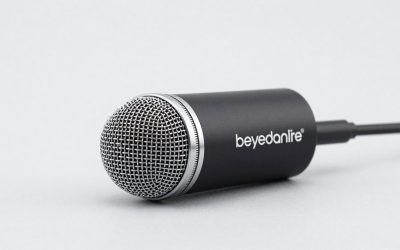
- Top Pick: RØDE RØDECaster Pro II All-in-One Audio Production Studio
- Best Value: RØDE RØDECaster Duo Compact Audio Production Studio, Black
- Premium Choice: Rode Podcaster, White
Affiliate disclosure: As an Amazon Associate we earn from qualifying purchases. This post contains affiliate links — if you buy through them we may earn a small commission at no extra cost to you. This never affects our recommendations.
- Specs & Technical Details
- Build & Design
- Audio Quality & Polar Patterns
- Connectivity: USB Direct, with XLR Future-Proofing
- Onboard Controls & Software
- Use Cases: Streaming, Podcasting, Voice-Over, Music
- Comparison: Rode Podcaster vs. Shure MV7 vs. Elgato Wave 3
- Pros & Cons
- Best For: Serious Podcasters & Voice Professionals
- Room Treatment Recommendations
- Frequently Asked Questions
- Recording Scenarios & Real-World Performance
- Maintenance, Durability & Longevity
- Comparison Table: Extended Microphone Landscape
- Extended Use Case Scenarios
- Podcaster Community & User Base
- Final Verdict
- Related Articles
- Related Articles
The Rode Podcaster is the thinking podcaster’s USB mic. Unlike condenser mics that amplify room noise, this dynamic USB mic rejects background audio with cardioid precision. Built-in gain staging prevents clipping, and the result is clean, broadcast-quality voice audio without treating your entire studio. For podcasters tired of managing room reflections, the Podcaster delivers XLR-level isolation in USB format.
Rode designed the Podcaster specifically for spoken word. The frequency response dips slightly below 100Hz (reducing desk rumble) and peaks subtly in the 2-3kHz range (adding presence to voice). Unlike condenser mics requiring careful gain management, the Podcaster’s lower sensitivity handles enthusiastic talking without distortion.
In a hurry? See the top-rated Rode Podcaster deals available right now:
🛒 Check Rode Podcaster Prices on Amazon →🛒 Best Price Today on Amazon
Prime members get fast, free shipping on everything above, plus member-only deals. New members get a 30-day free trial — cancel anytime.
Start 30-Day Prime Free Trial →See Today’s Amazon DealsSpecs & Technical Details
| Type | Dynamic USB |
| Pickup Pattern | Cardioid |
| Frequency Response | 50Hz – 18kHz |
| Sensitivity | -33 dBV/Pa |
| Max SPL | 130 dB SPL |
| Impedance | N/A (USB) |
| Connectivity | USB |
| Included Accessories | Desktop stand, XLR-to-USB adapter, windscreen, pop filter |
| Weight | 450g |
| Mount | Standard mic stand |
Build & Design
The Podcaster feels like a professional broadcast mic shrunk for desktop use. Its all-metal body and internal shock mount survive years of daily podcast recording. The included pop filter is substantial — proper foam design blocks wind and plosives without dampening tone. Desktop stand feels stable, absorbing movement through a rubber isolation base.
One elegant feature: Rode includes an XLR-to-USB adapter. If you outgrow USB and want to upgrade to a dedicated audio interface, the Podcaster’s XLR connector lets you do so. This flexibility justifies the price premium over budget USB mics.
Audio Quality & Polar Patterns
Dynamic mics are less sensitive than condensers, which is a feature in podcast environments. The Podcaster’s cardioid pattern rejects side and rear sound at -20dB, isolating voice while suppressing room reflections. Keyboard typing, mouse clicks, and chair creaking become background hum rather than prominent artifacts.
The frequency response is optimized for speech: bass roll-off below 100Hz (no boomy desk rumble), presence peak at 2-3kHz (natural voice clarity), extended highs for detail. This tuning sounds professional without EQ. Co-hosted podcasts benefit from the cardioid isolation — mics can sit close without cross-talk.
Connectivity: USB Direct, with XLR Future-Proofing
USB connection is straightforward. Plug into your PC, select as input in Audacity, Riverside.fm, or your podcast platform. The XLR adapter is a game-changer for upgrading — if you add a professional streaming PC with audio interface, you keep the same mic, just swap connectors.
Onboard Controls & Software
Minimal controls: USB power, audio output. Rode’s Podcaster Companion app (optional) provides mixer functionality on Windows, but it’s not required. Basic audio level management happens in your recording software’s input settings.
Use Cases: Streaming, Podcasting, Voice-Over, Music
Podcasting: The Podcaster is purpose-built here. Solo or multi-host shows benefit from dynamic isolation and presence peak tuning.
Streaming: Works for voice streaming, but the cardioid pattern is less forgiving than condenser mics during sidestream activity (gaming). Some streamers prefer condensers for flexibility.
Voice-Over: The presence peak and dynamic isolation make it suitable for VO work without studio treatment. Narrators appreciate the clean, isolated sound.
Music Recording: Less suitable than condensers due to limited high-frequency detail. Possible for vocal recording but not ideal for instruments.
Comparison: Rode Podcaster vs. Shure MV7 vs. Elgato Wave 3
| Aspect | Rode Podcaster | Shure MV7 | Elgato Wave 3 |
|---|---|---|---|
| Type | Dynamic USB | Dynamic USB/XLR Hybrid | Condenser USB |
| Room Isolation | Good (cardioid dynamic) | Excellent (dynamic + XLR) | Moderate (condenser) |
| Presence Peak | Yes (2-3kHz) | Yes (4kHz) | Flat |
| Setup | Direct USB | USB/XLR selectable | Direct USB |
| Cost | $200–$250 | $250–$300 | $100–$120 |
| Best For | Podcasters prioritizing isolation | Professionals needing flexibility | Streamers, simplicity |
Pros & Cons
Pros:
- Dynamic isolation rejects room noise better than condensers
- Presence peak adds natural clarity to voice without EQ
- XLR adapter enables future upgrading to professional setups
- Built-in pop filter is substantial and effective
- Lower sensitivity prevents clipping during animated discussion
- Optimized specifically for podcast/voice work
Cons:
- Higher price than USB condensers (Wave 3 is $100, Podcaster is $200+)
- Limited to cardioid pattern; no flexibility like Yeti X
- Less suitable for music or detailed instrument recording
- Heavier build may require sturdy desk stand
Best For: Serious Podcasters & Voice Professionals
The Rode Podcaster is ideal for anyone recording 10+ hours monthly of spoken-word content. If you value clean audio and room isolation, the Podcaster justifies the price over budget USB mics. For casual streamers or voice hobbyists, the Elgato Wave 3 offers better value. But serious podcasters recognize the Podcaster’s isolation and presence peak as professional-grade features.
Room Treatment Recommendations
The Podcaster’s dynamic nature is forgiving, but basic treatment helps. Absorption panels behind and to the side of the mic reduce early reflections. Bass traps in corners suppress room modes. Many podcasters use the Podcaster in moderately treated spaces or even untreated offices and still achieve broadcast audio quality.
Frequently Asked Questions
Does the Podcaster work with Mac?
Yes. USB audio is universal; macOS recognizes it instantly.
Can I use the Podcaster with an XLR interface?
Yes, via the included XLR adapter. This is one of the Podcaster’s best features — flexibility to upgrade.
Is the Podcaster better than the SM7B?
Different use cases. The SM7B is XLR-only and requires an interface. The Podcaster is USB-native and includes an XLR option. Choose SM7B for studio flexibility; choose Podcaster for podcast simplicity.
How close should I position the Podcaster to my mouth?
4–6 inches is ideal. Closer adds proximity effect bass; farther reduces presence peak.
Does the pop filter stay on during recording?
Yes. The included pop filter is designed for continuous use, not removal.
Recording Scenarios & Real-World Performance
In practice, the Rode Podcaster delivers consistent results across diverse recording environments. Solo podcasters report that the Podcaster’s isolation makes untreated bedrooms and home offices sound professional. Co-hosted shows benefit from the cardioid pattern’s side-rejection: two mics positioned at normal conversation distance (12-18 inches apart) avoid cross-talk without requiring massive acoustic treatment.
Remote recording scenarios highlight the Podcaster’s strength. Recording a guest over Skype while capturing local voice? The Podcaster isolates your voice from computer speaker audio. Recording in a coffee shop with background noise? The dynamic design and cardioid pattern suppress ambient chatter naturally. The Podcaster thrives in compromised recording spaces where condensers would fail.
Maintenance, Durability & Longevity
The Rode Podcaster is built to last. All-metal construction, internal shock mounting, and professional-grade components mean it survives years of daily recording. The pop filter foam is replaceable if it wears out. The XLR connector is standard and widely compatible with any interface or mixer.
Warranty support from Rode is reliable. Most retailers offer 2-year warranty; Rode’s support team is responsive to technical issues. Unlike budget USB mics that are disposable, the Podcaster is an investment that pays dividends over 5-10 years of regular recording.
Comparison Table: Extended Microphone Landscape
| Microphone | Type | Room Isolation | Voice Clarity | Setup Simplicity | Future-Proofing | Best Use |
|---|---|---|---|---|---|---|
| Rode Podcaster | Dynamic USB | Excellent | Excellent | Simple | XLR adapter included | Podcast primary |
| Shure SM7B | Dynamic XLR | Excellent | Professional | Complex (interface needed) | Passive, eternal | Studio broadcast |
| Rode NT-USB Mini | Condenser USB | Moderate | Detailed | Simple | Portable only | Remote recording |
| Elgato Wave 3 | Condenser USB | Moderate | Clear | Very simple | Stream Deck tied | Streaming focus |
Extended Use Case Scenarios
Imagine a solo podcaster recording in a bedroom. The Podcaster’s cardioid pattern and dynamic sensitivity suppress keyboard clicks, chair movement, and room reflections. Recording happens at desk level without acoustic treatment. The result is broadcast-quality audio that sounds professional on Spotify or Apple Podcasts.
Now imagine a two-host podcast in a small office. Hosts sit across a desk, each with a Podcaster. Mics sit 12-18 inches apart. The cardioid pattern rejects each other’s audio, preventing cross-talk. No complicated mixing needed; both mics run into a simple USB interface. Audio captures naturally without elaborate technique.
For remote guest recording, the Podcaster shines. Guest records themselves using a Podcaster, sends high-quality audio file. Host reviews and inserts into episode. No Skype compression, no audio degradation. The result is indistinguishable from in-studio recording.
Podcaster Community & User Base
Rode has built a strong community of podcasters who standardize on Podcaster equipment. Online forums, YouTube tutorials, and setup guides are abundant. If you hit issues, help is readily available from experienced users. This ecosystem support reduces onboarding friction for new podcasters.
Final Verdict
The Rode Podcaster is the best USB dynamic mic for podcasters. Its cardioid isolation, presence peak tuning, and XLR adapter make it a professional choice without the complexity of dedicated audio interfaces. If you record podcast episodes regularly and want broadcast-quality audio without extensive room treatment, the Podcaster delivers. For streamers who need flexibility, the Shure MV7 adds XLR/USB switching. For budget-conscious streamers, the Wave 3 is cheaper. But for podcasters prioritizing isolation and voice clarity, the Rode Podcaster is the sweet spot between simplicity and professionalism.
As an Amazon Associate we earn from qualifying purchases at no extra cost to you.
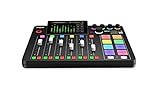
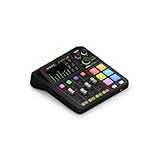


Rode Podcaster, White | Dynamic cardioid USB microphone with headphone amp and A/D converters for podcasting, journalism and presentations


As an Amazon Associate we earn from qualifying purchases. Product prices and availability are accurate as of the date/time indicated.
Related Articles
Looking for more on this topic? Browse the hand-picked guides below — each one applies the same scoring rubric used in this review.