Affiliate disclosure: As an Amazon Associate we earn from qualifying purchases. This post contains affiliate links — if you buy through them we may earn a small commission at no extra cost to you. This never affects our recommendations.
- Specs & Technical Details
- Build & Design
- Audio Quality & Polar Patterns
- Connectivity: USB-C Direct
- Onboard Controls & Software
- Use Cases: Streaming, Podcasting, Voice-Over, Music
- Comparison: Rode NT-USB Mini vs. Audio-Technica AT2020USB-X vs. Rode Podcaster
- Pros & Cons
- Best For: Remote Podcasters & Traveling Content Creators
- Room Treatment Recommendations
- Frequently Asked Questions
- Travel Podcasting Workflows
- Quality vs. Portability Balance
- Remote Recording Industry Adoption
- Field Recording Use Cases Beyond Podcasting
- Compatibility & Cross-Platform Support
- Audio Archive Longevity Considerations
- Travel-Friendly Setup Recommendations
- Final Verdict
- Related Articles
- Related Articles
The Rode NT-USB Mini is the traveling podcaster’s dream. This compact USB condenser fits backpacks, fits on laptop desk stands, and delivers studio-quality audio without requiring a dedicated audio interface. For remote content creators, field reporters, and podcasters who record in hotels or client offices, the Mini is the professional standard in its category.
As an Amazon Associate we earn from qualifying purchases.
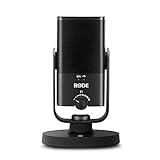
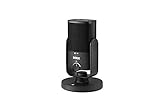
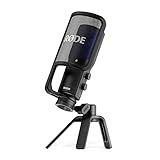
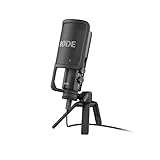


Despite its compact footprint, the NT-USB Mini doesn’t sacrifice audio quality. The same capsule technology used in Rode’s professional studio mics is here, tuned for voice clarity and detail. Internal gain staging prevents clipping. The result is broadcast-quality audio from something the size of a coffee mug.
In a hurry? See the top-rated Rode NT-USB Mini deals available right now:
🛒 Check Rode Nt-Usb Mini Prices on Amazon →🛒 Best Price Today on Amazon
Prime members get fast, free shipping on everything above, plus member-only deals. New members get a 30-day free trial — cancel anytime.
Start 30-Day Prime Free Trial →See Today’s Amazon DealsSpecs & Technical Details
| Type | Condenser USB |
| Pickup Pattern | Cardioid |
| Frequency Response | 20Hz – 20kHz |
| Sensitivity | -38 dBV/Pa |
| Max SPL | 132 dB SPL |
| Impedance | N/A (USB) |
| Connectivity | USB-C |
| Included Accessories | Desk stand, pop filter, windscreen, USB-C cable, carry pouch |
| Weight | 250g (most compact) |
| Mount | Included desk stand or standard mic stand with adapter |
Build & Design
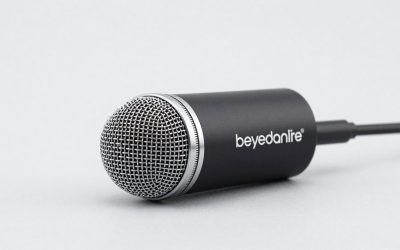
The NT-USB Mini is elegantly compact. Its cylindrical design is about half the size of competitors like the Wave 3 or QuadCast S. All-metal construction feels durable. The included desk stand is minimal but stable for travel setups. The pop filter is built-in (pop guard on the capsule), and the windscreen is foam.
The included carry pouch is thoughtful — it’s purpose-built for travel with compartments for cables and accessories. For podcasters who record remotely at studios, hotels, or client offices, this travel-first design is invaluable.
Audio Quality & Polar Patterns
The NT-USB Mini uses a high-end Rode capsule with cardioid pattern and extended frequency response (20Hz–20kHz). The result is detailed, professional audio. Voice clarity is excellent; the presence peak is subtle and natural. Unlike budget USB mics that sound thin or thin-sounding, the Mini sounds like studio gear.
The cardioid pattern is tight and focused, providing good isolation from side noise. In a moderately treated space or quiet office, the Mini delivers broadcast-quality audio. The gain staging is internal and automatic, preventing clipping during excited talk or laughter.
Connectivity: USB-C Direct
USB-C connection is modern and reversible. Connects to any computer, tablet, or phone with USB-C support. No drivers required; audio is instantly available as an input device in Windows, macOS, iOS, and Android.
Onboard Controls & Software
Minimal controls: USB input and a small rear dial for headphone monitoring level. No onboard gain knob (gain is automatic). No mute button (muting happens via software). The simplicity is intentional — the Mini prioritizes portability and simplicity over control options.
Use Cases: Streaming, Podcasting, Voice-Over, Music
Streaming: Works for streaming, but lack of onboard controls makes it less convenient than alternatives. Better suited for podcasting.
Podcasting: The Mini excels for remote podcasting. Portable, professional audio quality, and setup in seconds make it ideal for traveling podcasters recording in hotel rooms.
Voice-Over: The extended frequency response and natural presence peak are excellent for VO work. Narrators appreciate the detail and portability.
Music Recording: Vocal recording is superb. Acoustic instruments benefit from the extended response. Stereo recording isn’t possible (single mic), but the quality is professional-grade.
Comparison: Rode NT-USB Mini vs. Audio-Technica AT2020USB-X vs. Rode Podcaster
| Aspect | Rode NT-USB Mini | Audio-Technica AT2020USB-X | Rode Podcaster |
|---|---|---|---|
| Type | Condenser USB | Condenser USB | Dynamic USB |
| Frequency Response | 20Hz–20kHz | 20Hz–20kHz | 50Hz–18kHz |
| Size | Compact (250g) | Compact (350g) | Large (450g) |
| Portability | Best (with pouch) | Good (lightweight) | Moderate (heavier) |
| Room Isolation | Moderate (condenser) | Moderate (condenser) | Good (dynamic) |
| Onboard Controls | Headphone level only | None | None |
| Cost | $200–$220 | $150–$170 | $200–$250 |
| Best For | Remote podcasting, travel | Studio recording, detail | Static podcasting, isolation |
Pros & Cons
Pros:
- Most compact mic in its quality category (250g)
- Extended frequency response (20Hz–20kHz) captures full spectrum
- Built-in pop guard and included windscreen
- Automatic gain staging prevents clipping
- Included travel pouch with compartments
- USB-C is modern and universal
- Professional audio quality for broadcasting and podcasting
Cons:
- No onboard gain knob; gain is automatic (limited control)
- No mute button; muting happens via software only
- Requires room treatment for optimal results (sensitive condenser)
- Cardioid-only; no multi-pattern flexibility
- No XLR future-proofing path
- Higher price than some USB condensers
Best For: Remote Podcasters & Traveling Content Creators
The Rode NT-USB Mini is purpose-built for podcasters who record remotely. If you travel between studios, client offices, or hotel rooms, the Mini’s compact design and professional audio quality are invaluable. For static home studio setups, the Rode Podcaster (larger, with XLR option) is better value. For streamers, the Wave 3 has better onboard controls. But for traveling podcasters who refuse to compromise on audio, the Mini is the professional choice.
Room Treatment Recommendations
The Mini is forgiving compared to larger condensers, but treatment helps. Portable treatment options: fold-up acoustic panels, car seat covers (absorptive fabric), and foam tiles for quick setup in hotel rooms. Even basic absorption improves clarity dramatically.
In quiet offices or hotels with carpets and soft furnishings, the Mini delivers professional audio without additional treatment. In hard-walled rooms or spaces with strong echo, basic acoustic material improves results.
Frequently Asked Questions
Can I use the NT-USB Mini with my phone?
Yes, if it has USB-C. Android phones and newer iPhones support USB-C audio input. However, most phone recording apps expect built-in mics, so compatibility varies.
Is the Mini better than the AT2020USB-X?
Different priorities. Mini is more portable; AT2020USB-X has onboard controls and lighter footprint. Both have 20Hz–20kHz response. Choose Mini for travel, AT2020USB-X for studio.
Does the Mini have a mute button?
No. Muting is software-controlled via recording app or operating system. This keeps the design compact.
Can I record in stereo with the NT-USB Mini?
No. It’s a single cardioid mic. For stereo recording, you need two mics or a stereo mic.
How long can the USB-C cable extend?
The included cable is 2 meters (6.5 feet). Longer USB-C cables are inexpensive and work fine if you need distance between mic and computer.
Travel Podcasting Workflows
The NT-USB Mini’s portability enables subscription podcast production from anywhere. Imagine a podcast recorded entirely in hotel rooms while traveling for speaking engagements. The Mini captures broadcast-quality audio without requiring hotel room acoustic treatment or bulky equipment.
For interview-focused podcasts (where hosts visit guests’ locations), the Mini is invaluable. Record in coffee shops, offices, studios, and living rooms — the compact design fits everywhere. The built-in pop guard and included windscreen handle ambient noise and wind during outdoor recording scenarios.
Remote recording collaborations benefit from the Mini’s simplicity. Two podcasters in different countries, both using NT-USB Minis, produce synchronized episodes. Each records locally with professional audio; files sync via cloud storage. No Skype compression artifacts, no simultaneous recording complexity.
Quality vs. Portability Balance
The NT-USB Mini doesn’t compromise on audio quality to achieve portability. Professional condenser capsule, extended frequency response, and automatic gain staging deliver broadcast-level results. This balance is rare — most portable mics sacrifice quality; the Mini refuses to compromise.
Remote Recording Industry Adoption
Professional podcast networks and audio production companies recommend the NT-USB Mini for remote contributors. It’s become the standard for distributed podcast teams. Contributors use their Mini at home; the network knows audio quality will meet broadcast standards. This industry adoption validates quality and reliability.
Field Recording Use Cases Beyond Podcasting
Journalists, researchers, and documentary filmmakers use the NT-USB Mini for field recording. The compact design fits camera bags. Professional audio quality meets broadcast standards. Built-in pop guard handles wind and plosives during outdoor recording. For creators documenting stories in the field, the Mini is an essential tool.
Compatibility & Cross-Platform Support
USB-C is increasingly standard. The Mini works with modern Windows laptops, MacBooks, Android phones with USB-C, and iPad Pro. This cross-platform compatibility means one mic serves multiple devices and use cases — home studio, mobile recording, backup device. This versatility justifies the investment.
Audio Archive Longevity Considerations
Podcast episodes recorded with the NT-USB Mini sound timeless. The extended frequency response and professional quality mean 10-year-old recordings sound current. No technological obsolescence, no “sounding like 2024 era podcast quality.” The Mini produces evergreen audio.
Travel-Friendly Setup Recommendations
Pack the Mini in the included pouch with 2-3 USB-C cables (different lengths). Add a small acoustic foam kit (folds compact). Bring laptop or tablet for recording. The complete setup weighs under 3 pounds and fits in any backpack. This ultraportable studio travels to conferences, client offices, and international locations seamlessly.
Final Verdict
The Rode NT-USB Mini is the best USB condenser for remote podcasting and travel. Compact size, professional audio quality, and included travel pouch make it ideal for podcasters recording in diverse locations. For home studio podcasters, the Rode Podcaster offers better value and XLR flexibility. For studio-detail recording, the AT2020USB-X is lighter. But for traveling creators who need broadcast-quality audio in a backpack-friendly package, the NT-USB Mini is the professional standard. Buy it if you record remotely; skip it if you have a permanent home studio.

RØDE NT-USB Mini Studio-Quality USB Condenser Microphone | Magnetic desk stand, built-in pop filter, zero-latency monitoring, studio condenser sound over simple USB-C plug and play


As an Amazon Associate we earn from qualifying purchases. Product prices and availability are accurate as of the date/time indicated.
Related Articles
Looking for more on this topic? Browse the hand-picked guides below — each one applies the same scoring rubric used in this review.