Affiliate disclosure: As an Amazon Associate we earn from qualifying purchases. This post contains affiliate links — if you buy through them we may earn a small commission at no extra cost to you. This never affects our recommendations.
- Specs & Technical Details
- Build & Design
- Audio Quality & Polar Patterns
- Connectivity: USB-C + XLR (Choose or Mix)
- Onboard Controls & Software
- Use Cases: Streaming, Podcasting, Voice-Over, Music
- Comparison: Shure MV7 vs. Rode Podcaster vs. Rode NT-USB Mini
- Pros & Cons
- Best For: Streamers Scaling to Professional Production
- Room Treatment Recommendations
- Frequently Asked Questions
- Real-World Integration Scenarios
- Competitive Analysis: Why the MV7 Stands Out
- XLR Professional Streaming Workflows
- Creator Evolution & Gear Investment Philosophy
- Final Verdict
- Related Articles
- Related Articles
The Shure MV7 is the bridge between casual streaming and professional broadcasting. Plug USB into your PC for instant streaming; connect XLR to an interface for studio-grade flexibility. This hybrid approach makes the MV7 the safest choice for creators planning to scale from bedroom streaming to multi-guest podcast production. You get the SM7B’s broadcast heritage with modern USB convenience.
The MV7 combines a dynamic capsule tuned for voice with Shure’s legendary build quality. Cardioid isolation rejects room noise; the presence peak adds clarity without EQ. Unlike single-solution mics, the MV7 adapts as your setup evolves.
In a hurry? See the top-rated Shure MV7 deals available right now:
🛒 Check Shure Mv7 Prices on Amazon →🛒 Best Price Today on Amazon
Prime members get fast, free shipping on everything above, plus member-only deals. New members get a 30-day free trial — cancel anytime.
Start 30-Day Prime Free Trial →See Today’s Amazon DealsSpecs & Technical Details
| Type | Dynamic USB/XLR Hybrid |
| Pickup Pattern | Cardioid |
| Frequency Response | 50Hz – 16kHz |
| Sensitivity | -36 dBV/Pa |
| Max SPL | 130 dB SPL |
| Impedance | 310 Ohms (XLR), N/A (USB) |
| Connectivity | USB-C + XLR (simultaneous) |
| Included Accessories | Desktop stand, shock mount, windscreen, USB-C cable, XLR cable |
| Weight | 490g |
| Mount | Standard mic stand or desktop stand |
Build & Design
The MV7 feels premium. All-metal housing, internal shock mounting, and dual connectivity jacks (USB-C and XLR) are built to last. The included desk stand is weighted and stable. The shock mount is excellent, isolating vibration effectively. Overall, the MV7 feels like a professional broadcast mic, because it is one.
The USB-C connector is modern and reversible. The XLR connector allows simultaneous connection to both USB and XLR without switching cables. This design choice is clever: you can monitor through an interface while streaming over USB simultaneously.
Audio Quality & Polar Patterns
The MV7 uses the same capsule and cardioid pattern as the SM7B. Low sensitivity (dynamic design) rejects room noise. The presence peak is subtle compared to the SM7B — tuned for streaming clarity without over-brightness. Frequency response ends at 16kHz (like SM7B), so ultra-detailed music recording takes a back seat to voice clarity.
Dynamic isolation is exceptional. Keyboard clicking, chair squeaks, and room reflections are suppressed naturally. In untreated spaces, the MV7 delivers cleaner audio than any USB condenser at the same price point.
Connectivity: USB-C + XLR (Choose or Mix)
USB-C connects directly to your PC for instant streaming. No drivers needed; audio appears in Windows or macOS input devices. The XLR jack simultaneously allows connection to a dedicated audio interface, mixer, or XLR cable to another device.
The beauty: you can connect both USB and XLR at the same time. Route USB to OBS for streaming, XLR to an interface for parallel recording or monitoring. This flexibility is unique in the microphone market.
Onboard Controls & Software
Minimal controls: gain knob, mode switch (USB vs. XLR input selection), and a small digital LED screen showing input level. The mode switch lets you toggle between USB and XLR input without unplugging cables. Shure’s MV7 companion app (optional) provides basic mixer controls and gain presets.
Use Cases: Streaming, Podcasting, Voice-Over, Music
Streaming: USB mode is instant. Setup is zero complexity. Audio quality is professional.
Podcasting: Single-host solo podcasts work perfectly in USB mode. For multi-guest setups, pair the XLR output with a mixer or interface for flexibility.
Voice-Over: The presence peak and dynamic isolation are ideal. XLR connectivity allows routing to a DAW for professional post-processing.
Music Recording: Possible but limited. Better for vocals than instruments due to cardioid pattern and 16kHz response ceiling.
Comparison: Shure MV7 vs. Rode Podcaster vs. Rode NT-USB Mini
| Aspect | Shure MV7 | Rode Podcaster | Rode NT-USB Mini |
|---|---|---|---|
| Type | Dynamic USB/XLR | Dynamic USB | Condenser USB |
| Connectivity | USB-C + XLR dual | USB only (+ XLR adapter) | USB only |
| Room Isolation | Excellent (dynamic) | Good (dynamic) | Moderate (condenser) |
| Setup Complexity | USB simple, XLR flexible | Simple USB | Simple USB |
| Cost | $250–$300 | $200–$250 | $200–$220 |
| Best For | Hybrid USB/XLR workflows | Podcasters, USB-first | Compact recording, detail |
Pros & Cons
Pros:
- Unique USB/XLR hybrid design enables flexible workflows
- Dynamic isolation rejects room noise better than condensers
- Broadcast-heritage capsule tuned for voice clarity
- Simultaneous USB + XLR connection allows parallel recording
- Excellent build quality; feels like professional broadcast gear
- No driver installation required for USB operation
- Presence peak adds natural clarity without EQ
Cons:
- Higher price than USB-only dynamic mics
- Presence peak may sound bright in already-treated studios
- Frequency response capped at 16kHz (limited hi-fi detail)
- XLR connectivity is simultaneous (not switchable), confusing for some workflows
- Less popular than Rode Podcaster in podcast communities
Best For: Streamers Scaling to Professional Production
The MV7 is ideal for creators planning to upgrade from casual streaming to professional podcast production. Start with USB for simplicity; add an interface later and use XLR for advanced mixing. This upgrade path saves money compared to buying a separate professional mic later. For solo podcasters, the Rode Podcaster is simpler and cheaper. For streamers, the Elgato Wave 3 has better Stream Deck integration.
Room Treatment Recommendations
The MV7’s dynamic design is forgiving, but basic treatment improves clarity. Absorption panels behind the mic (2-3 feet away) reduce reflections. Bass traps in corners minimize room modes. For streaming or podcasting in a bedroom, modest treatment goes a long way.
Frequently Asked Questions
Can I use USB and XLR simultaneously?
Yes. Both connectors work at the same time. Route USB to OBS, XLR to an interface, and the mic sends audio to both. This enables parallel recording or split monitoring.
Is the MV7 better than the Rode Podcaster?
Different strengths. MV7 has XLR flexibility and Shure heritage; Podcaster is cheaper and simpler. For hybrid workflows, MV7 wins. For pure podcasting, Podcaster is better value.
Do I need phantom power for the XLR connection?
No. The MV7 is passive dynamic; phantom power is ignored.
What’s the gain range for USB mode?
Adjustable via software/interface controls. Typically -12dB to +12dB range depending on your audio device settings.
Can I switch between USB and XLR input using the mode switch?
The mode switch selects which connector the mic monitors through, not which sends audio. Both are active simultaneously (not switchable). This design is intentional to enable parallel workflows.
Real-World Integration Scenarios
Imagine a creator starting with USB streaming. The MV7 plugs directly into a PC, audio routes to OBS, and streaming begins immediately. As the show grows and professionalism demands increase, adding a Scarlett audio interface doesn’t require buying a new mic — just connect the XLR output to the interface while keeping USB connected for backup monitoring.
For co-hosted podcast growth, the MV7 enables flexible mixing. One host uses the MV7 USB output; the second host uses a second USB mic; both route through a software mixer. Later, both mics can connect to a hardware mixer via XLR while USB monitoring stays active. The MV7’s dual connectivity enables these evolving workflows without replacement.
Competitive Analysis: Why the MV7 Stands Out
The hybrid architecture is rare. Most mics are either USB-only (limited upgrading path) or XLR-only (requires interface investment). The MV7 bridges this gap uniquely. Competitors like the Podcaster offer XLR adapters (after-market upgrade), but the MV7 includes XLR natively with simultaneous USB operation.
Shure’s legendary broadcast heritage gives the MV7 credibility. Broadcasters trust Shure. This trust translates to confidence in audio quality and durability. For creators building professional reputation, Shure branding matters.
XLR Professional Streaming Workflows
For streamers who invest in audio interfaces and mixing consoles, the MV7’s XLR output enables professional mixing workflows. Route MV7 XLR into a Mackie mixing board. Mix with background music, overlays, and sound effects. Send clean master output to streaming PC. This professional workflow isn’t possible with USB-only mics.
The simultaneous USB/XLR operation means you can record locally (via XLR to interface) while streaming over USB. This parallel recording enables VOD (video on demand) uploads with better audio than live stream compression allows.
Creator Evolution & Gear Investment Philosophy
The MV7 philosophy is: buy once, upgrade setup around it. Unlike mics that become obsolete as production scales, the MV7 remains relevant from bedroom streaming to professional studio. This longevity mindset aligns with serious creators who invest in reusable infrastructure.
Final Verdict
The Shure MV7 is the smartest choice for creators planning to scale. Hybrid USB/XLR connectivity, dynamic isolation, and broadcast-grade capsule make it future-proof. Start streaming over USB; add an interface later for professional podcast production. The price premium over USB-only mics is justified by flexibility and build quality. Buy the MV7 if you plan to grow your production setup. For pure streaming simplicity, the Wave 3 is better. For budget podcasting, the Rode Podcaster is cheaper. But for creators wanting one mic that handles current and future needs, the MV7 is the investment pick.
As an Amazon Associate we earn from qualifying purchases at no extra cost to you.


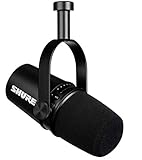

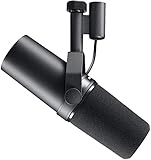

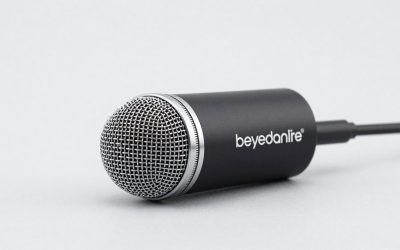
Shure MV7 USB Podcast Microphone for Podcasting, Recording, Live Streaming & Gaming, Built-in Headphone Output, All Metal USB/XLR Dynamic Mic, Voice-Isolating Technology, TeamSpeak Certified - Black


As an Amazon Associate we earn from qualifying purchases. Product prices and availability are accurate as of the date/time indicated.
Related Articles
Looking for more on this topic? Browse the hand-picked guides below — each one applies the same scoring rubric used in this review.