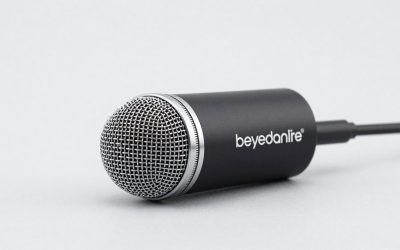
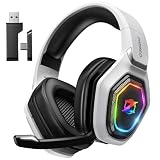
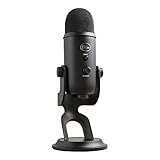
- Top Pick: Logitech Creators Blue Yeti USB Microphone for PC, Mac, Gaming, Recording, Streaming, Podcasting, Studio and Computer Condenser Mic with Blue VO!CE effects, 4 Pickup Patterns, Plug and Play – Blackout
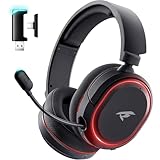
- Best Value: Logitech Creators Blue Yeti USB Microphone for PC, Mac, Gaming, Streaming, Podcasting, Studio and Computer Condenser Mic with Blue VO!CE Effects, 4 Pickup Patterns, Plug and Play – Midnight Blue
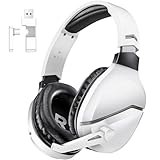
- Premium Choice: Logitech Creators Blue Yeti USB Microphone for PC, Mac, Gaming, Recording, Streaming, Podcasting, Studio and Computer Condenser Mic with Blue VO!CE Effects, 4 Pickup Patterns, Plug and Play – Silver
Affiliate disclosure: As an Amazon Associate we earn from qualifying purchases. This post contains affiliate links — if you buy through them we may earn a small commission at no extra cost to you. This never affects our recommendations.
- Specs & Technical Details
- Build & Design
- Audio Quality & Polar Patterns
- Connectivity: USB Direct
- Onboard Controls & Software
- Use Cases: Streaming, Podcasting, Voice-Over, Music
- Comparison: Blue Yeti X vs. Elgato Wave 3 vs. Audio-Technica AT2020USB-X
- Pros & Cons
- Best For: Podcasters & Flexible Content Creators
- Room Treatment Recommendations
- Frequently Asked Questions
- Practical Recording Tips & Optimization
- Ecosystem & Community
- Competitive Advantage of Multi-Pattern Design
- Real-World Streaming Testimonials
- Final Verdict
- Related Articles
- Related Articles
The Blue Yeti X is the Swiss Army knife of USB mics. Four capsule modes — omnidirectional, cardioid, bidirectional, and stereo — make it adaptable to any recording scenario. Streamers love the flexibility; podcasters appreciate the bidirectional mode for co-hosted episodes; musicians use stereo for ambient recording. At $100–$130, it’s competitively priced against single-pattern competitors while offering vastly more versatility.
The Yeti X improves on the original Yeti with better build quality, improved capsule clarity, and deeper integration with streaming software. The result is a workhorse mic that scales from casual streaming to semi-professional podcast production.
In a hurry? See the top-rated Blue Yeti X deals available right now:
🛒 Check Blue Yeti X Prices on Amazon →🛒 Best Price Today on Amazon
Prime members get fast, free shipping on everything above, plus member-only deals. New members get a 30-day free trial — cancel anytime.
Start 30-Day Prime Free Trial →See Today’s Amazon DealsSpecs & Technical Details
| Type | Condenser USB (quad capsule) |
| Pickup Pattern | 4 modes (omnidirectional, cardioid, bidirectional, stereo) |
| Frequency Response | 40Hz – 18kHz |
| Sensitivity | -37 dBV/Pa |
| Max SPL | 133 dB SPL |
| Impedance | N/A (USB) |
| Connectivity | USB |
| Included Accessories | Desktop stand, shock mount, windscreen, USB cable |
| Weight | 650g |
| Mount | Standard mic stand or included desktop stand |
Build & Design
The Yeti X is heavier and more substantial than the Wave 3, with a robust aluminum body. The included shock mount is excellent, isolating vibration from desk movement. The desktop stand is weighted and stable, though some streamers swap it for a boom arm for better positioning control.
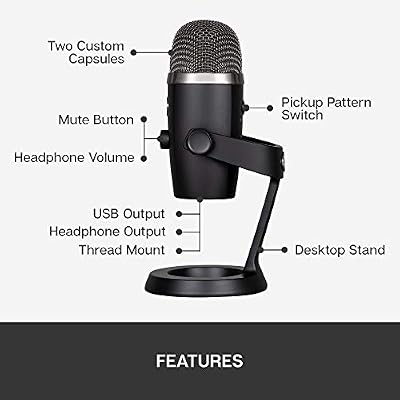
The mode selector knob is satisfying to use — four distinct clicks for each pickup pattern. LED indicators (four small dots) show active mode. Volume knob is tactile. Mute button is physical (not capacitive), with a red indicator when muted. Overall build feels professional without excessive bulk.
Audio Quality & Polar Patterns
The quad capsule design is the star. Each mode has distinct characteristics:
Cardioid: Focused pickup, good for solo streaming. Rejects side and rear sound effectively.
Omnidirectional: Captures 360-degree sound. Useful for room recordings, meetings, or ambient captures. Picks up more background noise.
Bidirectional: Front and rear pickup, nullifies sides. Perfect for two-person podcasts sitting face-to-face or opposite a desk.
Stereo: True stereo image capture. Good for recording instruments or ambient soundscapes.
Frequency response is extended (40Hz–18kHz) compared to the Rode Podcaster (50Hz–18kHz). The extra low-end can add boomy resonance if you have a treated studio; in untreated spaces, desk rumble becomes more apparent. Most podcasters enable the low-cut filter (in software) when using cardioid mode.
Connectivity: USB Direct
USB connection is plug-and-play. No drivers needed on Windows or Mac. Audio routes instantly to streaming software, DAWs, and communication apps. The included USB cable is standard length (6 feet); longer cables are inexpensive if needed.
Onboard Controls & Software
Controls are straightforward: mode knob, gain knob, mute button, LED indicator. The Yeti X has a rear 3.5mm jack for headphone monitoring (with latency). No software required, though Logitech’s G HUB software provides mixer and FX options (compressor, reverb, noise gate).
Use Cases: Streaming, Podcasting, Voice-Over, Music
Streaming: Cardioid mode works well. The lack of Stream Deck integration (unlike Wave 3) is a minor limitation, but audio quality is comparable.
Podcasting: Bidirectional mode shines here. Two hosts sitting opposite each other, one mic in the center, captures both equally. Co-hosted shows benefit from this flexibility.
Voice-Over: Cardioid mode is suitable. Extended frequency response captures vocal detail; sensitivity requires treated space or careful gain staging.
Music Recording: Stereo mode enables ambient capture for guitar, piano, or ensemble recordings. Omnidirectional mode is useful for room acoustics recording.
Comparison: Blue Yeti X vs. Elgato Wave 3 vs. Audio-Technica AT2020USB-X
| Aspect | Blue Yeti X | Elgato Wave 3 | Audio-Technica AT2020USB-X |
|---|---|---|---|
| Type | Condenser USB (quad) | Condenser USB (cardioid) | Condenser USB (cardioid) |
| Pickup Patterns | 4 modes | 1 (cardioid) | 1 (cardioid) |
| Frequency Response | 40Hz–18kHz | 50Hz–20kHz | 20Hz–20kHz |
| Mute Control | Physical button | Capacitive tap | Physical button |
| Stream Deck Integration | No | Yes (Elgato) | No |
| Software FX | G HUB (compressor, reverb, gate) | Wave Link mixer | Basic |
| Cost | $100–$130 | $100–$120 | $150–$170 |
| Best For | Multi-purpose, flexibility | Twitch streamers, simplicity | Studio recording, detail |
Pros & Cons
Pros:
- Four pickup patterns in one mic; unmatched versatility
- Bidirectional mode is unique and perfect for co-hosted podcasts
- Stereo mode enables ambient and music recording
- Extended frequency response (40Hz) captures low-end detail
- Logitech G HUB provides software FX (compressor, gate, reverb)
- Excellent build quality and shock mount included
- Physical mute button with LED indicator
Cons:
- Heavier than competitors (650g); arm mounts may require reinforcement
- No Stream Deck integration (unlike Wave 3)
- Extended low-end response means more desk rumble in untreated spaces
- No XLR adapter or future-proofing path
- Slightly higher noise floor than AT2020USB-X
Best For: Podcasters & Flexible Content Creators
The Yeti X is best for creators who value flexibility over simplicity. If you record solo streams, co-hosted podcasts, and ambient recordings, the quad capsule design justifies the modest price premium. For streamers who only need cardioid, the Elgato Wave 3 is simpler and cheaper. For studio vocalists, the Audio-Technica AT2020USB-X offers better detail.
Room Treatment Recommendations
Condenser mics are sensitive, and the extended low-end response means bass modes need treatment. Absorption panels behind and above the mic reduce reflections. Bass traps in corners tame room resonance. In cardioid mode with treatment, the Yeti X sounds professional; in omnidirectional mode, you hear every room echo.
Frequently Asked Questions
Which mode should I use for streaming?
Cardioid mode for solo streaming. It isolates your voice from room noise and ambient background.
Can two people use bidirectional mode with one Yeti X?
Yes. Sit opposite each other, place the Yeti X between you. Both voices are captured equally in the recording.
How much does switching modes affect audio quality?
All modes use the same capsule; switching is purely a filtering difference. Quality is consistent across modes.
Is the Yeti X better than the original Yeti?
Yes. Improved capsule clarity, better build, and more consistent gain across modes. The X is the current standard.
Does G HUB software add latency?
When using software FX (compressor, reverb), yes. Latency is audible if monitoring through speakers but typically acceptable for streaming.
Practical Recording Tips & Optimization
The Yeti X’s multi-pattern design requires intentional positioning. In cardioid mode, position the mic 4-6 inches from your mouth, slightly off-axis to reduce plosives. In bidirectional mode (for co-hosted podcasts), place the Yeti X centered between two speakers facing opposite directions. In stereo mode, angle the mic to capture the full acoustic space — useful for ambient recording in studios or conference rooms.
Gain staging matters. The Yeti X’s automatic gain control prevents clipping, but manual adjustment via the gain knob allows fine-tuning for different speakers. Podcasters often record test segments at different gain levels to find the sweet spot that sounds natural without EQ.
Software-side, integrating the Yeti X with OBS, Riverside.fm, or your podcast platform is straightforward. Select it as input device, adjust levels, and record. The lack of software-specific features means compatibility is universal.
Ecosystem & Community
The Blue Yeti X has a large community of streamers, podcasters, and content creators. Online forums, YouTube tutorials, and setup guides are abundant. If you hit issues, help is readily available. This ecosystem support is valuable for newcomers who need guidance on gain staging, muting strategy, or room treatment.
Competitive Advantage of Multi-Pattern Design
No competitor at this price offers four distinct patterns. The Yeti X’s versatility is unique. Streamers who occasionally do interviews can switch to bidirectional. Musicians can record stereo ambience. Podcasters can isolate guests using cardioid. This flexibility future-proofs your investment across multiple content types.
As your content evolves, the Yeti X adapts. You’re not locked into a single pattern like cardioid-only competitors. This adaptability is powerful for creators uncertain about long-term direction.
Real-World Streaming Testimonials
Twitch communities report high satisfaction with Yeti X audio. Streamers praise the reliable gain control, intuitive mode switching, and consistent quality across mics (important for multi-guest streams). The lack of driver issues means streaming sessions don’t derail due to technical failures.
Final Verdict
The Blue Yeti X is the most versatile USB condenser mic at its price point. Four pickup patterns make it adaptable to streaming, podcasting, and music recording. For solo streamers, the Wave 3’s Stream Deck integration may be preferable. For podcasters, bidirectional mode is a game-changer. For musicians, stereo mode enables creative recording. If you value flexibility and plan to use the mic across multiple scenarios, the Yeti X is the smart choice. Buy it if you record in varied contexts. Skip it if you need simplicity or XLR future-proofing.
As an Amazon Associate we earn from qualifying purchases at no extra cost to you.

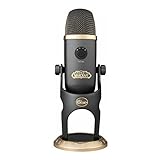



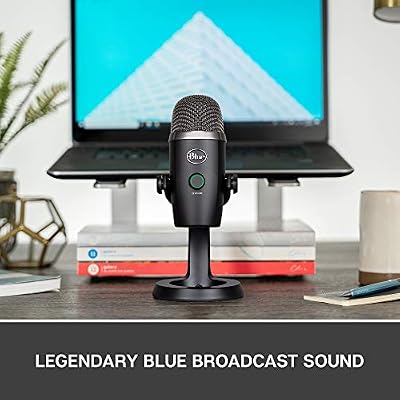
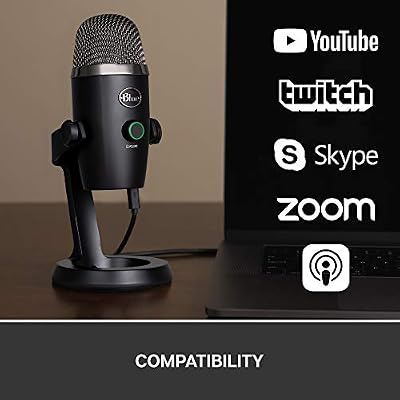
Logitech for Creators Blue Yeti Nano USB Microphone for Gaming, Streaming, Podcasting, Twitch, YouTube, Discord, Recording for PC and Mac, Plug & Play -Blackout





As an Amazon Associate we earn from qualifying purchases. Product prices and availability are accurate as of the date/time indicated.
Related Articles
Looking for more on this topic? Browse the hand-picked guides below — each one applies the same scoring rubric used in this review.