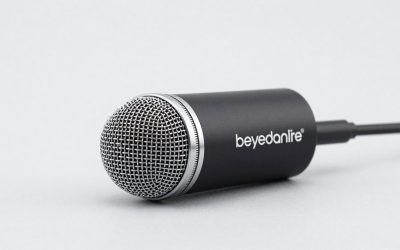
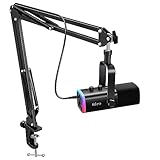
- Top Pick: TONOR Gaming Microphone Set with Boom Arm, Vocal Condenser Microphone for Content Creators, USB Mic for PC with Stand, RGB, Tap Mute, Gain Control, Gaming Equipemnt, Twitch, Streaming, TC310+
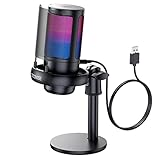
- Best Value: FIFINE AmpliGame A6V USB Gaming Microphone, Condenser RGB Mic for Streaming
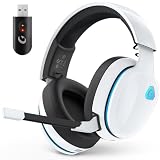
- Premium Choice: Gaming Microphone for PC: USB Mic for Podcasts Videos & Streaming – Condenser Mic with Quick Mute & Pop Filter – RGB Microphone Gift for Gamer boys – Compatible with PS4/5 & Computer & Laptop
Affiliate disclosure: As an Amazon Associate we earn from qualifying purchases. This post contains affiliate links — if you buy through them we may earn a small commission at no extra cost to you. This never affects our recommendations.
Your microphone is the most personal piece of your streaming setup. Viewers and teammates hear your voice continuously — a muddy, echoey, or background-noise-riddled mic is immediately noticeable and undermines the professionalism of even a beautifully produced stream. In 2026, USB microphones have eliminated the need for an audio interface for the vast majority of gaming and streaming use cases, delivering broadcast-quality condenser performance through a simple USB connection that works on Windows, macOS, and most gaming consoles without any driver installation.
The competition in USB microphones has intensified, with Blue, Razer, Shure, and HyperX all offering strong options. But the Blue Yeti’s track record, multi-pattern flexibility, and continuing price competitiveness have kept it at the top of streaming recommendations for over a decade — and for good reason. Below are the best USB microphones for gaming and streaming in 2026, covering options at every price point from $40 to $100.
In a hurry? See the top-rated USB Microphones for Gaming and Streaming deals available right now:
🛒 Check Usb Microphones For Gaming And Streaming Prices on Amazon →🛒 Best Price Today on Amazon
Prime members get fast, free shipping on everything above, plus member-only deals. New members get a 30-day free trial — cancel anytime.
Start 30-Day Prime Free Trial →See Today’s Amazon DealsTop Picks at a Glance
| Microphone | Type | Pattern | Best For |
|---|---|---|---|
| Blue Yeti USB (Black) | USB Condenser | Multi-pattern | Best overall streaming mic |
| Blue Yeti USB (Silver) | USB Condenser | Multi-pattern | Best for retro/classic setups |
| Blue Yeti USB (White) | USB Condenser | Multi-pattern | Best for light-themed setups |
| Razer Seiren Mini USB | USB Condenser | Cardioid | Best budget compact streaming mic |
| Shure SM58-LC Dynamic XLR | XLR Dynamic | Cardioid | Best upgrade path (XLR) |
As an Amazon Associate we earn from qualifying purchases at no extra cost to you.





Blue Yeti USB Black — Best Overall USB Microphone for Gaming and Streaming
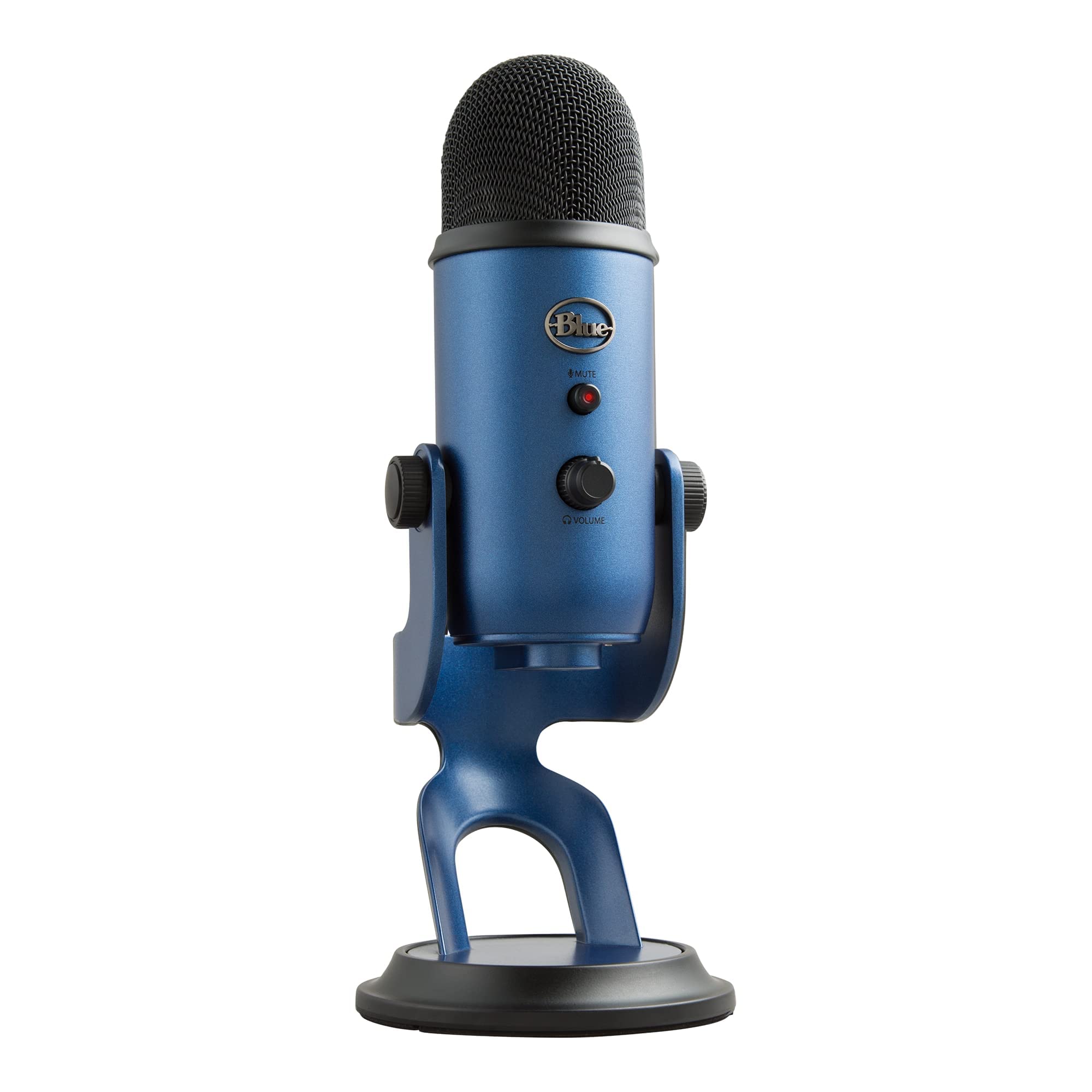
The Blue Yeti remains the definitive recommendation for gaming and streaming microphones in 2026. Three condenser capsules in a multi-pattern configuration deliver cardioid (standard streaming), bidirectional (podcast interviews), stereo (instrument recording), and omnidirectional modes — more versatility than any competitor at the price. Direct headphone monitoring with zero-latency playback, mute button, gain dial, and headphone volume control make it a self-contained broadcast solution. USB plug-and-play on PC and Mac. At approximately $95, it sets the benchmark.
- Pros: Multi-pattern versatility, direct monitoring, mute button, robust build, zero-driver USB
- Cons: Large desk footprint, picks up more room noise than dynamic mics, benefits from acoustic treatment
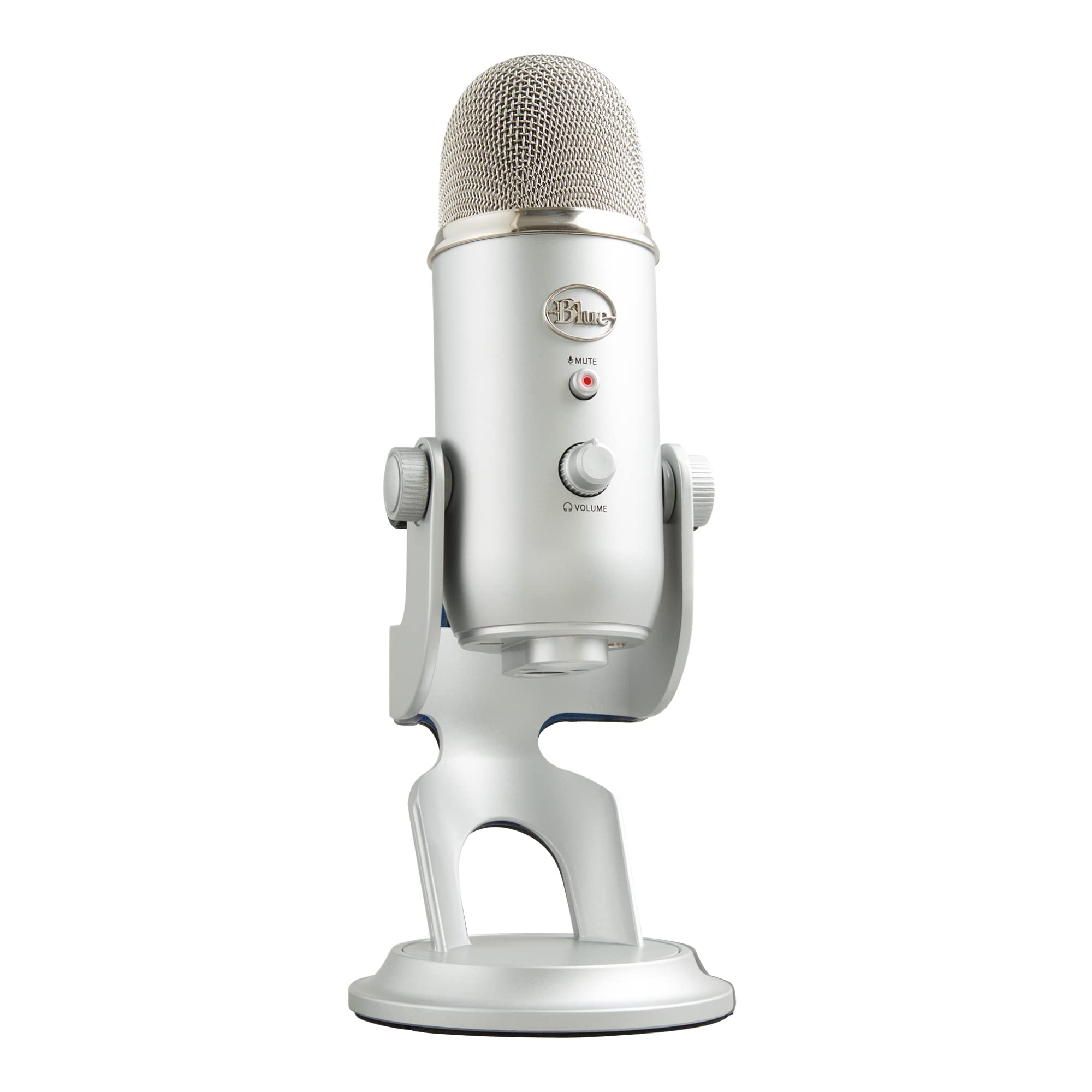
Blue Yeti USB Silver — Best for Retro and Classic Streaming Aesthetics
Identical internals to the Black Yeti but finished in a classic silver colorway that references vintage broadcast microphone design. The Silver finish is particularly popular with streamers running retro gaming setups or light-themed desk aesthetics. Performance is precisely equal to the black variant — the choice between colors is purely aesthetic. At around $100, the silver is marginally more expensive than the black; if you have no aesthetic preference, save a few dollars with the black version.
- Pros: Premium silver finish, same performance as Black Yeti, distinctive broadcast aesthetic
- Cons: Slight price premium over black, same large footprint, same condenser sensitivity to room noise
Blue Yeti USB White — Best for White or Light-Themed Battle Station Setups
The White Yeti is the choice for streamers running all-white desk setups — increasingly popular in 2026 as the “clean desk” streaming aesthetic has grown on Twitch and YouTube. Same triple-capsule multi-pattern condenser performance, same USB plug-and-play operation, same direct monitoring and mute controls. At around $98 it sits between the black and silver in price. If your setup is white-themed, the color consistency is worth the minor premium over the standard black model.

- Pros: White colorway for aesthetic consistency, full Yeti performance, USB plug-and-play
- Cons: Minor premium over black, large form factor, fingerprints visible on white finish
Razer Seiren Mini USB — Best Budget Compact Streaming Microphone
The Razer Seiren Mini is the answer for streamers who want solid streaming audio quality without spending $95 or committing to the Blue Yeti’s large desk footprint. Its supercardioid pattern is tighter than the Yeti’s cardioid, which actually helps in untreated rooms by rejecting more side and rear room noise. The ultra-compact form factor works with any desk size and pairs cleanly with a standard boom arm. At around $40, it’s the easiest entry point into dedicated streaming microphone quality.
- Pros: Compact, affordable, tight supercardioid pattern, boom-arm compatible, USB plug-and-play
- Cons: No direct monitoring, no gain control on unit, supercardioid requires precise mic positioning
Shure SM58-LC Dynamic XLR — Best Upgrade Path from USB to XLR
The Shure SM58 is the most iconic vocal microphone in live performance history, and it’s equally at home on a streaming desk. Unlike the condenser USB mics above, the SM58 is a dynamic XLR microphone — it requires an audio interface (like the Focusrite Scarlett Solo) to connect to a PC. The advantage: dynamic microphones are far less sensitive to room noise and background sounds, making them the professional choice for streamers without acoustic treatment. At approximately $98, it’s the natural upgrade for streamers ready to step beyond USB.
- Pros: Industry-standard vocal mic, excellent background noise rejection, durable build, legendary reliability
- Cons: Requires XLR audio interface (additional cost), not plug-and-play, cardioid-only pattern
Buying Guide
USB vs. XLR: Which Should Streamers Choose?
For 99% of gaming and streaming use cases, USB is the right choice. USB condenser microphones like the Blue Yeti connect directly to your PC or Mac without additional hardware, work instantly without driver installation, and include built-in preamps that provide clean gain at streaming volume levels. XLR microphones like the Shure SM58 offer better noise rejection and higher audio ceiling, but require an audio interface that costs $50–$150 on top of the microphone price. Start with USB. Upgrade to XLR when your stream has grown to the point where subtle audio quality improvements matter to your audience.
Condenser vs. Dynamic for Gaming
Condenser microphones (Blue Yeti, Razer Seiren Mini) are more sensitive, picking up your voice with greater detail and nuance. This sensitivity also captures keyboard clicks, mouse sounds, and room reflections — a trade-off that matters in untreated rooms. Dynamic microphones (Shure SM58) reject background noise by design but require you to speak closer to the capsule. For streamers in dedicated streaming rooms or with acoustic panels, condensers sound exceptional. For streamers in live-in bedrooms or open-plan spaces, dynamics or the Razer Seiren Mini’s tight supercardioid pattern handle ambient noise more forgivingly.
Polar Patterns Explained
Cardioid picks up sound primarily from the front — perfect for solo streaming. Supercardioid (Seiren Mini) is even tighter, rejecting more side noise at the cost of needing precise mic placement. Bidirectional picks up front and back, useful for two-person podcast setups. Omnidirectional picks up from all directions — useful for conference-style recording but not recommended for gaming where keyboard and background noise are present. The Blue Yeti’s multi-pattern switch gives you all four options in a single device.
Mounting Your Microphone
All Blue Yeti variants and the Razer Seiren Mini include desk stands, but a boom arm is the single biggest quality-of-life upgrade for any streaming microphone. A boom arm positions the mic at optimal speaking distance (6–8 inches from your mouth), clears desk space, and allows you to push the mic out of frame when not streaming. Entry-level boom arms cost $15–$30 and mount to any desk edge via a C-clamp. If you’re buying a Yeti, budget for a boom arm simultaneously.
Acoustic Treatment on a Budget
Condenser microphones like the Blue Yeti benefit significantly from basic acoustic treatment. You don’t need a professional recording booth — a few acoustic foam panels behind your monitor, a reflection filter directly behind the mic, or even a bookshelf full of books behind your desk reduces the room echo that makes untreated spaces sound unprofessional. Reflection filters compatible with the Blue Yeti mount start around $30 and deliver an audible improvement in streaming audio quality.
Frequently Asked Questions
Is the Blue Yeti still worth it in 2026?
Yes. The Blue Yeti’s multi-pattern condenser capsule, direct monitoring, and USB plug-and-play remain industry-leading features at the sub-$100 price point. Newer competitors have matched it in some areas, but none offer the same combination of pattern versatility, build quality, and proven streaming reliability. For any streamer investing in their first dedicated microphone in 2026, the Yeti remains the top recommendation.
Is the Razer Seiren Mini good enough for Twitch streaming?
Absolutely. The Seiren Mini’s supercardioid condenser delivers voice clarity that is more than sufficient for Twitch and YouTube streaming at its around $40 price point. Its tight pickup pattern actually performs better in noisy rooms than the Blue Yeti’s cardioid. If desk space or budget is a concern, the Seiren Mini is the best compact streaming microphone available in 2026.
Do I need phantom power for the Blue Yeti?
No. The Blue Yeti is USB-powered and draws all necessary power from your computer’s USB port. Phantom power (48V) is only required for XLR condenser microphones connected through an audio interface. USB microphones are entirely self-contained — no external power supply or audio interface required.
What’s the best microphone for streaming without acoustic treatment?
The Razer Seiren Mini’s supercardioid pattern and the Shure SM58’s dynamic element are both more resistant to room noise than cardioid condensers. If you’re streaming in an untreated bedroom or living space, either of these will handle background noise more forgivingly than the Blue Yeti. If you want the Yeti’s versatility in an untreated room, add a desk-mounted reflection filter to substantially reduce room echo pickup.
Verdict
The Blue Yeti USB microphone — in black, silver, or white depending on your setup aesthetic — remains the definitive streaming and gaming microphone recommendation in 2026. Its multi-pattern versatility, plug-and-play USB operation, and direct monitoring make it a complete solution at approximately $95–$105. Streamers on a tighter budget should strongly consider the Razer Seiren Mini at around $40, which delivers clean voice capture in a compact, easy-to-position form factor. When you’re ready to graduate beyond USB, the Shure SM58 with an audio interface is the professional path forward.
Related Articles
Looking for more on this topic? Browse the hand-picked guides below — each one applies the same scoring rubric used in this review.
Ready to decide? Our #1 pick for 2026 is the Blue Yeti USB (Black).
Live price & availability on Amazon.