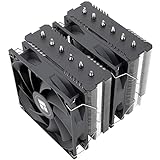
- Top Pick: Thermalright Peerless Assassin 120 SE CPU Cooler, 6 Heat Pipes AGHP Technology, Dual 120mm PWM Fans, 1550RPM Speed, for AMD:AM4 AM5/Intel LGA 1700/1150/1151/1200/1851,PC Cooler
- Best Value: ARCTIC Liquid Freezer III Pro 360 A-RGB – AIO CPU Cooler, Water Cooling
- Premium Choice: AMD RYZEN 7 9800X3D 8-Core, 16-Thread Desktop Processor
The Ryzen 7 9800X3D runs cooler than most flagship chips thanks to AMD’s 3D V-Cache design, but its 120W TDP and boost clocks past 5.2GHz still demand a cooler that can hold thermals steady during long gaming sessions or Blender renders. Pick something undersized and you’ll see clock throttling and fan noise creep up within minutes of load.
Below are five coolers that consistently show up in build guides and benchmark comparisons for AM5 platforms, ranging from a budget-friendly dual-tower air cooler to 360mm AIOs with RGB and daisy-chain fan headers. Whether you’re building fresh or upgrading a stock cooler, one of these will keep your 9800X3D running at full boost without throttling.
As an Amazon Associate we earn from qualifying purchases at no extra cost to you.




⚡ Save on Your Next PC — Amazon Prime
Prime members get fast free shipping on the systems above, plus early access to Prime Day & Black Friday PC deals. New members get a 30-day free trial.
Watch: Best CPU Cooler for Ryzen 7 9800X3D — Video Review
How to Choose
- TDP headroom: The 9800X3D peaks around 120-140W under PPT limits, so look for coolers rated well above that, ideally 200W+ for air or 250W+ for AIOs, to leave thermal margin for sustained boost.
- Radiator size vs. case clearance: A 360mm AIO needs three 120mm fan mounts, usually in the front or top of the case. Measure your case before buying; a 280mm or dual-tower air cooler is safer if you’re unsure.
- Socket compatibility and mounting: Confirm AM5 bracket support out of the box. Most current coolers ship with AM5 hardware, but older stock might still include only AM4 mounts.
- Noise at load: Check dBA ratings at full fan speed, not just idle. A cooler that’s silent at 30% fan speed but screams at 100% under a CPU-intensive game isn’t a good match for daily use.
- RGB and software: If you want synced lighting, confirm the cooler uses a standard ARGB header or ships with a controller compatible with your motherboard’s ecosystem (ASUS Aura, MSI Mystic Light, etc.).
The Best Picks Reviewed
Thermalright Peerless Assassin 120 SE
Six heat pipes with AGHP technology and dual 120mm PWM fans give this air cooler enough thermal capacity to handle the 9800X3D without breaking a sweat, and it costs a fraction of what a 360mm AIO runs. It’s a dual-tower design, so double-check RAM clearance and case width before buying, but for anyone who wants strong cooling without pump noise or tubing to worry about, this is the pick.
ARCTIC Liquid Freezer III Pro 360 A-RGB
Arctic’s Liquid Freezer series has a reputation for punching above its price point on thermal performance, and the Pro 360 A-RGB variant adds addressable lighting on the pump and fans without sacrificing the brand’s signature low-noise operation. The 360mm radiator and thick fans move enough air to keep the 9800X3D’s boost clocks stable even during extended CPU-bound workloads.
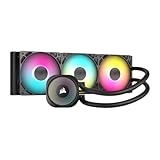
CORSAIR Nautilus 360 RS ARGB
Corsair’s Nautilus 360 RS ARGB uses direct motherboard connection and daisy-chain wiring, which cuts down on cable clutter considerably compared to older AIO designs that need a separate RGB/fan hub. The three included RS120 ARGB fans are tuned for low noise, and the 360mm radiator provides solid headroom for the 9800X3D’s peak power draw.
ARCTIC Liquid Freezer III Pro 360
This is the non-RGB sibling of Arctic’s Pro 360, and it delivers the same thermal performance for a lower price if you don’t care about lighting. Same 360mm radiator, same efficient pump design, same reputation for holding temps down under sustained load. For builders who prioritize function over flash, it’s hard to beat.
CORSAIR Nautilus 360 RS
The standard Nautilus 360 RS trades ARGB fans for plain RS120 fans, dropping the price slightly while keeping the same direct motherboard connection and daisy-chain simplicity. If your case is already lit up enough and you just want reliable 360mm cooling for the 9800X3D, this version gets the job done without extra cost for lighting you won’t use.
Frequently Asked Questions
Does the Ryzen 7 9800X3D need an AIO, or is air cooling enough?
A quality dual-tower air cooler like the Peerless Assassin 120 SE can handle the 9800X3D for gaming and most everyday workloads. If you regularly run sustained multi-core tasks like rendering or compiling, a 360mm AIO gives more thermal headroom and keeps boost clocks higher for longer.
What’s the ideal radiator size for this CPU?
240mm is the practical minimum for an AIO on this chip, but 360mm is the sweet spot for keeping temps comfortably under 75°C during heavy loads while also allowing quieter fan curves.
Do I need AM5-specific mounting hardware?
Yes. AM5 uses a different bracket than AM4, though the socket dimensions are similar. All five coolers listed here support AM5 out of the box, so no separate mounting kit purchase is necessary.
Will a bigger cooler improve gaming performance?
Indirectly, yes. Better cooling lets the 9800X3D sustain higher boost clocks longer under load, which can translate into a few extra frames in CPU-limited titles, though the gains are modest compared to GPU upgrades.
Final Thoughts
For most builds, the ARCTIC Liquid Freezer III Pro 360 offers the best balance of thermal performance, quiet operation, and value, whether you go with the A-RGB version for the lighting or save a bit with the standard model. If you’d rather skip liquid cooling entirely, the Thermalright Peerless Assassin 120 SE remains a superb budget option that won’t leave performance on the table.